
Understanding the temporal rhythm of Maui is essential for any traveler planning to visit the Valley Isle. Whether you are coordinating a sunrise viewing atop a dormant volcano, booking a table at a world-renowned restaurant, or simply trying to call home without waking your family in the middle of the night, time dictates the flow of the island experience. In Hawaii, time is more than just a measurement on a clock; it is a cultural philosophy that influences everything from social interactions to the way the local economy operates.
Navigating the Hawaii-Aleutian Standard Time Zone
When asking “what time in Maui Hawaii,” the technical answer is that the entire state follows Hawaii-Aleutian Standard Time. This time zone is one of the most unique in the United States because of its geographical isolation in the central Pacific Ocean. For visitors traveling from the Mainland, the shift can be significant, often ranging from two to six hours depending on the season and the point of departure.
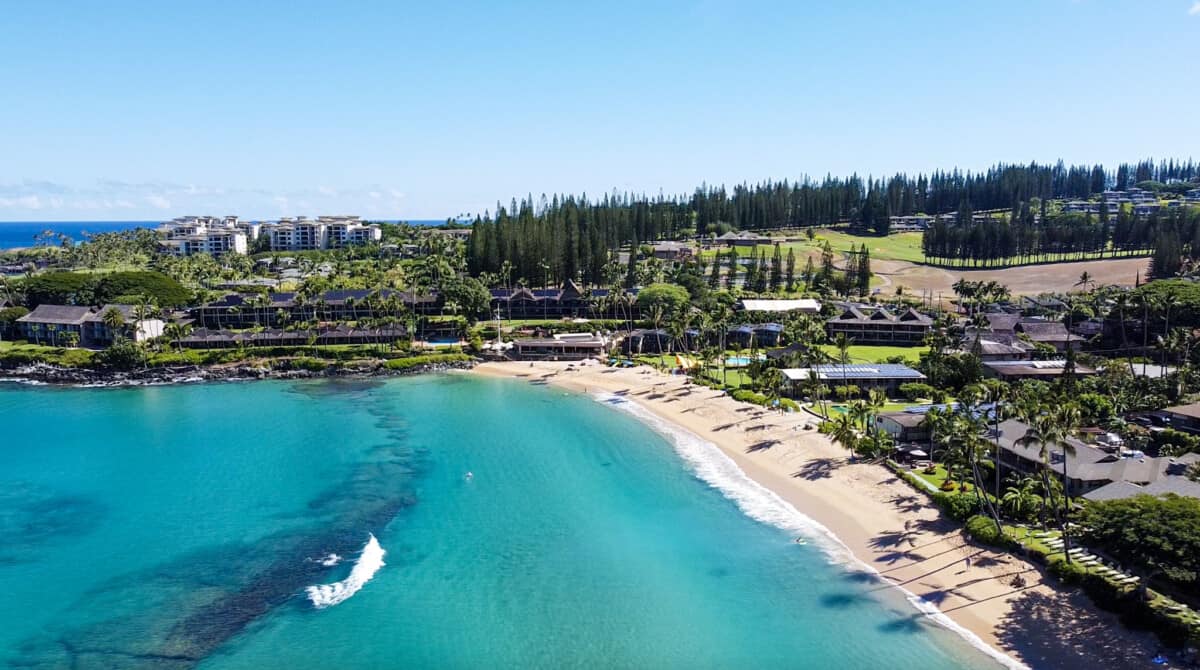
Understanding Daylight Saving Time (or lack thereof)
One of the most critical facts for tourists to remember is that Hawaii does not observe Daylight Saving Time. While the rest of the United States “springs forward” and “falls back,” Maui remains constant. This creates a fluctuating time difference. During the summer months, Maui is three hours behind the West Coast and six hours behind the East Coast. In the winter, after the mainland clocks change, that difference narrows to two hours for the Pacific Northwest and five hours for the Atlantic seaboard. This lack of seasonal clock-changing is a reflection of the island’s proximity to the equator, where the length of daylight remains relatively consistent throughout the year.
Managing Jet Lag for the Ultimate Vacation
For many travelers, the journey to Kahului involves crossing multiple time zones, which inevitably leads to jet lag. However, seasoned tourists often use this to their advantage. If you are arriving from the East Coast, you will likely find yourself wide awake at 4:00 AM local time. Instead of fighting this biological urge, savvy visitors use these early hours to explore parts of the island that are usually crowded later in the day. Witnessing a quiet morning in Paia or catching the first light at Ka’anapali provides a serene introduction to the island that late sleepers often miss.
Embracing the Concept of Island Time
Beyond the numerical value on a watch, “island time” is a cultural phenomenon deeply rooted in the Aloha Spirit. To the people of Maui, time is viewed with a degree of fluidity and patience that can be jarring to those accustomed to the frantic pace of major metropolitan areas. This slower pace is not a sign of inefficiency but rather a commitment to being present and prioritizing human connection over rigid schedules.
The Aloha Spirit in Practice
In the local culture of Maui, rushing is often seen as a sign of disrespect. Whether you are ordering a plate lunch in Wailuku or waiting for a tour boat at Ma’alaea Harbor, the expectation is that you will remain calm and friendly. The Aloha Spirit encourages people to greet one another, share stories, and acknowledge the natural beauty surrounding them. When tourists embrace this mindset, they often find their stress levels dropping significantly. Learning to appreciate the “wait” as part of the experience is a key transition from being a mere visitor to becoming a conscious traveler.
Cultural Nuances and Local Etiquette
Respecting local time also means understanding the “pau hana” tradition. “Pau hana” literally translates to “finished work,” and it marks the time when locals gather to relax, enjoy a cold drink, and watch the sunset. This usually occurs between 4:30 PM and 6:30 PM. For tourists, this is an excellent time to visit local spots in Kihei or Lahaina to experience the authentic community vibe. However, keep in mind that many local businesses and smaller boutiques may close earlier than expected compared to mainland standards, as business owners prioritize family time and outdoor activities.
Scheduling Your Maui Adventures
To make the most of a trip to the Valley Isle, timing is everything. Because of the island’s unique microclimates and geography, certain activities are best experienced at specific hours of the day.
The Sacred Haleakala Sunrise
Perhaps the most time-sensitive activity on the island is visiting Haleakala National Park for the sunrise. Standing at 10,023 feet above sea level, the summit offers a view of the sun breaking over the clouds that many describe as a spiritual experience. However, this requires careful planning. Reservations are mandatory and often sell out weeks in advance. Because of the drive time from resort areas like Wailea or Kapalua, visitors must typically leave their hotels by 3:00 AM. The time spent in the dark, ascending the winding roads of Upcountry Maui, is rewarded with a celestial display that has been revered by Hawaiian people for centuries.
Navigating the Road to Hana
The Road to Hana is another adventure where the clock is your most important tool. Stretching along the Hana Highway, this journey involves over 600 curves and 54 bridges. To truly enjoy the waterfalls, the Garden of Eden Arboretum, and the black sand beaches of Waianapanapa State Park, an early start is non-negotiable. Most experts recommend passing through Paia no later than 7:00 AM. This allows you to reach Hana and potentially the Seven Sacred Pools at Ohe’o Gulch before the afternoon rains or the heavy return traffic begins.
Morning Waters at Molokini Crater
For those looking to explore the underwater world, the early morning hours are paramount. Snorkeling trips to Molokini Crater typically depart around 7:00 AM. The reason for this early schedule is the wind. As the island heats up throughout the morning, the trade winds tend to pick up, creating choppy conditions in the Alalakeiki Channel. By going early, you ensure the clearest visibility and the calmest waters, making for a much better experience at sites like Turtle Town or Honolua Bay.
Seasonal Rhythms and Tourism Windows
While the time of day matters, the time of year is equally impactful for Maui tourism. The island transitions through subtle but distinct seasons that affect everything from surf conditions to wildlife sightings.
Whale Watching Season on the Valley Isle
From December through May, the waters of the Maui Nui Basin become the winter home for thousands of North Pacific Humpback Whales. If your goal is to see these majestic creatures breaching, timing your visit for February or March is ideal. During this peak period, whales can often be seen from the shore at McGregor Point or while dining at waterfront restaurants in Lahaina. Many tourists visit the Maui Ocean Center during this time to learn more about the migratory patterns and cultural significance of the whales to the Hawaiian people.
Summer Crowds and Calm Waters
Conversely, the summer months bring a different rhythm. This is when the North Shore swells subside, making beaches like Ho’okipa Beach Park much calmer for swimming. This is also the busiest time for family travel, coinciding with school vacations on the Mainland. During this season, it is even more important to book activities like the Old Lahaina Luau or dinner at Mama’s Fish House months in advance. The seasonal clock also dictates the harvest, with the summer bringing an abundance of tropical fruits like mangoes and lychees to the farm stands in Kula.
Practical Tips for Time-Sensitive Travelers
To avoid stress and maximize your enjoyment of Maui, there are several practical time-related tips to keep in mind.
Dining Reservations and Golden Hour
The “Golden Hour”—the period just before sunset—is the most coveted time for dining in Maui. In areas like South Maui and West Maui, restaurants with ocean views fill up quickly. If you want to watch the sun dip below the horizon while enjoying a meal at Merriman’s Kapalua or a spot at Napili Bay, you should aim for a reservation time approximately 30 to 45 minutes before the official sunset. This allows you to be seated and served your first course just as the colors in the sky reach their peak intensity.
Maui Traffic Patterns
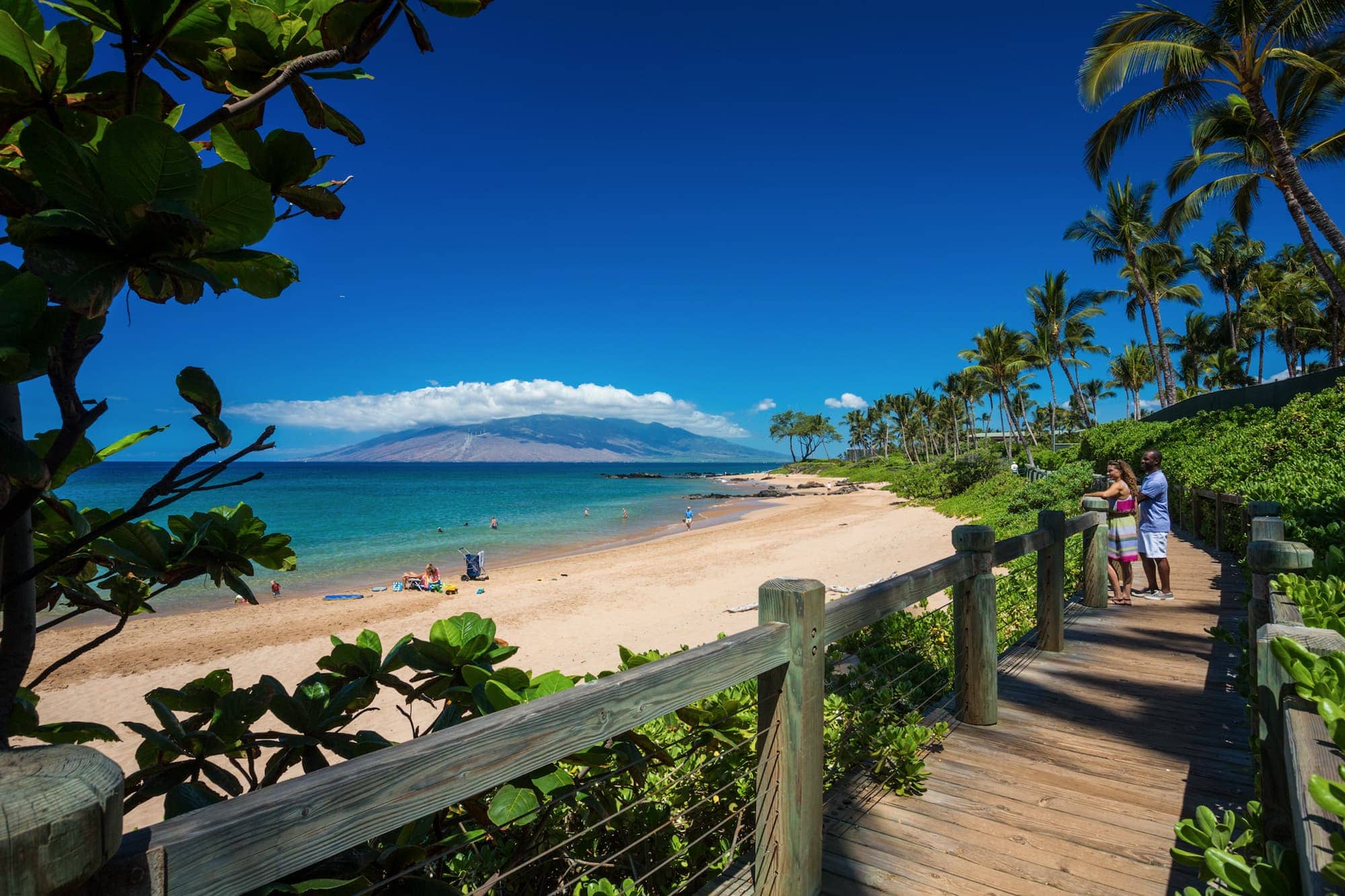
While it may seem like a tropical paradise, Maui does have rush hour. The “Pali,” the coastal road connecting West Maui to the rest of the island, can experience significant delays in the late afternoon as workers commute between Lahaina and Kahului. Similarly, the roads near Makena Beach can get congested on weekend afternoons. When planning your transit time to the airport or a scheduled tour, always add a thirty-minute buffer to account for the unique bottlenecks of island geography. By respecting the clock and understanding the local flow, your time on the island will be spent in a state of relaxation rather than a race against the minute hand.
LifeOutOfTheBox is a participant in the Amazon Services LLC Associates Program, an affiliate advertising program designed to provide a means for sites to earn advertising fees by advertising and linking to Amazon.com. Amazon, the Amazon logo, AmazonSupply, and the AmazonSupply logo are trademarks of Amazon.com, Inc. or its affiliates. As an Amazon Associate we earn affiliate commissions from qualifying purchases.