
The question “What time in New Orleans?” is deceptively simple, but for a visitor or even a seasoned resident, understanding time in this vibrant Louisiana metropolis involves more than just consulting a clock. It’s about aligning with the city’s unique rhythm, a blend of historical cadence and the ever-present pulse of its culture. New Orleans operates on Central Time, which includes Central Standard Time (CST) during the winter months and Central Daylight Time (CDT) during the warmer months. However, to truly grasp “what time it is” in New Orleans, one must delve into its temporal fabric, considering not just the hour but the experiences that define its days and nights. This exploration will guide you through understanding New Orleans’ time zones, the influence of its vibrant schedule on activities, and how to best synchronize your visit with its captivating allure.
Understanding New Orleans’ Temporal Framework
To navigate New Orleans effectively, a foundational understanding of its time zone and its implications for daily life is crucial. This includes grasping the practicalities of clock time and the broader concept of when specific activities and events are most prevalent.
Central Time: The Clock’s Domain
New Orleans, like much of the central United States, observes Central Time. This means it is typically six hours behind Coordinated Universal Time (UTC-6) during Standard Time and five hours behind UTC during Daylight Saving Time (UTC-5). The transition between CST and CDT generally occurs on the second Sunday in March and the first Sunday in November, a practice common across the United States. This temporal shift is a practical consideration for travelers, particularly those coming from different time zones. It impacts flight schedules, communication with businesses back home, and the general acclimatization to the local pace. For instance, knowing it’s 10 AM in New Orleans means it’s 11 AM in the Eastern Time Zone, 9 AM in the Mountain Time Zone, and 8 AM on the Pacific Coast. This basic understanding is the bedrock upon which all other temporal planning in the city is built.
Daylight Saving Time’s Influence
The biannual shift to and from Daylight Saving Time can subtly alter the perceived rhythm of the day in New Orleans. During CDT, daylight hours extend further into the evening, which can be a boon for outdoor activities and enjoying the city’s nightlife. This extended daylight makes lingering on a balcony in the French Quarter or strolling along the Mississippi River until later in the evening more feasible and enjoyable. Conversely, during CST, evenings arrive earlier, lending a different character to the city’s twilight hours. While the clock may change, the spirit of New Orleans remains constant, though the extra hour of daylight can certainly enhance certain experiences, particularly during the warmer months when the city truly comes alive after dusk.
The Rhythms of New Orleans: Beyond the Clock
The true essence of “What time in New Orleans?” lies not solely in the hour displayed on a watch, but in the ebb and flow of its unique cultural calendar and daily life. The city’s schedule is dictated by a confluence of traditions, celebrations, and the inherent vibrancy of its populace.
Morning Serenity and Culinary Beginnings
Mornings in New Orleans often begin with a slower, more deliberate pace than in many other major cities. While some businesses open early, the true awakening of the city often takes a cue from the sun. For visitors, this presents an opportunity to savor the quiet hours. Enjoying a leisurely breakfast at a local cafe, perhaps a classic beignet and cafe au lait at Cafe Du Monde, is a quintessential New Orleans experience. These early hours are also ideal for exploring the tranquil beauty of the French Quarter before the crowds arrive, or taking a peaceful walk through the historic Garden District. The culinary scene, a cornerstone of New Orleans’ identity, is deeply intertwined with these morning hours, offering a delicious introduction to the day’s possibilities.

Afternoon Vibrancy and Cultural Immersion
As the day progresses, New Orleans blossoms into its full, vibrant self. Afternoons are prime time for immersing oneself in the city’s rich cultural tapestry. This is when museums like the New Orleans Museum of Art and the National WWII Museum are bustling with visitors, and the historic streetcar lines, such as the St. Charles Avenue streetcar, are filled with patrons exploring different neighborhoods. Live music, a defining characteristic of the city, begins to fill the air, with many venues offering afternoon sets. Exploring iconic streets like Bourbon Street or Frenchmen Street takes on a different energy in the afternoon, offering a preview of the evening’s festivities. It’s also an opportune time to engage in activities like a swamp tour or a historical walking tour, taking advantage of the daylight and the peak operational hours of these attractions.
Evening Enchantment and Nocturnal Delights
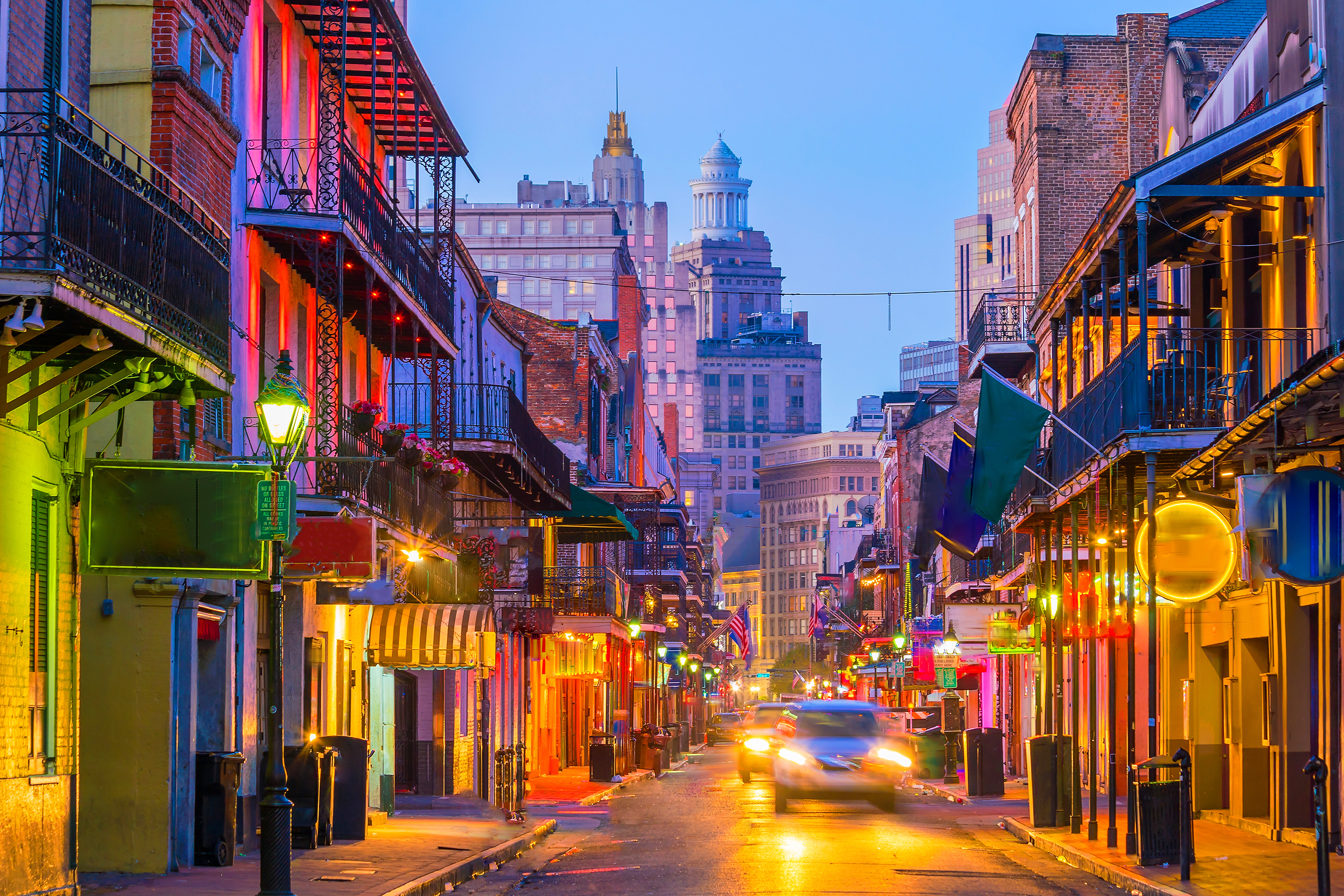
New Orleans truly shines as the sun sets. The city’s evenings are legendary, marked by an unparalleled energy that permeates its streets and establishments. This is when the cultural scene truly ignites. Jazz clubs along Frenchmen Street come alive with improvisational magic, while the restaurants of the French Quarter and Central Business District serve up world-class cuisine. The iconic Mardi Gras season, though specific in its timing, exemplifies the city’s penchant for all-night celebrations, but the spirit of festivity can be found year-round. Evenings are also perfect for a leisurely dinner cruise on the Mississippi River, offering a unique perspective of the city lights. The unique atmosphere of New Orleans at night is an experience in itself, a testament to its enduring allure and its dedication to celebrating life.
Temporal Considerations for a Memorable New Orleans Visit
Optimizing your visit to New Orleans involves a mindful approach to its temporal aspects, ensuring you experience the city at its most engaging and personally rewarding. This means considering not just the clock, but the events and the unique temporal heartbeat of this extraordinary city.
Planning Around Festivals and Events
New Orleans is a city that thrives on celebration, and its calendar is punctuated by an impressive array of festivals and events throughout the year. From the world-renowned Mardi Gras in February and March to the New Orleans Jazz & Heritage Festival in April, and numerous other smaller celebrations, these periods represent times of peak energy and unique experiences. While these events offer unparalleled cultural immersion, they also mean higher crowds and increased accommodation prices. Understanding the timing of these festivals is crucial for planning a visit, whether you aim to be in the thick of the revelry or prefer a more tranquil exploration. Booking accommodations and activities well in advance during these periods is highly recommended.
Seasonal Nuances and Their Temporal Impact
The seasons in New Orleans have a distinct temporal impact on the visitor experience. The spring and fall months offer the most temperate weather, making them ideal for extended exploration of the city’s outdoor attractions, from its historic cemeteries to its scenic parks like Audubon Park. Summer in New Orleans, while hot and humid, is characterized by fewer crowds and often lower prices, making it a budget-friendly option for those who can tolerate the heat. The evenings can still be pleasant, with many indoor attractions offering respite. Winter, though cooler, is mild compared to many other parts of the country and can offer a charming, less crowded experience, often coinciding with the early stages of Mardi Gras preparations and other holiday festivities. Each season offers a different temporal lens through which to view and experience New Orleans.

Embracing the “New Orleans Time”
Beyond the strict adherence to clocks and calendars, New Orleans operates on a pace often affectionately referred to as “New Orleans Time.” This is a philosophy of savoring moments, embracing spontaneity, and understanding that sometimes, things happen when they are meant to happen. It’s about lingering over a meal, enjoying an impromptu street performance, or simply sitting by the river and watching the boats go by. While practical timekeeping is essential for any travel itinerary, allowing for the delightful unpredictability of “New Orleans Time” can elevate a visit from a structured tour to a truly authentic and memorable experience. It’s in these unscripted moments, guided by the city’s inherent charm, that the true spirit of New Orleans reveals itself, proving that “what time it is” is often a feeling, a mood, and an invitation to engage with the present.
LifeOutOfTheBox is a participant in the Amazon Services LLC Associates Program, an affiliate advertising program designed to provide a means for sites to earn advertising fees by advertising and linking to Amazon.com. Amazon, the Amazon logo, AmazonSupply, and the AmazonSupply logo are trademarks of Amazon.com, Inc. or its affiliates. As an Amazon Associate we earn affiliate commissions from qualifying purchases.