
When planning a visit to the dynamic metropolis of New York, New York, understanding its time zone is far more than a mere detail; it’s the key to unlocking an efficient, enjoyable, and unforgettable experience. Often referred to simply as New York City, this global hub operates on a distinct rhythm, one that dictates everything from the opening hours of world-famous landmarks to the timing of your dinner reservations and the frantic pace of its financial districts. For travelers, hoteliers, and anyone captivated by the city’s allure, comprehending “what time it is” is the first step in synchronizing with the pulse of the Big Apple.
This guide delves into the essence of time in New York, offering insights relevant to travel planning, accommodation logistics, tourism experiences, and even the nuances of lifestyle within this incredible urban landscape. We’ll explore how the city’s clock impacts your itinerary, from securing the best deals on hotels to navigating Broadway shows and maximizing your time exploring diverse neighborhoods like Manhattan, Brooklyn, and beyond.
Understanding New York’s Time Zone: Eastern Standard Time (EST)
New York City adheres to the Eastern Time Zone in the United States. This means it observes Eastern Standard Time (EST) during the colder months, which is Coordinated Universal Time minus five hours (UTC-5). During Daylight Saving Time, typically from mid-March to early November, the city switches to Eastern Daylight Time (EDT), moving its clocks forward by one hour to UTC-4. This biannual change is crucial for visitors, especially those arriving from different time zones, as it can affect everything from flight schedules to meeting times.
The consistent adherence to EST/EDT positions New York on the global stage, aligning it with major financial centers and influencing international travel patterns. For global travelers, understanding this offset is paramount for avoiding jet lag, planning effective communication with home, and ensuring a seamless transition into the city’s fast-paced environment.
The Rhythms of a City That Never Sleeps
The moniker “The City That Never Sleeps” isn’t just a catchy phrase; it’s a testament to New York’s relentless energy, often dictated by its unique time zone and cultural ethos. While the city’s official clock adheres to EST/EDT, its internal rhythm pulsates around the clock. Early mornings see the rush of commuters across the Brooklyn Bridge and into Lower Manhattan financial districts, while late nights are alive with Broadway audiences spilling out into Times Square and diners enjoying world-class cuisine in Greenwich Village.
This round-the-clock activity means that while businesses generally operate within standard hours, numerous establishments, from 24/7 diners to late-night subway lines, ensure that there’s always something happening, regardless of the hour. Travelers need to factor this into their plans, recognizing that “late” in New York might mean something entirely different than back home.
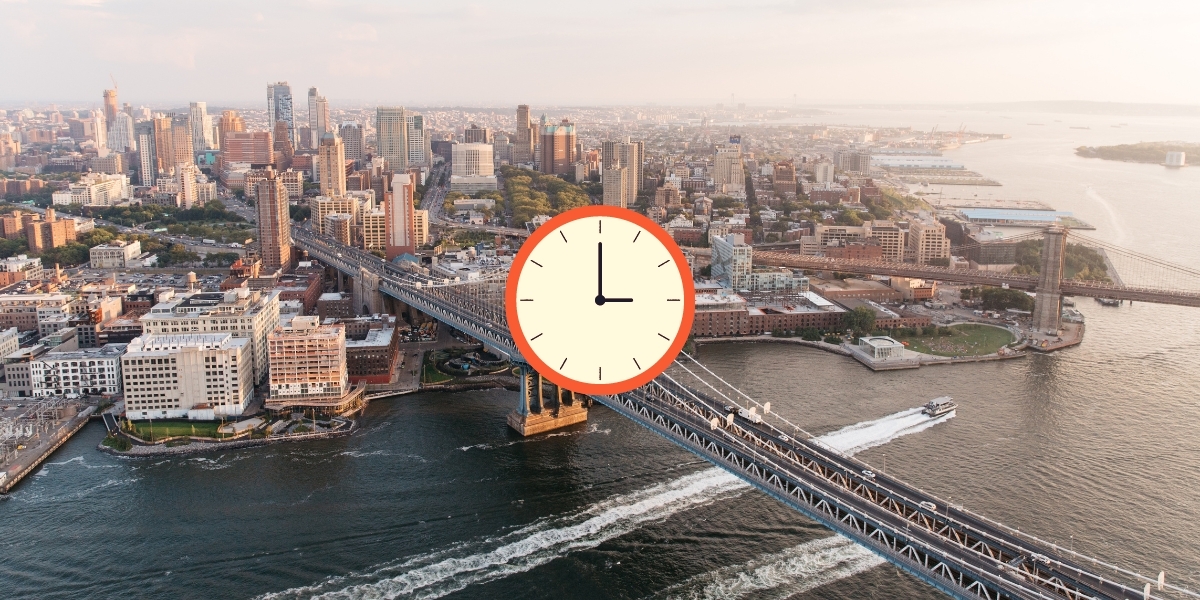
Practical Implications for Travelers
For anyone embarking on a trip to New York, the time zone has several practical implications:
- Jet Lag: Travelers arriving from time zones significantly different from EST/EDT should prepare for jet lag. Hydration, light meals, and adjusting sleep schedules gradually before arrival can help mitigate its effects.
- Flight Schedules: All flight times to and from JFK Airport, LaGuardia Airport, and Newark Liberty International Airport will be listed in local New York time. Double-check arrival and departure times against your home time zone.
- Meeting & Event Coordination: If you’re visiting for business or attending specific events, confirm all meeting times and deadlines in EST/EDT. This is especially vital for international video calls or conferences.
- Booking Timings: Whether it’s a restaurant reservation, a Broadway show, or a guided tour, all booking times will be in New York’s local time. Being late is often not an option, especially for popular attractions with strict entry times.
Time-Sensitive Experiences: Making the Most of Every Moment
In a city as vast and activity-rich as New York, time management is an art form. Every hour counts, and understanding optimal visiting times can dramatically enhance your travel experiences. From beating the crowds at iconic landmarks to securing a coveted table at a Michelin-starred restaurant, timing is everything.
Iconic Landmarks and Optimal Visiting Hours
New York City’s roster of famous places is unparalleled, but their popularity means crowds. Strategic timing can transform your visit from a hurried glance to a profound experience.
- Statue of Liberty & Ellis Island: These are best visited early in the morning, right when the first ferries depart from Battery Park. Not only will you experience cooler temperatures (especially in summer), but you’ll also avoid the peak mid-day rush, allowing for more contemplative exploration of these significant sites.
- Empire State Building & Top of the Rock: For breathtaking panoramic views, consider visiting just after opening or late in the evening. Sunset views from either observatory are spectacular but also the busiest. If you’re aiming for that golden hour shot, budget extra time for queues.
- Metropolitan Museum of Art (The Met) & Museum of Modern Art (MoMA): Weekday mornings are generally less crowded than weekends. Many museums also have late-night openings on specific days, offering a unique, often quieter, viewing experience. Check their official websites for the most current hours.
- Central Park: While Central Park is accessible 24/7, different times offer varied experiences. Early mornings are ideal for peaceful strolls or runs, while afternoons are bustling with street performers, picnickers, and various activities. Evening walks can be romantic but stick to well-lit, populated areas.
- 9/11 Memorial & Museum: This poignant site warrants a respectful visit. Mornings, shortly after opening, or later afternoons often see fewer visitors, allowing for a more reflective experience.
Culinary Adventures and Entertainment Schedules
New York’s reputation as a culinary capital and entertainment powerhouse is well-earned. But without precise timing, you might miss out on the best it has to offer.
- Dining Reservations: Popular New York restaurants, from trendy SoHo eateries to classic Midtown Manhattan steakhouses, often require reservations weeks, if not months, in advance. Utilize online booking platforms and secure your spots as soon as your travel dates are firm. Be aware that cancellations within 24-48 hours often incur a fee.
- Brunch Culture: Weekend brunch is a quintessential New York experience. Many establishments, particularly in areas like West Village or Williamsburg, have long queues. Arrive early, especially if you’re with a group, or choose lesser-known spots.
- Broadway Shows: Evening performances typically begin at 7:00 PM or 8:00 PM EST/EDT, with matinees on Wednesdays, Saturdays, and Sundays. It’s advisable to arrive at least 30 minutes before curtain time to find your seats and soak in the atmosphere. Booking tickets well in advance, especially for highly anticipated shows, is critical.
- Live Music & Comedy: New York’s vibrant nightlife scene offers countless options. Check venue websites for showtimes, which can vary wildly. Many smaller clubs have late-night sets, reflecting the city’s “never sleep” ethos.
Navigating Accommodation and Travel Logistics
Accommodation and internal travel are two areas where time management directly impacts both convenience and cost. Knowing the standard practices and how to optimize your schedule can lead to a smoother and more enjoyable stay.
Check-in, Check-out, and Beyond
Hotels, resorts, and apartments in New York typically adhere to standard check-in and check-out times, usually 3:00 PM or 4:00 PM for check-in and 11:00 AM or 12:00 PM for check-out.
- Early Arrivals/Late Departures: If your flight times don’t align with these standards, always communicate with your hotel in advance. Many establishments, from luxury Hilton properties to boutique accommodations, offer luggage storage facilities, allowing you to explore the city without your bags. Early check-in or late check-out might be available for an additional fee or depending on availability, particularly if you are a loyal member of a hotel loyalty program.
- Apartment Rentals: For long-term stays or vacation rentals, check-in and check-out procedures can be more flexible or more rigid depending on the host. Ensure you have clear instructions regarding key collection and return, especially if arriving late at night.
- Hotel Amenities: Be mindful of the operating hours for hotel amenities such as gyms, pools, and breakfast services. Many offer early morning or late-night access, but it’s always best to confirm upon arrival.
Beating the Clock: Transportation and Tours
New York City’s extensive public transportation system operates around the clock, but understanding peak hours is vital for efficient travel.
- Subway & Buses: While the subway runs 24/7, service frequency decreases dramatically during off-peak hours (late nights, early mornings). Weekday rush hours (roughly 7:00 AM-9:30 AM and 4:30 PM-7:00 PM) can see crowded trains and longer travel times. Plan your trips accordingly using real-time transit apps.
- Taxis & Ride-Shares: These are always available but can be affected by traffic, especially during rush hour in Midtown Manhattan. Surge pricing on ride-share apps is also more likely during peak demand times, such as after Broadway shows or during inclement weather.
- Guided Tours: Many organized tours (e.g., bus tours, walking tours, boat cruises) have set departure times. Arrive well in advance to check in and secure a good spot. Missing a departure time often means missing the tour entirely without a refund.
- Airport Transfers: Factor in significant travel time for airport transfers, particularly if you’re flying out during peak traffic hours or from airports like JFK or Newark which are further afield.
Lifestyle and Long-Term Stays: Adapting to New York Time
For those considering a longer stay or even relocation, adapting to New York’s temporal rhythm extends beyond just daylight saving changes. It’s about integrating into the daily life of this demanding yet rewarding city.
Business Hours and Social Calendars
New York’s professional and social scenes are deeply intertwined with its time zone.
- Workday Structure: Standard business hours are 9:00 AM to 5:00 PM, but many industries, particularly finance and media, operate well beyond these times. Early morning meetings or late-night calls are common for those with international clients.
- Retail & Services: Most retail stores in bustling areas like Fifth Avenue or SoHo generally open between 10:00 AM and 11:00 AM and close between 7:00 PM and 9:00 PM. Grocery stores and pharmacies often have extended hours, with some major chains offering 24/7 service.
- Social Engagements: Dinner invitations in New York tend to be later than in some other parts of the United States or the world, with 8:00 PM or 9:00 PM bookings being common. Happy hours typically run from 4:00 PM to 7:00 PM. New Yorkers value punctuality, but also understand that navigating the city can be unpredictable, so a few minutes’ grace is often granted.
Embracing the Local Pace
The constant movement of New York can be exhilarating but also overwhelming. For long-term residents or those on extended business stays, it’s crucial to find a balance.
- Time for Reflection: Despite the rush, New York offers numerous tranquil spaces, from quiet corners of Central Park to the serene High Line or the historic streets of Greenwich Village. Scheduling time for these peaceful moments can provide much-needed respite.
- Adapting to Seasonality: The city’s time also shifts with the seasons. Long summer days offer ample daylight for exploration, while shorter winter days mean many attractions close earlier, and the city becomes illuminated by festive lights after dark.
- Utilizing Off-Peak Hours: Smart New Yorkers learn to use off-peak hours to their advantage – running errands early, visiting popular spots during weekday afternoons, or enjoying quiet moments before the city fully awakens. This allows for a more relaxed and less congested experience of the city’s offerings.
Beyond the Clock: The Timeless Allure of New York
While understanding “what time it is” in New York, New York is fundamentally practical for travelers and residents alike, the city’s true allure transcends the ticking clock. It is a place where history meets innovation, where cultural diversity flourishes, and where every street corner tells a story. The Statue of Liberty stands timeless, the Empire State Building pierces the sky with enduring grace, and the spirit of Broadway continues to shine bright, regardless of the hour.
Whether you’re visiting for a whirlwind weekend getaway, a focused business trip, or considering a long-term stay, mastering the rhythm of New York’s clock is your first step to fully immersing yourself in this extraordinary destination. From efficiently navigating transportation and securing your ideal accommodation to savoring culinary delights and experiencing world-class entertainment, being in sync with New York Time empowers you to make every precious moment count. Embrace the pace, plan strategically, and prepare to be swept away by the city’s unparalleled energy and endless possibilities. The time to experience New York is now, and with this guide, you’re perfectly equipped to make the most of every second.
