
When planning an adventure to the vast and diverse expanse of Texas, USA, one might initially interpret the question “What time is it in Texas?” as a simple query about time zones. While that’s an essential starting point for any traveler, the true essence of the question expands far beyond the clock face. It delves into understanding the best time to visit, the rhythm of local life, the historical periods that shaped its iconic landmarks, and how to make every moment count in a state celebrated for its size, hospitality, and boundless experiences.
Texas is a land of vibrant contrasts, where bustling metropolises meet serene desert landscapes, and historic ranches stand testament to a rich cowboy heritage alongside cutting-edge space exploration. Whether you’re seeking a luxurious retreat, a budget-friendly family trip, or an immersive cultural experience, understanding the nuances of “time” in Texas is key to unlocking an unforgettable journey. From syncing your watch to the correct time zone to strategically planning your visit around seasonal events and daily rhythms, this guide will help you master the temporal landscape of the Lone Star State.
Understanding Texas Time Zones: More Than Just the Clock
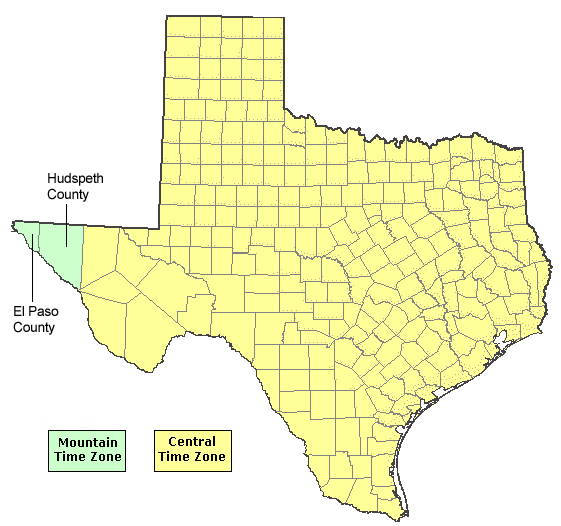
The geographical expanse of Texas is so vast that it actually spans two distinct time zones. While the majority of the state operates on Central Time, a small but significant portion adheres to Mountain Time. For travelers, understanding this distinction is crucial for coordinating flights, appointments, and daily itineraries without a hitch.
Central Time vs. Mountain Time: Where Texas Stands
The vast majority of Texas, including major cities like Houston, Dallas, Austin, and San Antonio, observes Central Standard Time (CST) during standard hours and Central Daylight Time (CDT) when daylight saving is in effect. This means that for most of your travels across the state, your clock will be set to CST (UTC-6) or CDT (UTC-5). This aligns Texas with much of the central USA, making coordination with neighboring states like Oklahoma, Louisiana, and Arkansas relatively straightforward.
However, a unique exception lies in the far western part of Texas. The city of El Paso, along with Hudspeth County to its east, operates on Mountain Standard Time (MST) and Mountain Daylight Time (MDT). This means that if you’re traveling from Dallas to El Paso, you’ll need to turn your clock back one hour upon arrival. This seemingly minor detail can have significant implications for flight schedules, hotel check-ins, and meeting times, particularly for business travelers or those on tight itineraries. Always double-check the local time for your specific destination within Texas to avoid any temporal missteps.
Optimizing Your Texas Travel: The Best Times to Visit
Beyond the literal ticking of the clock, “what time” in Texas also refers to the optimal seasons and periods for exploration. The state’s diverse climate and vibrant calendar of events mean that the “best time” to visit can vary significantly depending on your interests and preferred activities. From outdoor adventures to cultural festivals, understanding seasonal patterns is vital for an enjoyable trip.
Seasonal Splendors: When to Explore
- Spring (March to May): Widely considered one of the best times to visit Texas. The weather is generally mild and pleasant, perfect for exploring cities or hiking in national parks. This is also when the state’s iconic Bluebonnets and other wildflowers burst into bloom, transforming the Hill Country into a breathtaking tapestry of color. Festivals abound, celebrating everything from BBQ to music.
- Fall (September to November): Another fantastic season, offering comfortable temperatures for outdoor activities, particularly in regions like Big Bend National Park or the piney woods of East Texas. The oppressive summer heat subsides, making it ideal for exploring Dallas and Houston on foot. Fall also hosts major events like the State Fair of Texas in Dallas and numerous college football games, adding a vibrant energy to the state.
- Winter (December to February): While northern Texas can experience cold snaps and occasional ice, southern Texas and the Gulf Coast often enjoy mild, comfortable weather, making it an excellent escape from colder climates. This season is perfect for birdwatching, exploring coastal towns like Galveston, or enjoying festive holiday lights and markets in cities.
- Summer (June to August): Characterized by high temperatures and humidity, especially in July and August. While less ideal for extensive outdoor exploration in many areas, summer is perfect for water-based activities. Coastal areas like Galveston and Corpus Christi, or inland lakes, offer opportunities for swimming, boating, and beach relaxation. Many indoor attractions, such as Space Center Houston and the numerous museums in Houston’s Museum District and the Dallas Arts District, provide welcome relief from the heat. Theme parks like Six Flags Over Texas and waterparks like Schlitterbahn Waterpark are also popular during this time.
Avoiding the Crowds and Embracing Local Flavors
For those looking to avoid the peak tourist seasons, consider visiting in the shoulder months (late February/early March or late October/early November). You’ll often find better deals on accommodation and fewer crowds at popular attractions. This strategy allows for a more intimate experience of local culture, giving you more time to savor the renowned Tex-Mex cuisine, discover hidden gems, and engage with friendly locals.
Texas also boasts a year-round calendar of diverse events, from small-town rodeos to international music festivals. Austin, the “Live Music Capital of the World,” hosts South by Southwest (SXSW) in March and the Austin City Limits Music Festival in October, drawing huge crowds. Fort Worth kicks off the year with the historic Fort Worth Stock Show and Rodeo. Planning your trip around a specific interest can truly define your “time in Texas,” allowing for a deep dive into the state’s unique lifestyle.
Texas By the Clock: Crafting Your Ideal Itinerary
Making the most of your time in Texas means more than just knowing what time it is; it’s about strategically planning your days to experience the very best the state has to offer. From sunrise culinary delights to sunset entertainment, Texas offers a myriad of experiences that can be tailored to any schedule or interest.
From Sunrise to Sunset: Iconic Texas Experiences
- Morning: Start your day the Texan way. In Austin, grab authentic breakfast tacos, a local staple that exemplifies the city’s vibrant food scene. Early risers at Big Bend National Park can witness a stunning desert sunrise, painting the Chisos Mountains in fiery hues. For history buffs, a morning visit to The Alamo in San Antonio or the Sixth Floor Museum at Dealey Plaza in Dallas allows for reflection before the midday crowds arrive.
- Daytime: Midday in Texas is often best spent exploring its diverse attractions. Wander the historic San Antonio Riverwalk, taking in the charming shops and cafes. Dive into the wonders of space exploration at Space Center Houston, or immerse yourself in art and culture within the sophisticated Houston’s Museum District. For a taste of the Old West, the Fort Worth Stockyards National Historic District offers cattle drives, rodeos, and Western-themed shopping. Outdoor enthusiasts can hike the dramatic landscapes of Palo Duro Canyon State Park or the rugged trails of Guadalupe Mountains National Park.
- Evening: As the sun sets, Texas comes alive with evening entertainment. Catch live music on Sixth Street or the South Congress Avenue district in Austin. Enjoy a romantic dinner cruise along the San Antonio Riverwalk. Experience the thrill of a professional sports game in Dallas or Houston, or simply enjoy stargazing in the famously dark skies of West Texas. For families, waterfront entertainment at Kemah Boardwalk or Moody Gardens in Galveston offers delightful evening options.
Accommodation Choices Across the Clock
Your choice of accommodation can significantly shape your travel experience, from opulent resorts to charming boutique hotels. Texas offers an impressive array of options to suit every budget and style of travel.
- Luxury Resorts: For those seeking the ultimate in comfort and amenities, Texas boasts world-class resorts. The JW Marriott San Antonio Hill Country Resort & Spa offers golf, water parks, and spa services. The Gaylord Texan Resort & Convention Center in Grapevine provides a sprawling, self-contained experience with diverse dining and entertainment options, ideal for family trips or business stays.
- Boutique Hotels: For a more intimate and distinctive experience, boutique hotels offer unique character and personalized service. Hotel Emma at the Pearl Brewery in San Antonio is a prime example, blending historic architecture with modern luxury. In Austin, stylish options around South Congress Avenue provide direct access to the city’s vibrant arts and music scene.
- Budget-Friendly Options: Travelers on a budget will find a wealth of motels, chain hotels, and vacation rentals across the state, especially near major highways and tourist destinations. These options often provide essential amenities without compromising on location, making budget travel accessible.
- Unique Stays: For an authentic Texan experience, consider staying at a working ranch in the Hill Country, offering horseback riding, stargazing, and hearty country meals. Glamping sites provide a blend of outdoor adventure and comfort, while charming bed and breakfasts in historic towns like Fredericksburg offer a cozy, personalized touch. Whether you’re booking for a long-term stay or a quick weekend getaway, Texas has an accommodation option that fits your needs.
Making Every Moment Count: Practical Tips for Your Texas Adventure
To truly maximize your “time in Texas,” it’s essential to plan for the practicalities of travel, from getting around to immersing yourself in the local lifestyle. A well-prepared traveler will find navigating the Lone Star State to be a seamless and rewarding experience.
Navigating Texas: Travel and Transportation
Given the immense size of Texas, a car is often the most practical mode of transportation for exploring beyond city limits. Major interstates connect all major cities, though distances can be substantial. Renting a car provides the flexibility to explore scenic routes, charming small towns, and remote natural wonders like Padre Island National Seashore.
For air travel, Texas is served by several major international airports, including Dallas/Fort Worth International Airport (DFW), George Bush Intercontinental Airport (IAH) in Houston, Austin-Bergstrom International Airport (AUS), and San Antonio International Airport (SAT). These hubs offer extensive connections, making it easy to fly into the state from anywhere in the USA or internationally. Within cities, ride-sharing services and limited public transportation options are available, though a car is often still recommended for comprehensive exploration.
Embracing the Texan Lifestyle: Food, Culture, and Hospitality
No visit to Texas is complete without indulging in its legendary cuisine. From slow-smoked BBQ (a culinary pilgrimage to places like Franklin Barbecue in Austin or Snow’s BBQ in Lexington is a must) to spicy Tex-Mex and authentic Mexican cuisine, the food scene is as diverse as the state itself. Don’t forget to sample local wines from the thriving Texas Hill Country Wineries or cool off with a local craft beer.
The culture of Texas is deeply rooted in its history, reflecting influences from Native American tribes, Spanish colonizers, Mexican heritage, and Southern traditions. The friendliness and hospitality of Texans are legendary. Engage with locals, listen to their stories, and you’ll gain a deeper appreciation for the state’s unique character. Whether it’s the live music scene in Austin, the cowboy culture of Fort Worth, or the coastal charm of Galveston, each region offers a distinct flavor of Texan life.
When packing, remember the variability of Texas weather. Layers are key, especially during spring and fall when temperatures can fluctuate significantly from day to night. Sun protection is a must year-round, and comfortable walking shoes are essential for exploring cities and natural parks.
The Timeless Allure of Texas Landmarks
Texas is dotted with landmarks that tell stories spanning centuries, embodying the spirit of its people and the grandeur of its landscapes. Exploring these sites is a journey through different “times” in history, offering profound insights into the state’s past and present.
Historical Echoes and Natural Wonders
- Historic Sites: Begin with The Alamo in San Antonio, an enduring symbol of Texan independence. Nearby, the UNESCO World Heritage-listed Mission San José and other San Antonio Missions offer a glimpse into the Spanish colonial era. Travel to Goliad to visit Presidio La Bahía, another significant site in the Texas Revolution. In Austin, the majestic Texas State Capitol building is a testament to the state’s political history and architectural grandeur. For those interested in presidential history, the George W. Bush Presidential Center in Dallas offers engaging exhibits.
- Cultural and Scientific Hubs: In Houston, Space Center Houston is the official visitor center for NASA Johnson Space Center, offering an incredible journey through space exploration, from the Apollo missions to future endeavors. The Dallas Arts District is home to world-class museums and performance venues, including the Dallas Museum of Art and the Nasher Sculpture Center. Meanwhile, Fredericksburg hosts the excellent National Museum of the Pacific War, honoring the sacrifices of World War II.
- Natural Wonders: Texas’ natural landmarks are equally captivating. Big Bend National Park, a remote and rugged gem, offers unparalleled hiking, river trips along the Rio Grande, and some of the darkest night skies in North America. Palo Duro Canyon State Park, the second-largest canyon in the USA, provides stunning geological formations and opportunities for camping and trail riding. Guadalupe Mountains National Park is home to the four highest peaks in Texas, including Guadalupe Peak, offering challenging hikes and breathtaking views. For a quirky roadside attraction, the iconic Cadillac Ranch near Amarillo stands as a monument to American car culture and public art. East Texas offers the diverse ecosystems of Big Thicket National Preserve, a biodiverse “biological crossroads.”
In conclusion, “What time is it in Texas, USA?” is a multifaceted question that invites travelers to consider not just the hour on the clock, but the optimal season for their interests, the daily rhythms of exploration, and the rich tapestry of history and culture that defines this extraordinary state. By understanding its time zones, planning for seasonal variations, and thoughtfully crafting your itinerary, you can make every moment count in the Lone Star State, ensuring a travel experience filled with discovery, excitement, and true Texan hospitality.
LifeOutOfTheBox is a participant in the Amazon Services LLC Associates Program, an affiliate advertising program designed to provide a means for sites to earn advertising fees by advertising and linking to Amazon.com. Amazon, the Amazon logo, AmazonSupply, and the AmazonSupply logo are trademarks of Amazon.com, Inc. or its affiliates. As an Amazon Associate we earn affiliate commissions from qualifying purchases.