
Planning an unforgettable journey to the vast, wild beauty of Alaska requires careful consideration of many factors, not least of which is understanding its unique time zones. For travelers coming from the lower 48 states or international destinations, the difference in time can significantly impact flight schedules, tour bookings, and even how you experience the state’s extreme light cycles. Knowing “What time is Alaska?” is more than just a trivial detail; it’s a fundamental piece of information for a seamless and enjoyable Alaskan adventure.
Understanding Alaska’s Unique Time Zones
Alaska, due to its immense geographical spread, primarily operates on one main time zone but has a crucial exception for its westernmost islands. This detail is vital for travelers making their way across the state.

Alaska Standard Time (AKST) Explained
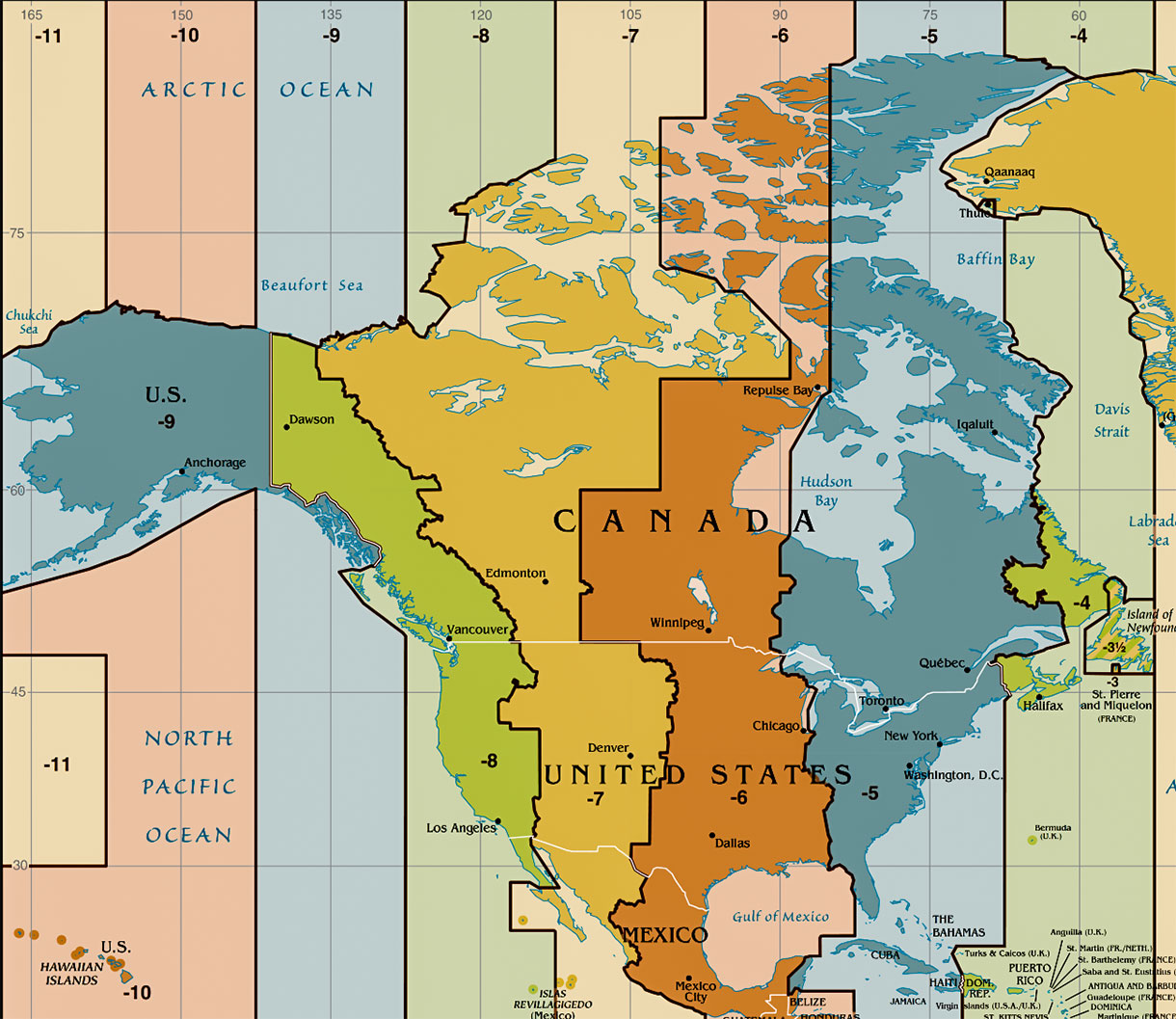
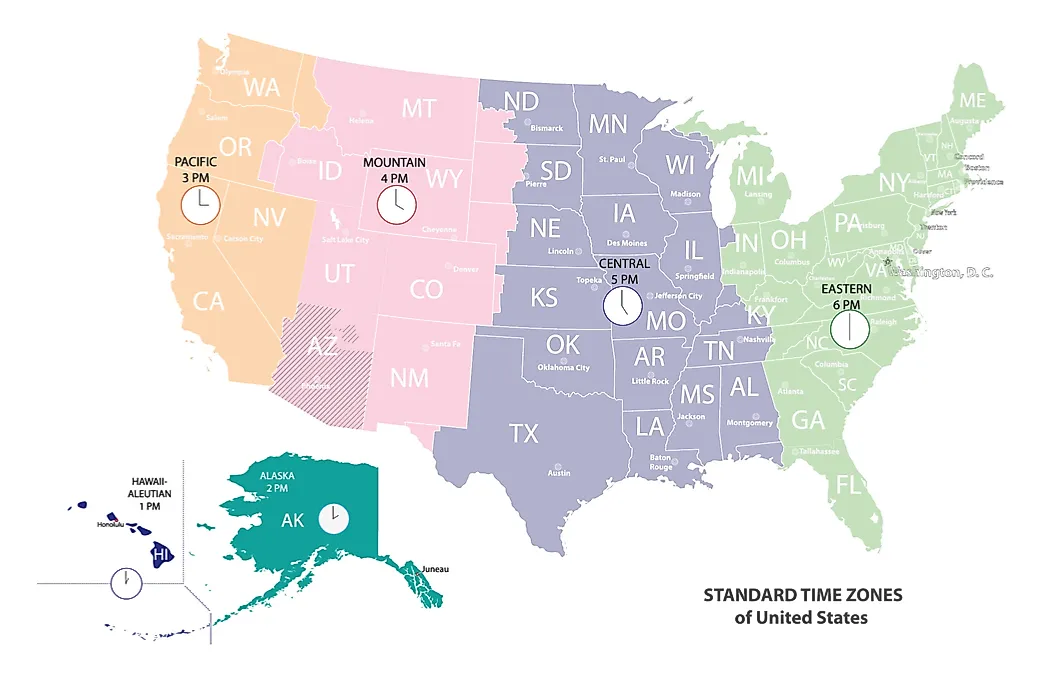
The majority of Alaska, including major cities like Anchorage, Fairbanks, and Juneau, observes Alaska Standard Time (AKST). This time zone is UTC-9 during standard time. To put this into perspective for most North American travelers, Alaska is:
- Four hours behind the Eastern Time Zone (ET)
- Three hours behind the Central Time Zone (CT)
- Two hours behind the Mountain Time Zone (MT)
- One hour behind the Pacific Time Zone (PT)
This time difference means that if it’s noon in New York City, it’s 8 AM in Anchorage. For those flying in, this immediate shift can feel significant, impacting everything from initial flight connections to the timing of your first meal in the Last Frontier.
Daylight Saving Time Considerations
Like most of the United States, Alaska observes Daylight Saving Time (DST). From the second Sunday in March to the first Sunday in November, the state switches to Alaska Daylight Time (AKDT), which is UTC-8. During this period, the time difference with other U.S. time zones remains the same as during standard time (e.g., Alaska is still four hours behind ET), as all participating zones adjust their clocks.
However, there’s a unique wrinkle for the far western reaches of the state. The Aleutian Islands west of 172°W longitude observe Hawaii-Aleutian Standard Time (HST) at UTC-10, and Hawaii-Aleutian Daylight Time (HADT) at UTC-9 during DST. This means a traveler venturing to these remote islands will be an additional hour behind the rest of mainland Alaska. While not a common destination for all tourists, it’s a detail worth noting for those planning extreme expeditions or connecting flights in these regions. Always double-check the local time for your specific destination, especially if it’s off the beaten path.
Planning Your Alaskan Adventure Around the Clock
Understanding Alaska’s time zones is foundational for effective travel logistics. From coordinating flights to maximizing your daylight hours, time plays a pivotal role in shaping your Alaskan experience.
Flights and Travel Logistics
The time difference can significantly affect your arrival and departure days. Flights often arrive late in the evening local time in Alaska if you depart from the East Coast in the morning. This might mean arriving at your accommodation later than expected, which could impact check-in processes or your ability to settle in immediately. When booking flights, pay close attention to the arrival time in AKST/AKDT and factor in ground transportation from airports like Ted Stevens Anchorage International Airport to your lodging. Similarly, when departing, calculate how the time zone change will affect your arrival back home and any subsequent connections. Allowing for extra buffer time, especially for international connections, is always a wise strategy.
Booking Tours and Activities
Most tours and activities in Alaska operate on the local time, whether it’s a whale watching cruise in Seward, a glacier hike in Juneau, or a bush plane tour over Denali National Park. When pre-booking excursions from a different time zone, it’s crucial to confirm the departure times in Alaska local time to avoid missing your scheduled activity. Early morning tours, for instance, might feel exceptionally early if your body clock is still on East Coast time. Conversely, late-night tours to catch the Northern Lights in winter might align better with your internal clock. Always confirm with tour operators and use a reliable time zone converter when planning your itinerary.
Adjusting to the Alaskan Day-Night Cycle
Beyond the standard time zones, Alaska’s extreme latitudes profoundly affect the length of day and night, especially during summer and winter. This unique characteristic is arguably more impactful for travelers than the UTC offset itself.
In summer, especially around the Summer Solstice (June 21st), many parts of Alaska experience the phenomenon of the Midnight Sun. North of the Arctic Circle, the sun literally doesn’t set for weeks or even months. Even in Anchorage or Fairbanks, daylight can last 19-20 hours, with twilight persisting through the “night.” This continuous daylight can be disorienting for travelers. Your internal clock might signal bedtime, but the bright sky suggests otherwise, making it challenging to fall asleep. Conversely, during winter, particularly around the Winter Solstice, daylight hours are severely limited, with only 5-6 hours of weak daylight in southern Alaska and prolonged darkness further north. These extreme light conditions require conscious adjustment and planning.
Time and Light: Experiencing Alaska’s Extreme Seasons
The interplay of time zones and natural light cycles defines the Alaskan travel experience, offering distinct advantages and challenges depending on the season.
Summer Solstice and the Midnight Sun
Traveling to Alaska in summer is an experience bathed in the glow of the Midnight Sun. The extended daylight hours, stretching well into what would be traditional nighttime, provide an incredible opportunity to maximize your exploration. Imagine hiking through Chugach Mountains at 10 PM, fishing in Homer as the clock ticks past midnight, or enjoying a late-night wildlife cruise in Kenai Fjords National Park – all under bright, natural light. This extra light essentially gives you more “day” within a single calendar day, allowing for more activities without feeling rushed.
However, this constant daylight can disrupt sleep patterns. Travelers often find it difficult to fall asleep when the sun is still high in the sky. To combat this, packing an eye mask is essential. Many Alaskan hotels and accommodations are also equipped with blackout curtains to help guests simulate night. Embracing the extended daylight for exploration and using tools to enforce sleep can help you make the most of this unique seasonal phenomenon.
Winter Darkness and the Northern Lights
Winter in Alaska presents a different temporal challenge and reward. With significantly fewer daylight hours, especially in northern regions like the North Slope or near the Arctic Circle, your daytime activities might be limited to short windows. However, the prolonged darkness creates the perfect canvas for viewing the spectacular Northern Lights (Aurora Borealis). Cities like Fairbanks are renowned for their prime aurora viewing opportunities, which often occur late at night or in the very early morning hours.
For winter travel, adjusting to the reduced daylight means planning your outdoor adventures during the brief daylight window and reserving your evenings for indoor comforts, cultural experiences, or aurora hunting. The time zone difference might initially make early morning starts feel a bit less jarring, as 7 AM Alaska time corresponds to later hours in your home time zone. This makes it easier to stay up late to chase the aurora. Dressing in layers and staying warm are crucial for these late-night excursions.
Essential Travel Tips for Alaska Time
Navigating Alaska’s time zones and unique light conditions requires a few practical travel tips to ensure your trip is as smooth and enjoyable as possible.
Packing for Varying Light Conditions
An eye mask is a non-negotiable item for summer travel to Alaska. Even if your accommodation has blackout curtains, a personal eye mask offers an extra layer of defense against the relentless daylight. For photographers, a tripod is crucial for capturing stunning images of the Midnight Sun or the Northern Lights during the low light conditions of “night” in summer or the extended darkness of winter. Layers of clothing are always recommended for Alaska, but consider how the constant daylight in summer might make you feel more energized and active, leading to longer days outdoors. In winter, prepare for cold temperatures, especially during aurora viewing sessions that can extend late into the night.
Managing Jet Lag
The significant time difference for many travelers flying into Alaska can lead to jet lag. To minimize its effects:
- Adjust gradually: If possible, start shifting your sleep schedule by an hour or two each day in the days leading up to your trip.
- Hydrate: Drink plenty of water before, during, and after your flight.
- Avoid excessive caffeine and alcohol: While tempting, these can disrupt your sleep cycle further.
- Embrace the daylight: Once you arrive, try to expose yourself to natural light as much as possible during Alaska’s daytime hours to help reset your circadian rhythm. Conversely, use blackout curtains and eye masks to simulate night and aid sleep.
- Stay active: Gentle activity can help your body adjust, but avoid strenuous exercise right before bed.
Staying Connected Across Time Zones
Communicating with family and friends back home requires careful planning. If you’re calling someone on the East Coast from Anchorage, remember they are four hours ahead. A call placed at 6 PM AKDT is 10 PM ET, potentially too late for some. Scheduling calls during Alaska’s morning hours (e.g., 9 AM AKDT is 1 PM ET) often works best to catch people during their afternoon. Setting your phone to automatically update its time zone is usually sufficient, but always double-check the local time, especially if you’re venturing into the Aleutian Islands or communicating with operators across different time zones.
Ultimately, “What time is Alaska?” is a question with a nuanced answer that goes beyond just a UTC offset. It encompasses the profound influence of latitude on daylight, shaping your travel experiences from booking flights to witnessing the Northern Lights or enjoying the endless summer days. By understanding and preparing for these temporal realities, your journey through the grand wilderness of Alaska will be even more magnificent.
LifeOutOfTheBox is a participant in the Amazon Services LLC Associates Program, an affiliate advertising program designed to provide a means for sites to earn advertising fees by advertising and linking to Amazon.com. Amazon, the Amazon logo, AmazonSupply, and the AmazonSupply logo are trademarks of Amazon.com, Inc. or its affiliates. As an Amazon Associate we earn affiliate commissions from qualifying purchases.