
For travelers planning an unforgettable journey to the American Southwest, understanding the local time in Arizona is more than just a trivial detail; it’s a crucial piece of information that can impact everything from flight connections and tour bookings to dinner reservations and sunrise hikes. Often, visitors are surprised to discover that Arizona marches to the beat of its own drum when it comes to time, adhering to a unique system that sets it apart from many other states in the United States. This distinct approach to time, combined with its breathtaking natural wonders, vibrant cities, and rich cultural tapestry, makes Arizona an enthralling destination for all types of adventurers.
This comprehensive guide will not only clarify Arizona’s time zone intricacies but also serve as your ultimate resource for planning a seamless and enriching travel experience. From iconic landmarks and diverse accommodation options to immersive tourism activities and insightful lifestyle tips, prepare to uncover all that the Grand Canyon State has to offer.

Arizona’s Unique Relationship with Time: A Traveler’s Guide
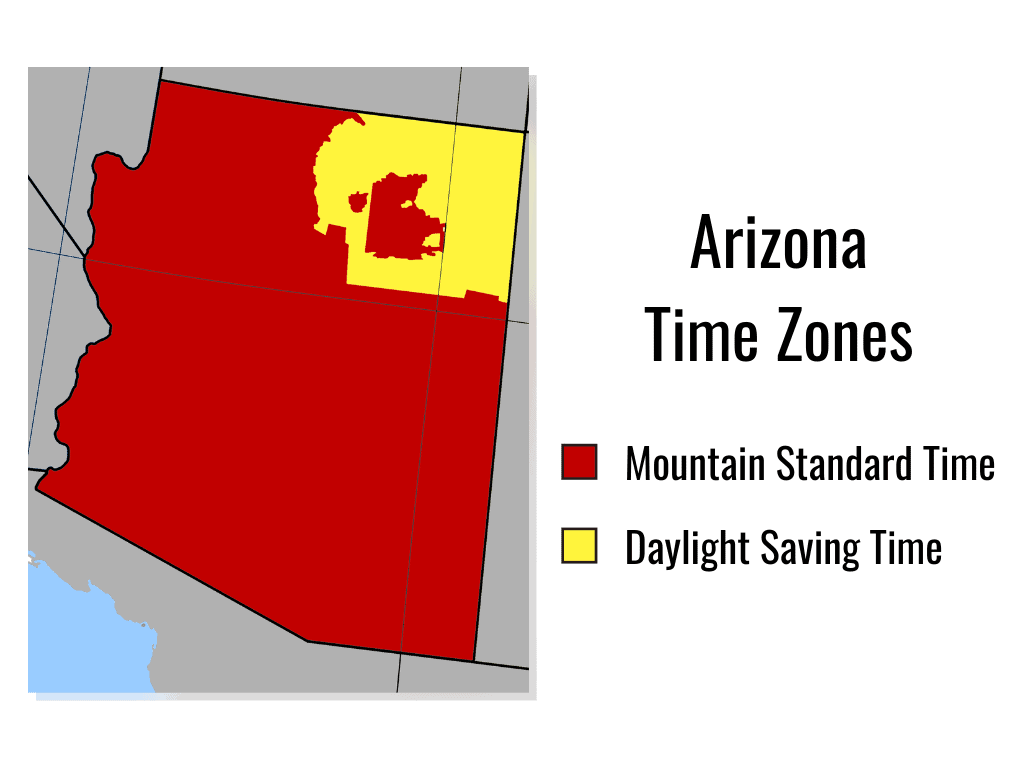
One of the most common questions posed by visitors to the Copper State is about its current time. The answer, while seemingly straightforward, holds a fascinating quirk: Arizona largely observes Mountain Standard Time (MST) year-round, famously opting out of Daylight Saving Time (DST). This means that for a significant portion of the year, particularly during the spring and summer months, Arizona’s time differs from many of its neighbors.
Standard Time All Year Round: No Daylight Saving Here
The decision to forego Daylight Saving Time dates back decades and is primarily rooted in practical considerations related to the state’s extreme summer heat. By not advancing clocks an hour, Arizona avoids an additional hour of evening sunlight, which in turn means less need for air conditioning and slightly cooler temperatures during peak leisure hours. This commitment to Mountain Standard Time (GMT-7) ensures consistency throughout the year, removing the annual confusion of “springing forward” or “falling back.”
There is, however, one notable exception within the state: the Navajo Nation. Spanning parts of northeastern Arizona, Utah, and New Mexico, the Navajo Nation does observe Daylight Saving Time to align with the rest of its tribal lands and surrounding states. This means that if your travel plans include venturing into areas like Monument Valley or Antelope Canyon, you’ll need to account for this one-hour time difference when Daylight Saving Time is in effect (typically from March to November).

Navigating Time Differences for Travelers
Understanding this unique time zone dynamic is paramount for seamless travel planning. During the winter months (roughly November to March), Arizona is on the same time as Mountain Standard Time states like Colorado and New Mexico. It is also one hour ahead of Pacific Standard Time states like California and Nevada.
However, when Daylight Saving Time begins, the situation shifts:
- Arizona becomes the same time as Pacific Daylight Time (PDT) states (e.g., California, Nevada). This means if you’re flying in from Los Angeles or Las Vegas, there’s no time change to worry about from March to November.
- Arizona will be one hour behind Mountain Daylight Time (MDT) states.
- Arizona will be three hours behind Eastern Daylight Time (EDT) states.
Always double-check your flight times, tour schedules, and reservation confirmations against Arizona’s specific timekeeping, especially if crossing state lines or entering the Navajo Nation. A quick search for “current time in Phoenix” on your arrival day will always provide the definitive answer and save you from any missed connections or appointments.
Why Visit Arizona? A Land of Diverse Attractions and Experiences
Beyond its peculiar time zone, Arizona captivates millions of travelers each year with its unparalleled natural beauty, vibrant urban centers, and a rich tapestry of cultural and historical offerings. It’s a state where the desert blooms, mountains soar, and ancient cultures thrive, providing an endless array of destinations and attractions for every taste and budget.
Iconic Natural Wonders: Grandeur Unleashed
The crown jewel of Arizona, and arguably one of the most famous landmarks in the world, is the Grand Canyon. This colossal chasm, carved by the Colorado River over millions of years, offers breathtaking vistas, challenging hiking trails, and unforgettable opportunities for rafting and helicopter tours. Whether you choose the bustling South Rim for its accessibility and classic views or the more secluded North Rim for a quieter experience, the Grand Canyon is a sight that truly puts life into perspective.
But Arizona’s natural splendor extends far beyond this marvel. The striking Red Rocks of Sedona invite visitors to explore a landscape infused with spiritual energy, stunning hiking trails, and world-class spas. Sedona is not just a geological wonder but a hub for wellness and artistic expression, making it a perfect retreat. Further north, near Page, you’ll find the mesmerizing slot canyons of Antelope Canyon, where light dances through sculpted sandstone, creating an otherworldly photographic paradise. Guided tours with local Navajo guides are essential for experiencing this sacred site.
In southern Arizona, the majestic Saguaro National Park preserves vast forests of the iconic saguaro cactus, symbols of the Sonoran Desert. Here, you can hike, bike, or drive through a landscape unlike any other, witnessing the unique flora and fauna that thrive in this arid environment. For a journey back in time, Petrified Forest National Park showcases ancient fossilized trees and vibrant badlands, offering a glimpse into prehistoric Arizona.
Vibrant Cities and Cultural Experiences
Arizona’s urban centers offer a compelling contrast to its wild landscapes. Phoenix, the state capital and a bustling metropolis, is a hub for business, lifestyle, and tourism. It boasts world-class museums, botanical gardens, and a thriving culinary scene. Its neighbor, Scottsdale, is synonymous with luxury, offering high-end resorts, championship golf courses, and upscale shopping in areas like Old Town Scottsdale. Glendale, Tempe, and Mesa also contribute to the expansive Phoenix metropolitan area, each offering unique attractions from collegiate sports to cultural festivals.
To the south, Tucson combines a rich Spanish colonial heritage with a vibrant arts scene and a laid-back desert charm. Home to the University of Arizona and designated a UNESCO City of Gastronomy, Tucson is a culinary hotspot known for its unique blend of Mexican and Native American flavors. History buffs will appreciate the preserved missions and historic districts.
For those seeking a cooler climate and a taste of the mountains, Flagstaff serves as the gateway to the Grand Canyon and offers a distinctly different vibe. Nestled among pine forests at the base of the San Francisco Peaks, Flagstaff is perfect for winter sports enthusiasts, stargazers (it’s a Dark Sky City), and hikers looking to explore volcanic landscapes. This city also sits along the historic Route 66, adding a nostalgic touch to any road trip.
Planning Your Arizona Adventure: Accommodation and Lifestyle
A trip to Arizona is about crafting an experience that perfectly matches your desires, whether you’re seeking opulent relaxation, rugged outdoor adventure, or a family-friendly escape. The state’s diverse offerings extend to its wide range of accommodation options and countless lifestyle activities.
Choosing Your Stay: From Luxury Resorts to Budget-Friendly Options
Arizona excels in providing diverse hotels and lodging experiences. For those indulging in luxury travel, cities like Scottsdale and Sedona are home to world-renowned resorts and spas. Imagine staying at a Four Seasons Scottsdale with panoramic desert views, indulging in gourmet dining, and unwinding by an infinity pool. Many of these resorts offer expansive suites, championship golf courses, and exquisite amenities designed for ultimate relaxation and rejuvenation.
For family trips or those seeking a more integrated experience, vacation rentals, including spacious apartments and villas, are abundant, particularly in popular tourist areas. These options often come with full kitchens and multiple bedrooms, perfect for longer stays or larger groups. Boutique hotels in Old Town Scottsdale or downtown Tucson offer unique charm and personalized service, often reflecting local architecture and culture.
Travelers on a budget travel plan will find plenty of affordable hotels, motels, and even camping opportunities, especially near national parks and forests. Booking in advance is always recommended, particularly during peak seasons (spring and fall), and checking reviews can help ensure a quality stay regardless of your price point. Consider utilizing comparison sites to find the best deals.
Culinary Delights and Local Flavors
Arizona’s culinary scene is a delightful fusion of Southwestern, Mexican, and Native American influences, often incorporating fresh, local ingredients. From authentic Sonoran hot dogs in Tucson to upscale farm-to-table dining in Phoenix and Scottsdale, foodies will be spoiled for choice. Don’t miss trying prickly pear cactus creations, green chile stews, and traditional fry bread. Many resorts also feature award-winning restaurants that elevate regional flavors into gourmet experiences. Exploring farmers’ markets is another fantastic way to engage with the local food culture.
Activities and Experiences for Every Traveler
Whether you’re an adrenaline junkie, a culture enthusiast, or simply seeking relaxation, Arizona delivers.
- Outdoor Adventures: Hiking in the Grand Canyon or Sedona, mountain biking, rock climbing, white-water rafting on the Colorado River, hot air balloon rides over the desert, and off-road ATV tours are just a few of the options.
- Wellness and Relaxation: The spa resorts of Scottsdale and Sedona are renowned for their rejuvenating treatments, often incorporating indigenous ingredients and desert-inspired therapies. Yoga retreats are also popular, particularly in the tranquil settings of Sedona.
- Culture and History: Explore Native American heritage at the Heard Museum in Phoenix or visit ancient cliff dwellings like Montezuma Castle. Wander through historic Old Town Scottsdale or the preserved streets of Bisbee, a historic mining town.
- Family Fun: From zoos and aquariums in Phoenix to horseback riding adventures and stargazing tours, there are countless kid-friendly activities to keep everyone entertained. Theme parks and water parks also offer refreshing breaks from the desert heat.
- Business Stays: For those on business stays, Phoenix offers a robust convention center, numerous corporate hotels, and easy access to Phoenix Sky Harbor International Airport. Many resorts also cater to corporate events with state-of-the-art facilities.
Practical Tips for a Seamless Arizona Trip
Beyond knowing the time, a few practical tips can significantly enhance your Arizona adventure.
Best Time to Visit and Weather Considerations
The ideal time to visit Arizona largely depends on your desired activities. The shoulder seasons of spring (March to May) and fall (September to November) generally offer the most pleasant weather statewide, with warm days and cool evenings, perfect for outdoor exploration. This is also peak season for tourism, so expect higher prices and larger crowds.
Winter (December to February) brings mild temperatures to the southern deserts, making it an excellent escape from colder climates. Northern Arizona, however, experiences true winter with snow and opportunities for skiing near Flagstaff.
Summer (June to August) in the desert regions, particularly Phoenix and Tucson, is characterized by intense heat, with temperatures often exceeding 100°F (38°C). While many resorts offer fantastic deals during this off-peak time, and swimming pools become essential, outdoor activities are best scheduled for early mornings or evenings. Summer is also monsoon season, bringing dramatic thunderstorms and flash floods, especially in July and August. Always carry plenty of water, wear sun protection, and be aware of weather forecasts.
Transportation and Getting Around
Renting a car is highly recommended for exploring Arizona, as many of its premier attractions are spread out. Major cities like Phoenix and Tucson have international airports (Phoenix Sky Harbor International Airport being the largest) and offer various car rental options. For long distances, driving is straightforward, with well-maintained highways connecting key destinations.
Within cities, ride-sharing services and taxis are readily available. Phoenix also has a light rail system connecting downtown with Tempe and Mesa. For those planning tours to specific sites like the Grand Canyon or Antelope Canyon, many companies offer guided bus tours that depart from major cities, providing convenient transportation and expert commentary. Always consider the vast distances between Arizona’s landmarks and factor travel time into your itinerary.
In conclusion, while “What time is Arizona now?” might seem like a simple question, it opens the door to a deeper understanding of this incredible state. Its consistent adherence to Mountain Standard Time is just one of the many unique characteristics that make Arizona a memorable place to visit. By keeping its time zone in mind and leveraging the diverse offerings in travel, hotels, tourism, accommodation, landmarks, and lifestyle, you’re set to embark on an adventure that promises stunning landscapes, rich culture, and experiences that will last a lifetime.
LifeOutOfTheBox is a participant in the Amazon Services LLC Associates Program, an affiliate advertising program designed to provide a means for sites to earn advertising fees by advertising and linking to Amazon.com. Amazon, the Amazon logo, AmazonSupply, and the AmazonSupply logo are trademarks of Amazon.com, Inc. or its affiliates. As an Amazon Associate we earn affiliate commissions from qualifying purchases.