
Florida, affectionately known as the Sunshine State, is a beacon for travelers worldwide, drawing millions to its pristine beaches, vibrant cities, and world-class attractions. From the magical theme parks of Orlando to the historic streets of St. Augustine and the sun-drenched shores of Miami, Florida offers an unparalleled diversity of experiences. Yet, amidst the excitement of planning an unforgettable journey, a seemingly simple question often arises, one that holds surprising complexity and significant implications for your trip: “What time is it in Florida?” The answer, as many discover, isn’t a singular one, primarily because the state spans more than one time zone. Understanding this geographical nuance is paramount for seamless travel logistics, punctual appointments, and ultimately, maximizing every precious moment of your Florida adventure.
Navigating Florida’s Time Zones: A Traveler’s Essential Guide
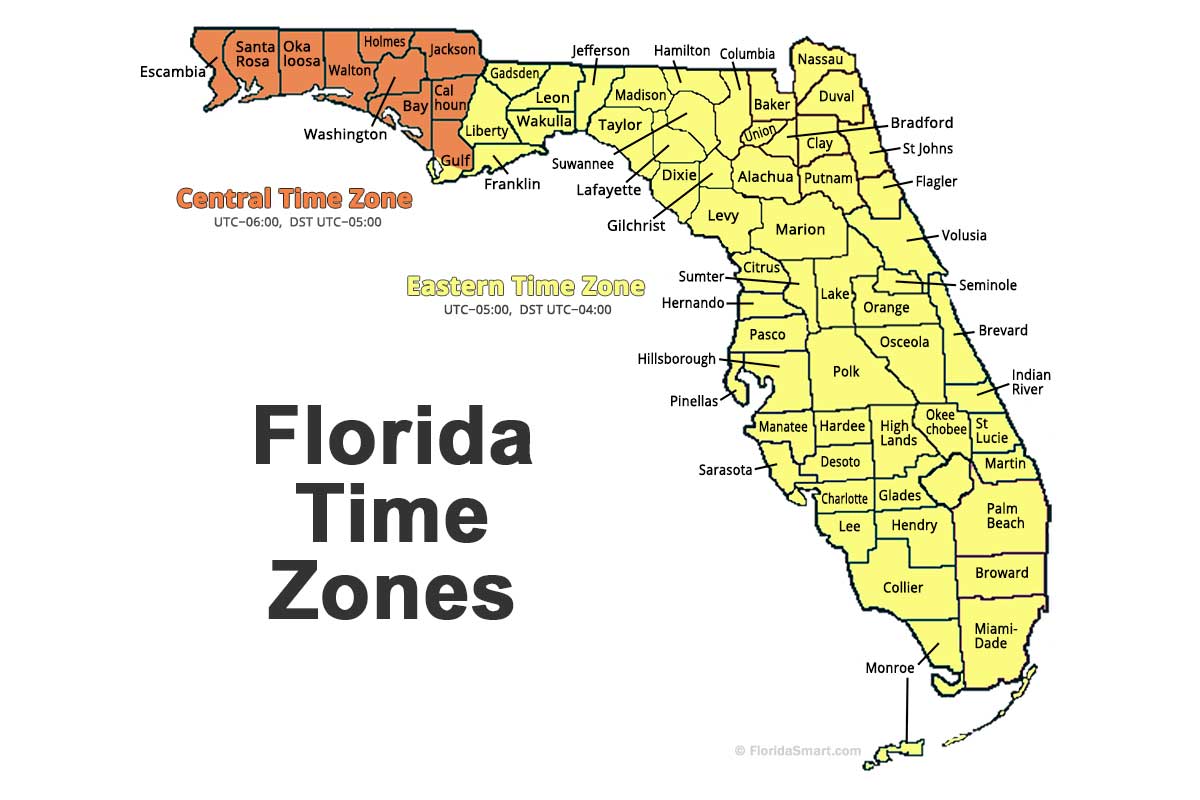
Florida’s unique elongated shape and westward extension into the Gulf of Mexico mean that while most of the state operates on a single time zone, a significant portion of its western Panhandle observes a different one. This split can easily catch unsuspecting travelers off guard, making it crucial to grasp the specific boundaries and implications.
Eastern Standard Time (EST) / Eastern Daylight Time (EDT): The Sunshine State’s Primary Clock
The vast majority of Florida, encompassing its most populous cities, iconic tourist destinations, and lengthy coastlines, adheres to the Eastern Time Zone. This means that for much of the year, during Standard Time, clocks are set to Coordinated Universal Time minus five hours (UTC-5), known as Eastern Standard Time (EST). When Daylight Saving Time is in effect, typically from early March to early November, the clocks spring forward by one hour, observing Eastern Daylight Time (EDT), which is UTC-4.
This time zone governs the pulsating life of major hubs like Miami, the global entertainment capital of Orlando, the bustling metropolis of Jacksonville, and the vibrant shores of Tampa. It also includes popular vacation spots such as the Florida Keys, the upscale charm of Palm Beach, and the cosmopolitan allure of Fort Lauderdale. For travelers whose itineraries focus on these areas, all flight schedules, hotel check-in times, theme park openings – from the sprawling Walt Disney World Resort to the thrilling Universal Orlando Resort – and restaurant reservations will be based on EST or EDT. Awareness of Daylight Saving Time transitions is particularly important, as the shift can affect arrival times for international or interstate travelers, potentially causing confusion if not accounted for.
The Panhandle’s Peculiarity: Central Standard Time (CST) / Central Daylight Time (CDT)
Venturing into the westernmost reaches of the Florida Panhandle unveils a distinct time zone: the Central Time Zone. This region observes Central Standard Time (CST) during the standard period (UTC-6) and Central Daylight Time (CDT) when Daylight Saving Time is active (UTC-5). The practical implication for travelers is a one-hour difference compared to the rest of Florida; the Panhandle is always one hour behind the Eastern Time Zone.
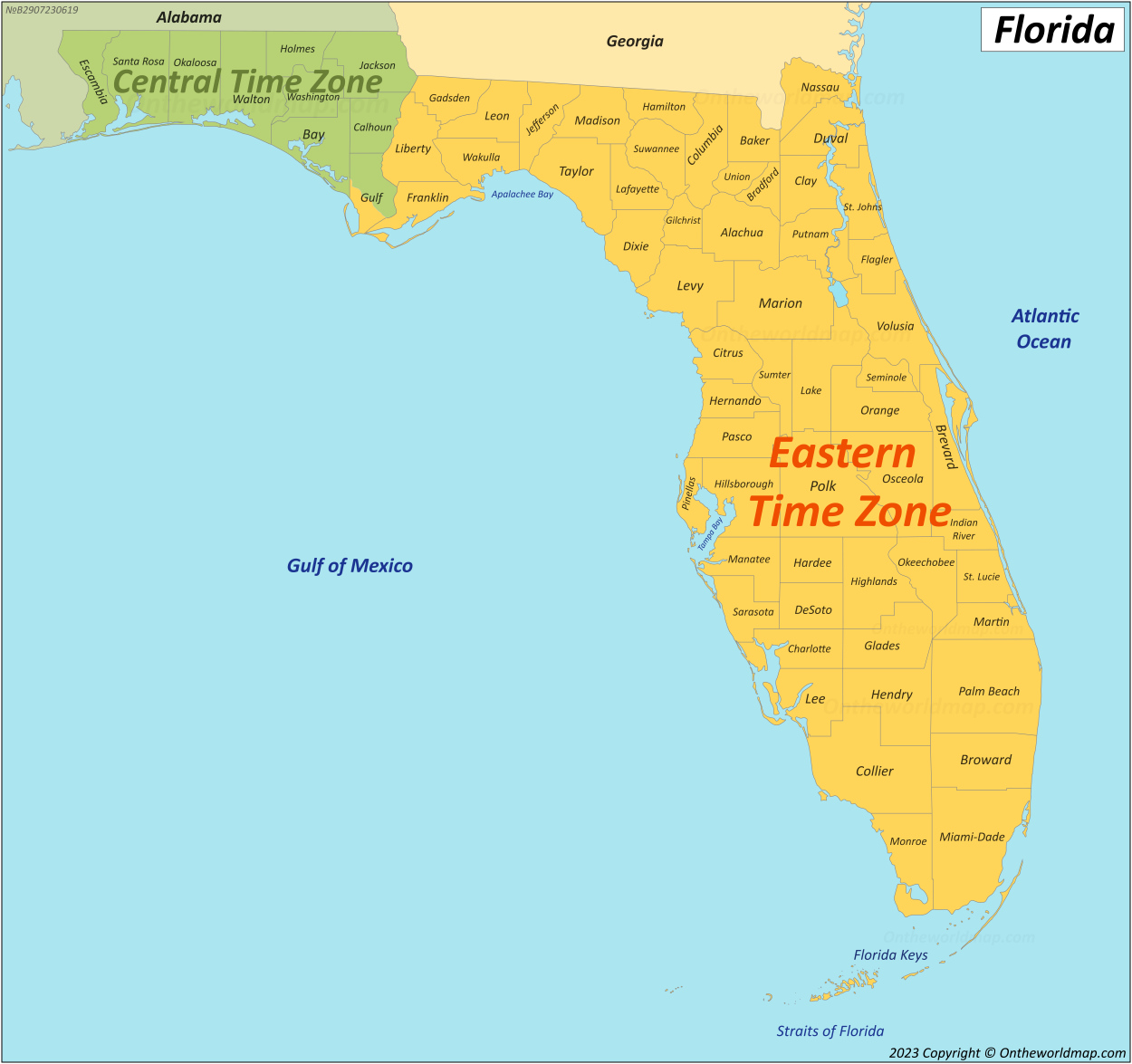
The counties that fall within this Central Time Zone include Escambia County, Santa Rosa County, Okaloosa County, Walton County, and Bay County. Additionally, parts of Gulf County and Franklin County also observe Central Time, though the exact demarcation can be intricate. Key destinations within this zone include the historical city of Pensacola and the popular resort area of Panama City Beach. For those traveling between the main peninsula and these Panhandle regions, or vice versa, it is vital to adjust your internal clock and external devices. Missing a flight, a guided tour, or an important meeting by an hour due to this time zone shift is a common, yet entirely avoidable, pitfall.
The Intra-State Time Zone Line: Where the Clocks Change
The precise line where Florida transitions from the Eastern Time Zone to the Central Time Zone runs roughly along the Apalachicola River, meandering south towards the Gulf of Mexico. For example, the city of Port St. Joe in Gulf County is famously split, with a portion of the city in Eastern Time and another in Central Time. This invisible yet impactful boundary creates a unique scenario where driving a relatively short distance westward can literally transport you into a different hour.
Travelers should be particularly mindful when their itineraries involve crossing this boundary. For instance, if you’re driving from Tallahassee (Eastern Time) to Pensacola (Central Time), you’ll gain an hour. Conversely, driving eastward from Panama City Beach to Gainesville will mean losing an hour. Awareness of this geographical division, often marked by subtle signage on highways, ensures you set your watch, smartphone, and internal clock correctly, preventing any scheduling mishaps and allowing for a smooth transition as you explore the diverse landscapes of Florida.
Why Time Zones Matter for Your Florida Itinerary
Neglecting the subtle complexities of Florida’s time zones can ripple through your entire travel experience, impacting everything from your transportation to your leisure activities. A seemingly minor detail, it holds substantial sway over the seamless execution of your vacation plans.
Seamless Travel Logistics
Understanding time zones is fundamental for orchestrating your travel. Flights are inherently time-sensitive; a miscalculation by even an hour can lead to missed connections, forfeited tickets, or unnecessary stress at the airport. When booking or reviewing flights, always confirm the time zone associated with both departure and arrival times, especially if connecting through an airport in a different zone. Similarly, hotel check-in and check-out times, as well as car rental pickup and return deadlines, are rigidly enforced. Arriving an hour late for a check-in could mean waiting for your room, while returning a rental car an hour after the designated time could incur additional fees. For any pre-arranged appointments, such as business meetings, guided tours, or medical visits, punctuality is key. A simple time zone error could lead to missed opportunities or inconvenience for all parties involved.
Maximizing Your Vacation Experience
The heart of any Florida vacation lies in its experiences, and many of these are time-bound. Theme parks, the jewels in Florida’s crown, operate on strict opening and closing schedules, with parade times, show schedules, and ride reservations (like virtual queues or specific return times) all synced to the local park time. Arriving an hour late can mean missing a crucial segment of your day or even an entire show. Dining reservations, particularly at popular restaurants, are highly coveted. A time zone misstep could result in your table being given away. Furthermore, excursions and activities, from sunrise boat tours to sunset fishing trips, require precise timing. Missing the departure for a wildlife encounter or a snorkeling trip due to a time zone oversight would be a disappointing setback. Every minute of your Florida vacation is precious, and accurate timekeeping ensures you make the most of it.
Communication with Loved Ones and Businesses
Beyond your immediate itinerary, time zones also play a crucial role in maintaining connections. When calling or video chatting with friends and family back home, being aware of the time difference prevents inconvenient late-night calls or missed opportunities to connect. For business travelers, coordinating with colleagues or clients outside Florida necessitates a clear understanding of time zones to schedule meetings, send emails, and conduct remote work efficiently. Miscommunications about meeting times can lead to lost productivity and professional hiccups.
Practical Tips for Time Zone Management in Florida
Armed with the knowledge of Florida’s distinct time zones, you can proactively implement strategies to ensure your trip runs without a hitch. A few simple habits and technological aids can make all the difference.
Leverage Technology
In our hyper-connected world, technology is your best friend for time zone management. Modern smartphones and smartwatches automatically adjust to local time zones when connected to cellular networks, making them invaluable tools. Always ensure your device’s automatic time zone setting is enabled. Utilize world clock features on your phone to easily compare the current time in Florida with your home location or other relevant time zones. Many travel apps and itinerary organizers also incorporate time zone awareness, allowing you to plot your schedule accurately. Even in-car GPS systems often display the current local time, providing another layer of confirmation as you drive.
Double-Check Everything
The golden rule for time zone travel is to always double-check. When making or reviewing bookings for flights, hotels, attractions, or tours, pay explicit attention to the time zone specified on tickets and confirmations. If it’s not clearly stated, don’t hesitate to contact the provider to confirm. Upon arrival, and especially when traveling near the Panhandle time zone boundary, consider asking locals about the current time. Their firsthand knowledge can be a valuable confirmation. While relying on your phone is generally safe, having a physical watch that you can manually set, or cross-referencing with a hotel lobby clock, can provide additional peace of mind.
Plan Ahead for Cross-Time Zone Journeys
If your Florida itinerary involves traversing the Eastern/Central Time Zone boundary, build buffer time into your schedule. Allowing an extra hour for travel, especially for critical appointments, can mitigate any potential confusion. Inform anyone you are coordinating with (e.g., a tour operator, a friend meeting you, a hotel) that you will be crossing a time zone, ensuring everyone is on the same page regarding the scheduled time. A proactive approach minimizes the risk of misunderstandings and allows for a smoother transition between zones.
Beyond the Clock: Embracing Florida’s Rhythms
While the practicalities of time zones are undeniably important for a well-executed trip, they should ultimately serve to enhance, not overshadow, your experience of Florida. The Sunshine State encourages a blend of meticulous planning and spontaneous enjoyment.
Early Birds and Night Owls
Regardless of which time zone you find yourself in, Florida caters to all rhythms. The early morning hours on the Atlantic coast offer breathtaking sunrises, perfect for an invigorating beach walk or a quiet moment of reflection. For those who thrive after dusk, cities like Miami and Orlando come alive with vibrant nightlife, exquisite dining, and entertainment options that extend well into the late hours. Understanding the local time merely helps you align your preferred activities with the state’s natural and curated offerings.
Seasonal Changes and Daylight Saving Time
The annual shift to Daylight Saving Time (EDT/CDT) means longer daylight hours for a significant portion of the year, particularly beneficial for enjoying outdoor activities and lingering sunsets. Conversely, the return to Standard Time brings earlier sunsets, which might influence your evening plans, especially if you’re planning activities like beach bonfires or outdoor concerts. Being aware of these seasonal shifts helps in packing appropriately and planning your daily schedule to maximize daylight or embrace the charm of Florida’s evenings.

The Relaxed Pace of Vacation
Despite the necessity of accurate timekeeping for logistics, remember that one of the joys of vacation, especially in destinations like the Florida Gulf Coast or the Space Coast, is the opportunity to slow down. Once the critical appointments are managed, allow yourself to embrace the more relaxed pace of life. A few minutes here or there won’t derail your entire trip if you’ve done your due diligence. The goal is to be informed and prepared, freeing you to immerse yourself fully in the laid-back charm and exciting adventures that South Florida and other regions offer.
In conclusion, answering “What time is it in Florida?” is more than just a quick glance at a clock; it’s an essential piece of travel intelligence. By understanding the state’s dual time zones, leveraging technology, and double-checking your schedule, you can expertly navigate its temporal nuances. This awareness ensures a vacation free from avoidable hiccups, allowing you to fully embrace the sunshine, culture, and countless attractions that make Florida an endlessly captivating destination.
LifeOutOfTheBox is a participant in the Amazon Services LLC Associates Program, an affiliate advertising program designed to provide a means for sites to earn advertising fees by advertising and linking to Amazon.com. Amazon, the Amazon logo, AmazonSupply, and the AmazonSupply logo are trademarks of Amazon.com, Inc. or its affiliates. As an Amazon Associate we earn affiliate commissions from qualifying purchases.