
Planning a trip to the Golden State or simply need to coordinate with someone on the West Coast? One of the most common questions that arises for travelers, business professionals, and even just friends and family across the globe is, “What time is California?”. Understanding California’s time zone is paramount to a seamless experience, whether you’re booking flights, scheduling meetings, or simply planning your daily sightseeing itinerary.
California operates on a single, unified time zone across its entire breadth, a convenient consistency that simplifies planning compared to some other states. This article will delve into the intricacies of California time, its impact on your travel plans, communication strategies, and practical tips for making the most of your visit or interactions with the Golden State. From the bustling streets of Los Angeles to the iconic landmarks of San Francisco and the sun-drenched beaches of San Diego, the clock ticks uniformly, but its relation to the rest of the world requires careful consideration.
Understanding California’s Time Zone: Pacific Standard Time (PST) and Pacific Daylight Time (PDT)
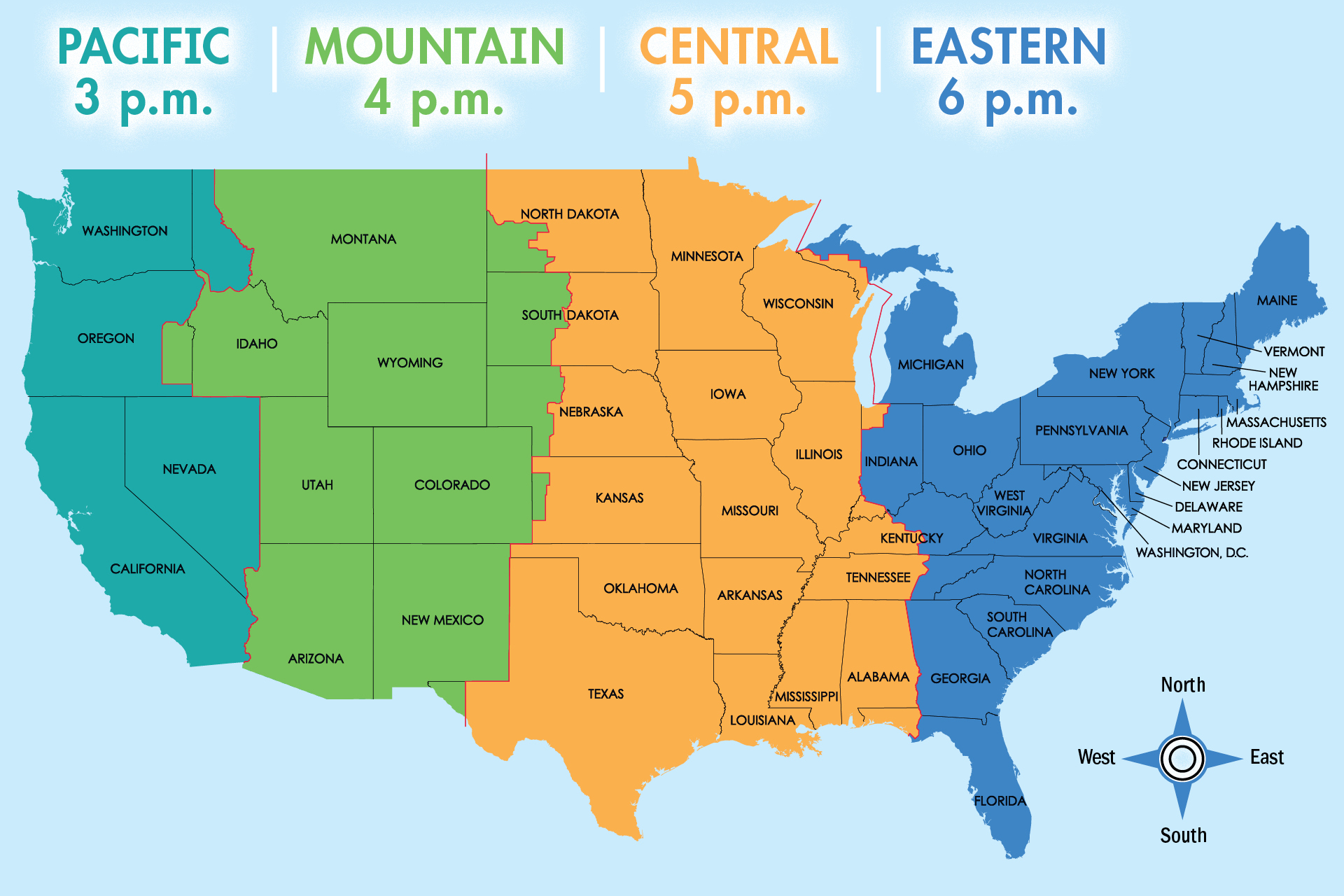
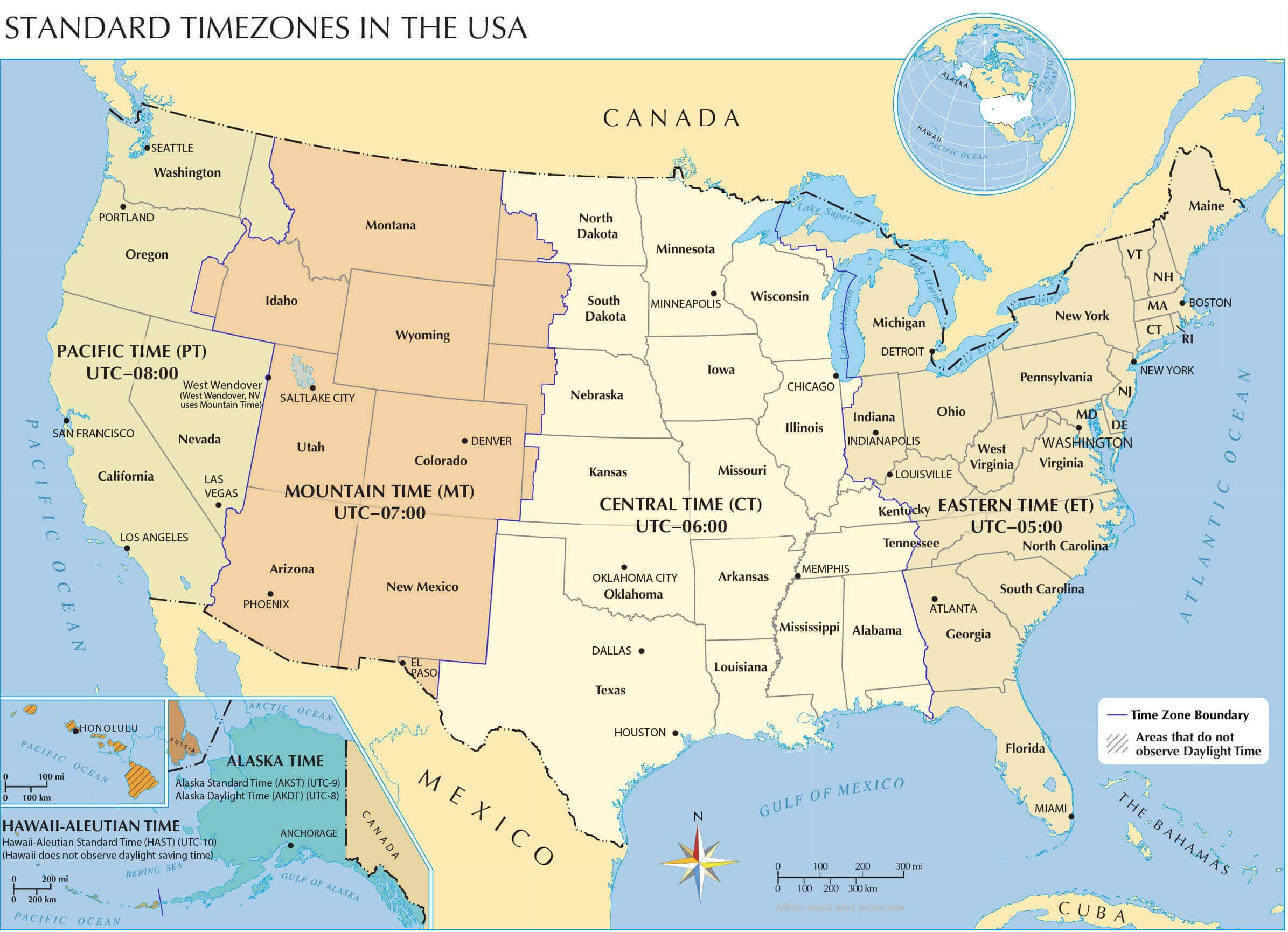
At its core, California adheres to the Pacific Time Zone. This means that for a significant portion of the year, the state observes Pacific Standard Time (PST), which is 8 hours behind Coordinated Universal Time (UTC-8). However, like many regions, California participates in Daylight Saving Time.
Between the second Sunday in March and the first Sunday in November, California switches to Pacific Daylight Time (PDT). During this period, clocks are advanced by one hour, making it UTC-7. This shift means that the “time in California” isn’t static year-round, a crucial detail to remember for long-term planning or communication with those in the state. For instance, if you’re planning a vacation to California in July, you’ll be operating on PDT, while a December trip would put you on PST.
The good news for travelers exploring diverse California destinations like Napa Valley’s vineyards or the wilderness of Yosemite National Park is that you won’t need to adjust your watch as you travel within the state. From the state capital of Sacramento to the southernmost tip, the time remains consistent, simplifying internal travel logistics. This uniformity is a blessing for tourism, allowing visitors to focus on experiences rather than constantly recalculating local times.
The Impact of Time Zones on Your California Travel Planning
For any traveler, whether embarking on a luxury escape or a budget-friendly adventure, time zone differences can be a significant factor in the overall experience. Miscalculating the time can lead to missed flights, late check-ins, or even closed attractions. Understanding and anticipating California’s time zone is a foundational step in crafting a successful travel itinerary.
Flights and Arrivals: Beating Jet Lag and Syncing Your Schedule
The journey to California, especially from distant locations like the East Coast of the United States or international destinations in Europe or Asia, often involves significant time shifts. A three-hour difference from New York might seem manageable, but an eight-hour jump from London or a fifteen-hour leap from Tokyo can induce substantial jet lag.
When booking flights, pay close attention to arrival and departure times, ensuring they align with your body clock as much as possible. Opting for flights that arrive in the late afternoon or early evening in California can help you go to bed at a reasonable local hour, easing the transition. Hydration is key during long flights, as is avoiding excessive caffeine or alcohol. Upon arrival, immediately adjust your watch and phone to local California time. Sunlight exposure in the mornings can help reset your circadian rhythm, signaling to your body that it’s daytime. Many travelers find it helpful to start shifting their sleep schedule a few days before departure, gradually moving towards California time. This proactive approach, a valuable travel tip, can significantly mitigate the effects of jet lag, allowing you to hit the ground running and fully enjoy your chosen destinations and attractions.
Accommodation and Check-in Logistics
The time in California directly influences your accommodation experience, from checking into your chosen hotel or resort to making the most of amenities. Standard check-in times for most hotels, suites, apartments, and villas in California typically fall between 3:00 PM and 4:00 PM PST/PDT, with check-out usually around 11:00 AM or 12:00 PM.
If your flight arrives early in the morning, arriving at your accommodation before the official check-in time is common. While many establishments, including renowned chains, strive to accommodate early arrivals, it’s not always guaranteed, especially during peak season. It’s always a good idea to contact your hotel or resort in advance to inquire about early check-in possibilities or luggage storage options. Similarly, if you have a late departure flight, requesting a late check-out can provide a comfortable space to relax before heading to the airport. Some hotels offer this service for a fee, or complimentary based on availability and loyalty status. For those on a long-term stay, understanding these timings becomes even more critical for planning daily activities and ensuring smooth transitions. Always double-check your booking confirmations for specific times, which are always listed in local California time.
Optimizing Your Itinerary: Sightseeing, Dining, and Experiences
When designing your itinerary for California‘s myriad landmarks and attractions, the local time is a non-negotiable factor. From the moment the gates open at Disneyland Park to the final sunset view from the Santa Monica Pier, all operating hours are meticulously set to California time.
Consider the opening and closing times for major tourist attractions like Universal Studios Hollywood, the Golden Gate Bridge visitor center, or the last ferry to Alcatraz Island. Missing these windows due to a time zone miscalculation can be a significant disappointment for any traveler focused on tourism and experiences. Booking restaurant reservations, especially for popular dining spots in Beverly Hills or Hollywood, requires precise timing. Shows, concerts, and other live events adhere strictly to their published start times, which are always local California time.
A savvy traveler will also use the time difference to their advantage, particularly when overcoming jet lag. Plan less strenuous activities, such as a scenic drive along the Pacific Coast Highway or a leisurely stroll through a park, for your initial days. Save more energy-intensive excursions, like hiking to the Griffith Observatory or exploring the vibrant nightlife of Los Angeles, for when your body has fully adjusted to the local rhythm. By factoring in the time zone, you can ensure every moment of your California adventure, whether a family trip or a business stay, is maximized.
Business and Communication Across Time Zones
Beyond leisure, the question “What time is California?” is frequently posed by business professionals, remote workers, and anyone needing to connect with individuals or companies based in the state. California is a global hub for technology, entertainment, and innovation, making cross-time zone communication a daily reality for many.
Connecting with California: A Guide for Remote Workers and Business Travelers
For business travelers or remote workers collaborating with California teams, understanding the time difference is critical for scheduling effective meetings and maintaining productivity. The most significant time differences are typically with the East Coast of the United States (a 3-hour lag, e.g., 9 AM PST/PDT is 12 PM EST/EDT) and international partners.
For example, when it’s 9 AM in California, it’s often 5 PM in London (GMT/BST), 6 PM in Central Europe, and past midnight or into the next day in major Asian cities like Tokyo or Seoul. This means early morning calls for California residents if connecting with Europe, and late evening or early morning calls if connecting with Asia. Using world clock applications or online time converters is indispensable for scheduling. Always specify the time zone when sending meeting invitations (e.g., “10:00 AM PST” or “1:00 PM EDT”) to avoid confusion. For business stays in California, adapting quickly to the local schedule for networking events, client meetings, and conferences is a key aspect of maintaining a professional and productive presence. This attention to detail reflects good business etiquette and enhances overall efficiency, whether you’re traveling for luxury travel or on a tight budget travel plan.
Family and Friends: Keeping in Touch
For individuals with family and friends in California, the time difference impacts personal communication. A quick call or video chat can easily become an interruption if not timed correctly. While modern technology like instant messaging bridges some gaps, real-time conversations still require coordination.
Most people find a window of overlap, typically in the late afternoon/early evening for the distant party, and mid-morning/early afternoon for the California resident, to be the most convenient for calls. For example, if you’re on the East Coast, calling a California contact around 8 PM EST/EDT would mean they are receiving the call at 5 PM PST/PDT, which is often an ideal time after work hours. Conversely, an 8 AM EST/EDT call would be 5 AM PST/PDT, likely too early. Being mindful of these differences ensures that your calls are well-received and don’t disturb sleep or important commitments, fostering stronger connections across the miles.
Embracing California Time: Tips for a Seamless Experience
Successfully navigating California’s time zone, whether for leisure or business, comes down to a few key strategies that enhance your overall travel and communication lifestyle.
- Utilize Technology: Modern smartphones and devices automatically update to the local time zone. However, it’s wise to double-check that this feature is enabled. World clock applications are invaluable tools for quickly converting times across multiple zones, essential for both international travelers and those coordinating business globally.
- Pre-Plan and Confirm: Always confirm the local time for reservations, tours, flights, and meetings. Don’t assume. A quick call or check of an event website can prevent significant inconvenience. This is a vital tip for any travel guide.
- Listen to Your Body: For long-haul travelers, particularly those crossing many time zones, jet lag is a reality. While adjusting to California time quickly is beneficial, listen to your body’s signals. Hydrate, eat light, and gradually adjust your sleep schedule. Exposure to natural light during California daytime hours and avoiding bright screens before bed can significantly help.
- Stay Hydrated and Seek Sunlight: These two natural remedies are incredibly effective in combating the effects of time zone changes. Water helps your body recover, and sunlight helps reset your internal clock, aligning it with the new local time.
- Embrace the Experience: Once you’ve successfully adjusted to California time, immerse yourself fully in the vast array of experiences the state offers. From the vibrant city life of Los Angeles and San Francisco to the serene beauty of its national parks and coastlines, California operates on its own unique rhythm. Adjusting your internal clock simply allows you to dance to that rhythm more effectively.
In conclusion, understanding “What time is California?” is far more than just knowing whether it’s PST or PDT. It’s about recognizing the ripple effect this time zone has on every facet of your interaction with the state, from travel logistics and accommodation to business dealings and personal connections. By preparing adequately and utilizing smart strategies, you can ensure your time in the Golden State is as smooth, enjoyable, and productive as possible, making every moment count in California’s unique slice of time.
LifeOutOfTheBox is a participant in the Amazon Services LLC Associates Program, an affiliate advertising program designed to provide a means for sites to earn advertising fees by advertising and linking to Amazon.com. Amazon, the Amazon logo, AmazonSupply, and the AmazonSupply logo are trademarks of Amazon.com, Inc. or its affiliates. As an Amazon Associate we earn affiliate commissions from qualifying purchases.