
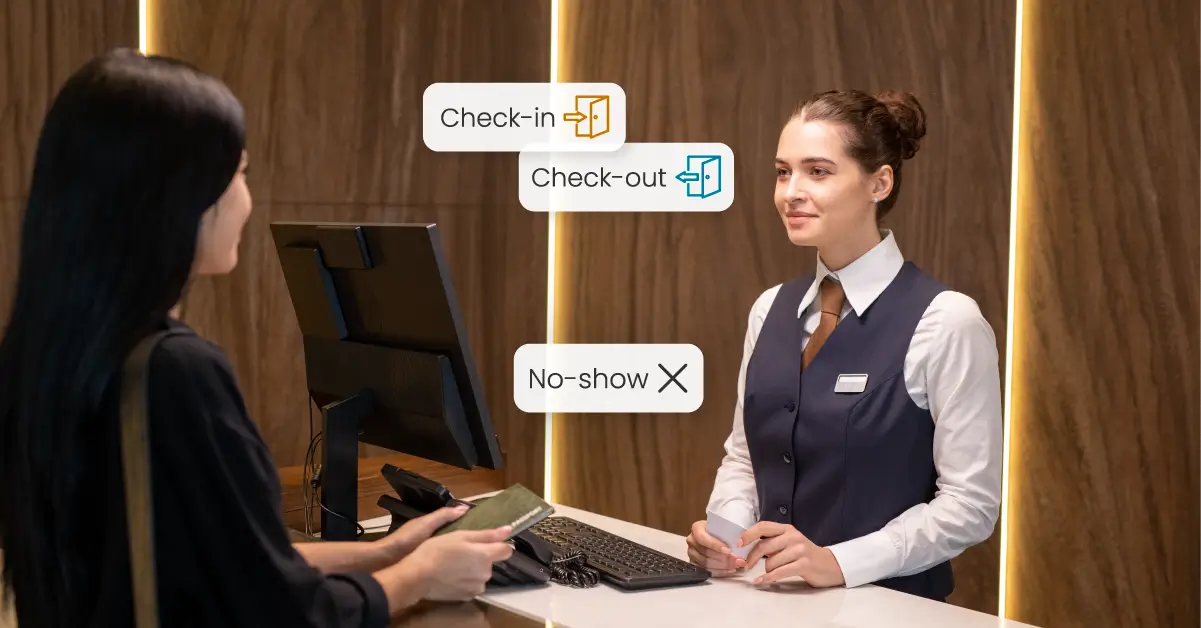
The question of “What time is check-in at hotels?” is one of the most frequently asked by travelers worldwide. It’s a fundamental aspect of planning any trip, whether for business or leisure, and can significantly impact the start of your journey. While there’s a general understanding of when you can expect to access your room, the precise time can vary considerably depending on a multitude of factors, from the hotel’s specific policies and location to the type of accommodation and even your personal loyalty status. Understanding these nuances and knowing how to navigate them can transform a potentially stressful arrival into a smooth and enjoyable start to your stay. This comprehensive guide delves into the standard practices, offers strategies for early or late arrivals, and provides essential tips to ensure your hotel experience is as seamless as possible.
The Standard Check-In Time: Understanding the Norm
For most hotels around the globe, there isn’t one single, universally enforced check-in time. However, a common window has emerged as the industry standard. Generally, you can expect to check in between 2:00 PM and 4:00 PM local time. This timeframe is not arbitrary; it’s a carefully calculated window designed to optimize hotel operations and ensure a quality experience for every guest.
Why 3 PM or 4 PM? The Operational Rationale
The reason behind the mid-afternoon check-in standard is rooted in the intricate dance of hotel logistics. A hotel’s day is meticulously choreographed, revolving around the departure of previous guests and the arrival of new ones.
- Check-Out Procedures: Most hotels set their check-out times around 11:00 AM or 12:00 PM. This initial window allows guests to enjoy a final morning in their room, pack leisurely, and often grab breakfast before departing.
- Housekeeping and Maintenance: Once guests check out, the real work begins. The housekeeping staff needs adequate time to thoroughly clean, sanitize, and prepare each room for the next occupant. This isn’t just a quick tidy-up; it involves changing linens, cleaning bathrooms, vacuuming, dusting, restocking amenities, and performing general maintenance checks. Depending on the room size, occupancy, and specific cleaning protocols (especially heightened since recent global health concerns), this process can take anywhere from 30 minutes to over an hour per room. For larger properties with hundreds of rooms, coordinating this massive effort is a significant logistical challenge.
- Room Inspections: After cleaning, many hotels have supervisors inspect rooms to ensure they meet the brand’s standards of cleanliness and presentation before being declared ready for check-in.
- Administrative Processing: Behind the scenes, front desk staff are processing departures, managing reservations, preparing key cards, and handling any last-minute requests.
- Guest Experience: The mid-afternoon check-in time provides a buffer. It allows the hotel to ensure that a significant number of rooms are ready before the main wave of arrivals, minimizing wait times and ensuring guests walk into a perfectly prepared space. Rushing this process would inevitably lead to substandard room conditions and disgruntled guests.
Geographical Variations and Hotel Types
While the 2:00 PM to 4:00 PM window is common, check-in times can vary based on location and the specific type of accommodation.
- Europe and Asia: In some parts of Europe, particularly among smaller, boutique hotels or guesthouses, a 2:00 PM check-in might be more prevalent. In bustling cities like Tokyo or Paris, where room turnover is high, hotels might stick rigorously to their stated times.
- North America: In the United States and Canada, 3:00 PM or 4:00 PM is a very common standard, especially in major urban centers like New York City or popular tourist destinations like Las Vegas.
- Resorts and Luxury Hotels: Luxury hotels like a Four Seasons or Ritz-Carlton often aim for a slightly later check-in (e.g., 4:00 PM) to allow extra time for their extensive cleaning and preparation protocols, ensuring every detail is perfect. They might also offer more flexibility or amenities (like lounges) if your room isn’t ready.
- Budget Hotels and Hostels: Budget hotels or hostels might have earlier check-in times if their cleaning procedures are less extensive, or they might be more rigid due to higher occupancy rates and smaller staff.
- Apartment Rentals/Villas: For apartment rentals or private villas (e.g., through platforms like Airbnb), check-in times can be highly individualized, often agreed upon directly with the host. These might be later to accommodate a more personalized handover process.
Always confirm the specific check-in time for your booking either on the hotel’s website, your reservation confirmation email, or by contacting the hotel directly.
Navigating Early Check-In: Strategies for a Smoother Arrival
Arriving at your destination after a long flight or an early morning journey only to find you can’t access your room for several hours can be frustrating. However, securing an early check-in is often possible with the right approach and a little planning.
Communication is Key: Contacting the Hotel in Advance
The most effective strategy for an early check-in is proactive communication.
- Call or Email Ahead: A few days before your arrival, contact the hotel directly. Explain your situation – perhaps you have an early flight, an important business meeting, or are traveling with young children. Politely inquire if an early check-in might be possible.
- Be Realistic: Understand that early check-in is a courtesy, not a guarantee. The hotel’s primary concern is ensuring the room is clean and ready. If they are fully booked or anticipate a high volume of departures, they simply might not have a room available.
- Provide Your Arrival Time: Clearly state your estimated arrival time. This allows the hotel staff to prioritize cleaning rooms that will be vacated earliest or allocate a room that was empty the previous night.
Loyalty Programs and Elite Status Perks
Being part of a hotel’s loyalty program, especially if you’ve achieved elite status, can significantly increase your chances of securing an early check-in.
- Priority for Members: Hotel chains like Hilton Honors, Marriott Bonvoy, World of Hyatt, IHG One Rewards, and Accor Live Limitless often list early check-in as a perk for their mid-to-high tier members. This is a valuable incentive to encourage repeat business and brand loyalty.
- Automatic Consideration: If you have elite status, the hotel will often note this on your reservation and may automatically try to accommodate an early check-in if rooms are available, without you even needing to ask. However, it’s still a good idea to confirm.
The Power of Politeness and Flexibility
When you arrive at the front desk:
- Be Polite and Patient: Even if you’ve called ahead, reconfirm your early check-in request with a friendly demeanor. Hotel staff deal with countless requests daily, and a pleasant attitude can go a long way.
- Offer Flexibility: If your specific room type isn’t ready, ask if another room type is available for early check-in. If you’re willing to accept a different view or floor, it might expedite the process.
- Inquire About a “Day Use” Fee: In some cases, if you absolutely need a room much earlier (e.g., before 9:00 AM), some hotels might offer a “day use” fee, which is essentially booking the room for an additional half-day. This is more common in business-oriented hotels or at airports.
When Early Check-In Isn’t Possible: What Are Your Options?
Despite your best efforts, sometimes an early check-in simply isn’t possible. Don’t despair; hotels usually have solutions to make your waiting period comfortable.
- Luggage Storage: Almost all hotels offer complimentary luggage storage services. You can securely leave your bags at the front desk or with the concierge. This frees you up to explore the local area, grab a coffee, or start your activities without being burdened by your belongings.
- Use Hotel Amenities: Even if your room isn’t ready, you’re often welcome to use the hotel’s public amenities. This could include the lobby lounge, fitness center, swimming pool, business center, or on-site restaurants and cafes. This is a great opportunity to relax, refresh, and get acquainted with the property.
- Explore the Local Area: With your luggage safely stored, take the opportunity to step out and explore the immediate vicinity of the hotel. Find a local cafe, visit a nearby landmark, or simply take a stroll. Many hotels are strategically located near tourist attractions in cities like Rome or Dubai, making this an ideal way to start your trip.
- Mobile Check-In/Key: Many modern hotels offer mobile check-in through their app. While this doesn’t guarantee an early room, it can streamline the process once a room is ready, sometimes even allowing you to use your phone as a digital key.
Managing Late Check-In: Ensuring a Seamless Evening Arrival
Just as early check-in can be a concern, arriving late at night or in the early hours of the morning also requires some planning to ensure a smooth arrival. While most hotels operate 24/7, clear communication is always recommended.
Informing the Hotel of Your Late Arrival
- Notify in Advance: If you know you’ll be arriving significantly later than the standard check-in time (e.g., after midnight), it’s always best to inform the hotel. A quick call or email allows them to make a note on your reservation.
- Avoid No-Show Cancellations: This is crucial. If you’ve booked a non-prepaid reservation, some hotels might consider you a “no-show” and cancel your booking if you haven’t checked in by a certain time (e.g., 6:00 PM or 9:00 PM on the day of arrival). Notifying them ensures your room is held. For prepaid bookings, your room is typically guaranteed regardless of arrival time, but notification is still good practice.
- Estimated Time of Arrival (ETA): Provide an estimated time of arrival so the front desk can anticipate your presence. This is especially helpful for smaller hotels or guesthouses that might not have a dedicated night staff or a 24-hour reception.
Key Collection and After-Hours Procedures
For larger hotels, late check-in is generally straightforward:
- 24-Hour Front Desk: Most major hotels, particularly in urban areas, operate a 24-hour front desk. You can simply arrive at any time, present your ID and credit card, and complete the check-in process.
- Security and Night Staff: For safety and service, there will usually be security or night staff available to assist you.
- Smaller Establishments: For boutique hotels, bed and breakfasts, or guesthouses, procedures might differ. They may have a limited night staff or use a key-box system. Always confirm their late arrival policy when you notify them. They might provide specific instructions on how to access your room or retrieve your key after hours.
Understanding Late Check-In Fees (Rare but Possible)
While extremely uncommon for standard hotel operations, some unique situations might incur a late check-in fee:
- Very Small, Staff-Limited Accommodations: In rare instances, very small, owner-operated guesthouses might charge a nominal fee if staff have to stay up specifically to wait for a very late arrival. This is usually communicated upfront.
- Apartment/Villa Rentals: For private apartment rentals or villas where a host needs to meet you in person, a late-night arrival might incur a “late check-in fee” to compensate them for the inconvenience. Always clarify this before booking or upon communication with the host.
Beyond Check-In: Other Important Considerations for Your Stay
While check-in is the entry point, the full accommodation experience involves understanding related policies, such as check-out, and leveraging available services to enhance your trip.
Check-Out Times and Late Check-Out Requests
- Standard Check-Out: Just as there’s a standard check-in, most hotels have a standard check-out time, typically between 11:00 AM and 12:00 PM. This allows the hotel to begin the cleaning cycle for incoming guests.
- Requesting Late Check-Out: If you have a late flight or simply want to maximize your time in the city (perhaps Miami or Sydney where you want a final beach visit), a late check-out can be invaluable.
- Ask the Front Desk: Politely inquire about late check-out options. Like early check-in, it’s subject to availability.
- Loyalty Perks: Elite members of hotel loyalty programs often receive guaranteed late check-out (sometimes until 2:00 PM or 4:00 PM), based on availability.
- Late Check-Out Fees: If a complimentary late check-out isn’t possible, hotels may offer it for a fee, often a percentage of the daily rate for an extended stay (e.g., until 2:00 PM or 4:00 PM). A full extra night’s charge might apply if you need the room significantly later.
- Request on Departure Day: It’s often best to request a late check-out on the morning of your departure. By then, the front desk will have a clearer picture of incoming reservations and room availability.
Luggage Storage: Your Best Friend Between Check-In/Out
Regardless of whether you manage an early check-in or late check-out, the luggage storage service is an essential amenity for travelers.
- Maximize Your Time: It allows you to explore the destination without the burden of your bags, whether you’re waiting for your room to be ready or have hours to kill before an evening flight.
- Security: Your belongings are usually stored in a secure area, often monitored, giving you peace of mind.
- Convenience: Many hotels, especially grand establishments like The Plaza Hotel, have a dedicated concierge or bell staff to handle your luggage, making the process effortless.
Maximizing Your Accommodation Experience
Beyond the specifics of check-in and check-out, remember that your hotel is often more than just a place to sleep.
- Utilize Concierge Services: For tourism tips, restaurant recommendations, or booking local activities, the concierge can be an invaluable resource.
- Explore Amenities: Take advantage of the gym, pool, spa, or business center. These are often included in your room rate and can enhance your lifestyle while traveling.
- Feedback: Don’t hesitate to provide constructive feedback to the hotel staff. Your insights can help them improve future guest experiences.
Planning for a Stress-Free Hotel Stay
Understanding hotel check-in and check-out procedures is a cornerstone of smart travel planning. While standard times provide a general guideline, a proactive approach, clear communication with the hotel, and an awareness of available services can help you navigate any timing challenges. Whether you’re aiming for an early arrival or expecting a late night check-in, being informed and polite ensures that your focus remains on enjoying your destination and making the most of your accommodation experience. So, the next time you ask “What time is check-in at hotels?”, you’ll know exactly how to get the answer and plan for a truly seamless start to your adventure.
LifeOutOfTheBox is a participant in the Amazon Services LLC Associates Program, an affiliate advertising program designed to provide a means for sites to earn advertising fees by advertising and linking to Amazon.com. Amazon, the Amazon logo, AmazonSupply, and the AmazonSupply logo are trademarks of Amazon.com, Inc. or its affiliates. As an Amazon Associate we earn affiliate commissions from qualifying purchases.