
Navigating the final hours of a hotel stay often revolves around a single, crucial question: “What time is checkout at a hotel?” This seemingly straightforward query opens a Pandora’s Box of considerations, influencing everything from your morning routine to your travel plans and even your overall budget. Understanding hotel checkout times isn’t just about knowing a specific hour; it’s about mastering a key element of travel logistics, ensuring a smooth transition from rest to exploration, and maximizing your accommodation experience.
The standard checkout time is a cornerstone of hotel operations, designed to allow housekeeping ample time to prepare rooms for incoming guests. However, the precise hour can vary significantly, dictated by factors ranging from the hotel’s star rating and location to its specific policies and the type of accommodation you’ve booked. Whether you’re planning a luxurious escape to a resort in the Maldives or a business trip to a boutique hotel in New York City, grasping the nuances of checkout is essential for a stress-free departure.
Understanding Standard Hotel Checkout Times
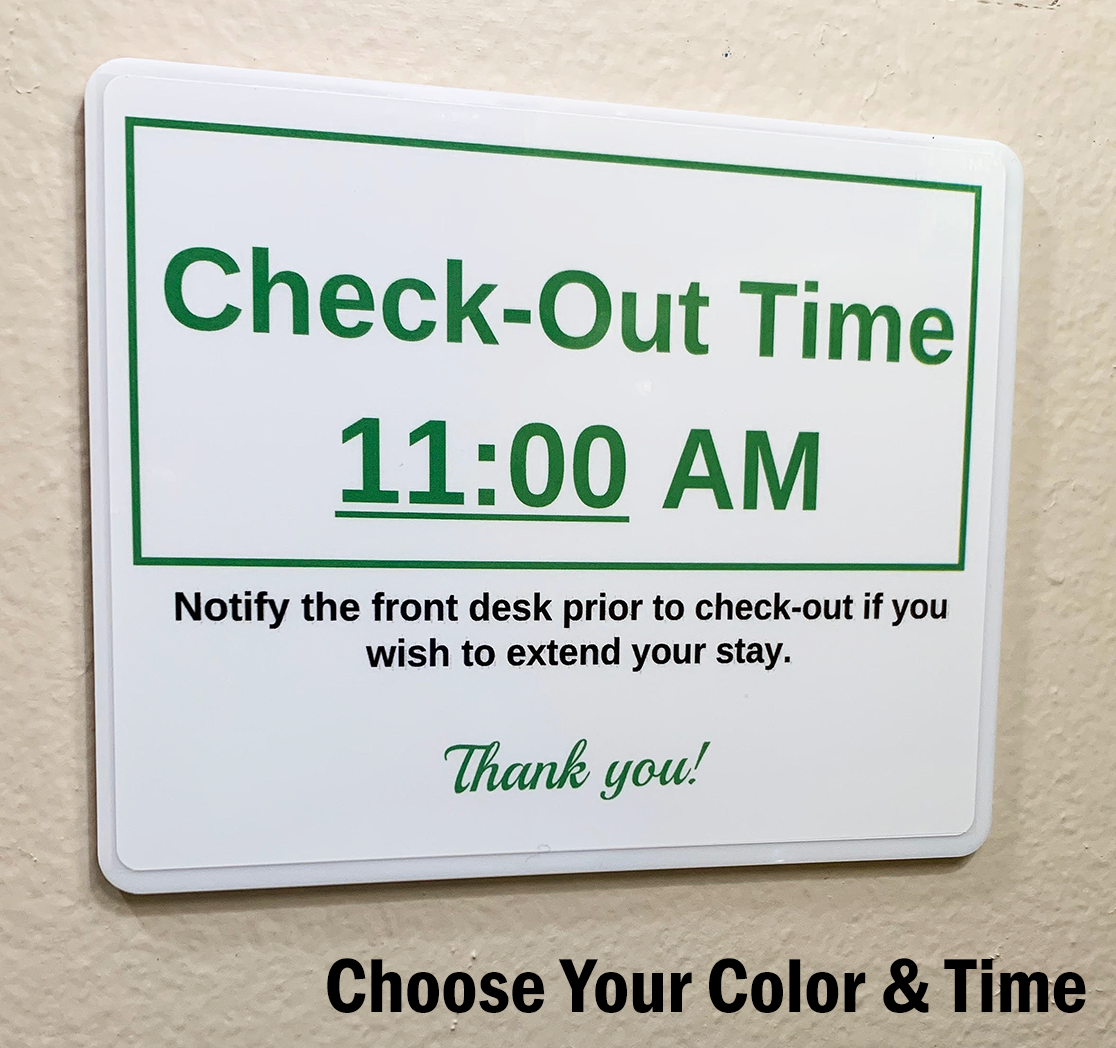
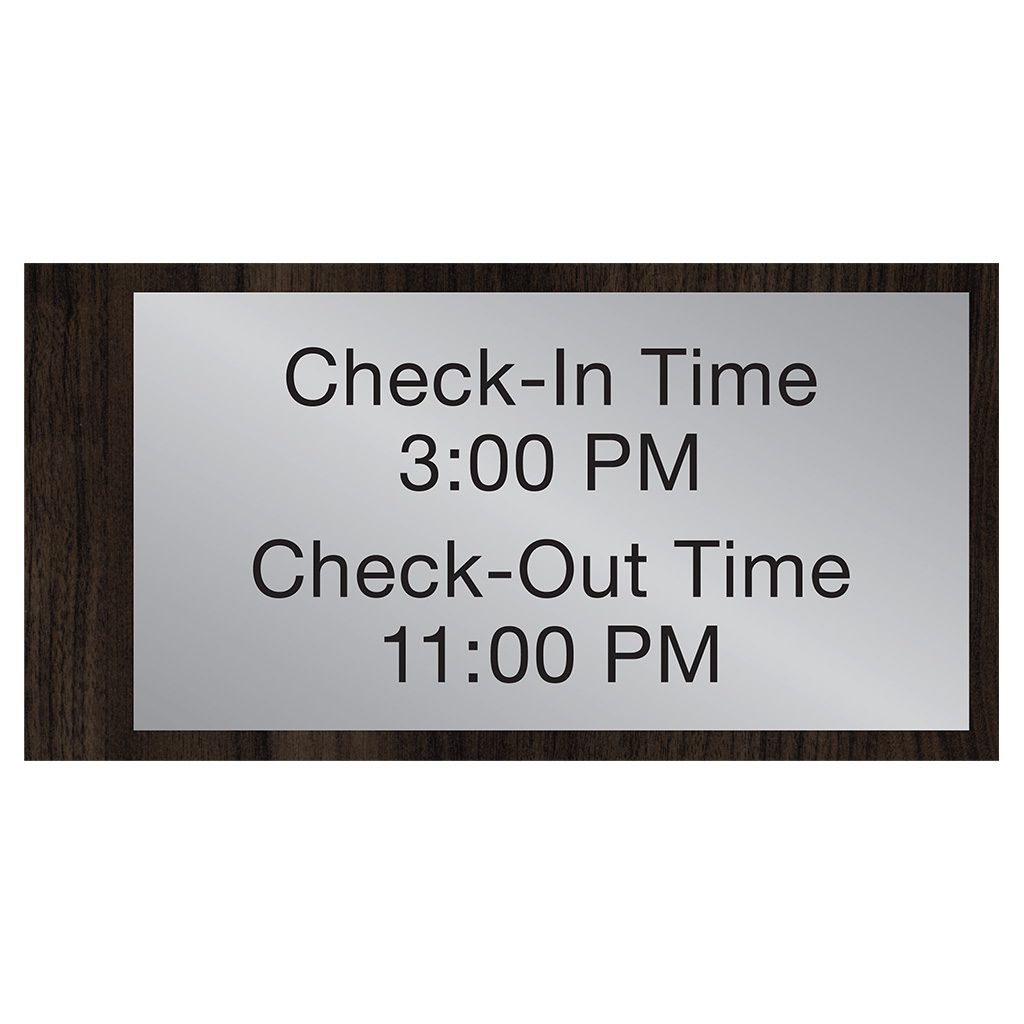
For the vast majority of hotels worldwide, the standard checkout time falls between 10:00 AM and 12:00 PM (noon). This two-hour window is a widely adopted convention, largely driven by operational efficiency. Housekeeping staff typically begin their rounds shortly after this period, ensuring that rooms are cleaned, restocked, and ready for the next set of guests who are usually scheduled to check in later that afternoon, often around 2:00 PM or 3:00 PM.
This common timeframe provides a buffer for both departing and arriving guests. It gives those leaving sufficient time to enjoy a leisurely breakfast, pack their belongings, and complete any final tasks before heading out. Simultaneously, it allows the hotel’s team to efficiently manage the turnover of rooms, a critical aspect of maintaining high service standards. Imagine a large hotel like the Grand Hyatt Hotel in Berlin; a coordinated checkout process is vital to prevent bottlenecks and ensure a seamless experience for hundreds of guests daily.
The Influence of Hotel Type and Location
While 11:00 AM or 12:00 PM are the most prevalent checkout times, several factors can influence this. Boutique hotels, often catering to a more discerning clientele seeking a personalized experience, might offer slightly later checkout times or more flexibility. Similarly, many luxury resorts, especially those in vacation destinations like the Caribbean, understand that guests on holiday may wish to savor their last moments of relaxation. Therefore, you might find resorts offering checkouts as late as 1:00 PM or even 2:00 PM.
Conversely, hotels that cater heavily to business travelers or those with high occupancy rates might adhere strictly to earlier checkout times, perhaps 10:00 AM or 10:30 AM. This is particularly common in bustling cities like Tokyo or London, where room turnover is rapid. The geographical location also plays a role. In some regions, cultural norms or local regulations might influence standard checkout practices. For instance, in certain parts of Asia, where a strong emphasis is placed on hospitality and guest satisfaction, some establishments might be more lenient.
Special Accommodation Types
The type of accommodation you book can also dictate checkout times. For instance, apartments or villas booked through platforms like Airbnb or serviced apartment providers often have different policies compared to traditional hotels. These can range from more flexible arrangements, especially for longer stays, to more rigid schedules depending on the property owner or management company. If you’re staying in a self-catering unit, you might be responsible for tidying up to a certain extent before you leave, which could influence your departure timing.
For longer-term stays in serviced apartments or extended-stay hotels, the concept of daily checkout is less relevant. However, at the end of your contract, a departure date and time will still be specified, often following similar conventions to standard hotel checkouts, but with more notice. Understanding these distinctions is crucial when booking different types of accommodation for various travel needs, whether it’s a short city break or an extended business stay.
Maximizing Your Morning: Strategies for a Smooth Checkout
Knowing the standard checkout time is the first step. The next is to strategize your final morning to ensure a seamless departure, avoiding last-minute rushes and potential penalties. This involves a combination of good planning and understanding the services your hotel offers.
Pre-Departure Planning: The Night Before
The most effective way to ensure a smooth checkout is to begin preparing the night before your departure. This proactive approach can save you considerable stress on your final morning.
- Pack Strategically: As you unpack upon arrival, designate a “departure bag” or area for items you won’t need during your last evening. This way, you can start packing non-essentials early. Before you go to bed, pack as much as possible. Ensure all toiletries, chargers, and personal items are gathered.
- Review Your Bill: Most hotels allow you to review your folio (bill) from your room or via their app the night before. This is an excellent opportunity to check for any unexpected charges, such as mini-bar consumption or in-room movie rentals. Identifying discrepancies in advance allows you to address them with the front desk without the pressure of a tight checkout schedule.
- Confirm Transportation: If you have arranged for a taxi, ride-share, or hotel shuttle, confirm the pick-up time and location the evening prior. This eliminates any last-minute confusion or delays.
- Set Your Alarm Wisely: Based on your checkout time and any planned activities, set your alarm accordingly. Factor in time for breakfast, getting ready, and packing any remaining items. Don’t underestimate how long it takes to get ready, especially if you have a flight or train to catch.
Utilizing Hotel Services to Your Advantage
Hotels offer various services that can significantly ease the checkout process. Being aware of and utilizing these can make a substantial difference.
- Express Checkout: Many hotels offer an “express checkout” option. This usually involves leaving your room key in a designated drop box or completing checkout via a mobile app or your in-room television. Your bill is typically emailed to you later. This is ideal if you have an early departure and have already settled your account or are confident there are no discrepancies.
- Luggage Storage: If your departure time is significantly later than the checkout time, and you have onward travel plans or wish to do some last-minute sightseeing, most hotels will happily store your luggage. This allows you to explore without being burdened by your bags. For example, after checking out of the Ritz Paris, you could store your luggage and spend a few more hours wandering through the Tuileries Garden before heading to the airport.
- Late Checkout Requests: While not guaranteed, it is often possible to request a late checkout. This is especially true if the hotel is not fully booked or if you are a member of their loyalty program. Be polite when making your request at the front desk, ideally the morning of your departure. Be prepared for the possibility of a small fee for extended use of the room, or the hotel might offer a complimentary extension of an hour or two. It’s always worth asking!
- Concierge Assistance: The hotel concierge can be an invaluable resource. They can assist with booking transportation, providing directions, recommending last-minute attractions, and even helping with packing or ensuring all your belongings are accounted for.
Navigating Beyond the Standard: Late Checkout, Early Departures, and Fees
The standard checkout time is a guideline, but real-world travel often presents scenarios that deviate from the norm. Understanding how hotels handle late checkouts, early departures, and any associated fees is crucial for a smooth experience.
The Possibility and Costs of Late Checkout
As mentioned, requesting a late checkout is often possible, but it’s not a right. Hotels operate on a tight schedule, and a late checkout can impact their ability to prepare rooms for incoming guests.
- How to Request: The best time to request a late checkout is on the morning of your departure, directly at the front desk. Some hotels may allow requests made the night before, but availability can change overnight.
- Factors Affecting Approval: The hotel’s occupancy rate is the primary determinant. If the hotel is fully booked, late checkout is unlikely. Loyalty program status can also play a role, with higher-tier members sometimes receiving priority for such requests.
- Potential Fees: If a late checkout is granted, the hotel may charge an additional fee. This can range from a percentage of the nightly rate for a few extra hours to a full day’s charge if you’re staying significantly past the standard checkout time. Some hotels offer a grace period, perhaps an extra hour or two, without charge. Always clarify the terms and any associated costs upfront. For example, if you’re staying at a luxury hotel like the Four Seasons Hotel George V Paris, a late checkout might be a negotiable perk, but understanding their policy is key.
Early Departures: What Happens If You Leave Before Sunrise?
Sometimes, your travel itinerary demands an early departure, even before the hotel’s standard breakfast service begins or well before the official checkout time.
- Pre-Payment and Bills: Ensure your bill is settled the night before if possible. You can often charge any last-minute incidentals to your room and pay the full amount upon check-out, even if it’s an early one. If you haven’t pre-paid, confirm with the front desk the process for settling your bill.
- Front Desk Availability: In most hotels, the front desk operates 24/7, so you can always check out at any hour. However, during very early morning hours, staffing might be minimal, so pre-arranging any necessary services (like a wake-up call or taxi) is essential.
- No Refund for Early Departure: Generally, hotels do not offer refunds for checking out earlier than scheduled, especially if you booked a non-refundable rate. You are typically liable for the full duration of your reservation.

Understanding Checkout Policies and Avoiding Fees
The best way to avoid unexpected fees or issues is to be fully informed about the hotel’s specific checkout policies.
- Read the Fine Print: When booking your accommodation, always take the time to read the terms and conditions, paying close attention to checkout times, late checkout policies, and any cancellation or early departure clauses.
- Contact the Hotel Directly: If you have any doubts or specific needs regarding checkout, don’t hesitate to contact the hotel directly before your arrival or during your stay. A quick phone call or email can clarify everything and prevent misunderstandings.
- Loyalty Programs: If you frequently stay with a particular hotel chain, like Marriott or Hilton, enrolling in their loyalty programs can offer benefits such as late checkout privileges, which can be invaluable when you need a little extra time.
In conclusion, while “What time is checkout at a hotel?” might seem like a simple question, the answer is nuanced and depends on various factors. By understanding the standard times, leveraging hotel services, and being proactive in your planning, you can transform a potentially stressful final hour into a seamless transition, allowing you to focus on your journey ahead, whether you’re heading to a new destination, exploring a vibrant city, or returning home from a memorable vacation. Mastering this aspect of travel planning contributes significantly to a positive overall travel experience.
LifeOutOfTheBox is a participant in the Amazon Services LLC Associates Program, an affiliate advertising program designed to provide a means for sites to earn advertising fees by advertising and linking to Amazon.com. Amazon, the Amazon logo, AmazonSupply, and the AmazonSupply logo are trademarks of Amazon.com, Inc. or its affiliates. As an Amazon Associate we earn affiliate commissions from qualifying purchases.