
Planning a trip to the vibrant metropolis of Chicago requires attention to numerous details, from flight bookings and accommodation to itineraries and dining reservations. Among these, understanding the local time zone is a fundamental, yet often overlooked, aspect that can significantly impact your travel experience. Chicago, a bustling hub of culture, commerce, and innovation in the United States, operates on a specific time standard that travelers should be aware of to ensure smooth transitions and punctual engagements.
Understanding Central Standard Time (CST)
Chicago, along with much of the American Midwest, observes the Central Time Zone. This zone is formally known as Central Standard Time (CST) during the non-daylight saving period and Central Daylight Time (CDT) when Daylight Saving Time is in effect. Knowing this distinction is crucial for accurate planning.
The Basics of CST
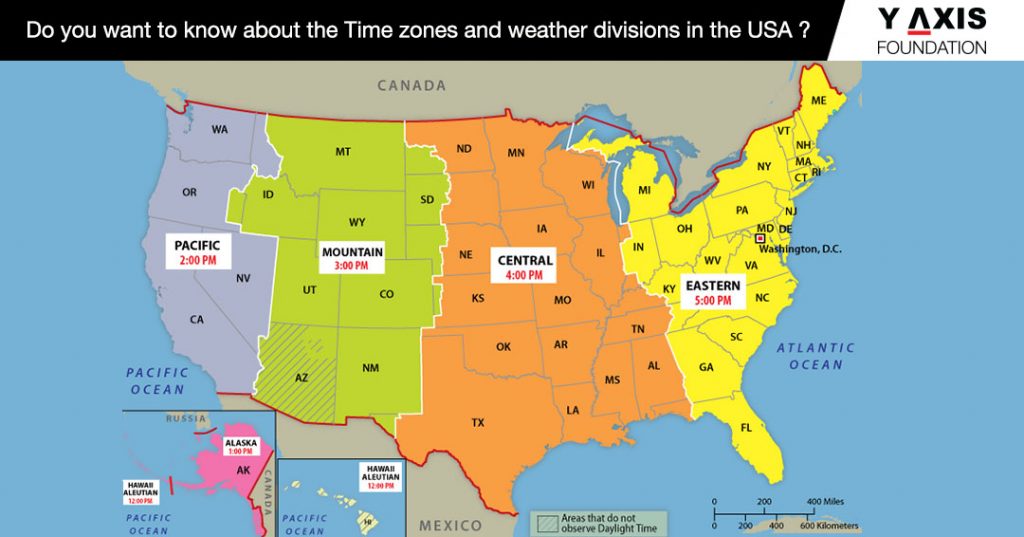
Central Standard Time (CST) is five hours behind Coordinated Universal Time (UTC-6). This means that if it’s noon UTC, it’s 6 AM in Chicago under CST. The Central Time Zone spans a vast geographical area, encompassing states like Illinois (where Chicago is located), Wisconsin, Missouri, Texas, and others in the central part of the United States and Canada. For travelers arriving from outside this zone, particularly from international destinations or the East Coast and West Coast of the U.S., the time difference is a key factor in scheduling and personal adjustment.
Daylight Saving Time in Illinois
Like most of the United States, Illinois observes Daylight Saving Time (DST). This practice shifts the clock forward by one hour during the warmer months to make better use of natural daylight. When Daylight Saving Time begins, typically on the second Sunday in March, Chicago switches from CST (UTC-6) to Central Daylight Time (CDT), which is UTC-5. The clocks “spring forward” by one hour. Conversely, on the first Sunday in November, when Daylight Saving Time ends, clocks “fall back” one hour, returning to CST. This transition means travelers arriving or departing during these specific weekends must be particularly vigilant about verifying times for flights, trains, and pre-booked activities. A forgotten time change could lead to missed connections or appointments, adding unnecessary stress to a trip.
Why Time Zones Matter for Travelers
Understanding Chicago’s time zone goes beyond simply knowing what time it is. It impacts virtually every aspect of a travel itinerary, from arrival to departure and everything in between.
Flight and Transportation Logistics
For air travel, timing is paramount. All flight schedules to and from Chicago’s major airports, O’Hare International Airport (ORD) and Midway International Airport (MDW), are listed in local time. If you’re departing from the East Coast (Eastern Time Zone, ET), your flight time will appear two hours earlier on your departure board than what your body might be feeling upon arrival in Chicago. For example, a 9 AM ET flight landing in Chicago at 10 AM local time means a three-hour flight, not a one-hour flight. Similarly, for those connecting to other time zones or traveling by train or bus, accurately interpreting schedules is essential to avoid missing transfers or arriving late for pickups. Always double-check your arrival and departure times in the local time of each location.
Scheduling Activities and Dining
Chicago boasts a phenomenal array of attractions, from architectural boat tours on the Chicago River to world-class museums like the Art Institute of Chicago and iconic landmarks such as the Willis Tower (formerly Sears Tower). Many of these activities, as well as popular restaurants, require advance reservations. Being aware of the local time zone ensures you book for the correct slot and arrive punctually. Missing a timed entry to an attraction or a dinner reservation at a coveted restaurant can disrupt your plans and lead to disappointment. For instance, if you’re calling from the Pacific Time Zone (PT) to book a 7 PM dinner reservation in Chicago, remember that it will be 5 PM your time, and you should factor in the time difference for availability and communication.
Business Travel Considerations
For business travelers, time zone awareness is even more critical. Meetings, conferences, and presentations must be meticulously scheduled. A miscalculation of the time difference can lead to missing crucial appointments or causing delays for colleagues. If you’re coordinating with teams on the East Coast or West Coast, always clarify the time zone for scheduled calls. For example, a 10 AM CST meeting in Chicago would be 11 AM ET for colleagues in New York City and 8 AM PT for those in Los Angeles. Clear communication regarding time zones avoids confusion and ensures productivity, especially when dealing with remote teams or clients across various regions.
Navigating Time Zone Differences
Adjusting to a new time zone can be challenging, particularly for those traveling across multiple zones. However, with a few strategic approaches, travelers can minimize the impact of jet lag and maximize their enjoyment of Chicago.
Tips for Minimizing Jet Lag
Jet lag can manifest as fatigue, disorientation, and difficulty sleeping. To combat this when traveling to Chicago:
- Adjust Before You Go: If possible, begin adjusting your sleep schedule a few days before your trip by incrementally shifting your bedtime closer to Chicago time.
- Hydrate: Drink plenty of water before, during, and after your flight to combat dehydration, which can exacerbate jet lag symptoms.
- Embrace Local Time Immediately: As soon as you arrive in Chicago, set your watch to local time and try to operate on that schedule. Eat meals at local times and try to stay awake until the local bedtime.
- Seek Sunlight: Exposure to natural light, especially in the morning, helps to reset your body’s internal clock. Take a stroll along Lake Michigan or explore Millennium Park.
- Limit Caffeine and Alcohol: While tempting, these can interfere with your sleep cycle and hydration.
- Strategic Napping: If you must nap, keep it short (20-30 minutes) and early in the afternoon to avoid disrupting nighttime sleep.
Essential Tools and Apps
Modern technology offers excellent solutions for managing time zones:
- World Clock Apps: Most smartphones have built-in world clock functions where you can easily add Chicago alongside your home city to quickly see the time difference.
- Flight Tracking Apps: Apps like FlightAware or your airline’s official app will provide real-time updates for your flight, often displaying times in both departure and arrival time zones.
- Calendar Tools: When scheduling appointments, use calendar apps that automatically adjust for time zones, or explicitly state the time zone in your invitations to avoid misunderstandings.
- Time Zone Converters: Websites and apps specifically designed for time zone conversion can be invaluable for complex scheduling, especially for international travelers.
Chicago in the Greater U.S. Time Zone Landscape
Chicago’s position within the Central Time Zone places it uniquely between the more populous East Coast and the vast stretches of the Mountain and Pacific Time Zones.
Comparing Chicago to East Coast and West Coast
Understanding the two-hour difference from the East Coast and the two-hour difference to the West Coast is fundamental for planning cross-country travel or communication.
- Chicago to East Coast (e.g., New York City, Miami): Chicago is always two hours behind the Eastern Time Zone. So, when it’s 10 AM in Chicago, it’s 12 PM in New York City. This makes early morning flights from the East Coast land surprisingly early by Chicago standards, offering more time for exploration.
- Chicago to Mountain Time Zone (e.g., Denver, Phoenix): Chicago is one hour ahead of the Mountain Time Zone. So, when it’s 10 AM in Chicago, it’s 9 AM in Denver.
- Chicago to Pacific Time Zone (e.g., Los Angeles, Seattle): Chicago is two hours ahead of the Pacific Time Zone. When it’s 10 AM in Chicago, it’s 8 AM in Los Angeles. This difference can mean an early start for west coast colleagues attending virtual meetings with Chicago-based teams.

Impact on Virtual Communication and Remote Work
In an increasingly connected world, where remote work and virtual meetings are common, Chicago’s time zone plays a significant role in cross-regional communication. For businesses based in the Loop or along the Magnificent Mile, coordinating with teams or clients elsewhere in the United States requires diligent time zone management. Setting a meeting for 3 PM Central Daylight Time means 4 PM Eastern Daylight Time and 1 PM Pacific Daylight Time. Clear communication is always key, often specifying the time zone (e.g., “3 PM CDT”) to eliminate any ambiguity.
In conclusion, knowing that Chicago operates on Central Standard Time (CST) and Central Daylight Time (CDT) is a simple yet vital piece of information for any traveler. This knowledge empowers you to plan your journey meticulously, ensuring you arrive on time for flights, enjoy your scheduled attractions without a hitch, and conduct any business effectively. By keeping the time zone in mind and utilizing available tools, your visit to this incredible city will be as seamless and enjoyable as possible.
LifeOutOfTheBox is a participant in the Amazon Services LLC Associates Program, an affiliate advertising program designed to provide a means for sites to earn advertising fees by advertising and linking to Amazon.com. Amazon, the Amazon logo, AmazonSupply, and the AmazonSupply logo are trademarks of Amazon.com, Inc. or its affiliates. As an Amazon Associate we earn affiliate commissions from qualifying purchases.