
The question “What time is Detroit?” is more profound than a simple query about a clock face. While it literally refers to the city’s place within the global time zones, for travelers and enthusiasts, it also encompasses the opportune moment to visit, the city’s historical timeline, its present vibrancy, and its promising future. Detroit, a city in the United States known globally as the “Motor City,” has traversed a remarkable journey, marked by innovation, challenges, and an awe-inspiring resurgence. This article delves into not just the literal time in Detroit, but also the best “time” to experience its rich culture, iconic landmarks, diverse accommodations, and burgeoning lifestyle.

Unraveling Detroit’s Time Zone and Beyond
Understanding the temporal coordinates of Detroit is the first step in planning any visit, be it for leisure or business. But beyond the simple time zone, lies the strategic timing of your journey to truly immerse yourself in what this dynamic Michigan metropolis has to offer.
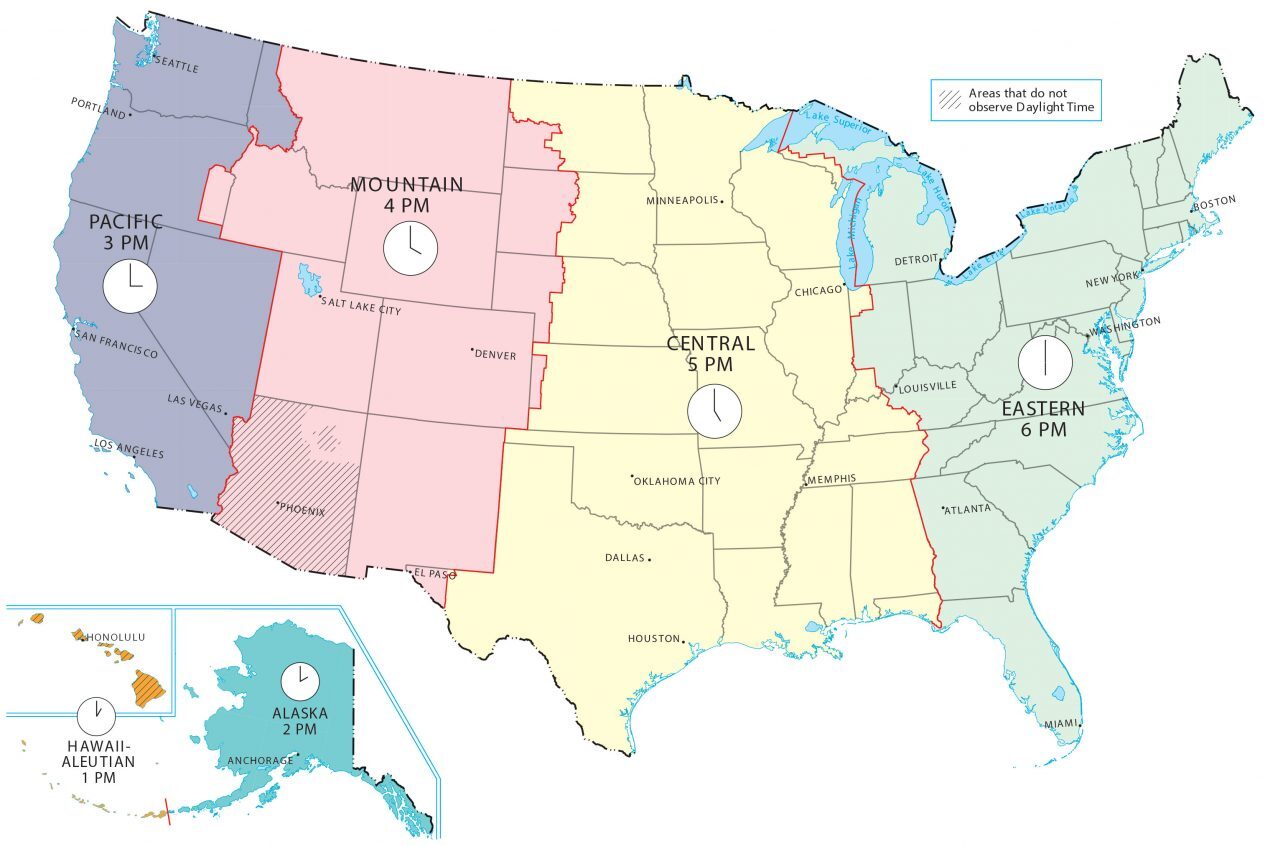
The Eastern Standard Time Zone (EST)
Detroit operates on Eastern Standard Time (EST) during the fall and winter months. This is UTC-5, meaning it is five hours behind Coordinated Universal Time. When daylight saving time is observed, typically from March to November, Detroit switches to Eastern Daylight Time (EDT), which is UTC-4. This hour shift is crucial for anyone coordinating meetings, flights, or connecting with people in different time zones. Always double-check for daylight saving adjustments when planning your travel or communications. For instance, if you’re flying from London, UK, which is on GMT/BST, you’d need to account for a five to six-hour difference, making a morning call in Detroit an afternoon affair in London. For those tracking international flight schedules or live events, awareness of this time difference is paramount to a seamless experience.
Best Times to Visit: Seasonal Considerations for Your Detroit Trip
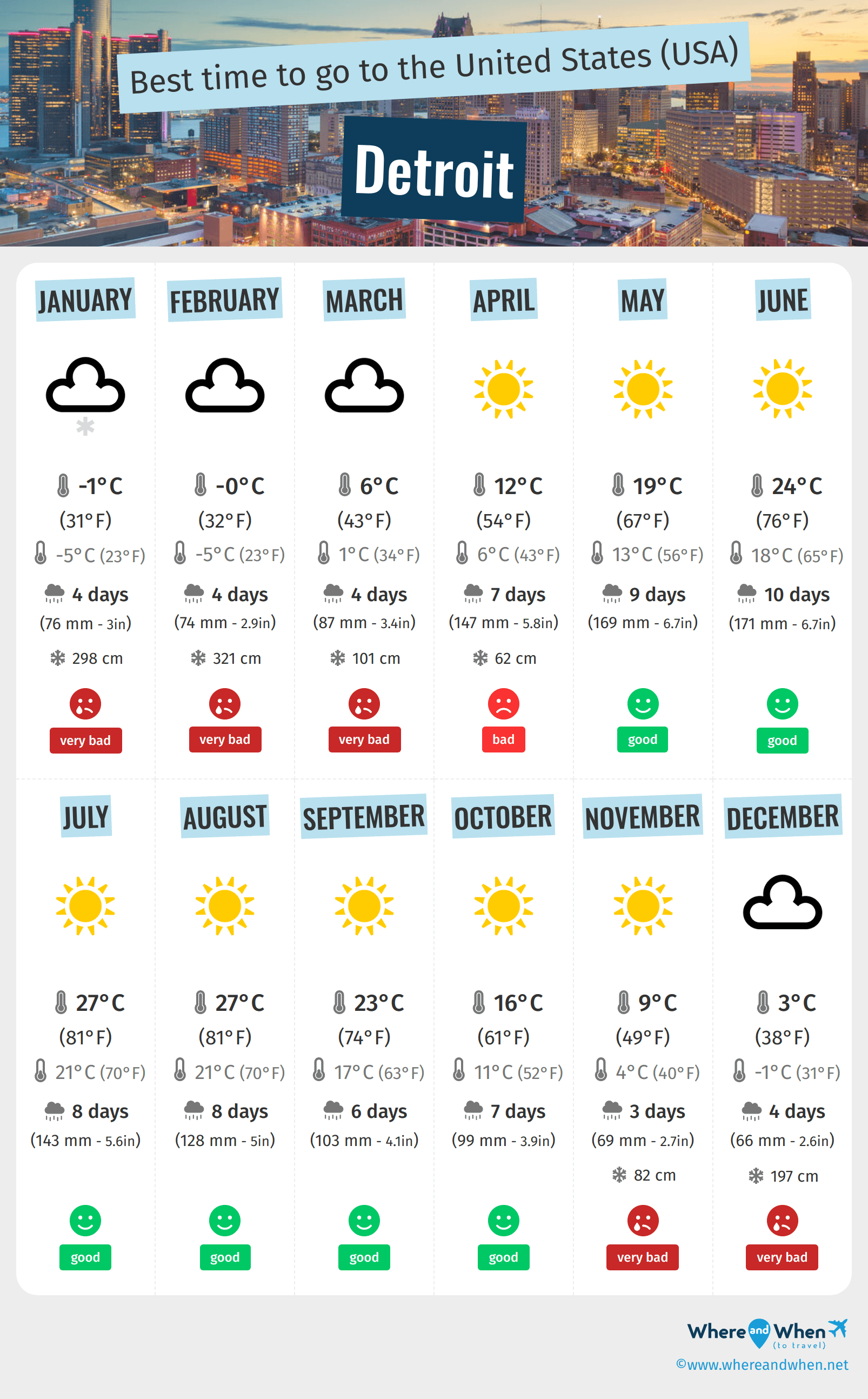
The “time” to visit Detroit extends far beyond the clock, touching upon seasonal influences that shape the city’s atmosphere and available activities. Detroit offers distinct experiences throughout the year, catering to various travel styles and interests.
Spring (April to May): As the city thaws from winter, spring brings a refreshing energy. Parks like Belle Isle Park begin to bloom, and outdoor dining patios open up. Temperatures are mild, making it ideal for exploring neighborhoods on foot or attending early-season baseball games at Comerica Park. This is a fantastic time for tourism that focuses on urban exploration and enjoying the burgeoning local culture without the intense summer heat or peak crowd levels.
Summer (June to August): Summer is arguably the most vibrant “time” in Detroit. The city comes alive with festivals, outdoor concerts, and a bustling atmosphere. Campus Martius Park becomes a central hub for events, while the Detroit Riverfront offers scenic walks and boat tours. Temperatures are warm, sometimes hot, perfect for enjoying the city’s green spaces and al fresco dining. Major events like the Detroit International Jazz Festival draw large crowds, making this a peak travel season. Booking accommodations well in advance is highly recommended during these months, especially if you’re looking for specific hotel types, from luxury suites to budget-friendly apartments.
Fall (September to November): Autumn paints Detroit in beautiful hues, with crisp air and comfortable temperatures. This season is excellent for exploring the city’s historical landmarks and museums, as the weather is pleasant for walking between attractions. Football season is in full swing, offering another layer of local sports culture. The changing leaves provide a picturesque backdrop for a drive through scenic routes around the city, showcasing nature’s beauty amidst the urban landscape. It’s a superb time for those interested in history, architecture, and a slightly calmer, yet equally engaging, travel experience.
Winter (December to March): While temperatures drop and snow can be abundant, winter in Detroit has its own unique charm. Indoor attractions like the Detroit Institute of Arts and the Henry Ford Museum become even more appealing. The holiday season brings festive lights and markets, particularly at Campus Martius Park, which often features an ice-skating rink. This is also a quieter time for tourism, potentially offering better deals on hotels and fewer crowds. For those who appreciate cozy cafes, robust culinary scenes, and indoor cultural exploration, winter can be a surprisingly rewarding time to visit.
Considering these seasonal nuances allows travelers to align their expectations and itinerary with what Detroit offers at any given “time,” ensuring a more personalized and fulfilling experience.
A City Forged Through Time: Detroit’s Rich History and Resurgence
Beyond its literal time zone, Detroit is a city steeped in history, a testament to American industrial prowess, musical innovation, and an ongoing narrative of resilience and rebirth. Its timeline is etched into its architecture, its museums, and its vibrant communities.
From Motor City to Modern Marvel: Key Landmarks and Cultural Hotspots
Detroit’s past is palpable in its many landmarks, which tell stories of groundbreaking innovation and cultural revolution. A visit here is a journey through American history, viewed through a uniquely Detroit lens.
The Henry Ford Museum, located in nearby Dearborn, is a pilgrimage site for anyone interested in American innovation and industry. It’s a vast complex that includes the museum, Greenfield Village, and the Ford Rouge Factory Tour. Here, visitors can spend days exploring everything from presidential limousines to civil rights buses, providing a comprehensive look at the machines and ideas that shaped the nation. This landmark is a prime example of how travel can be an educational and immersive experience, blending history with technological progress.
No discussion of Detroit’s cultural timeline is complete without mentioning the Motown Museum. Housed in “Hitsville U.S.A.,” the former headquarters and recording studio of Motown Records, this museum transports visitors back to the golden age of R&B and soul music. Stepping into Studio A, where legends like The Supremes and Marvin Gaye recorded, is an experience filled with nostalgia and awe. It highlights Detroit’s pivotal role in shaping global music and represents a significant aspect of the city’s lifestyle and cultural tourism.
The Detroit Institute of Arts (DIA) stands as a beacon of artistic achievement, housing one of the largest and most significant art collections in the United States. Its iconic “Detroit Industry Murals” by Diego Rivera are a must-see, depicting the industrial might of the city. The DIA offers an unparalleled cultural experience, showcasing the city’s commitment to arts and intellectual growth throughout its timeline.
Architecturally, the Guardian Building is a marvel of Art Deco design, often called the “Cathedral of Finance.” Its intricate mosaics, vibrant colors, and unique materials make it a visual feast and a testament to Detroit’s prosperity in the 1920s. Similarly, the Fox Theatre, a magnificently restored movie palace, showcases the grandeur of early 20th-century entertainment venues. These landmarks provide a stunning backdrop for any visit and highlight the city’s architectural heritage.
The sprawling Belle Isle Park, designed by Frederick Law Olmsted, offers a natural escape with stunning views of the Detroit skyline and the Canadian shoreline. Home to an aquarium, conservatory, and a nature center, it’s a perfect spot for recreation and enjoying the outdoors, representing a different facet of Detroit’s lifestyle and natural attractions.
The Renaissance Center, a cluster of seven interconnected skyscrapers, including the Detroit Marriott at the Renaissance Center, symbolizes Detroit’s forward-looking spirit. It houses offices, restaurants, and retail, standing as a prominent feature of the city’s skyline and a hub for business and tourism.
The Rhythms of Revival: Lifestyle, Food, and Local Culture
Detroit’s current “time” is defined by a dynamic cultural revival. The city’s lifestyle is a blend of its industrial past and a flourishing contemporary scene, particularly evident in its gastronomy and arts.
The food scene in Detroit is an exciting exploration for any traveler. Beyond its famous Detroit-style pizza – a rectangular, deep-dish pie with a crispy, cheesy crust – the city boasts an array of culinary delights. From upscale dining in Downtown to diverse ethnic eateries in neighborhoods like Mexicantown, there’s something for every palate. The craft brewery and distillery scene has also exploded, offering tours and tastings that showcase local innovation and flavor. This emphasis on local, unique food experiences is a key aspect of Detroit’s tourism appeal.
Neighborhoods like Midtown and Corktown exemplify Detroit’s revitalization. Midtown is a cultural and academic hub, home to museums, universities, and a vibrant arts scene. Corktown, the city’s oldest surviving neighborhood, blends historic charm with trendy new businesses, bars, and restaurants. These areas are perfect for experiencing the modern Detroit lifestyle, from boutique shopping to live music. The transformation of these districts reflects the city’s journey through time, from industrial decline to a blossoming urban renaissance, making them attractive destinations for travelers seeking authentic local experiences.
Music continues to be a heartbeat of Detroit, with venues showcasing everything from jazz and blues to techno – a genre that was pioneered here. The creative energy is palpable, manifesting in street art, galleries, and performance spaces. Attending a show or simply soaking in the atmosphere of a local bar with live music is an integral part of understanding Detroit’s current “time” and its enduring cultural legacy.
Making the Most of Your Time: Accommodation and Travel Tips
To truly appreciate Detroit at any “time,” careful planning of your accommodation and itinerary is essential. The city offers a wide spectrum of places to stay and countless ways to craft a memorable trip.
Where to Stay: Hotels, Boutique Stays, and Unique Accommodations
Detroit’s accommodation landscape has diversified significantly, reflecting its growth as a premier travel destination. Whether you’re seeking luxury, character, or convenience, the city has options to suit every preference and budget.
For those desiring a luxurious and amenity-rich experience, the Detroit Marriott at the Renaissance Center offers stunning river views and direct access to downtown attractions. It’s a prime example of a full-service resort-like experience within the urban core. The Shinola Hotel, a boutique hotel developed by the luxury lifestyle brand, provides a stylish and meticulously designed stay, embodying Detroit’s new wave of high-end hospitality. It’s an ideal choice for travelers who appreciate curated aesthetics and personalized service. Another notable luxury option is The Detroit Club, an exclusive historic club now offering boutique hotel rooms with unparalleled elegance and old-world charm, appealing to those seeking a distinctive and opulent experience.
Mid-range options include hotels that balance comfort and value, often with unique local touches. Hotels in Midtown or Corktown offer proximity to vibrant neighborhoods and cultural sites. For travelers looking for a unique, independent feel, the Trumbull & Porter, an Ascend Hotel Collection Member, in Corktown, offers an industrial-chic aesthetic with a strong local vibe, often featuring local art and music.
The growing popularity of Detroit has also led to an increase in apartment and villa rentals, perfect for longer stays, family trips, or those desiring a more localized experience. Websites and booking platforms offer various options, from modern downtown apartments to charming historic homes in residential areas. These accommodations provide amenities like full kitchens and living spaces, catering to lifestyle needs that extend beyond a typical hotel room. For business travelers, many hotels offer dedicated suites and services, while budget travelers can find competitive rates at well-located properties or explore hostel-style options. The The Godfrey Hotel Detroit, a new addition to Corktown, also offers modern amenities and a vibrant atmosphere, further enriching the accommodation choices.
When booking, consider your itinerary and the type of experience you desire. Proximity to specific landmarks, access to public transportation, and the vibe of the neighborhood should all factor into your decision. Reading reviews and comparing prices across different platforms is always a smart approach to securing the best accommodation for your “time” in Detroit.
Crafting Your Detroit Itinerary: Experiences and Practical Advice
Optimizing your time in Detroit means creating an itinerary that blends the city’s diverse offerings with your personal interests.
Transportation: While Detroit is a car city, its downtown and Midtown areas are increasingly walkable. The QLine streetcar runs along Woodward Avenue, connecting many key attractions. Ride-sharing services are readily available, and taxis can be found. For exploring outer neighborhoods or attractions like the Henry Ford Museum, renting a car might be beneficial.
Activities for Every Lifestyle:
- Luxury Travel: Indulge in fine dining experiences, stay at high-end hotels like the Shinola Hotel, attend shows at the Fox Theatre, and explore exclusive shopping districts.
- Budget Travel: Explore free attractions like Belle Isle Park (with minimal vehicle entry fee for non-Detroit residents), visit the outdoor markets, enjoy affordable and delicious Detroit-style pizza, and utilize public transportation.
- Family Trips: The Henry Ford Museum and Greenfield Village are fantastic for all ages. Belle Isle Park offers an aquarium and conservatory. Many museums have kid-friendly exhibits.
- Business Stays: Choose hotels with business centers and meeting facilities. The Renaissance Center is a major hub. Consider flexible booking options and accommodations with good Wi-Fi and workspace amenities.
Tourism Tips: Engage with locals – they are often passionate about their city and happy to share recommendations. Look for local guides or walking tours that offer unique insights into Detroit’s history and emerging culture. Book popular attractions and restaurants in advance, especially during peak seasons or for special events. Consider purchasing a city pass if you plan to visit multiple paid attractions, as this can offer cost savings. Long-term stay considerations might include exploring serviced apartments or extended-stay hotels, which offer more space and home-like amenities.
In essence, “What time is Detroit?” is an invitation to explore a city that lives and breathes its own unique temporal rhythm. From its literal time zone to its historical epochs and future aspirations, Detroit offers a profound and multifaceted travel experience, waiting to be discovered at your own pace. Plan your visit thoughtfully, and you’ll find that any “time” in Detroit is truly well spent.
LifeOutOfTheBox is a participant in the Amazon Services LLC Associates Program, an affiliate advertising program designed to provide a means for sites to earn advertising fees by advertising and linking to Amazon.com. Amazon, the Amazon logo, AmazonSupply, and the AmazonSupply logo are trademarks of Amazon.com, Inc. or its affiliates. As an Amazon Associate we earn affiliate commissions from qualifying purchases.