
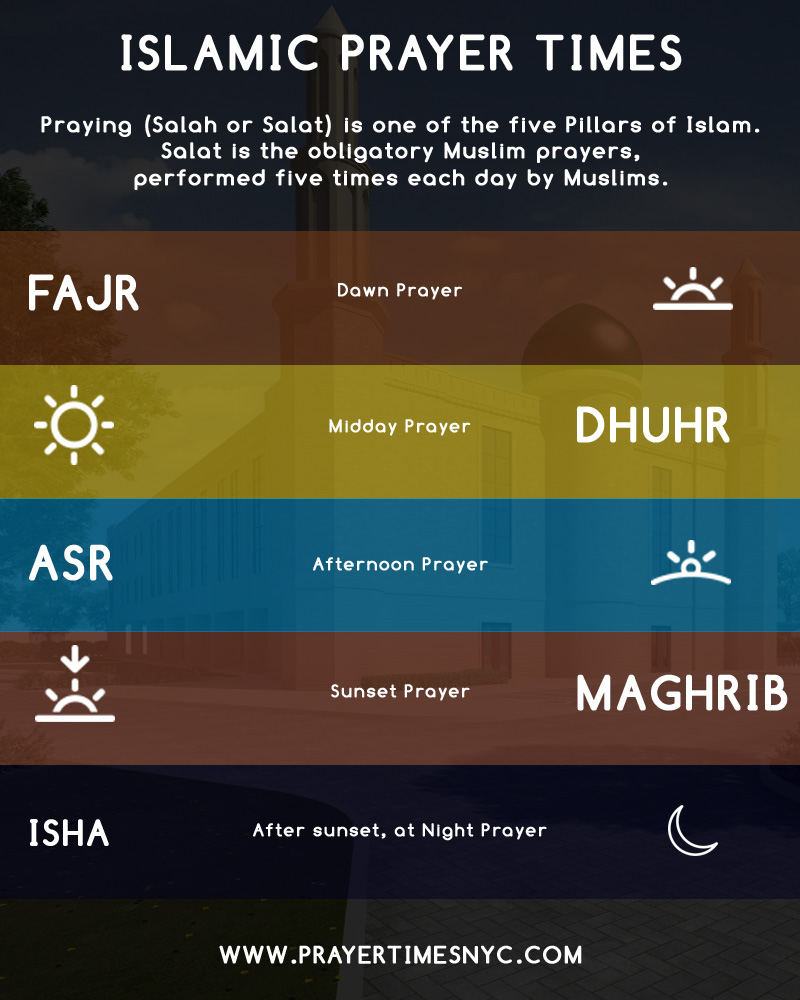
Navigating the spiritual rhythm of New York as a Muslim traveler or resident requires a delicate balance between the city’s relentless, 24-hour energy and the precise, quiet observances of the Islamic faith. For those observing the five daily prayers, Fajr—the dawn prayer—represents both a profound spiritual beginning and a logistical challenge. As the sun begins its ascent over the East River or filters through the skyscrapers of Manhattan, knowing exactly when the day begins in the eyes of faith is essential for a peaceful start in the “City That Never Sleeps.”
Understanding the Timing of Fajr in the Urban Landscape
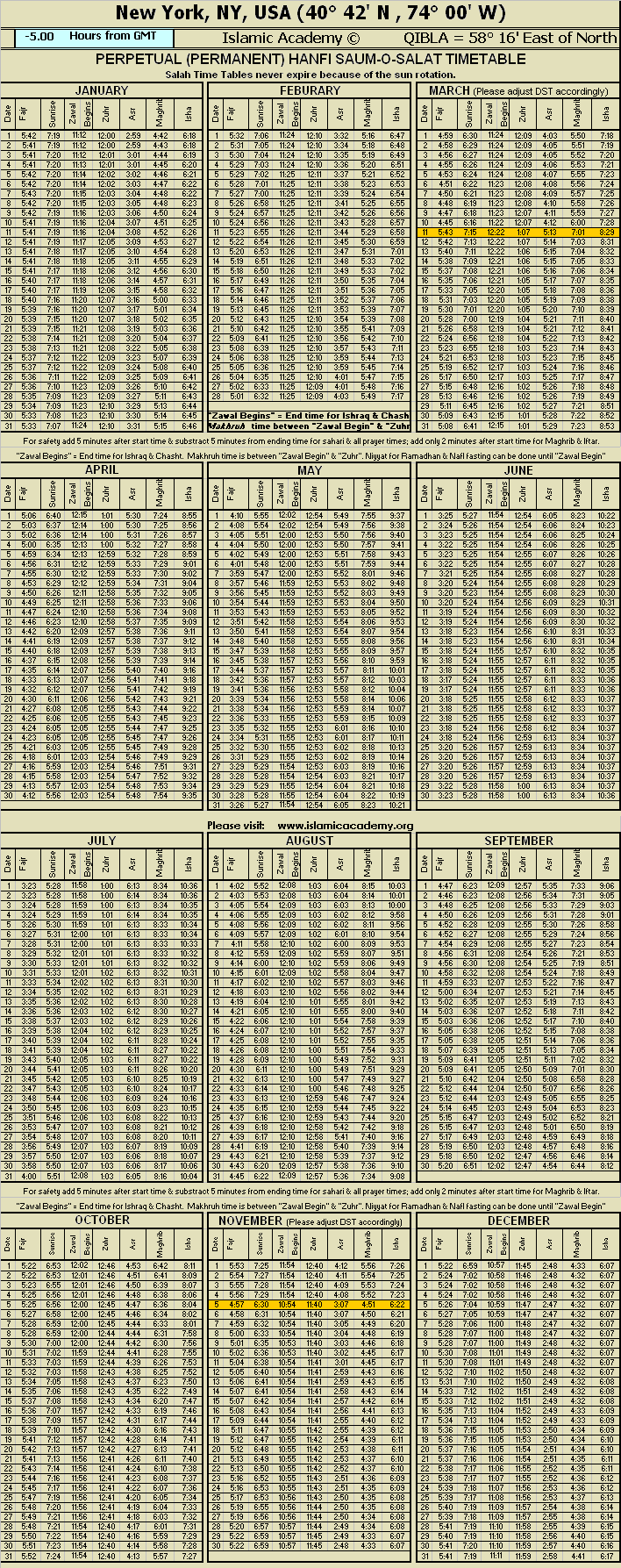
The timing of Fajr is dictated by the movement of the sun, specifically the appearance of the “true dawn” (al-fajr al-sadiq). Because New York City experiences significant seasonal variations in daylight—ranging from long, humid summer days to crisp, short winter afternoons—the time for Fajr shifts daily.

The Impact of Geography and Latitude
New York is positioned at a northern latitude where the difference in sunrise times between June and December is stark. In the height of summer, the dawn light can arrive as early as 3:30 AM or 4:00 AM, while in the dead of winter, the morning prayer window may push toward 5:30 AM or 6:00 AM. For travelers staying near Times Square or Central Park, the ambient light pollution of the city can sometimes mask the natural progression of dawn, making digital prayer apps and local mosque calendars indispensable tools for accuracy.
Seasonal Fluctuations
During the summer months, the night is short in North America. It is not uncommon for the period between Isha (the night prayer) and Fajr to be surprisingly brief. Visitors should be prepared for early wake-up calls during the warmer months, allowing them to witness a rare, quiet side of the city before the morning commute begins. In contrast, winter travelers will find that Fajr occurs during the time most tourists are still resting, allowing for a seamless integration of worship into a day of sightseeing.
Finding Spiritual Spaces in the Concrete Jungle
While the timing is fixed by nature, the space in which one prays is a matter of local infrastructure. New York boasts a diverse landscape of masjids and musallahs that cater to the massive Muslim population living and working in the boroughs of Brooklyn, Queens, and The Bronx.
Mosque Accessibility for Visitors
If you are staying in a hotel near Midtown Manhattan, you will find that many smaller prayer spaces are tucked away in office buildings or community centers. For those looking for a more established community experience, visiting larger institutions like the Islamic Cultural Center of New York on the Upper East Side offers a sense of stability and community. These landmarks serve as essential hubs for travelers seeking to connect with local congregants during the dawn hour.
Creating a Private Sanctuary
Many luxury hotels in New York, such as the The Plaza Hotel or the Waldorf Astoria New York, are increasingly accustomed to international guests who observe specific religious requirements. When booking, it is helpful to request a quiet room facing away from the bustling avenues to ensure that the dawn stillness is maintained. A simple Qibla compass app, combined with the hotel’s reliable Wi-Fi, ensures that you can perform your prayers with confidence within your suite.
The Cultural Significance of Dawn in New York
There is a unique tranquility to be found in New York just before the city truly wakes up. For the observant, Fajr is an opportunity to reclaim a moment of mindfulness amidst the chaos.
The “Quiet Hour” Experience
Walking through Washington Square Park or along the High Line shortly after Fajr provides a vantage point that few tourists ever witness. The city, usually defined by its frantic pace, feels suspended in time. This is when the architecture of the Empire State Building catches the first golden rays of the sun, and the delivery trucks and early-bird coffee vendors are the only signs of life.
Integrating Faith with Tourism
Observing Fajr early allows the traveler to structure their day for maximum productivity. By completing the morning prayer before 6:00 AM, you are perfectly positioned to visit popular landmarks like the Statue of Liberty or the 9/11 Memorial & Museum before the heavy crowds arrive. This rhythm aligns perfectly with the “early riser” strategy recommended by seasoned New York tour guides, ensuring you beat the queues while maintaining your spiritual discipline.
Essential Tips for the Traveling Observer
To ensure a smooth experience regarding prayer times while navigating the United States, keep the following logistics in mind:
- Reliable Timing Sources: Rely on well-regarded apps such as Muslim Pro or the official websites of major mosques like the Masjid Al-Hikmah. These sources account for the specific longitude and latitude of New York.
- Communal Prayer Considerations: If you intend to attend the congregational Fajr prayer, check the mosque’s website for “Iqama” times. While the start of the Fajr window is fixed by the sun, the congregational prayer time may vary slightly between institutions.
- Transportation at Dawn: While New York City public transit—specifically the New York City Subway—runs 24/7, the frequency of trains is lower during the pre-dawn hours. If you are traveling across boroughs, allow extra time for potential delays or consider using rideshare services for a direct route to a specific mosque.
- Etiquette in Public Spaces: While New York is a highly diverse city where people of all faiths are visible, it is always best to find a designated space for prayer rather than performing it in busy pedestrian thoroughfares like Fifth Avenue. Most parks, however, are large enough to offer secluded spots if you are caught away from your hotel during the prayer window.
Ultimately, the act of timing Fajr in New York is more than just a calculation; it is an act of grounding. In a city where everything moves at an accelerated speed, pausing for the dawn prayer provides a necessary anchor. Whether you are overlooking the Hudson River or finding a quiet corner in a hotel in Chelsea, the discipline of Fajr enables you to experience the city with a heightened sense of peace, clarity, and purpose. As you move from the silence of the dawn into the vibrant pulse of Manhattan, you carry with you a stillness that is entirely your own.
LifeOutOfTheBox is a participant in the Amazon Services LLC Associates Program, an affiliate advertising program designed to provide a means for sites to earn advertising fees by advertising and linking to Amazon.com. Amazon, the Amazon logo, AmazonSupply, and the AmazonSupply logo are trademarks of Amazon.com, Inc. or its affiliates. As an Amazon Associate we earn affiliate commissions from qualifying purchases.