
Planning a trip to the Sunshine State can be an exhilarating experience, filled with visions of pristine beaches, thrilling theme parks, and vibrant local culture. However, a seemingly simple question – “What time is Florida right now?” – holds more significance than you might initially realize. For any traveler, from the seasoned globetrotter to the first-time visitor, understanding the intricacies of Florida’s time zones is not just about setting your watch; it’s fundamental to crafting a seamless itinerary, optimizing your accommodation bookings, and maximizing every moment of your Floridian adventure.
This guide delves into the specifics of Florida’s time zones, exploring why this geographical detail is paramount for planning your travel, tourism, and overall lifestyle experience within the state. Whether you’re heading to the bustling streets of Miami, the enchanting attractions of Orlando, or the serene shores of the Florida Panhandle, grasping the time differential is your first step towards a truly stress-free and unforgettable journey.
Unraveling Florida’s Time Zones: A Traveler’s Essential Guide
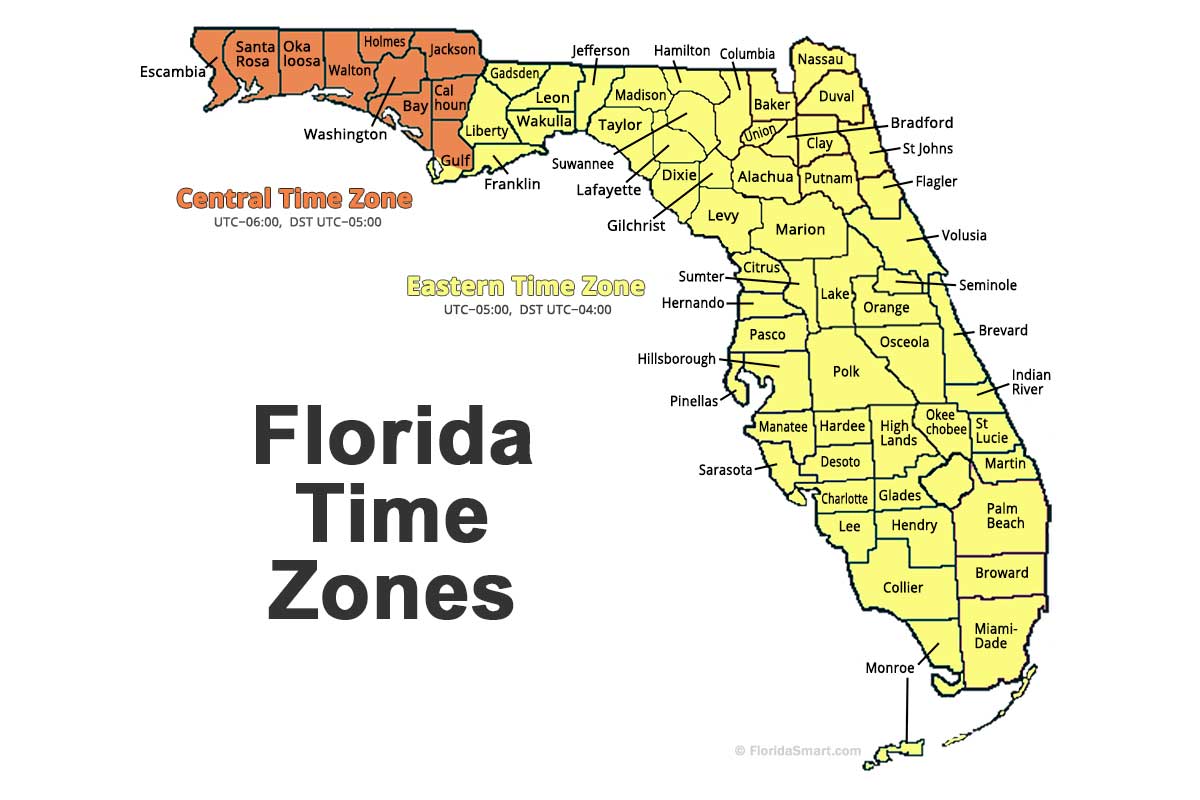
Unlike many states in the United States of America that adhere to a single time zone, Florida is unique in that it straddles two distinct time zones: the Eastern Time Zone (ET) and the Central Time Zone (CT). This split can often catch unsuspecting travelers off guard, leading to confusion with booking schedules, missed appointments, or even a delayed arrival at a highly anticipated event. Therefore, a clear understanding of where each zone applies is crucial for successful trip planning.
The Eastern Standard Time Dominance
The vast majority of Florida operates on Eastern Standard Time (EST) during standard hours and Eastern Daylight Time (EDT) when Daylight Saving Time is in effect. This encompasses all the state’s most popular destinations and major cities, making it the primary time zone for most visitors.
Cities such as Miami, Orlando, Tampa, Jacksonville, Fort Lauderdale, and the entire chain of the Florida Keys, including the iconic Key West, all fall within the Eastern Time Zone. This simplifies planning considerably if your entire trip is confined to this larger portion of the state. When you book a flight into Orlando International Airport, reserve a suite at a resort in South Beach, or schedule a visit to Walt Disney World Resort, you’ll be operating on Eastern Time.
For those traveling from regions outside the Eastern Time Zone, particularly from the west, remember to adjust your internal clock forward. For example, if you’re flying from the Central Time Zone, you’ll gain an hour upon arrival in most parts of Florida. Conversely, travelers from the Pacific Time Zone will experience a three-hour jump, necessitating careful consideration for potential jet lag and immediate activity planning.
Navigating the Central Time Zone in the Panhandle
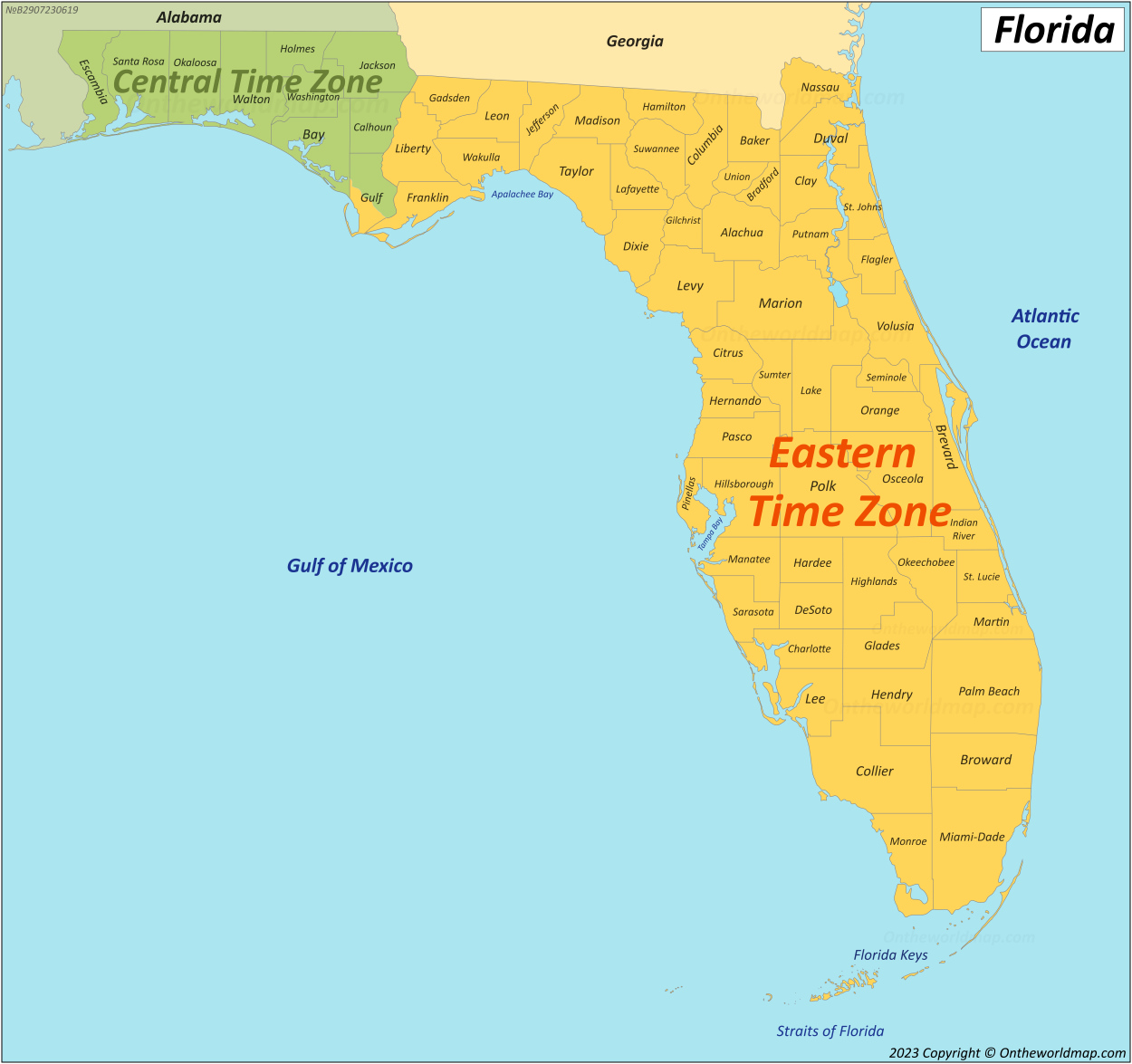
The geographical quirk comes into play in the westernmost counties of the Florida Panhandle, which observe the Central Time Zone (CT), specifically Central Standard Time (CST) and Central Daylight Time (CDT). This area borders Alabama and parts of Georgia that also adhere to Central Time.
The counties within the Central Time Zone include Escambia, Santa Rosa, Okaloosa, Walton, and Bay Counties. Popular cities and destinations in this region, such as Pensacola, Destin, and Panama City Beach, are all on Central Time.
This time zone shift is particularly important if your itinerary involves driving across the state, especially if you’re traveling from the main body of Florida into the Panhandle or vice versa. A one-hour difference can easily lead to missing a sunset cruise in Destin or arriving late for a dinner reservation in Pensacola if not accounted for. Always double-check the local time for your specific destination within the Panhandle to avoid any scheduling mishaps.
Why Time Zones Matter for Your Florida Itinerary
Understanding Florida’s dual time zones goes beyond mere curiosity; it’s a practical necessity for every aspect of your trip. From ensuring smooth transitions between activities to optimizing your budget and maximizing your leisure time, time zone awareness is an invaluable tool in your travel arsenal.
Seamless Travel and Accommodation Planning
The most immediate impact of time zones is on your travel logistics. Booking flights, for instance, requires careful attention to arrival and departure times, particularly if you have connecting flights or are coordinating pick-ups. A flight arriving at “3 PM” in Pensacola (CT) is effectively 4 PM Eastern Time, which could affect onward connections or ground transportation arrangements made from an Eastern Time perspective.
When it comes to hotels and accommodation, check-in and check-out times are strictly enforced. Arriving at your hotel in Destin an hour “late” by Eastern Time standards could lead to issues, especially if you had specific requests like early check-in or a desire to quickly drop off luggage before heading out. Similarly, coordinating a vacation rental, a villa, or an apartment with a host often involves precise timing for key exchanges or property tours. Reviews and comparisons of various accommodation options often highlight the importance of clear communication regarding arrival, and time zones play a significant role here. For those considering a long-term stay, this precision becomes even more critical for setting up utilities or receiving deliveries.
Furthermore, if you’re planning a business stay or need to maintain contact with colleagues or clients outside of Florida, understanding the time difference is non-negotiable for scheduling calls and meetings. Miscalculating can lead to missed opportunities or inconvenient interruptions.
Maximizing Your Experience at Attractions and Events
Florida is renowned for its world-class attractions, from theme parks to historical landmarks and natural wonders. The operating hours for places like Universal Orlando Resort, Busch Gardens Tampa Bay, Everglades National Park, or the Kennedy Space Center Visitor Complex are always published in their local time zone. For example, if you’re traveling from Tallahassee (ET) to a fishing charter departing from Panama City Beach (CT), you must account for the one-hour difference to arrive on time. An 8 AM departure from Panama City Beach means leaving Tallahassee at what would feel like 6 AM Eastern Time to ensure a timely arrival.
Similarly, booking tickets for specific shows, tours, or dining reservations requires precision. Imagine missing your dinner at a highly-rated restaurant in Key West because you miscalculated the time. Or worse, arriving at the Magic Kingdom an hour late for a coveted character breakfast reservation. This careful planning extends to experiencing local food festivals, sporting events, concerts, or even just catching the famous sunset celebration at Mallory Square in Key West. Every scheduled activity in your travel guides or through your booking platforms needs to be understood in its specific local time context.
Practical Tips for a Timeless Florida Vacation
With Florida’s time zone intricacies in mind, here are some actionable tips to ensure your vacation is perfectly synchronized and hassle-free, contributing to a truly memorable set of experiences.
Daylight Saving Time: Adjusting Your Clocks
Like most of the USA, Florida observes Daylight Saving Time (DST). This means that clocks are moved forward by one hour in the spring and back by one hour in the fall. During DST, Eastern Standard Time becomes Eastern Daylight Time, and Central Standard Time becomes Central Daylight Time.
This annual change adds another layer to time zone awareness. While most modern smartphones and devices automatically adjust, it’s always wise to confirm the time change, especially if you’re traveling around the spring or fall transition dates. Misjudging DST can lead to being an hour early or late for crucial events, regardless of whether you’re in Eastern or Central Time. Always verify the exact dates for Daylight Saving Time shifts if your trip coincides, ensuring that your internal and external clocks are perfectly aligned with local time.
Technology and Timekeeping on the Go
Leverage technology to your advantage. Most smartphones automatically update to the correct local time when you cross into a new time zone, provided location services are enabled. However, it’s a good practice to manually check your phone’s time settings, especially if you’re frequently crossing the Eastern and Central Time Zone boundary within Florida. A quick search for “current time in Pensacola” or “current time in Orlando” can quickly confirm the local time.
Additionally, consider using a dual-time watch or a world clock app if you are regularly communicating with people in different time zones, or if you’re traveling across the time zone boundary multiple times. When making reservations, always confirm that the time specified is the local time of the destination and, if in doubt, ask for clarification. Reputable hotels, resorts, and attractions are accustomed to these questions and can provide accurate information, helping you enjoy all the amenities and services without a hitch. This attention to detail, whether for luxury travel or budget travel, ensures a smooth operation for any family trips or solo adventures.

Beyond the Clock: Embracing Florida’s Rhythm
While understanding time zones is critical for logistical planning, it also plays a subtle role in truly experiencing Florida’s unique rhythm. The vibrant sunrises over the Atlantic Ocean on the Eastern Time coast offer a different energy than the breathtaking sunsets over the Gulf of Mexico in the Central Time Zone Panhandle. Each region, despite the time difference, invites you to slow down, relax, and soak in its specific charm.
Whether you’re exploring the rich history and architecture of St. Augustine, reveling in the natural beauty of Myakka River State Park, or indulging in the thrilling activities of Miami Beach, being aware of the time helps you to be present and engaged. It allows you to schedule your days efficiently, balancing exploration with relaxation. From sunrise yoga sessions to late-night entertainment, every minute counts in Florida.
Ultimately, “What time is Florida right now?” is more than a simple query; it’s a gateway to meticulously planning a journey that respects every hour of your precious vacation time. By mastering the nuances of Florida’s dual time zones and incorporating the practical tips outlined, you’re not just setting your watch; you’re setting the stage for an impeccably organized, enriching, and ultimately unforgettable Florida experience. Embrace the time, embrace the moment, and let Florida unfold at its own magnificent pace.
LifeOutOfTheBox is a participant in the Amazon Services LLC Associates Program, an affiliate advertising program designed to provide a means for sites to earn advertising fees by advertising and linking to Amazon.com. Amazon, the Amazon logo, AmazonSupply, and the AmazonSupply logo are trademarks of Amazon.com, Inc. or its affiliates. As an Amazon Associate we earn affiliate commissions from qualifying purchases.