
Few questions are as fundamental to a smooth travel experience as knowing when you can officially settle into your accommodation. Whether you’re embarking on a luxurious African safari, exploring the bustling streets of Tokyo, or simply planning a weekend getaway in a charming boutique hotel, understanding the standard hotel check-in time is crucial. It’s a key piece of information that influences everything from flight bookings and airport transfers to your itinerary for the first day, ensuring a seamless transition from your journey to relaxation. Misunderstanding check-in policies can lead to unexpected delays, additional fees, or even the stress of finding yourself with nowhere to store your luggage after a long journey.
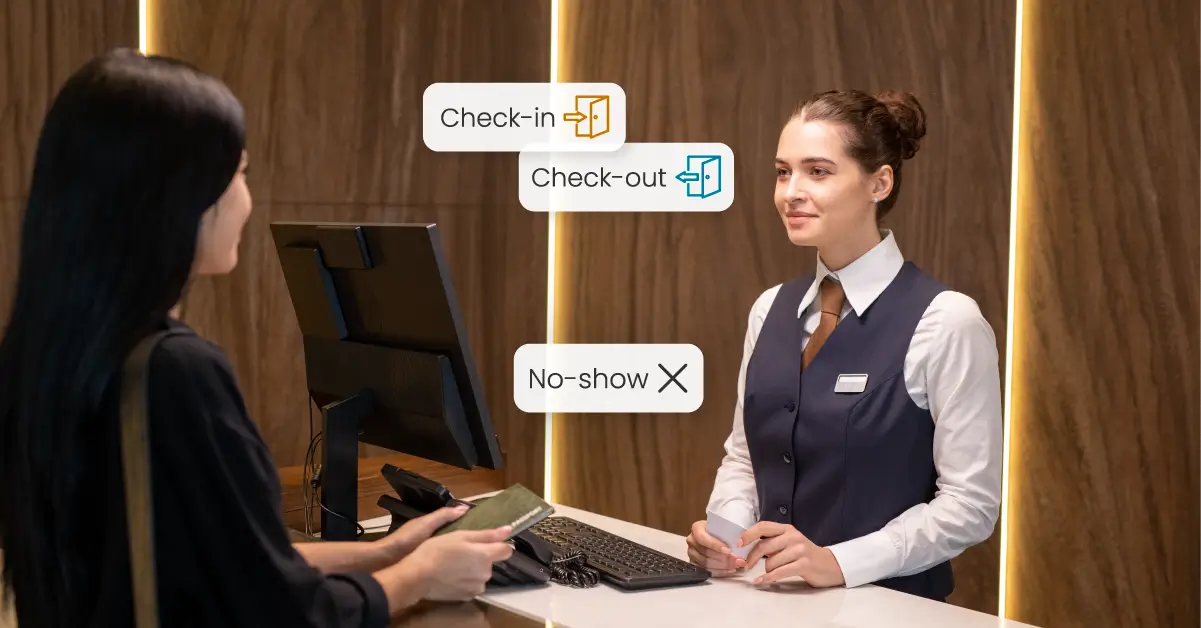
The concept of a hotel check-in time isn’t arbitrary; it’s a carefully orchestrated part of hotel operations designed to ensure every guest enjoys a pristine room and a comfortable stay. This guide will delve into the intricacies of hotel check-in, from the common industry standards to tips for navigating early arrivals and late departures. We’ll explore why these times exist, how they vary, and what strategies you can employ to make your accommodation experience as stress-free as possible, no matter your destination or travel style. Understanding these nuances is key to optimizing your trip, whether it’s a quick business stay or an extended family trip.
The Standard Hotel Check-In Time: What to Expect
When you book a stay at most hotels, whether a global chain like Marriott International or a cozy independent inn, you’ll typically find a standard check-in time posted. This uniformity across the industry is not by chance but by necessity, allowing hotels to manage their operations efficiently. Knowing this standard can significantly ease your travel planning, allowing you to schedule your arrival, explore the local culture, or simply unwind without unnecessary worry.
Why 3 PM is the Magic Hour
For many hotels worldwide, particularly in North America and Europe, 3:00 PM is the most common check-in time. This isn’t a random choice; it’s carefully calculated to optimize the hotel’s daily operational rhythm.
- Housekeeping Efficiency: The period between standard check-out (typically 11:00 AM or 12:00 PM) and check-in is the critical window for the housekeeping staff. During these few hours, rooms must be thoroughly cleaned, sanitized, inspected, and restocked to meet the high standards guests expect. Imagine the logistical challenge of hundreds of rooms needing attention simultaneously; a 3:00 PM check-in allows adequate time for this intensive process, ensuring every new guest walks into a spotless environment.
- Staff Scheduling: This timing also allows hotels to efficiently schedule their staff, from front desk agents handling arrivals to bellhops assisting with luggage and maintenance crews addressing any last-minute repairs. It creates a predictable flow, reducing bottlenecks and improving the overall guest experience.
- Guest Turnover: A later check-in time like 3:00 PM also acknowledges that many guests arriving from other cities or countries will have spent a good portion of the day traveling, often experiencing time zone changes. It gives them a realistic window to reach the hotel, especially if they’ve taken advantage of a morning flight or train connection. This standard helps manage expectations, ensuring guests don’t arrive to find their room unprepared.
Understanding this operational dance behind the scenes can help travelers appreciate why early check-ins aren’t always guaranteed and why the standard time is so prevalent. It’s a system designed to benefit everyone involved.
Understanding the Check-Out Connection
The other side of the check-in coin is the check-out time. Most hotels stipulate a check-out time of 11:00 AM or 12:00 PM. This window is directly linked to the 3:00 PM check-in, creating the crucial few hours needed for room preparation.
- The Turnaround Window: This three-to-four-hour gap is when the magic of hotel operations happens. As soon as a guest checks out, the room is flagged for cleaning. Housekeeping teams work diligently to transform the space for the next arrival. This includes changing linens, cleaning bathrooms, vacuuming, dusting, sanitizing surfaces, and replenishing amenities like toiletries, coffee supplies, and minibar items.
- Quality Assurance: After cleaning, many hotels have a supervisor inspect the room to ensure it meets cleanliness and readiness standards. This multi-step process guarantees that when you arrive for check-in, your room is not just clean, but impeccably so, reflecting the hotel’s commitment to quality.
- Impact on Availability: The check-out time directly impacts when a room becomes available for a new guest. If a hotel has a high occupancy rate and many guests are departing on a given day, the entire inventory of rooms needs to go through this thorough cleaning process before new guests can be assigned. This explains why an early check-in is contingent on both specific room availability and the efficiency of the housekeeping department. It’s a delicate balance of logistics and guest satisfaction, ensuring that the next person to stay in the room enjoys the same pristine condition.
Navigating Early Check-In and Late Check-Out
While standard times provide a useful framework, travel often throws curveballs. Early morning flights might land you in a city like New York City long before 3:00 PM, or a late evening flight out of London might leave you with hours to spare after the midday check-out. Fortunately, hotels often have provisions for these situations, though success usually hinges on preparation and communication.
Strategies for an Early Arrival
Arriving early at your hotel can be a common scenario, especially for those on long-haul flights or trying to maximize their time in a destination like Rome or Barcelona. Here’s how you can approach it:
- Communicate in Advance: The absolute best strategy is to inform the hotel of your early arrival plans ahead of time. When making your reservation, include your estimated arrival time. A day or two before your stay, call or email the hotel directly. Politely inquire about the possibility of an early check-in. While they can’t guarantee it, especially during peak seasons or high occupancy, this heads-up allows them to prioritize your room if possible. Some hotels, like the Hilton Hotels & Resorts chain, even offer this as an option through their mobile apps.
- Lobby and Luggage Storage: If an early check-in isn’t feasible, don’t despair. Almost all hotels offer complimentary luggage storage. You can drop off your bags, often with the concierge or at the front desk, and immediately head out to explore. This frees you from dragging your suitcases around and allows you to kickstart your travel experience. You can grab breakfast, visit a nearby landmark, or just take a walk to get acquainted with your surroundings.
- Lounge Access or Day Passes: For those seeking a bit more comfort, some hotels, particularly higher-end establishments or those catering to business travel, might offer access to their executive lounge or amenities like the spa or gym for a few hours. This can be a comfortable way to relax, catch up on emails, or freshen up before your room is ready. Inquire about these options, as some may come with an additional fee or be part of a loyalty program perk.
- Consider a “Day Use” Room: In some cases, especially if you have a very early arrival (e.g., 6 AM) and need a place to rest immediately, you might consider booking a “day use” room. These are rooms rented for a few hours during the day, specifically for this purpose, often at a reduced rate. While not universally available, it’s an option worth exploring with the hotel directly, particularly in major international airports or transit hubs.
Maximizing Your Departure Day
Just as arriving early can be a challenge, a late departure can leave you with a similar dilemma: what to do with your time and luggage after check-out but before your flight or next activity.
- Request Late Check-Out: Similar to early check-in, your best bet is to request a late check-out. This should ideally be done the day before your departure or on the morning of check-out. Hotels are generally more accommodating with late check-outs, especially if they don’t have a high occupancy rate for the following night.
- Complimentary Extension: Many hotels will offer an hour or two past the standard check-out time (e.g., until 1 PM or 2 PM) free of charge, especially if you’re a loyalty program member or if the hotel isn’t fully booked.
- Hourly Fee: For a longer extension (e.g., until 4 PM or 6 PM), some hotels might charge an hourly fee or a half-day rate. This can be a worthwhile investment if you have a very late flight and want to relax, shower, or work comfortably before heading to the airport. In popular destinations like Las Vegas or Dubai, this can be a common practice.
- Utilize Luggage Storage: Again, the hotel’s luggage storage service is your best friend. Even if you can’t get a late check-out, you can store your bags and spend the day exploring, dining, or shopping unencumbered. This is a standard amenity, and staff will securely tag and store your items until you’re ready to leave.
- Enjoy Hotel Amenities: After checking out and storing your bags, you can still often enjoy many of the hotel’s public amenities. This might include the hotel restaurant or café, the lobby, the business center, or even the pool or gym (though access might be restricted to guests with an active room key or require a day pass in some cases). If you’re staying at a resort in Cancun or Thailand, spending a few extra hours by the pool can be a perfect end to your vacation.
- Plan a Local Activity: Use the time between check-out and your departure to visit a museum, enjoy a final meal at a highly-rated local restaurant, or revisit a favorite attraction. With your luggage safely stored, you can fully immerse yourself in the last moments of your trip without feeling rushed. This is especially useful in vibrant cities like Sydney or Amsterdam where there’s always something new to discover.
Factors Influencing Check-In Times
While 3:00 PM is a widely recognized standard, it’s far from universal. Various factors can influence a hotel’s specific check-in time, ranging from its location and target demographic to your booking terms and personal loyalty status. Being aware of these variables can help you anticipate and plan accordingly for your accommodation.
Hotel Type and Destination
The kind of hotel you choose and its geographical location can significantly impact check-in policies.
- International Variations: While 3:00 PM is common in the United States and parts of Europe, other regions might have different norms. In some Asian countries, for example, an earlier check-in time like 2:00 PM might be more prevalent, especially in business-oriented hotels. Conversely, some smaller, independent hotels or guesthouses might have more flexible, though less standardized, policies.
- Resorts and Leisure Properties: Large resorts, such as those found in Miami or the Caribbean, often adhere strictly to the 3:00 PM or even 4:00 PM check-in time. This is due to the sheer volume of rooms and the extensive amenities that require servicing between guests. These properties might also have a higher number of guests departing and arriving on the same day, especially during peak holiday seasons.
- Budget vs. Luxury: Budget accommodations, while still operating on a turnaround schedule, might have slightly earlier check-in times (e.g., 2:00 PM) if they offer fewer amenities or a streamlined cleaning process. Conversely, ultra-luxury hotels like a Four Seasons Hotels and Resorts property or a Ritz-Carlton might emphasize personalized service, making more of an effort to accommodate early arrivals, though it’s still subject to room availability and is often a perk for their most valued guests.
- Specialized Accommodation: Apartment hotels, villas, or vacation rentals often have unique check-in procedures, sometimes involving key pick-up from an off-site location or self-check-in instructions. Their check-in times can vary widely, from early afternoon to late evening, and are typically communicated very clearly during the booking process. Always double-check these details, as they can differ significantly from traditional hotel policies.
Your Loyalty Status and Booking Terms
Your relationship with a hotel brand and the specifics of your reservation can also play a role in check-in flexibility.
- Hotel Loyalty Programs: Being a member of a hotel’s loyalty program, particularly achieving elite status (e.g., Marriott Bonvoy Platinum, Hilton Honors Gold), often comes with perks like guaranteed late check-out (sometimes until 4:00 PM) and a higher likelihood of early check-in, subject to availability. These benefits are a significant draw for frequent travelers and highlight the value of sticking with a particular brand.
- Direct Bookings vs. Third-Party: When you book directly through the hotel’s website, you generally have more leverage and access to direct communication with the property. This often makes it easier to request and potentially receive special considerations like early check-in or late check-out. Third-party booking sites (Online Travel Agencies or OTAs) often act as intermediaries, which can sometimes complicate direct requests or make them subject to the OTA’s specific agreements with the hotel.
- Room Type and Availability: The type of room you booked can influence early check-in. If you booked a standard room, and that particular category is heavily booked, your chances of an early check-in might be lower. Conversely, if you booked a suite or a less common room type, there might be more flexibility. The hotel’s overall occupancy on your arrival day is the most significant factor: if the hotel is fully booked the night before your arrival, early check-in becomes exceedingly difficult.

Smart Planning for Seamless Hotel Stays
A well-planned trip minimizes stress and maximizes enjoyment, and understanding hotel check-in times is a cornerstone of this philosophy. By adopting a proactive approach, you can navigate potential challenges and ensure your travel experience is smooth from the moment you arrive until your final departure.
- Research in Advance: Always confirm the exact check-in and check-out times when you book your accommodation. This information is usually available on the hotel’s website, your booking confirmation, or reputable travel guides. Don’t assume; verify. This simple step can prevent many headaches.
- Align with Your Itinerary: When booking flights or train tickets, try to align your arrival time with the hotel’s check-in window. If an early arrival is unavoidable, have a plan. Perhaps you’ve pre-booked a city tour, a museum visit to the Louvre Museum in Paris, or a relaxing meal at a highly-rated restaurant, knowing you can drop your bags at the hotel first.
- Be Flexible: While it’s good to plan, sometimes circumstances change. Be prepared for the possibility that an early check-in or late check-out might not be available, especially during peak travel seasons or at popular destinations like Prague or Reykjavik. Have a backup plan for your luggage and an activity to fill your time.
- Leverage Technology: Many modern hotel chains offer mobile check-in options through their apps. This can sometimes expedite the process, allowing you to bypass the front desk and head straight to your room if it’s ready. Some even allow you to select your room or use your phone as a digital key, enhancing convenience.
- Consider Travel Insurance: For truly critical situations, like missing a connection that drastically alters your arrival time, travel insurance might cover losses incurred from unused accommodation days, though this is for more extreme scenarios than just a slightly early arrival.
Ultimately, mastering hotel check-in times is about being informed, communicating effectively, and remaining flexible. Whether you’re planning a luxury travel escape or a budget travel adventure, understanding these nuances will empower you to make the most of your trip, ensuring that your accommodation experience adds to the joy of your journey rather than detracting from it. So, the next time you’re packing your bags, remember to check that crucial check-in time and plan for a smooth, stress-free start to your stay.
LifeOutOfTheBox is a participant in the Amazon Services LLC Associates Program, an affiliate advertising program designed to provide a means for sites to earn advertising fees by advertising and linking to Amazon.com. Amazon, the Amazon logo, AmazonSupply, and the AmazonSupply logo are trademarks of Amazon.com, Inc. or its affiliates. As an Amazon Associate we earn affiliate commissions from qualifying purchases.