
The seemingly simple question, “What time is hotel check out?”, belies a complex interplay of operational efficiency, guest convenience, and modern travel demands. While a standard answer of 11 AM or 12 PM often applies, the reality is far more nuanced, influencing everything from your travel plans to your overall vacation experience. Understanding the intricacies of hotel check-out policies can transform a rushed morning into a relaxed departure, ensuring your trip concludes as smoothly as it began. This guide delves into the standard practices, the art of requesting extensions, and the smart strategies to make the most of your final day, whether you’re embarking on a luxurious escape or a budget-friendly adventure.

The Standard Hotel Check-Out Time: Understanding the Norm
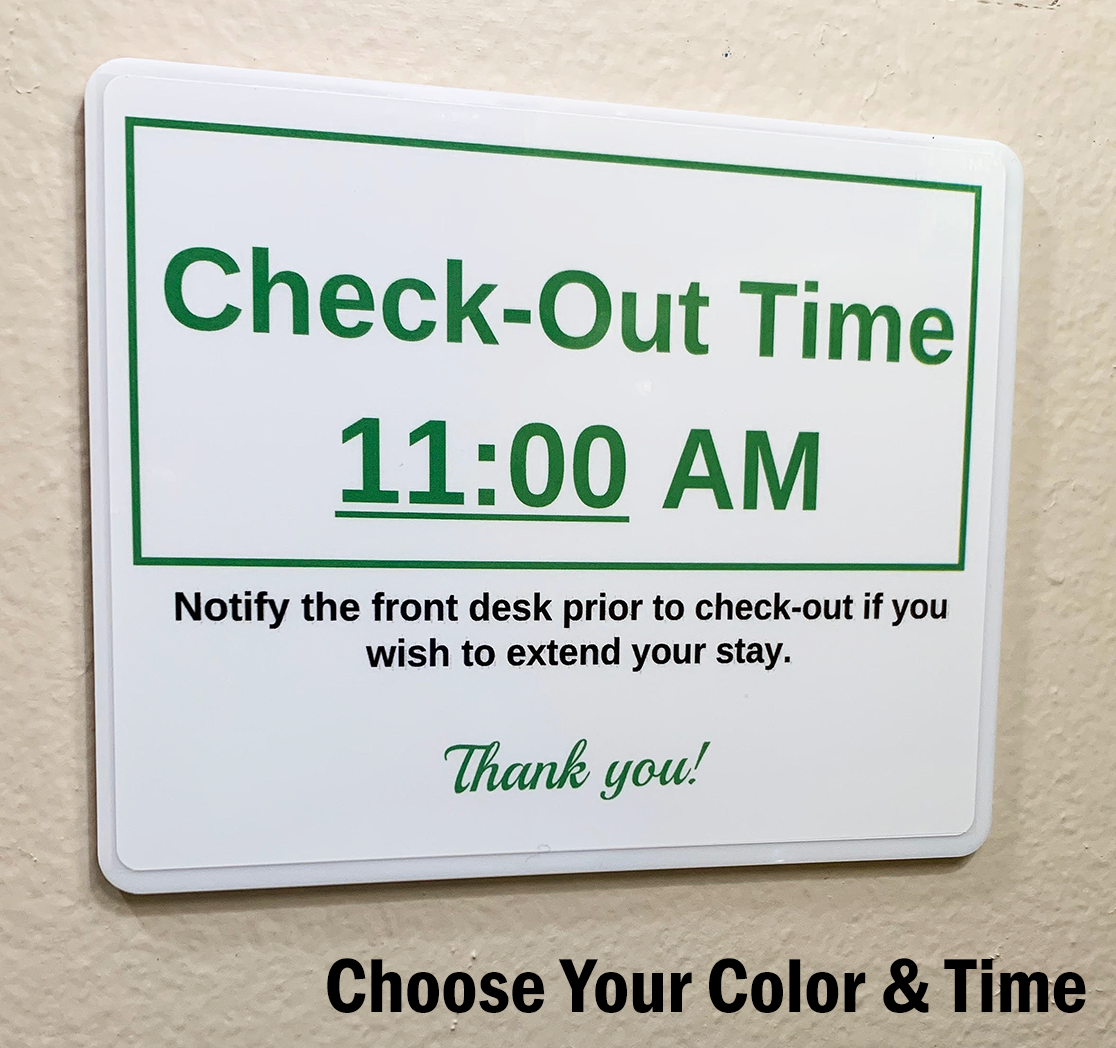
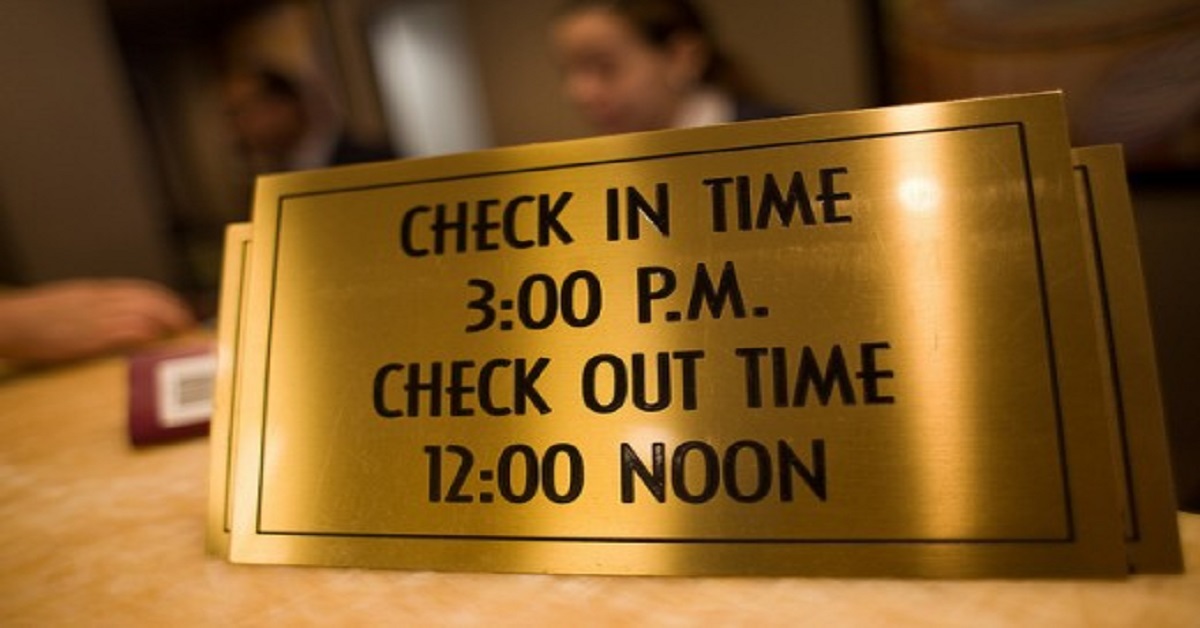
For most hotels around the globe, the typical check-out time hovers between 11 AM and 12 PM. This isn’t an arbitrary decision but a carefully calculated window designed to optimize hotel operations. From bustling urban hotels in New York City to serene resorts in the Maldives, this timeframe is a global benchmark. Understanding why this standard exists is key to navigating your departure smoothly.
Why 11 AM or 12 PM? The Operational Rationale
The primary reason hotels adhere to strict check-out times is to facilitate the meticulous process of room preparation for incoming guests. Consider the intricate dance that happens behind the scenes:
- Housekeeping Efficiency: Once guests depart, housekeeping staff must move swiftly to clean, sanitize, and restock each room to the hotel’s exacting standards. This includes changing linens, scrubbing bathrooms, vacuuming, and performing detailed checks to ensure everything is perfect. A consistent check-out time allows the housekeeping department to plan their routes and allocate staff efficiently, ensuring that a significant number of rooms are ready by the standard check-in time, typically 3 PM or 4 PM. This three-to-four-hour window between check-out and check-in is crucial for hotels to maintain high standards of cleanliness and service.
- Next Guest Arrival: New guests are eagerly awaiting their rooms. Without a structured check-out time, the flow of arrivals and departures would become chaotic, leading to long waits at the front desk and disgruntled customers. Hotels strive to provide a seamless check-in experience, and having rooms ready on schedule is paramount to achieving this.
- Operational Turnover: Beyond housekeeping, other departments rely on this window. Maintenance teams might address minor repairs, minibar attendants restock, and management reviews room status. The coordinated effort of an entire hotel staff hinges on predictable room availability. This operational rhythm is vital for hotels, from independent boutique properties to global chains like Marriott International or Hilton Worldwide.
Regional and Property-Specific Variations
While 11 AM or 12 PM is common, there can be slight variations based on the type of accommodation, its location, and its target demographic:
- Business Hotels: In major business hubs like London or Tokyo, business travelers often have early flights or meetings, so some business-oriented hotels might slightly earlier check-out times or be more accommodating for early departures.
- Resorts and Leisure Properties: Luxury resorts, especially those focusing on relaxation and extended stays, might offer slightly more flexibility, though their standard times remain consistent. Their guests often have later flights or want to enjoy amenities for longer.
- Boutique Hotels and Guesthouses: Smaller, independent establishments might operate with more flexibility due to fewer rooms and a more personalized service model. However, they also often have smaller staff teams, meaning strict adherence can be just as important for their operational flow.
- Apartment Rentals and Villas: For self-catering apartments or private villas, especially those booked through platforms like Airbnb (though not a hotel, it’s a common accommodation type), check-out procedures can vary greatly. Some might have key drop-off instructions and less stringent timings, while others might have cleaners scheduled at a specific hour, making punctuality crucial.
The Consequences of Overstaying Your Welcome
Ignoring the check-out time can lead to a few unwelcome surprises:
- Late Check-Out Fees: The most common consequence is a late check-out fee. This can range from a nominal charge to a full night’s rate, especially if you extend significantly past the grace period without prior arrangement. Hotels need to be compensated for the disruption to their schedule and the potential inability to prepare the room for the next guest.
- Disruption to Housekeeping: An unexpected delay can throw off the entire housekeeping schedule, potentially delaying room availability for subsequent arrivals and creating a backlog for staff.
- Impact on Guest Experience: If your room isn’t ready when you arrive, it directly impacts your initial impression of the hotel. Overstaying guests contribute to this chain reaction.
It’s always best to communicate any potential delays with the front desk as early as possible. Proactive communication is not just courteous; it’s often the key to avoiding fees and ensuring a smooth departure for everyone involved.
Navigating Early Departures and Seeking Late Check-Out
While the standard check-out time provides a framework, travel itineraries are rarely perfectly aligned. Whether you need to leave before dawn or wish to linger until evening, understanding how to navigate early departures and, more importantly, secure a late check-out, is an invaluable skill for any traveler.
When Early Check-Out Makes Sense
Sometimes, circumstances dictate an early departure. You might have an early morning flight, an urgent business meeting, or simply prefer to hit the road before the crowds.
- Informing the Hotel: For very early departures (e.g., before 6 AM), it’s good practice to inform the front desk the night before. This allows them to prepare your bill, if necessary, and ensures a quick and seamless process. You can often pre-authorize your credit card for express check-out, allowing you to simply drop your keys and go.
- No Financial Penalties (Usually): Unlike late check-out, departing early rarely incurs penalties, provided you’ve paid for the full duration of your booked stay. Some non-refundable rates might not offer any refund for unused nights, but you won’t be charged extra for leaving before the official check-out time.
Mastering the Art of Requesting a Late Check-Out
A late check-out is often considered a luxury, offering the peace of mind to enjoy a leisurely morning, fit in some last-minute sightseeing, or simply avoid airport waits. It’s a highly sought-after perk, and knowing how to ask effectively can significantly increase your chances of success.
- When to Ask:
- At Booking: If a late check-out is crucial for your travel plans, inquire about its availability and cost when making your reservation. Some hotels, especially higher-end establishments, might offer guaranteed late check-out as part of a premium package or at an additional fee.
- Upon Arrival: You can politely inquire during check-in. The front desk staff might have a better idea of the next day’s occupancy, though it’s often too early to confirm definitively.
- The Morning of Departure: This is usually the best time to ask. By the morning of your check-out day, the hotel will have a clear picture of their occupancy for the upcoming night and how many rooms are expected to be available or need immediate turnover. A quick call to the front desk or a polite in-person request is usually sufficient.
- How to Ask: Be polite, understanding, and clear about your desired time. Instead of demanding, frame it as a request: “Would it be possible to request a late check-out today, perhaps until 2 PM or 3 PM?” Explain briefly if you have a valid reason, such as a late flight from Heathrow Airport or a business meeting.
Factors Influencing Late Check-Out Approval
Several elements play into a hotel’s decision to grant a late check-out:
- Hotel Occupancy: This is arguably the most critical factor. If the hotel is fully booked for the upcoming night, or if your specific room type is in high demand, a late check-out is far less likely as your room will be needed for an arriving guest. Conversely, if occupancy is low, hotels are usually more flexible.
- Room Type: Certain room categories, especially suites or highly specialized rooms, might have tighter availability, making late check-out harder to secure.
- Loyalty Program Status: Guests with elite status in a hotel’s loyalty program (e.g., Marriott Bonvoy Platinum, Hilton Honors Diamond) often receive late check-out as a guaranteed or priority benefit. This is one of the most significant perks of hotel loyalty.
- Reason for Request: While not always necessary to disclose, a legitimate reason (e.g., a late flight, a need for a quiet space for a work call before traveling, a medical appointment) can sometimes sway the decision in your favor.
- Hotel Policy and Brand: Different hotel chains and individual properties have varying policies regarding late check-out. Some are inherently more flexible than others, particularly those emphasizing luxury and personalized service, like a Four Seasons Hotel in Paris.
The Costs and Benefits of an Extended Stay
Late check-out options typically fall into a few categories:
- Complimentary: Often granted to loyal guests or when hotel occupancy allows, usually extending until 1 PM or 2 PM.
- Half-Day Rate: For extensions until 4 PM or 6 PM, hotels might charge a half-day rate, which is typically 30-50% of the standard room rate. This compensates the hotel for the lost revenue opportunity of potentially selling the room that day or the extra burden on housekeeping.
- Full Night’s Rate: If you need to stay significantly beyond the afternoon (e.g., until evening or night), the hotel will likely charge you for an additional night. At this point, you’re essentially booking a “day use room.”
The benefits, however, often outweigh the cost for many travelers: a relaxed morning, the ability to shower and change before a long journey, extra time to pack without rushing, or the opportunity to enjoy the hotel’s amenities one last time. It truly enhances the “Lifestyle” aspect of your trip, allowing for more leisurely travel.
Maximizing Your Day After Check-Out
Even if a late check-out isn’t possible, your travel experience doesn’t have to end abruptly at noon. Hotels, understanding the varied itineraries of their guests, offer several services and strategies to help you make the most of your day, bridging the gap between check-out and your onward journey. This is where clever planning integrates with smart accommodation choices.
The Unsung Hero: Hotel Luggage Storage
One of the most valuable, and often complimentary, services a hotel offers is luggage storage. This is a game-changer for anyone facing hours between check-out and their flight, train, or next destination.
- How it Works: Simply inform the front desk that you’d like to store your bags. They will typically tag your luggage with a unique identifier and provide you with a claim ticket. Your bags are then safely stored in a secure area, usually near the concierge or bell desk.
- Benefits:
- Freedom to Explore: With your bags securely stored, you’re free to explore the city, visit landmarks like the Eiffel Tower, enjoy a final meal, or simply relax without the burden of carrying your belongings. This enhances your tourism experience significantly.
- Convenience: No need to drag heavy suitcases through crowded streets or public transport.
- Peace of Mind: Knowing your belongings are safe allows you to fully immerse yourself in your final hours of travel.
- Tipping: While not always required, a small tip for the bell staff when they retrieve your luggage is a kind gesture, especially if they’ve handled multiple bags or provided excellent service.
Day-Use Rooms and Courtesy Options
For travelers with a significant gap between check-out and departure, or those needing a private space for an important call or a refreshing shower, a day-use room can be an excellent solution.
- Day-Use Rooms: Some hotels formally offer “day-use” rates, allowing you to book a room for a few hours during the day without paying for an overnight stay. This is particularly common near airports or in business districts. It provides a private space, access to a bed, and bathroom facilities, making long layovers or late departures much more comfortable. Prices vary but are typically less than a full night’s stay.
- Courtesy Rooms/Facilities: While less common than dedicated day-use rooms, some hotels, especially larger resorts or those catering to specific travel groups, might offer a “courtesy room” or access to changing facilities (e.g., at the spa or fitness center) for guests who have checked out but need to freshen up before heading to the airport. This is a great perk that falls under exceptional “Accommodation” services. Inquire at the front desk or concierge about such options.
Exploring Your Destination Post-Departure
With your luggage stored and any necessary day-use arrangements made, your final hours can be an extension of your vacation.
- Last-Minute Sightseeing: Revisit a favorite attraction or discover a new neighborhood you didn’t have time for earlier. Many major cities like Rome or Singapore offer endless possibilities.
- Dining Experiences: Enjoy a leisurely lunch or an early dinner at a local restaurant. Savoring the local cuisine is a fantastic way to conclude your trip.
- Spa or Fitness Center: Utilize the hotel’s spa or gym facilities one last time for a relaxing workout or a pampering treatment.
- Shopping: Catch up on souvenir shopping or pick up those last-minute gifts.
- Relaxation: Find a comfortable spot in the hotel lobby, a nearby park, or a cafe to read, work, or simply people-watch.
By leveraging these options, you can transform the often-dreaded interval between check-out and departure into an enjoyable and productive part of your journey, ensuring a positive lasting impression of your travel experience.
Loyalty Programs and the Check-Out Advantage
For frequent travelers, hotel loyalty programs are more than just points and free nights; they are gateways to enhanced experiences, with late check-out being one of the most coveted benefits. Membership in programs like World of Hyatt or Accor Live Limitless can fundamentally alter your check-out flexibility, turning a request into a guaranteed privilege.
How Status Elevates Your Check-Out Experience
As you climb the tiers of a hotel loyalty program, the benefits regarding check-out become increasingly attractive:
- Guaranteed Late Check-Out: Many mid-to-high tier elite statuses (e.g., Gold, Platinum, Diamond) offer guaranteed late check-out, often until 2 PM or 4 PM, subject to availability at resorts and convention hotels, but usually consistent at standard properties. This means you don’t have to stress about asking or fearing a refusal; it’s a published benefit. For instance, Marriott Bonvoy Platinum Elite members and above receive guaranteed late check-out until 4 PM, provided it’s not a resort or convention property. Hilton Honors Diamond members also enjoy similar flexibility.
- Priority for Extensions: Even if late check-out isn’t guaranteed, elite members are typically given priority when requesting extensions. If two guests ask for a 2 PM check-out and only one room is available for the extension, the elite member is likely to receive it.
- Personalized Service: Hotels often recognize and reward their most loyal guests. This can translate into more flexible arrangements, complimentary extensions beyond the standard, or offers of day-use facilities without charge. This embodies the “Lifestyle” aspect of luxury travel.
Beyond Late Check-Out: Other Loyalty Perks
While late check-out is a major draw, loyalty programs offer a suite of benefits that enhance the entire accommodation experience, indirectly contributing to a smoother departure:
- Room Upgrades: Elite members frequently receive complimentary room upgrades, which can mean more space and comfort for packing or relaxing before departure.
- Complimentary Breakfast: A free breakfast means you can enjoy a leisurely meal on your check-out morning without worrying about additional costs.
- Dedicated Customer Service: Elite members often have access to dedicated lines or concierge services, making it easier to arrange special requests, including late check-out.
- Express Check-Out: Expedited check-out processes, often via the hotel app or a quick drop of keys, can save valuable time on your departure day.
Investing in a hotel loyalty program, whether through frequent stays or co-branded credit cards, can significantly elevate your travel experience, particularly when it comes to the often-overlooked but crucial aspect of check-out flexibility. It transforms the final hours of your stay from a rushed conclusion into a relaxed continuation of your journey.
Check-Out Across Different Accommodation Types
While the 11 AM to 12 PM window remains a common thread, the nuances of check-out can vary significantly depending on the type of accommodation. From sprawling resorts to intimate boutique hotels, understanding these differences helps set expectations and ensures a seamless departure, aligning with various travel styles and needs.
Resorts, Apartments, and Boutique Hotels: Subtle Differences
- Resorts: Large resorts, especially those in popular tourist destinations like Cancun or the Caribbean, often have very strict check-out times. This is because they manage a high volume of guests and often have specific packages that include lunch or amenities up to a certain point. While they might be generous with luggage storage and access to common facilities (pools, beaches) post-check-out, extending your room stay can be challenging due due to high demand and pre-booked arrivals. However, their comprehensive concierge services are usually excellent at facilitating onward travel arrangements.
- Serviced Apartments and Aparthotels: These accommodations, common in major cities like Dubai or Sydney, combine hotel services with the space and amenities of an apartment. Check-out times are typically standard (11 AM/12 PM), but their larger units might take longer to clean, making late check-outs less frequent unless explicitly arranged and paid for. Their advantage often lies in facilities like full kitchens, which can be utilized for a leisurely breakfast before packing up. They cater well to longer stays and family trips.
- Boutique Hotels: Often celebrated for their unique charm, personalized service, and distinct design, boutique hotels, particularly those in historic districts like Florence, might offer more flexibility if their occupancy allows. With fewer rooms and a more intimate atmosphere, front desk staff can sometimes accommodate requests that larger chains might deny, fostering a more bespoke “Accommodation” experience. However, their smaller staff can also mean less leeway if cleaning schedules are tight.
- Bed & Breakfasts (B&Bs) and Guesthouses: These smaller, often family-run establishments usually have the most flexible check-out times, depending on the individual proprietor. They might ask for a specific departure time to allow for cleaning, but often without the rigid fees of larger hotels. Communication is key here; a friendly chat with your host can often lead to a mutually agreeable arrangement.
The Future of Flexible Check-Out
The hospitality industry is continually evolving, driven by guest demands for greater flexibility and personalized experiences. Concepts like “check-in/check-out when you want” are emerging, particularly within luxury segments or for tech-forward brands.
- 24-Hour Stays: Some innovative hotels are experimenting with 24-hour stay policies, where your check-out time is exactly 24 hours after your check-in time, regardless of the clock. This model, while challenging operationally, offers ultimate flexibility for travelers.
- App-Based Requests and Guarantees: As technology advances, more hotels are integrating late check-out requests directly into their mobile apps, allowing for seamless communication and even instant confirmation based on real-time availability.
- Predictive Analytics: Hotels are increasingly using data analytics to predict occupancy and demand, which could lead to more proactive offers for late check-out to specific guests, improving overall guest satisfaction and operational efficiency.
Ultimately, regardless of the type of accommodation, the golden rule for check-out remains communication. A polite request, made at the appropriate time, can often yield the desired flexibility, ensuring your travel experience concludes on a high note. By understanding the hotel’s operational needs and utilizing the services available, you can transform the often-stressful check-out into a smooth and pleasant part of your journey, whether you’re traveling for business or embarking on a relaxing holiday.
LifeOutOfTheBox is a participant in the Amazon Services LLC Associates Program, an affiliate advertising program designed to provide a means for sites to earn advertising fees by advertising and linking to Amazon.com. Amazon, the Amazon logo, AmazonSupply, and the AmazonSupply logo are trademarks of Amazon.com, Inc. or its affiliates. As an Amazon Associate we earn affiliate commissions from qualifying purchases.