
Travelers to Florida are keenly monitoring the trajectory and anticipated impact of Hurricane Milton. Understanding the projected timeline is paramount for making informed decisions regarding impending trips, current stays, and overall safety. While precise timings can shift with evolving meteorological data, initial forecasts and official advisories provide critical guidance for navigating travel plans in the Sunshine State.
Understanding Hurricane Impact on Florida Travel
The imminent threat of a hurricane like Hurricane Milton inevitably casts a long shadow over travel plans to Florida. Beyond the immediate concern for safety, travelers must consider the broader implications for flights, accommodations, ground transportation, and the availability of attractions and services. Proactive monitoring of official weather updates and travel advisories becomes an indispensable part of any itinerary when severe weather is a possibility. The state’s extensive coastline and numerous popular destinations mean that even indirect impacts can cause significant disruption, from heavy rainfall and strong winds to widespread power outages and localized flooding.
Current Forecasts and Predicted Landfall
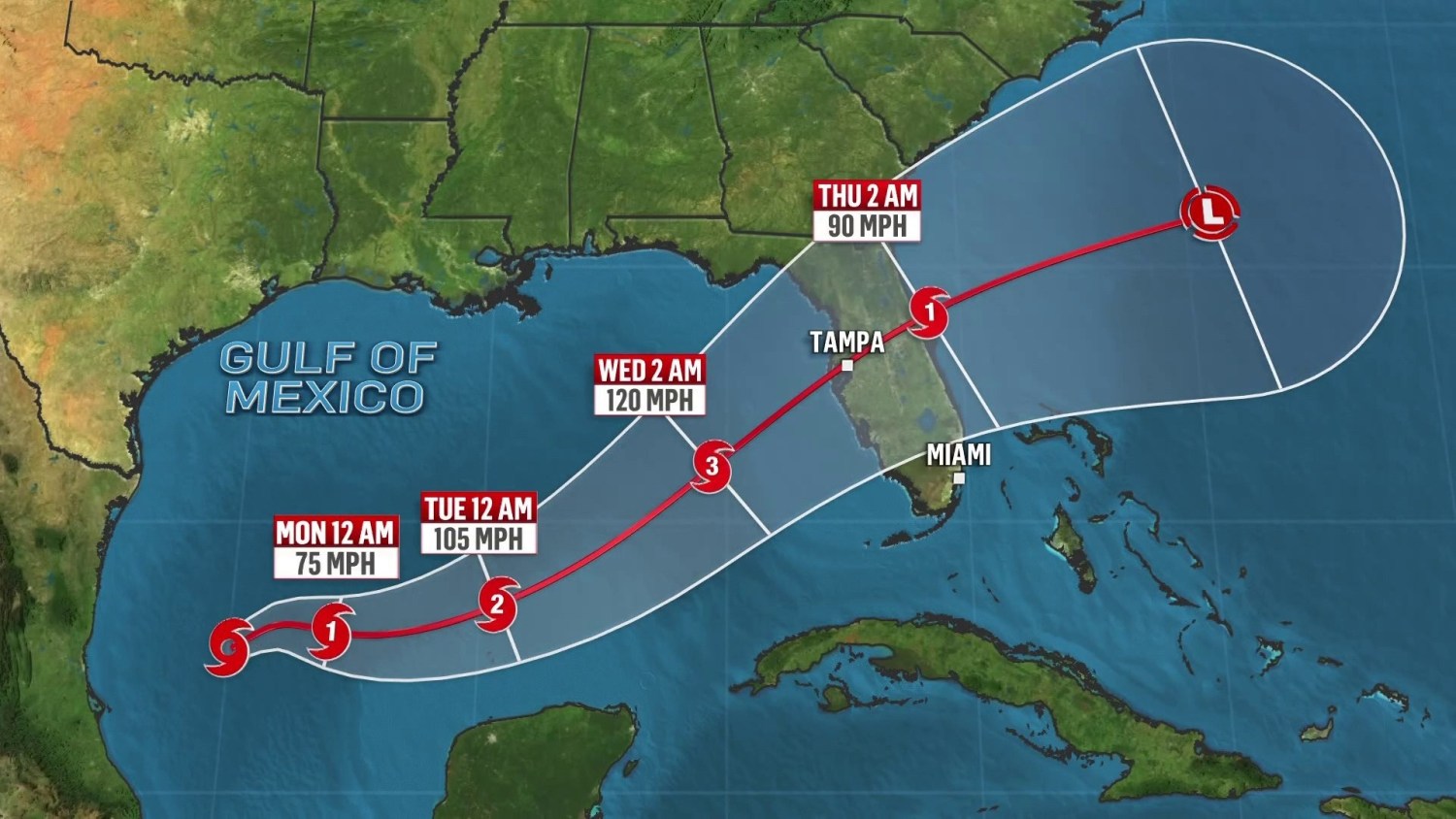
According to the latest advisories from the National Hurricane Center (NHC), Hurricane Milton is currently tracking towards Florida with a projected timeline indicating potential impacts beginning late Tuesday evening or early Wednesday morning, depending on the specific location within the state. The most critical period for direct landfall appears to be centered around the Florida’s Gulf Coast, with a high probability that the storm’s core could reach areas stretching from Southwest Florida northward towards the Tampa Bay region.
Initial bands of rain and gusty winds are expected to precede the hurricane’s eyewall by several hours, meaning that residents and visitors in South Florida could begin experiencing deteriorating conditions well before dawn on Wednesday. As the storm progresses inland, its effects will ripple across the peninsula, influencing weather patterns even in eastern cities like Orlando and Miami, albeit with reduced intensity compared to the immediate landfall zone. Travelers should note that even a slight shift in the storm’s path can significantly alter these predictions, emphasizing the need for continuous vigilance through official channels. The cone of uncertainty, though narrowing, still encompasses a considerable portion of the state, requiring a broad approach to preparation.
Preparing for Travel Disruptions
Anticipating travel disruptions is crucial. Airlines often issue waivers allowing passengers to change flights without penalty. Airports in affected regions, such as Miami International Airport, Orlando International Airport, and Tampa International Airport, may face significant delays, cancellations, or even temporary closures. Travelers with upcoming flights should check their airline’s specific hurricane policy and monitor flight status proactively.
For those already in Florida, securing essential supplies, understanding local evacuation routes, and having a communication plan are vital. Hotels and resorts in designated evacuation zones will often require guests to depart, sometimes at short notice. It is prudent to have a backup accommodation plan outside the immediate risk area. Car rental agencies may also experience shortages or have specific policies regarding driving into or out of storm-affected zones. Always ensure your vehicle has a full tank of fuel.
Navigating Florida Destinations During a Hurricane Threat
The vast geographical diversity of Florida means that different regions will experience Hurricane Milton’s impact in varying degrees. While coastal areas brace for the most severe conditions, including storm surge and intense winds, inland destinations are not entirely immune, facing threats from heavy rainfall, flooding, and potential tornadoes. Understanding these regional differences is key to making informed travel decisions.
Coastal vs. Inland Considerations
Coastal Areas: Destinations along the Gulf Coast, including popular spots like Sarasota, Fort Myers, and Naples, are at the highest risk for direct impact. This includes life-threatening storm surge, destructive winds, and torrential rainfall. For these areas, mandatory evacuation orders are common and must be followed without hesitation. All travel to or from these regions will likely be suspended well in advance of the storm’s arrival. Even after the storm passes, recovery efforts can take days or weeks, making immediate post-storm travel impractical and often restricted. The Florida Keys, due to their low elevation, are particularly vulnerable and often among the first areas to issue evacuation orders.
Inland Areas: While generally safer from storm surge, inland cities such as Orlando, Gainesville, and Lakeland can still experience significant effects. Heavy rains can lead to widespread freshwater flooding, and high winds can cause power outages and down trees. Tornadoes are also a serious threat embedded within hurricane bands. Travelers planning to visit inland attractions should monitor local weather alerts closely. While some theme parks may temporarily close, they often have robust hurricane preparedness plans and will communicate operational changes promptly. Access to these areas might also be hampered by flooded roads or debris.
Key Attractions and Their Operational Status
Major attractions across Florida take hurricane threats very seriously, with detailed protocols for guest safety and operational continuity.
- Walt Disney World Resort (Orlando): Historically, Disney World has closed its parks for hurricanes, prioritizing the safety of guests and cast members. If Hurricane Milton’s path brings severe weather to Central Florida, anticipate temporary closures. They typically provide updates on their official website and through their app. Guests with existing bookings should review Disney’s hurricane policy for cancellations and rebooking.
- Universal Orlando Resort (Orlando): Similar to Disney, Universal will make decisions based on the severity of the threat. Closures are possible, and guests are advised to check Universal’s official communications for the latest operational status.
- Busch Gardens Tampa Bay (Tampa): Given Tampa’s proximity to the projected landfall area, Busch Gardens is highly likely to close. Travelers should expect closures and follow their official channels for updates.
- Florida Beaches & State Parks: These areas are almost certain to close to the public well before landfall, and access will be restricted. Beaches will be cleared, and coastal parks will shut down due to hazardous conditions like rip currents, storm surge, and potential debris. Reopening timelines will depend entirely on post-storm damage assessments.
- Museums and Cultural Sites: Many indoor attractions in cities like Miami, Fort Lauderdale, and Jacksonville may opt for early closures or full-day shutdowns to ensure staff and visitor safety. It is imperative to check individual attraction websites or call ahead.

Essential Travel Guides and Resources for Hurricane Milton
During a hurricane threat, reliable and timely information is your most valuable asset. Relying on official sources ensures that you receive accurate, up-to-the-minute updates, which are critical for making safe travel decisions. Disregarding these resources can lead to unnecessary risks or complications.
Official Advisories and Evacuation Orders
The primary source for meteorological information and hurricane tracking is the National Hurricane Center (NHC). Their website provides detailed forecast cones, wind speed probabilities, and storm surge predictions. Complementing the NHC are state and local emergency management agencies.
- The Florida Division of Emergency Management serves as the central hub for statewide information, including evacuation orders, shelter locations, and public safety announcements. Their website, mobile apps, and social media channels are invaluable.
- County-level Emergency Operations Centers (EOCs) will issue specific advisories and evacuation orders tailored to their local communities. If you are in Florida, identify your current county and follow its EOC’s guidance rigorously. These orders are legally binding and designed to protect lives.
- The Federal Emergency Management Agency (FEMA) also provides national resources and guidance for hurricane preparedness.
- For road conditions and closures, the Florida Department of Transportation (FDOT) website and its FL511 traveler information system are essential, especially during evacuations.
Always subscribe to emergency alerts from relevant authorities via text or app notifications to receive critical updates directly.
Airline and Accommodation Policies
The immediate aftermath of a hurricane can be chaotic, making communication with airlines and hotels challenging. It is best to proactively understand their policies before the storm hits.
- Airlines: Major carriers such as Delta, American Airlines, Southwest, and JetBlue typically issue travel waivers for flights to and from affected Florida airports during a hurricane threat. These waivers allow passengers to change their flights without incurring change fees, often offering options for rebooking or future travel credit. Check your specific airline’s “Travel Alerts” or “Advisories” section on their website. Do not wait until the last minute to attempt changes, as call centers can become overwhelmed.
- Hotels and Resorts: Most reputable hotels and resorts have hurricane policies that allow for cancellations or rebookings without penalty if a hurricane watch or warning is issued for their area, or if official evacuation orders are in effect. However, these policies can vary, so it is crucial to review your booking confirmation or contact the property directly. Understand the difference between a “hurricane watch” (conditions are possible) and a “hurricane warning” (conditions are expected), as policies may hinge on these distinctions. For third-party bookings (e.g., Expedia, Booking.com), you may need to go through the booking agent, but also confirm with the hotel.
- Travel Insurance: For travelers with comprehensive travel insurance, review your policy’s terms regarding natural disasters. Many policies offer coverage for trip cancellation, interruption, or delays due to hurricanes, provided the policy was purchased before Hurricane Milton was named or became a foreseeable event. Retroactive coverage for known events is typically not available.
Prioritizing Traveler Safety and Experience
Ultimately, the most critical aspect of traveling during a hurricane threat is prioritizing personal safety. No destination or experience is worth risking your well-being. Flexible planning and a proactive approach are key to mitigating risks and preserving the integrity of your travel experience, even if it means altering or postponing your trip.
Rebooking and Cancellation Strategies
If Hurricane Milton is impacting your travel plans, acting swiftly is beneficial. For flights, utilize online portals for changes where possible, as phone lines can be jammed. If your flight is canceled, you are typically entitled to a refund or rebooking on the next available flight, even if you did not purchase a waiver.
For accommodations, if an evacuation order is issued for your area, contact your hotel immediately. Many will process refunds or offer future credits without issue. If you decide to cancel preemptively and no official warning or evacuation order is in place for your specific location, you may be subject to standard cancellation policies, unless your travel insurance or an airline waiver covers it. Document all communications, booking references, and cancellation numbers.
Consider rebooking your trip for several weeks or months after the storm has passed. This allows ample time for recovery, cleanup, and the full reopening of attractions and infrastructure. Post-storm travel can present unique challenges, including limited services, damaged areas, and ongoing recovery efforts that may diminish the desired travel experience.
Post-Storm Travel Considerations
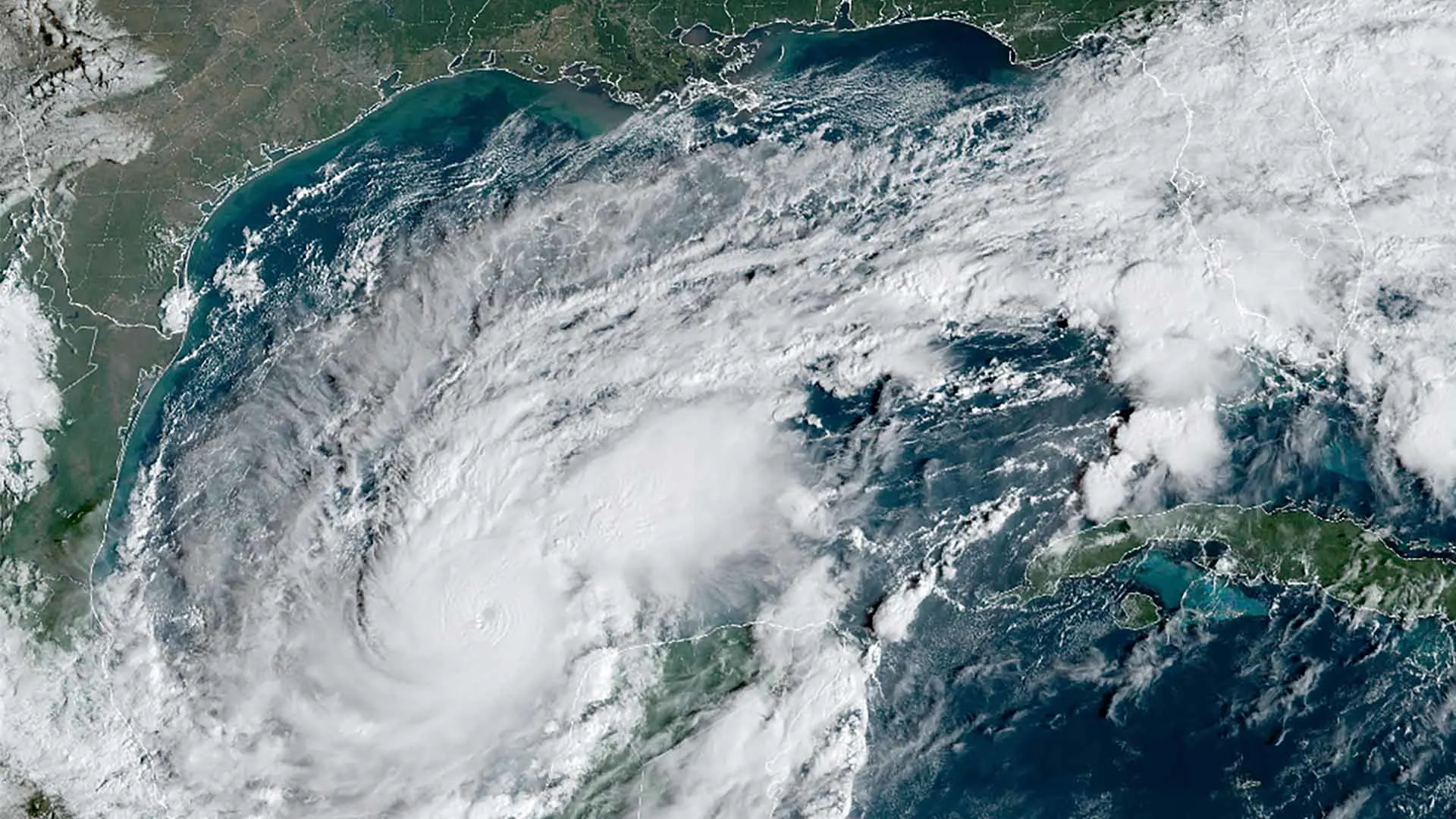
Once Hurricane Milton has passed, its effects will linger, particularly in areas of direct impact. Traveling immediately after a hurricane presents several challenges:
- Infrastructure Damage: Roads may be impassable due to flooding, debris, or damaged bridges. Power outages can be widespread, affecting traffic lights, gas stations, and ATMs. Water and sewage systems might be compromised.
- Limited Services: Many businesses, including restaurants, shops, and attractions, may remain closed for days or weeks as they assess damage, clean up, and restore utilities. Emergency services will be focused on critical response.
- Health and Safety Risks: Standing water can pose health risks (e.g., mosquito-borne illnesses, contaminated water). Downed power lines and structural damage to buildings are significant hazards.
- Emotional Impact: Local communities will be in recovery mode. Visiting immediately after a disaster can strain local resources and may not offer the relaxing or engaging travel experience you envisioned.
It is advisable to allow significant time for recovery before traveling to affected regions. When planning post-storm travel, confirm that your intended destination is fully open and prepared to welcome visitors. This information can typically be found on local tourism board websites, chamber of commerce sites, and through official state advisories. Supporting affected areas by visiting when they are ready can be a positive contribution to their recovery, but timing is everything.
LifeOutOfTheBox is a participant in the Amazon Services LLC Associates Program, an affiliate advertising program designed to provide a means for sites to earn advertising fees by advertising and linking to Amazon.com. Amazon, the Amazon logo, AmazonSupply, and the AmazonSupply logo are trademarks of Amazon.com, Inc. or its affiliates. As an Amazon Associate we earn affiliate commissions from qualifying purchases.