
Embarking on a journey to a new city, whether for business or leisure, often involves a myriad of preparations, from booking flights and accommodation to planning itineraries and understanding local customs. Among these crucial considerations, discerning the local time is a foundational step that can significantly impact the fluidity and enjoyment of your trip. For those setting their sights on the vibrant heart of Alabama, understanding “What Time Is In Birmingham, Alabama?” is more than a simple fact—it’s a critical piece of travel intelligence. This guide delves into Birmingham’s time zone, the practical implications for travelers, and how to effectively manage your schedule to make the most of your visit to this dynamic Southern city.

Understanding Central Time: Birmingham and the Central Time Zone
Birmingham, Alabama, observes Central Time (CT), placing it squarely within the Central Time Zone of the United States. During standard time, Central Time operates at UTC-6, meaning it is six hours behind Coordinated Universal Time. This time zone encompasses a broad swath of the central USA, including states like Illinois, Texas, and Louisiana, among others.
For travelers, recognizing Central Time’s position relative to other major time zones is paramount. It is one hour behind Eastern Time (ET), which governs cities like New York City and Atlanta. Conversely, Central Time is one hour ahead of Mountain Time (MT) and two hours ahead of Pacific Time (PT). This one- or two-hour difference can significantly impact travel plans, affecting everything from flight arrival times to scheduling virtual meetings with colleagues in different parts of the country.
Daylight Saving Time Considerations
Like most of the United States, Alabama observes Daylight Saving Time (DST). This means that on the second Sunday in March, clocks “spring forward” one hour, shifting Central Time to Central Daylight Time (CDT), which is UTC-5. Clocks then “fall back” one hour on the first Sunday in November, returning to standard Central Time.
The biannual transition of Daylight Saving Time is a critical detail for travelers, especially those whose trips straddle these dates. A flight scheduled to arrive at 3:00 PM local time might feel like 2:00 PM to someone arriving from a region that doesn’t observe DST, or conversely, 4:00 PM if coming from a time zone that has already adjusted. It’s always advisable to confirm the current time settings for your travel dates to avoid any confusion or missed appointments. Modern smartphones and devices typically adjust automatically, but a quick check can provide peace of mind.
Why Local Time Matters for Travelers
Beyond a mere geographical fact, understanding Birmingham’s local time is fundamental to a smooth and stress-free travel experience. From logistical arrangements to personal well-being, time synchronization plays a pivotal role in every aspect of your trip.
Navigating Arrival and Departure
The most immediate impact of time zones for travelers is felt during arrival and departure. A flight from New York City (Eastern Time) at 8:00 AM, with a flight duration of 2.5 hours, will arrive in Birmingham at approximately 9:30 AM local Central Time (ET 8:00 AM becomes CT 7:00 AM, then add 2.5 hours). This time difference, while seemingly small, can throw off plans if not accounted for. Coordinating airport pickups, rental car reservations, or hotel check-in times requires precise awareness of the local clock.
Furthermore, for travelers crossing multiple time zones, understanding the shift can help mitigate the effects of jet lag. Arriving in Birmingham from the west coast, for example, means “losing” two hours. Adjusting your sleep schedule a few days before departure, staying hydrated, and exposing yourself to natural light upon arrival can help your body recalibrate more quickly to Central Time.
Planning Your Itinerary
A well-planned itinerary is the cornerstone of any successful trip, and accurate time zone knowledge is indispensable for its execution. Every attraction, restaurant, and event in Birmingham operates on local Central Time or Central Daylight Time.
Imagine planning a visit to the solemn and educational Birmingham Civil Rights Institute, which typically closes around 5:00 PM. Mistaking Central Time for Eastern Time could lead you to arrive an hour later than intended, potentially cutting short your experience. Similarly, dinner reservations at a popular restaurant like Automatic Seafood and Oysters or OvenBird, timed for 7:00 PM, need to be understood in the context of Birmingham’s clock. Attending a concert at the historic Alabama Theatre or catching a baseball game at Regions Field requires strict adherence to local start times. Every scheduled activity, from guided tours of Sloss Furnaces National Historic Landmark to exploring the Birmingham Botanical Gardens, hinges on precise local time coordination.
Business and Personal Connections
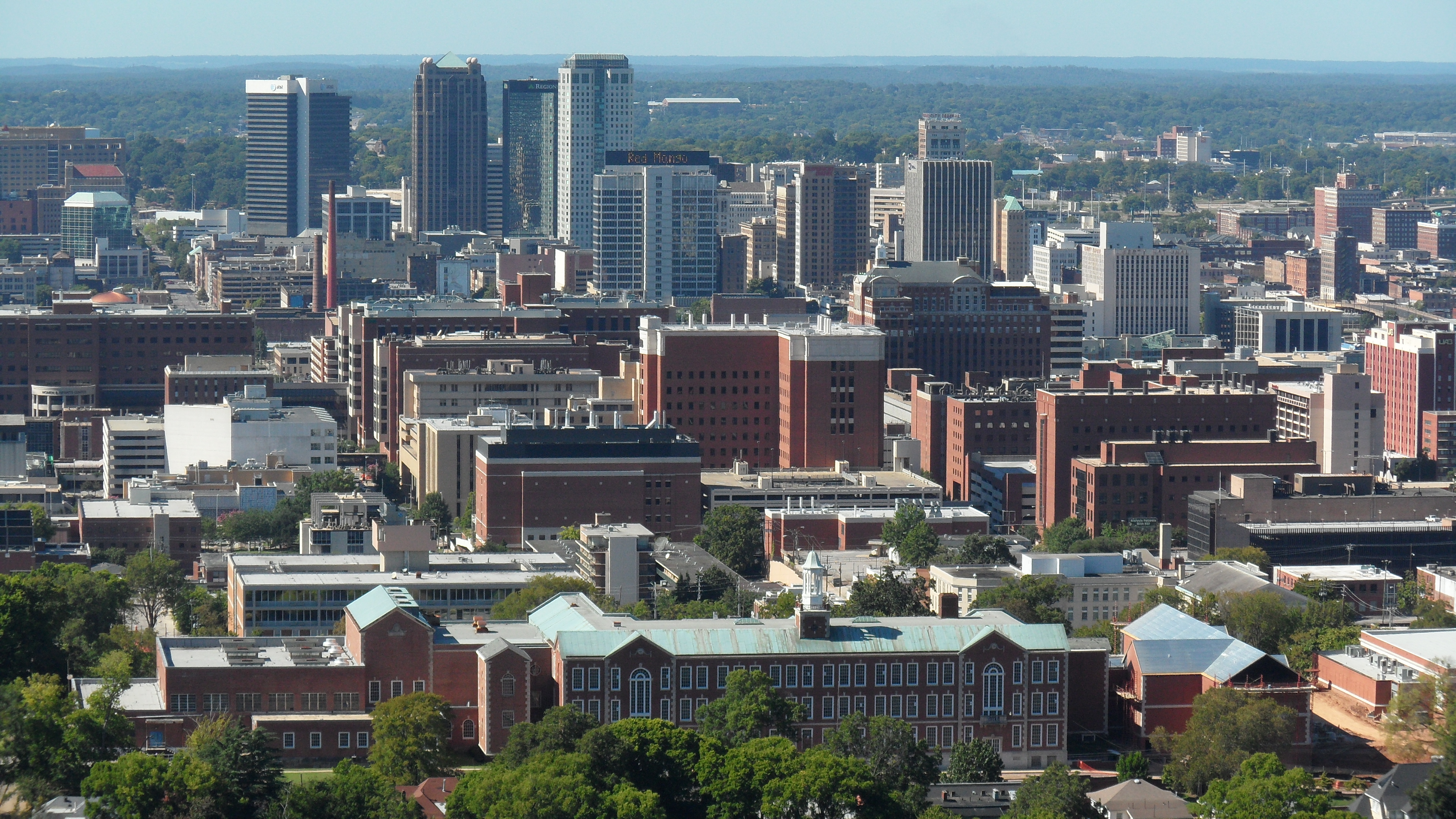
For business travelers, understanding the local time zone in Birmingham is critical for scheduling meetings, conference calls, and presentations with local colleagues or clients. Miscalculating a time difference could lead to missed appointments, professional embarrassment, or a logistical nightmare. Always confirm meeting times in the local time zone to avoid any ambiguities.
Leisure travelers also benefit from this awareness, especially when coordinating with family or friends. Whether you’re arranging to meet someone already in Birmingham or calling loved ones back home, clearly communicating the time zone difference prevents confusion and ensures everyone is on the same page. A quick “Let’s meet at 10 AM Central Time” or “I’ll call you around 7 PM your time” can make all the difference.
Maximizing Your Time in Birmingham, Alabama
Once you’ve mastered the local time, you’re well-equipped to immerse yourself in all that Birmingham, Alabama, has to offer. By efficiently managing your schedule, you can experience a rich tapestry of history, culture, cuisine, and outdoor activities.
Exploring Historical and Cultural Gems
Birmingham’s narrative is deeply etched in its historical sites. Dedicate a morning to the Birmingham Civil Rights Institute, a powerful testament to the city’s pivotal role in the American Civil Rights Movement. Adjacent to it are the equally significant 16th Street Baptist Church and Kelly Ingram Park, sites that offer poignant reflections. Allow ample time for these experiences, as rushing through them would diminish their impact.
Later in the day, explore the artistic treasures at the Birmingham Museum of Art, known for its diverse collections. For a glimpse into Birmingham’s industrial past, a guided tour of Sloss Furnaces National Historic Landmark is highly recommended. To cap off a day of exploration, time your visit to Vulcan Park and Museum to coincide with sunset. The panoramic views of the city from atop Red Mountain, alongside the iconic statue of Vulcan, are breathtaking.
Culinary Adventures and Entertainment
Birmingham has earned national acclaim for its culinary scene. To truly savor this aspect of the city, plan your dining experiences well in advance. Secure reservations at popular establishments and allocate enough time to enjoy multi-course meals. Beyond fine dining, explore the vibrant gastronomic landscape in districts like Lakeview or Avondale, where trendy bars, casual eateries, and craft breweries come alive in the evenings.
For entertainment, check the schedule at the grand Alabama Theatre for classic films or live performances. Sports enthusiasts might catch a game at Protective Stadium or Regions Field. Aligning these activities with your meal times ensures a seamless transition from a delightful dinner to an evening of cultural immersion or sporting excitement.
Outdoor Recreation and Family Fun
Birmingham offers abundant opportunities for outdoor recreation and family-friendly activities. Begin your day with a tranquil stroll through the expansive Birmingham Botanical Gardens or engage in an invigorating hike at Red Mountain Park, home to zip-lining and scenic overlooks. These activities are often best enjoyed in the cooler morning hours.
For families, the McWane Science Center provides interactive exhibits that can easily fill several hours. The downtown Railroad Park offers a green oasis perfect for an afternoon picnic or a leisurely walk. Planning these activities strategically around opening hours and ensuring ample travel time between locations will maximize your enjoyment and minimize stress.

Practical Tips for Time Zone Management
To ensure your trip to Birmingham is as smooth as possible regarding time:
- Set Your Devices Immediately: Upon arrival, ensure your smartphone, smartwatch, and any other portable devices are updated to Birmingham’s local time. Most modern devices do this automatically, but a manual check confirms accuracy.
- Confirm All Bookings: Double-check flight times, hotel check-in/check-out, tour schedules, and restaurant reservations, making sure they are all specified in local Central Time or Central Daylight Time.
- Communicate Clearly: When coordinating with others, explicitly mention “CT” or “CDT” to avoid any misunderstandings across different time zones.
- Allow Buffer Time: Especially for critical appointments or airport transfers, build in extra time to account for any unforeseen delays or adjustment periods.
- Pre-plan Your First Day: Having a loosely structured plan for your initial day can help you settle into the new time zone and avoid feeling rushed or disoriented.
- Prioritize Rest and Hydration: Combat jet lag by staying well-hydrated and allowing yourself adequate rest, especially during the first 24-48 hours.
Understanding “What Time Is In Birmingham, Alabama?” is more than just knowing if it’s Central Time or Central Daylight Time. It’s about empowering yourself with the knowledge to navigate your travels confidently, ensuring that every moment spent in this fascinating Southern city is well-utilized and thoroughly enjoyed. By paying attention to the clock, you can unlock a seamless and enriching travel experience in Birmingham.
LifeOutOfTheBox is a participant in the Amazon Services LLC Associates Program, an affiliate advertising program designed to provide a means for sites to earn advertising fees by advertising and linking to Amazon.com. Amazon, the Amazon logo, AmazonSupply, and the AmazonSupply logo are trademarks of Amazon.com, Inc. or its affiliates. As an Amazon Associate we earn affiliate commissions from qualifying purchases.