
For any traveler, understanding the local time is far more than a trivial detail; it’s the bedrock upon which an entire journey is planned, from flight schedules and hotel check-ins to dining reservations and attraction visits. When considering a trip to Boise, Idaho, one of the first questions that often arises, especially for those venturing from different regions, is “What time is it in Boise?” The answer is critical for seamless travel, efficient planning, and a truly immersive experience in the Gem State’s vibrant capital.
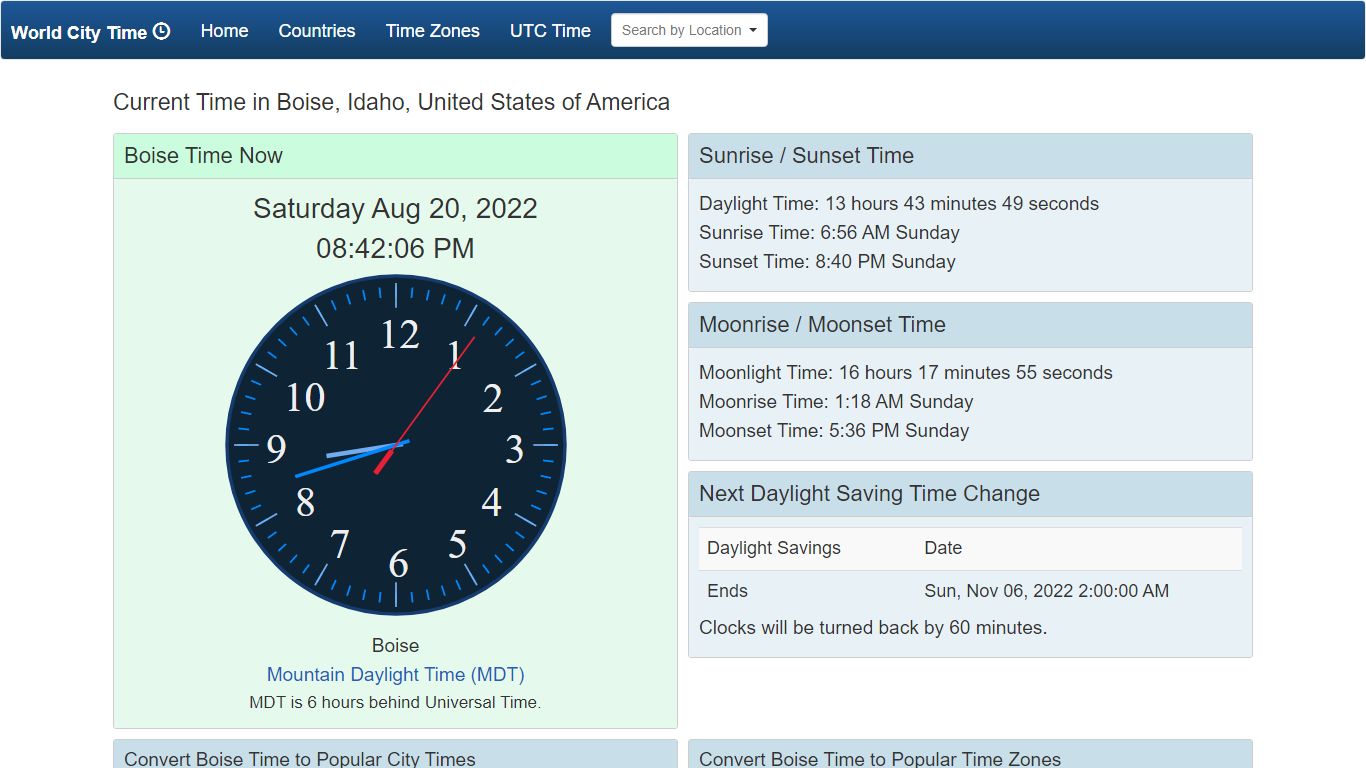
Boise, Idaho operates within the Mountain Time Zone (MT). Like most of the United States, it observes Daylight Saving Time, meaning that for roughly eight months of the year, from mid-March to early November, Boise switches to Mountain Daylight Time (MDT). This means it is UTC-6 during MDT and UTC-7 during standard Mountain Time (MST). This simple fact has profound implications for anyone looking to explore Boise’s diverse attractions, enjoy its burgeoning culinary scene, or conduct business in this thriving North American city.

Understanding Boise’s temporal location is the first step in unlocking a stress-free and enjoyable visit. Whether you’re flying in from the East Coast and bracing for a two-hour time shift or arriving from the Pacific Time Zone with just an hour to adjust, being prepared is key. This comprehensive guide will not only clarify Boise’s time but also delve into how this impacts your travel plans, accommodation choices, tourism activities, and overall lifestyle experience.
Understanding Mountain Time: Boise’s Temporal Home
The Mountain Time Zone is one of the six standard time zones observed in the United States and Canada. It gets its name from the Rocky Mountains, which span much of the region it covers. For Boise, being in Mountain Time means it is:
- One hour ahead of the Pacific Time Zone (PT/PDT)
- One hour behind the Central Time Zone (CT/CDT)
- Two hours behind the Eastern Time Zone (ET/EDT)
This difference, while seemingly small, can significantly influence travel itineraries, communication schedules, and even one’s internal clock.
The Significance for Travelers and Planners
For travelers, the time zone difference is paramount. Imagine booking a flight that lands at 3 PM local time in Boise when your body is still on 5 PM Eastern Time. This is where the concept of jet lag comes into play, a common experience for those crossing multiple time zones. Understanding the shift allows you to mentally prepare, adjust your sleep schedule beforehand, and even plan your arrival activities to minimize its effects.
Moreover, if you’re traveling for business, coordinating meetings across different time zones becomes a daily challenge. A 9 AM meeting in Boise is 11 AM on the East Coast or 8 AM on the West Coast. Business travelers often leverage technology to manage these discrepancies, but a foundational understanding of Boise’s time zone is the first step towards seamless communication and productivity.
Navigating Time Zones from Afar
When planning your trip from home, whether it’s for leisure or work, consider the practical implications of the time difference.
- Booking Accommodations: Many hotels, resorts, and apartments (like those managed by Inn at 500 Capitol or The Grove Hotel) will list check-in and check-out times in local Boise time. If you’re arriving early or late, factoring in the time change will help you communicate accurate arrival times and avoid any last-minute surprises or fees.
- Making Reservations: From dining at Boise’s acclaimed restaurants to securing tickets for local events, reservations are crucial. Ensure you convert your desired time to Boise local time to avoid missing out on popular experiences.
- Contacting Local Services: If you need to call a car rental agency, tourist information center, or even a local friend, be mindful of their operating hours in Mountain Time. A quick check of the current time in Boise before making a call can prevent inconvenience.
Planning Your Boise Itinerary: Time-Sensitive Tourism and Attractions
Boise offers a fantastic array of attractions, from outdoor adventures along the Boise River Greenbelt to cultural immersion in its museums. However, like any destination, most places have specific operating hours. A well-planned itinerary, considering Boise’s time, ensures you maximize your visit without rushing or missing out.
Must-Visit Landmarks and Their Operating Hours
Boise’s landmarks are diverse, catering to various interests. Knowing their typical operating hours in Mountain Time is essential.
- Julia Davis Park Complex: This central park is home to several key attractions.
- Boise Art Museum: Typically open Tuesday through Sunday, often from 10 AM to 5 PM, with extended hours on certain evenings.
- Zoo Boise: Generally open daily, with seasonal hours often ranging from 10 AM to 5 PM or 6 PM. Always check their website for the most current schedule.
- Idaho State Museum: Usually open Tuesday to Saturday, often from 10 AM to 5 PM.
- Old Idaho Penitentiary: A fascinating historical site, it typically operates with specific tour times and general admission hours, often from 10 AM to 5 PM, with some days closed. Booking in advance, keeping the time difference in mind, is advisable.
- Boise River Greenbelt: This scenic pathway is open from dawn till dusk, offering opportunities for walking, biking, and enjoying nature. While it doesn’t have strict operating hours, daylight hours in Boise will vary significantly by season. In winter, daylight is shorter, so plan your outdoor activities accordingly.
- Capital City Public Market: If your trip includes a Saturday, this vibrant market is a must-visit. It typically runs from 9:30 AM to 1:30 PM, showcasing local produce, crafts, and food. Arriving earlier in the Boise morning can help you beat the crowds.
Culinary Experiences and Evening Entertainment
Boise’s food scene is dynamic, with farm-to-table restaurants, craft breweries, and diverse international cuisines. Dinner reservations, especially at popular spots, are highly recommended and should always be made with Boise time in mind.
- Dining: Most restaurants begin dinner service between 5 PM and 6 PM local time, with last seating typically around 9 PM or 10 PM. If you’re experiencing jet lag, an earlier dinner reservation might be more comfortable, allowing you to settle in without feeling rushed.
- Nightlife: From live music venues to breweries, Boise’s evening entertainment options typically kick off after 8 PM and can run late into the night. Check schedules for specific events or performances.
- Local Events: Boise hosts various festivals and events throughout the year, such as the Treefort Music Fest. These often have detailed schedules, so converting them to your home time zone is crucial if you’re coordinating with others or managing a packed itinerary.
Accommodation and Logistics: Booking with Time in Mind
Choosing the right accommodation, whether it’s a hotel suite, a cozy apartment, or a family resort, is a cornerstone of any travel experience. In Boise, the timing of your arrival and departure, influenced by the Mountain Time Zone, plays a significant role in making your stay smooth and comfortable.
Checking In and Out: A Time Zone Checklist
Hotel policies on check-in and check-out times are standard practice globally, but the time zone shift can sometimes catch travelers off guard.
- Standard Check-in: Most Boise hotels, like Hyatt Place Boise/Downtown or SpringHill Suites by Marriott Boise ParkCenter, offer check-in around 3 PM or 4 PM local time. If your flight lands early in the Boise morning, consider contacting your hotel in advance to arrange an early check-in or inquire about luggage storage options. Many hotels are accommodating, especially for early arrivals from different time zones.
- Standard Check-out: The typical check-out time is 11 AM or 12 PM Mountain Time. If your return flight isn’t until the evening, you might want to request a late check-out (which may incur an additional fee) or utilize the hotel’s baggage storage to enjoy a few more hours of Boise before heading to the airport.
- Communication is Key: Always confirm your arrival and departure times with your chosen accommodation, especially if they deviate significantly from standard times. This is particularly important for apartments or villas where host availability might be more stringent.
Business Travel and Family Schedules
For those traveling for business, managing your schedule across time zones is crucial. This includes coordinating with colleagues, attending virtual meetings, and ensuring you’re punctual for local appointments. Remember, the client in Boise operates on Mountain Time, and respecting that local rhythm is a sign of professionalism.
Family trips present another set of challenges related to time zones. Children, especially, can struggle with jet lag, making early morning wake-ups or late-night bedtimes difficult. Planning activities to align with their adjusted internal clocks, perhaps opting for later starts on arrival day, or choosing accommodations with amenities like kitchenettes (common in suites and apartments) to manage meal times flexibly, can make a significant difference. Budget travel families might find that booking flights with minimal layovers helps reduce time zone disruption for younger travelers.
Embracing the Boise Lifestyle: Beyond the Clock
Beyond the practicalities, understanding Boise’s time zone allows you to fully immerse yourself in the local lifestyle and culture. It’s about more than just knowing the current hour; it’s about experiencing the city’s rhythm, from its bustling morning coffee shops to its serene evening sunsets over the foothills.
Local Rhythms and Cultural Immersion
The pace of life in Boise can feel different depending on where you’re coming from. Being on Mountain Time contributes to a generally more relaxed atmosphere compared to some East Coast metropolises, yet it’s still a thriving capital city.
- Morning Culture: Locals often start their day with outdoor activities, taking advantage of the cool mornings for a run on the Greenbelt or a hike in the foothills.
- Afternoon Leisure: The afternoons are perfect for exploring downtown, visiting museums, or enjoying a leisurely lunch.
- Evening Socials: Evenings often involve gathering at local breweries, enjoying live music, or dining out.
Adjusting to these rhythms, rather than constantly checking your home time, helps you truly connect with the local culture and lifestyle. This immersion is key to creating memorable travel experiences, whether it’s a luxury trip enjoying the finest Boise offers or a budget-friendly family adventure.
The Best Times to Visit Boise
While Boise is a year-round destination, certain times of the year offer distinct advantages depending on your interests, and naturally, how daylight hours and local events align with Mountain Time.
- Spring (April-May): Mild temperatures and blooming flowers make this a great time for outdoor activities along the Greenbelt and visits to the Idaho Botanical Garden. Daylight Saving Time is in effect, providing longer evenings.
- Summer (June-August): Warm and sunny, perfect for river floating, hiking, and enjoying outdoor patios. This is peak tourism season, so book accommodations and activities well in advance. Long daylight hours allow for extended outdoor enjoyment.
- Fall (September-October): Pleasant temperatures and stunning fall foliage. Ideal for scenic drives and exploring the foothills. The transition back to standard Mountain Time occurs in early November, signaling shorter days.
- Winter (November-March): Opportunities for skiing and snowboarding at nearby Bogus Basin. The city transforms with holiday lights and winter events. Shorter daylight hours mean planning indoor activities or daytime excursions carefully.
In conclusion, understanding “What time is in Boise, Idaho?” is more than a simple query about the current hour. It’s the essential first step in planning a successful and enjoyable trip, influencing everything from flight bookings and hotel arrangements to daily itineraries and cultural immersion. By recognizing that Boise resides in the Mountain Time Zone and adjusts for Daylight Saving Time, travelers can navigate their journey with confidence, ensuring they make the most of every moment in this captivating Idaho gem.
LifeOutOfTheBox is a participant in the Amazon Services LLC Associates Program, an affiliate advertising program designed to provide a means for sites to earn advertising fees by advertising and linking to Amazon.com. Amazon, the Amazon logo, AmazonSupply, and the AmazonSupply logo are trademarks of Amazon.com, Inc. or its affiliates. As an Amazon Associate we earn affiliate commissions from qualifying purchases.