
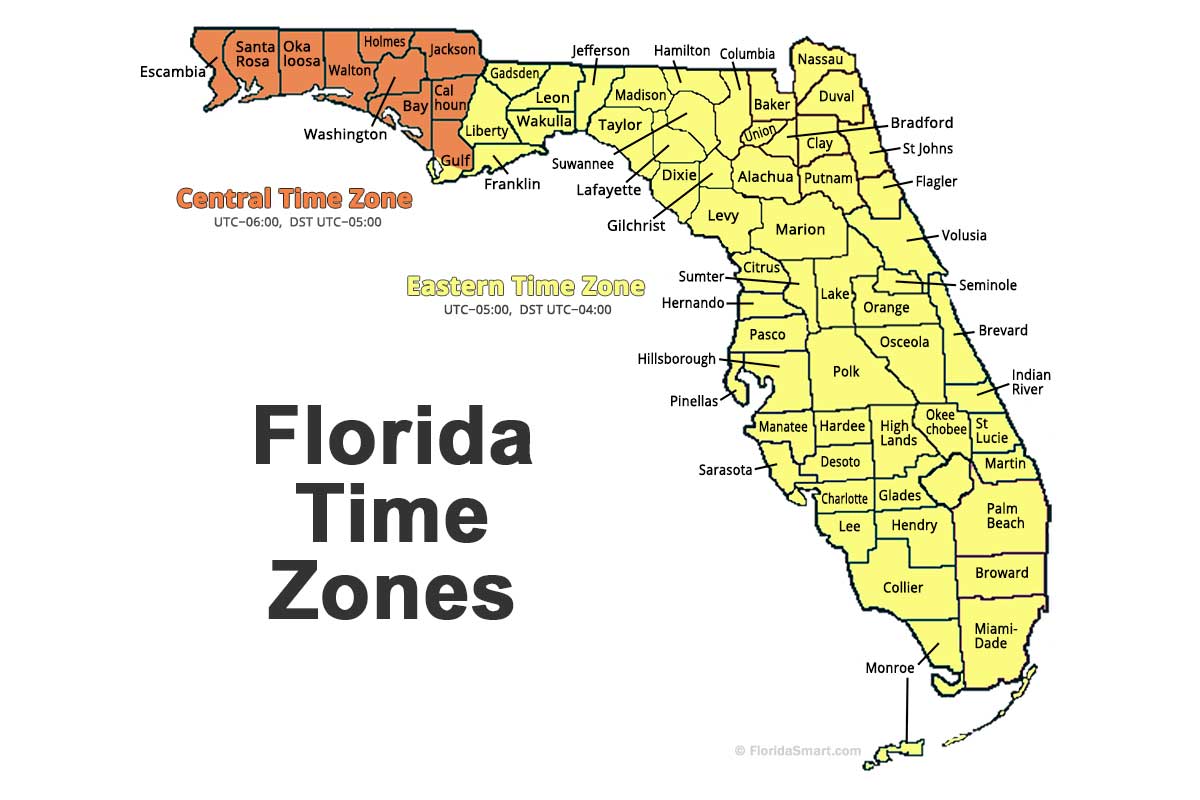
When planning a trip to the vibrant city of Tampa, Florida, understanding the local time is often one of the first practical considerations for travelers. Whether you’re coordinating flights, scheduling meetings, or simply trying to avoid jet lag, knowing the time zone is crucial. Tampa operates on Eastern Standard Time (EST) during the fall and winter months and Eastern Daylight Time (EDT) during spring and summer, observing daylight saving time. This means it aligns with the time zone of many major East Coast cities, typically UTC-5 during standard time and UTC-4 during daylight saving. This foundational piece of information sets the stage for a well-organized and enjoyable travel experience to this dynamic destination.
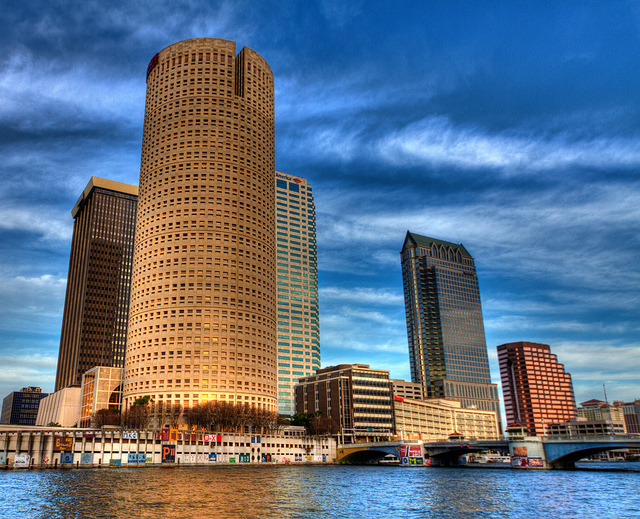
Understanding Tampa’s Time Zone: Eastern Standard Time
Tampa consistently adheres to the Eastern Time Zone, which means that during the standard time period (roughly from early November to mid-March), it is five hours behind Coordinated Universal Time (UTC-5). When Daylight Saving Time commences (typically the second Sunday in March), clocks are advanced one hour, moving Tampa to UTC-4, where it remains until the first Sunday in November. This consistent observance ensures travelers can easily synchronize their schedules with local activities and services.
Practical Implications for Travelers
For visitors arriving in Tampa, understanding the time zone has several practical implications. Those traveling from westward time zones, such as Central, Mountain, or Pacific Time Zones, will need to adjust their internal clocks forward. For instance, travelers from Los Angeles will experience a three-hour time difference, while those from Chicago will adjust by one hour. This adjustment is vital for timely airport transfers, hotel check-ins, and avoiding missed reservations for attractions or dining. Business travelers, in particular, must be meticulous in scheduling calls and meetings to align with Tampa’s local time. It also influences booking flights, as departure and arrival times are always stated in local time, necessitating careful calculation for connections or onward travel.
Adjusting to Local Time Upon Arrival
Minimizing the effects of jet lag is key to starting any trip on the right foot. For those arriving in Tampa from significantly different time zones, a few strategies can aid in quicker adjustment. Before your flight, try to gradually shift your sleep schedule closer to Tampa’s time. Upon arrival, expose yourself to natural light during the day and avoid heavy meals close to bedtime. Staying hydrated and limiting caffeine and alcohol can also help your body acclimate more smoothly. Plan your first day with lighter activities to allow for rest, ensuring you’re refreshed and ready to explore Tampa’s offerings without feeling sluggish.
Beyond the Clock: Best Times to Visit Tampa
While knowing the current time in Tampa is a practical necessity, understanding the best time of year to visit is equally important for an optimal travel experience. Tampa’s subtropical climate offers distinct advantages and considerations depending on what you seek from your journey.
Seasonal Highlights and Weather Considerations
The prime travel season for Tampa generally runs from late fall through spring (November to May). During these months, the weather is typically mild and pleasant, with average temperatures ranging from the comfortable 60s to 70s Fahrenheit (15-25°C). This period is ideal for outdoor activities, beach visits, and exploring attractions like Busch Gardens Tampa Bay or the Tampa Riverwalk without the oppressive heat and humidity of summer. Winter, though milder than in many other parts of the country, still offers a lovely escape for those seeking warmth.
Conversely, the summer months (June to September) bring higher temperatures and humidity, often accompanied by afternoon thunderstorms. While less crowded and potentially more budget-friendly, visitors during this time should plan activities for the mornings or evenings and be prepared for rain. The hurricane season officially runs from June 1st to November 30th, with the peak typically being from August to October. While direct hits are rare, it’s wise to monitor weather forecasts and consider travel insurance during these months.
Major Events and Festivals
Tampa’s calendar is dotted with exciting events and festivals that can significantly enhance a travel itinerary. If you’re planning your visit around these, timing is everything. The annual Gasparilla Pirate Festival in late January or early February is a highlight, transforming the city with a large pirate invasion and parade – a truly unique Tampa experience. Sports enthusiasts might plan their trip around a Tampa Bay Buccaneers (NFL), Tampa Bay Lightning (NHL), or Tampa Bay Rays (MLB) game, depending on the season. Spring brings the Tampa Bay Blues Festival and various food and wine events, while fall offers Halloween-themed attractions and cooler weather festivals. Checking the city’s event calendar well in advance can help travelers align their visit with specific interests and ensure availability for popular events.
Maximizing Your Time: Essential Tampa Experiences
With your travel time sorted, the next step is to decide how to fill your days in Tampa. The city boasts a rich tapestry of attractions, from thrilling theme parks to cultural districts and serene natural escapes. Strategically planning your itinerary ensures you make the most of every moment.
Iconic Attractions and Cultural Gems
No trip to Tampa is complete without visiting some of its most renowned attractions. Busch Gardens Tampa Bay offers an exhilarating mix of animal encounters and world-class roller coasters, demanding a full day to explore. For marine life enthusiasts, the Florida Aquarium presents an incredible array of aquatic species and conservation efforts.
The Tampa Riverwalk serves as a central artery connecting many of the city’s key downtown attractions, including the Tampa Museum of Art, the Straz Center for the Performing Arts, and Curtis Hixon Waterfront Park. Strolling or biking along the Riverwalk offers scenic views and easy access to diverse experiences.
For a taste of history and unique architecture, the Ybor City Historic District is a must-visit. Once the cigar capital of the world, Ybor City today is a National Historic Landmark District brimming with vibrant nightlife, authentic Cuban restaurants, and fascinating museums like the Ybor City State Museum.
Culinary Exploration and Nightlife
Tampa’s culinary scene is as diverse as its population. From fresh seafood caught in the Gulf of Mexico to the legendary Cuban sandwich, foodies will find plenty to savor. Historic Columbia Restaurant in Ybor City stands as Florida’s oldest restaurant, offering traditional Spanish-Cuban fare in a grand setting. Modern dining experiences can be found in neighborhoods like Hyde Park Village and along the Riverwalk.
After dark, Ybor City truly comes alive with its array of bars, clubs, and live music venues. Downtown Tampa and SoHo (South Howard Avenue) also offer vibrant nightlife options, catering to various tastes, from craft breweries to sophisticated lounges. Planning an evening out often requires considering peak times for reservations or entry, especially on weekends.
Outdoor Adventures and Coastal Retreats
Given Tampa’s fortunate location on Tampa Bay and proximity to the Gulf Coast, outdoor activities are abundant. Kayaking or paddleboarding on the Hillsborough River or Tampa Bay offers unique perspectives of the city skyline and local wildlife. Nearby Fort De Soto Park, repeatedly ranked among the nation’s best beaches, provides pristine sands, fishing piers, and historical forts, making for a perfect day trip. For those interested in wildlife, the Manatee Viewing Center offers a chance to see gentle manatees congregating in warmer waters during cooler months. These outdoor excursions often require planning around the optimal time of day for weather and crowds.
Planning Your Tampa Itinerary: Making Every Moment Count
Effective itinerary planning is essential to ensure a fulfilling Tampa travel experience, allowing you to seamlessly move between its diverse offerings and make the most of your time in Florida’s Gulf Coast gem.
Suggested Trip Durations
The ideal length of a trip to Tampa depends largely on individual interests and the desired pace of exploration.
- Weekend Getaway (2-3 days): Perfect for focusing on a few key attractions like Busch Gardens or the Florida Aquarium, coupled with an evening exploring Ybor City and dining along the Riverwalk. This short visit requires tight scheduling to maximize time.
- Extended Stay (4-7 days): A more relaxed pace allows for deeper exploration of Tampa’s neighborhoods, including Hyde Park and Seminole Heights. It also provides ample opportunity to enjoy various museums, cultural events, and dedicate time to outdoor activities or a beach day at Fort De Soto Park. This duration offers a balance between sightseeing and leisure.
- Longer Exploration (7+ days): For those with more time, a week or more in the Tampa Bay area allows for an even more in-depth experience, including day trips to nearby coastal towns or attractions.

Day Trips and Nearby Destinations
Tampa’s central location makes it an excellent base for exploring the wider Central Florida region.
- St. Petersburg and Clearwater: Just a short drive across the bay, these cities offer stunning Gulf beaches, vibrant arts scenes (including the Dalí Museum in St. Petersburg), and excellent dining. A day trip here is a popular choice for beach lovers and art aficionados.
- Sarasota: South of Tampa, Sarasota is home to the renowned Ringling Museum of Art and Siesta Key Beach, famous for its quartz sand.
- Orlando: For those who haven’t had their fill of theme parks, Orlando, home to Walt Disney World Resort and Universal Orlando Resort, is approximately a 1.5 to 2-hour drive. This can be done as a very long day trip or an overnight stay.
When planning day trips, consider travel time to and from these destinations, especially during peak traffic hours, to ensure you maximize your precious vacation time. With careful planning around Tampa’s time zone and seasonal attractions, your travel experience to this enchanting Florida city will be both seamless and memorable.
LifeOutOfTheBox is a participant in the Amazon Services LLC Associates Program, an affiliate advertising program designed to provide a means for sites to earn advertising fees by advertising and linking to Amazon.com. Amazon, the Amazon logo, AmazonSupply, and the AmazonSupply logo are trademarks of Amazon.com, Inc. or its affiliates. As an Amazon Associate we earn affiliate commissions from qualifying purchases.