
Florida, affectionately known as the Sunshine State, beckons millions of travelers each year with its pristine beaches, world-famous theme parks, vibrant cities, and serene natural landscapes. From the magical enchantment of Orlando to the Art Deco splendor of Miami, and the relaxed charm of the Florida Keys, this diverse destination offers an unparalleled array of experiences. However, amidst the excitement of planning your next adventure, one crucial detail often overlooked is the importance of understanding the local time. While seemingly a minor point, a grasp of Florida’s time zones and how they operate can significantly impact everything from flight connections and hotel check-ins to dining reservations and the timing of iconic sunset cruises.
For anyone planning a trip, whether it’s a family vacation, a romantic getaway, a business stay, or a long-term accommodation, knowing the correct time in Florida isn’t just about setting your watch; it’s about optimizing your itinerary, avoiding missed opportunities, and ensuring a seamless, stress-free experience. Florida’s unique geographical spread means it encompasses more than one time zone, a detail that can trip up even seasoned travelers. Furthermore, the annual observance of Daylight Saving Time (DST) adds another layer of complexity that requires careful consideration. This comprehensive guide delves into the intricacies of time in the Sunshine State, offering invaluable insights for navigating its nuances and making the most of every moment during your visit. From understanding the core time zones to practical tips for time-sensitive travel planning and embracing the state’s diverse lifestyle, we’ll ensure you’re always on schedule for your perfect Florida escapade.
Navigating Florida’s Time Zones: A Traveler’s Essential Guide
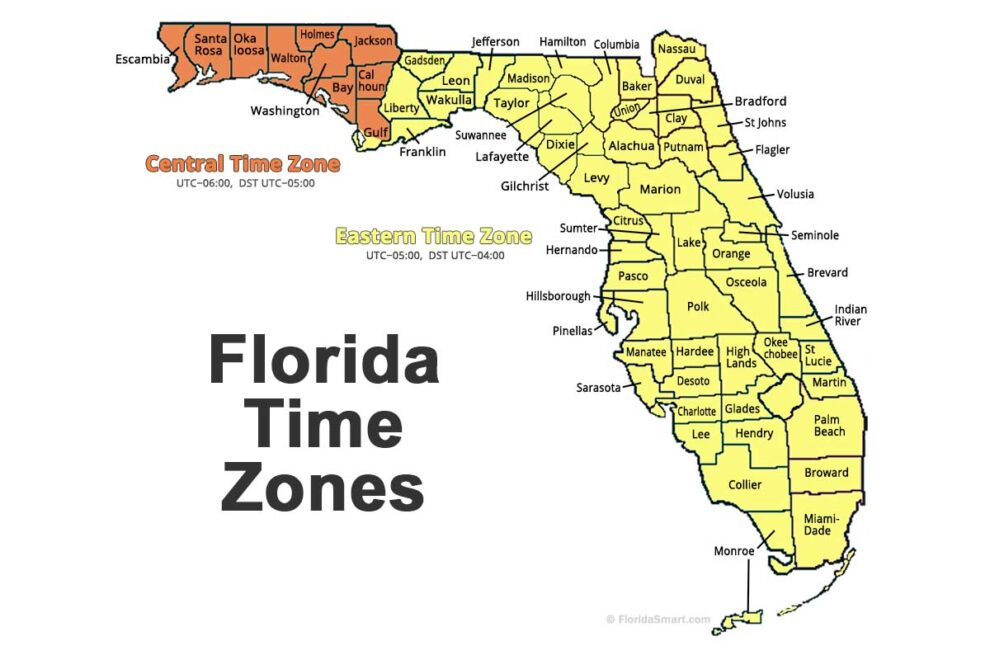
Understanding the geographical distribution of time zones within Florida is the first step towards a well-planned itinerary. While the vast majority of the state operates under one primary time zone, a significant portion in its westernmost region observes another, creating a potential for confusion if not accounted for.
The Eastern Time Zone Dominance
The lion’s share of Florida, including all its major metropolitan areas and most popular tourist destinations, falls squarely within the Eastern Time (ET) zone. This means that for much of the year, during standard time, these areas observe Eastern Standard Time (EST), which is five hours behind Coordinated Universal Time (UTC-5). When Daylight Saving Time is in effect, typically from early March to early November, the clock springs forward by one hour, and these regions switch to Eastern Daylight Time (EDT), making them four hours behind Coordinated Universal Time (UTC-4).
Cities like Miami, Orlando, Tampa, and Jacksonville all adhere to Eastern Time. This is particularly relevant for travelers visiting iconic landmarks and attractions. For instance, the gates of Walt Disney World Resort in Orlando, including the beloved Magic Kingdom, open and close according to ET schedules. Similarly, a vibrant night out exploring the unique culture and nightlife of South Beach in Miami will unfold within this same time framework. All flight arrivals and departures at major airports such as Miami International Airport (MIA), Orlando International Airport (MCO), and Tampa International Airport (TPA) are based on the Eastern Time Zone, making it crucial for travelers to synchronize their personal devices upon arrival or before departure.
The Panhandle’s Central Time Pocket
Adding an interesting geographical quirk to Florida’s time landscape, the westernmost counties of the Florida Panhandle observe the Central Time (CT) zone. This segment includes popular beach destinations and cities like Pensacola, Destin, and Panama City Beach. During standard time, these areas operate on Central Standard Time (CST), which is six hours behind Coordinated Universal Time (UTC-6). With the advent of Daylight Saving Time, they switch to Central Daylight Time (CDT), making them five hours behind Coordinated Universal Time (UTC-5).
The distinction between Eastern and Central Time creates a one-hour difference, with the Panhandle being one hour behind the rest of the state. This time zone boundary runs along the Apalachicola River in parts, and then extends westward. For travelers embarking on a road trip across Florida, particularly those venturing from the central or eastern parts of the state towards the beautiful Gulf Coast beaches of the Panhandle, this time shift is of paramount importance. Missing an appointment, a flight, or a reservation by an hour due to time zone confusion is a common oversight that can easily be avoided with a simple check. If you’re flying into Pensacola International Airport (PNS) or Northwest Florida Beaches International Airport (ECP) near Panama City Beach, remember to account for the Central Time observation.

Daylight Saving Time in the Sunshine State
Like most of the United States, Florida observes Daylight Saving Time (DST), a practice that involves setting clocks forward by one hour in the spring and back by one hour in the fall. This annual ritual, which aims to make better use of daylight, typically begins on the second Sunday in March and ends on the first Sunday in November. For travelers, this transition can present a unique set of challenges, especially if your travel dates coincide with these changes.
When clocks “spring forward,” you effectively lose an hour, which can impact early morning flight departures, hotel check-out times, or scheduled tours if you’re not aware of the change. Conversely, when clocks “fall back,” you gain an hour, potentially leading to arriving too early for appointments or missing out on that extra hour of sleep if your internal clock hasn’t adjusted. It’s always advisable to double-check the exact dates for Daylight Saving Time each year and adjust your itinerary accordingly.
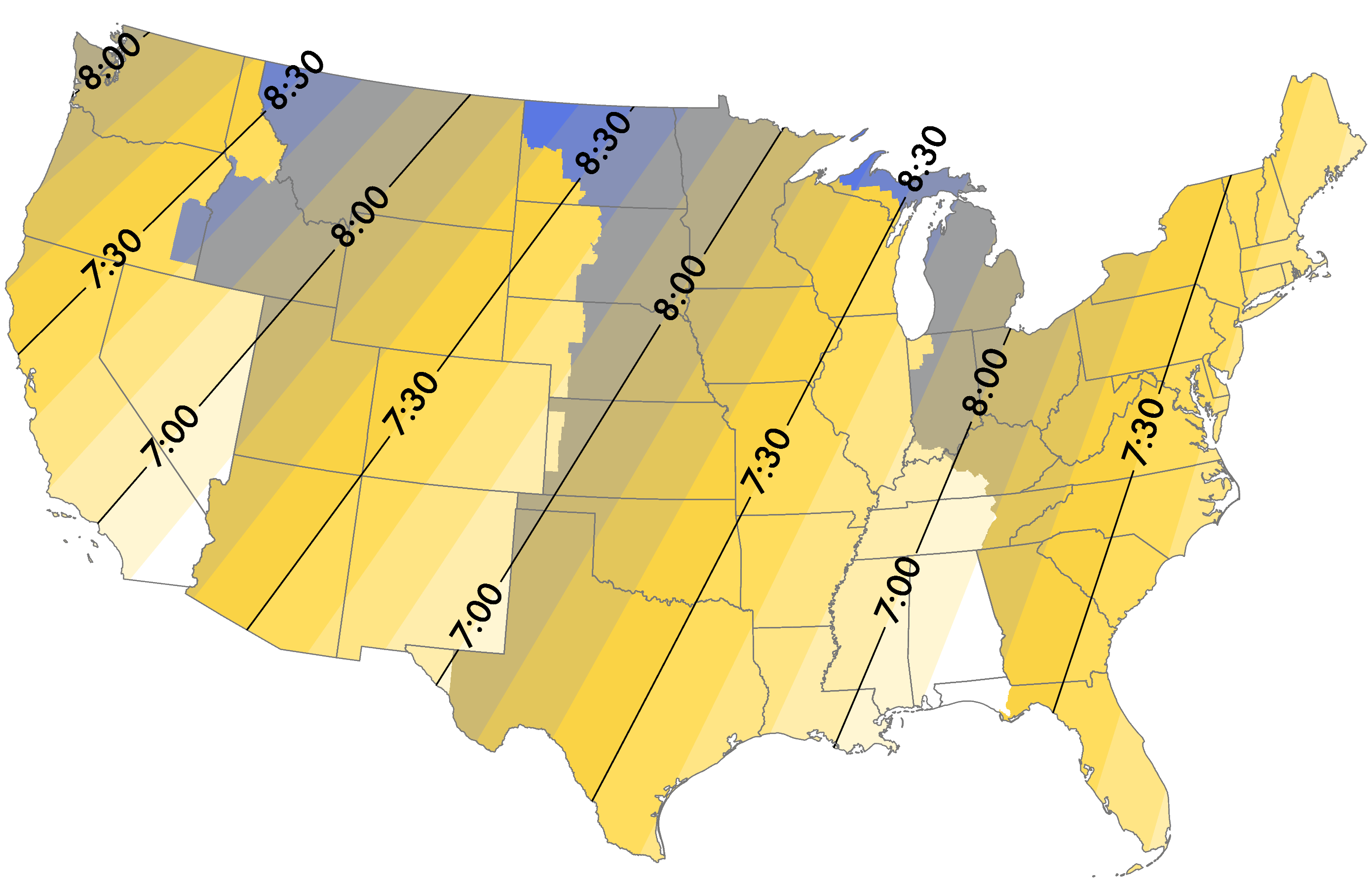
There has been ongoing discussion and legislative efforts, notably the Sunshine Protection Act, to make Daylight Saving Time permanent in Florida, meaning the state would no longer “fall back” in the autumn. While the act has passed state legislature, it requires federal approval to take effect. As of now, Florida continues to observe the traditional DST changes. Staying informed about the current status of this legislation is important, particularly for those planning future long-term stays or regular visits, as it could fundamentally alter the time landscape of the state.
Time-Sensitive Travel Planning: Maximizing Your Florida Experience
Beyond simply knowing the current time, understanding how Florida’s time zones and Daylight Saving Time impact your travel planning is critical for a smooth and enjoyable trip. Precision in timing can make the difference between a relaxing vacation and a series of stressful mishaps.
Booking Flights, Hotels, and Activities
Accurate timekeeping is paramount when making travel arrangements. When booking flights to or within Florida, always confirm the departure and arrival times in local time zones. This is especially crucial for connecting flights, particularly if your layover involves a time zone change or if you are flying from outside the United States, such as from Europe or California. A flight arriving at 3:00 PM CST in Pensacola is a full hour earlier than 3:00 PM EST in Orlando, a detail that could affect ground transportation arrangements or hotel check-in times.
Speaking of hotels, standard check-in and check-out times are strictly enforced at accommodations across the state, from luxury resorts in South Beach to budget-friendly apartments near Universal Orlando Resort. Arriving too early or departing too late can incur additional fees or disrupt your plans. Always confirm these times with your specific hotel, villa, or apartment rental, especially if your itinerary involves crossing the Eastern and Central Time boundary.
Furthermore, many of Florida’s most sought-after experiences require advance booking with precise timing. Whether you’re reserving a table at a Michelin Guide recommended restaurant in Miami, securing a slot for a dolphin-watching tour off the coast of Clearwater Beach, or planning a sunset cruise in Key West, these activities operate on strict schedules. Missing a reservation due to a time zone miscalculation can lead to disappointment and wasted money. Always confirm the local time for your booking, perhaps even setting a reminder on your phone adjusted to the local time zone of your destination.
The Impact on Daily Itineraries and Tourism
Beyond bookings, the time of day and the prevailing time zone significantly shape your daily activities and overall tourism experience in Florida. Theme parks like Walt Disney World Resort publish their opening and closing hours, parade times, and show schedules in Eastern Time. To maximize your time and minimize queues, an early start is often recommended, making it essential to align your morning routine with park operating hours.
Similarly, enjoying Florida’s natural beauty often revolves around the sun’s schedule. Witnessing a spectacular sunrise over the Atlantic from Cocoa Beach or a breathtaking sunset over the Gulf of Mexico from Key West requires knowing the exact local time. For those driving from Orlando to Destin, a simple two-hour drive across the time zone boundary could mean arriving an hour earlier or later than anticipated, impacting plans for dinner reservations or beach access.
Business travelers, while perhaps less common to traverse the internal time zone, must also be mindful. Scheduling conference calls or meetings with colleagues across different parts of the state requires verifying everyone is operating on the same understanding of the current time. Even within Eastern Time, if a meeting is set for “9 AM local time,” it’s good practice to specify EST or EDT to avoid any ambiguity, especially during the DST transition periods.
Beating Jet Lag and Time Zone Fatigue
Travelers arriving in Florida from distant time zones, particularly from the Western United States or international destinations like Europe, often contend with jet lag. While not directly about “what time is it now,” managing jet lag is intrinsically linked to understanding and adjusting to the local time as quickly as possible.
Tips for mitigating jet lag and time zone fatigue include:
- Adjust Before Arrival: Gradually shift your sleep schedule a few days before your trip.
- Hydrate: Drink plenty of water and avoid excessive alcohol or caffeine during your flight.
- Seek Sunlight: Upon arrival, expose yourself to natural light, especially in the mornings, to help reset your circadian rhythm.
- Stay Active: Gentle exercise can help combat sluggishness.
- Eat Local Mealtimes: Try to eat meals at appropriate Florida times to help your body adapt.
- Set Your Watch Immediately: Change all your devices to the local Florida time zone as soon as you land. This psychological adjustment is surprisingly effective.
By proactively addressing potential time zone impacts, travelers can minimize discomfort and maximize their enjoyment of all the Sunshine State has to offer.
Lifestyle and Leisure: How Time Shapes Florida Living
The concept of time extends beyond mere scheduling; it deeply influences the rhythm of life and the various leisure activities available in Florida. The state’s diverse regions offer different paces and experiences, all regulated by the omnipresent clock.
Early Birds and Night Owls: Florida’s Diverse Pace
Florida’s lifestyle caters to a spectrum of preferences, and local time dictates the availability of these experiences. In Miami, the vibrant nightlife often stretches well into the early hours of the Eastern Time morning, with clubs and bars in South Beach bustling past 2 AM. For the “night owls,” this provides ample opportunity to enjoy the city’s cosmopolitan flair. Conversely, the “early birds” might be up before dawn for sunrise yoga on the beaches of Cocoa Beach, an early tee time at one of Florida’s many championship golf courses, or a quiet stroll along the shore to collect seashells.
The pace shifts across the state. Orlando’s family-centric attractions often mean early starts and early finishes for visitors keen to make the most of park hours at Walt Disney World Resort or Universal Orlando Resort. Meanwhile, the laid-back atmosphere of the Florida Keys encourages a slower, more spontaneous approach, though even here, the timing of the daily sunset celebration at Mallory Square in Key West is a strictly adhered-to affair. Understanding these inherent rhythms, dictated by the sun and the clock, allows travelers to better immerse themselves in the local culture and choose activities that align with their preferred holiday tempo.
Special Events and Cultural Experiences
Florida’s calendar is packed with special events, festivals, and cultural experiences throughout the year, all of which are meticulously scheduled by local time. From world-renowned culinary extravaganzas like the South Beach Wine & Food Festival in Miami or the Epcot International Food & Wine Festival at Walt Disney World Resort, to major sporting events featuring professional teams like the Miami Heat or the Tampa Bay Buccaneers, precise timing is critical for attendees.
Concerts, art exhibitions, parades, and boat shows all publish their schedules in local time, and arriving late can mean missing key performances or experiences. For example, a basketball game starting at 7:00 PM in Miami means 7:00 PM Eastern Time, and missing the national anthem or tip-off can detract from the experience. Similarly, for cultural events celebrating Florida’s rich history and diverse communities, being on time ensures you can fully participate in the guided tours, live demonstrations, and storytelling sessions that bring these experiences to life. Synchronizing your watch and being mindful of the time allows visitors to seamlessly integrate into the local event scene, unlocking a deeper appreciation for the state’s vibrant cultural tapestry.
By paying attention to the clock, visitors can not only manage their itineraries but also fully embrace the distinct lifestyles that flourish across the different regions of Florida, ensuring they are present for every cherished moment.
Conclusion
Understanding “What Time Is In Florida USA Now?” is far more than a simple query; it’s a foundational element for planning an exceptional travel experience in the Sunshine State. From navigating the predominant Eastern Time Zone that governs most major cities and attractions to being aware of the distinct Central Time observed in the Florida Panhandle, and accounting for the annual shift of Daylight Saving Time, time awareness is your silent travel companion.
This knowledge empowers you to book flights, accommodation, and activities with precision, avoiding costly errors and missed opportunities. It allows you to craft daily itineraries that flow seamlessly, whether you’re chasing the thrill of theme parks in Orlando, soaking up the sun on the beautiful beaches of Destin, or savoring the vibrant nightlife of Miami. Moreover, a keen sense of local time helps you to adapt to the diverse lifestyles and participate fully in the rich tapestry of special events and cultural experiences that make Florida so captivating.
By integrating this understanding into your travel preparations, you’re not just ensuring punctuality; you’re setting the stage for a stress-free, deeply immersive, and ultimately more rewarding adventure. So, before you pack your bags and head for the sun-drenched shores of Florida, take a moment to sync your watch and your plans. With this awareness, you’re well-equipped to unlock the full potential of your Florida journey, making every second count.
LifeOutOfTheBox is a participant in the Amazon Services LLC Associates Program, an affiliate advertising program designed to provide a means for sites to earn advertising fees by advertising and linking to Amazon.com. Amazon, the Amazon logo, AmazonSupply, and the AmazonSupply logo are trademarks of Amazon.com, Inc. or its affiliates. As an Amazon Associate we earn affiliate commissions from qualifying purchases.