
The allure of the Hawaiian Islands is undeniable. With their sun-drenched beaches, lush volcanic landscapes, and vibrant culture, they beckon travelers from across the globe. Among the most sought-after destinations on the Big Island of Hawaii is the charming district of Kona. Known for its rich history, world-class coffee plantations, and stunning coastline, Kona offers a quintessential Hawaiian experience. For many planning a trip, a fundamental piece of information is understanding the local time. Knowing what time is in Kona, Hawaii is not just a logistical detail; it’s crucial for coordinating flights, booking tours, making dinner reservations, and simply aligning with the rhythm of island life.

Kona, officially Kona District, is located on the western side of the Island of Hawaii, often referred to as the Big Island. This region is a popular hub for tourists, offering a diverse range of activities, from exploring ancient Hawaiian temples to relaxing on black sand beaches and learning about the cultivation of world-renowned Kona coffee. When you’re dreaming of sipping a Kona coffee on your lanai at sunrise or planning an evening luau, knowing the current time is the first step in making those dreams a reality. This guide will delve into the specifics of Kona’s time zone, its relationship with other parts of the world, and how it impacts your Hawaiian adventure.
Understanding Hawaii’s Time Zone
Hawaii observes Hawaii Standard Time (HST). This time zone is unique because Hawaii does not currently observe Daylight Saving Time. This means that Hawaii’s time remains consistent throughout the year, unlike many other parts of the United States and the world that adjust their clocks twice annually. This lack of a Daylight Saving Time change simplifies planning for some, ensuring that when you know what time is in Kona, Hawaii, that time will be constant regardless of the season.
HST is UTC-10. This means it is 10 hours behind Coordinated Universal Time (UTC). This is a significant time difference for many international travelers, especially those coming from Europe or Asia. For instance, if it is noon UTC, it would be 2:00 AM in Kona. This difference is a key factor to consider when booking flights, as it can lead to significant jet lag and requires careful planning to adjust.
The Nuances of HST and its Impact on Travelers
The fact that Hawaii does not observe Daylight Saving Time can be a double-edged sword for travelers. On one hand, it simplifies itinerary planning as the time difference remains constant. You won’t have to remember to adjust your watch or phone settings when crossing into or out of Daylight Saving Time periods in your home country. However, the substantial, unchanging difference between HST and other major time zones can lead to considerable jet lag.
When traveling from the east coast of the United States, for example, the time difference can be as much as five hours. This means that if it’s 5:00 PM in New York City, it’s only 12:00 PM (noon) in Kona. Conversely, for travelers coming from the west coast, the difference is three hours. If it’s 3:00 PM in Los Angeles, it’s 12:00 PM in Kona.
This time difference has practical implications for various aspects of your trip:
- Flight Departures and Arrivals: Always double-check flight times, noting both departure and arrival times in local Kona time to avoid confusion. A “red-eye” flight from the west coast might arrive in Kona in the morning, but due to the time difference, it might feel like you’ve traveled for a much shorter duration than the actual flight time.
- Booking Tours and Activities: Many tour operators and activity providers operate on Kona time. Booking a sunrise snorkel tour or a sunset cruise requires understanding when these events will occur in the local time zone. Booking a dinner reservation at a popular restaurant like the Merriman’s requires accurate timekeeping.
- Communication with Home: Staying in touch with family and friends back home requires awareness of the time difference. Scheduling calls or video chats will be much smoother if you’re mindful of what time it is where they are.
- Adjusting to Island Life: Embracing the laid-back pace of Hawaii is part of the experience. Allowing yourself time to adjust to the new time zone is crucial for enjoying your vacation to the fullest. Many visitors find that the relaxed atmosphere of Kona, with its consistent time, aids in this adjustment process.
It’s worth noting that while Hawaii as a whole observes HST, specific regions within the Hawaiian Islands do not have vastly different time zones due to their proximity. However, it is always best to confirm the exact time for your specific location within the Big Island, especially if you are traveling to more remote areas or smaller islands. For Kona, the time is unequivocally dictated by HST.
Exploring Kona: Time Zones and Travel Planning
The vibrant Kona district is a treasure trove of experiences, from historical sites to natural wonders and culinary delights. Understanding what time is in Kona, Hawaii is your first step in crafting an unforgettable itinerary that maximizes your enjoyment and minimizes logistical headaches. Whether you’re planning to delve into the history of Puʻuhonua o Hōnaunau National Historical Park or witness the majestic Mauna Kea, timing is everything.
Attractions and Activities in Kona, Hawaii
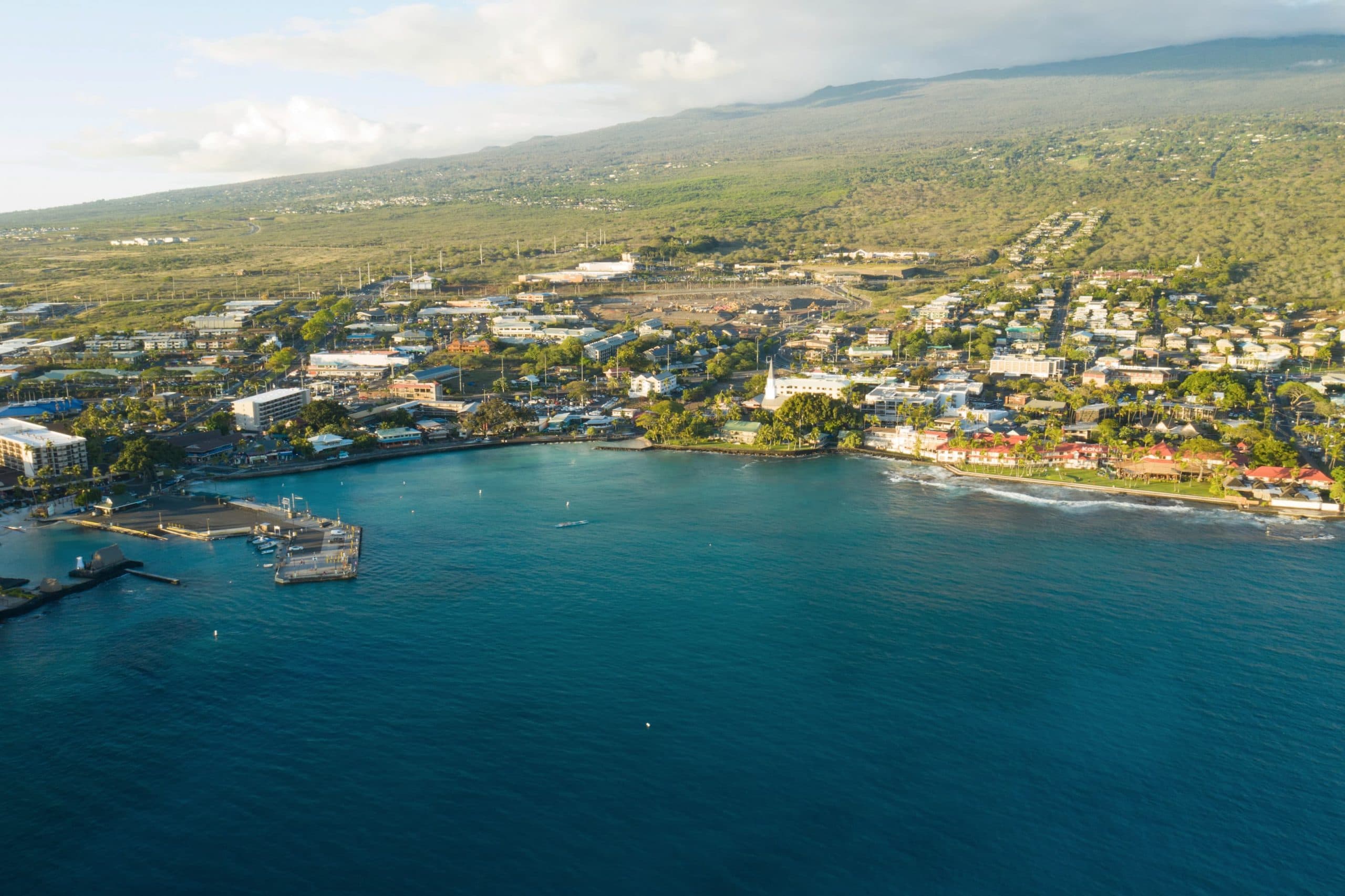
Kona offers a diverse array of attractions that cater to every type of traveler. For history buffs, the Puʻuhonua o Hōnaunau National Historical Park stands as a testament to ancient Hawaiian law and culture, offering a glimpse into the island’s sacred past. The Huliheʻe Palace, once a vacation home for Hawaiian royalty, provides a fascinating look into the lives of monarchs.
Nature lovers will find themselves captivated by the stunning natural beauty surrounding Kona. The iconic Mauna Kea, the highest point in Hawaii, offers unparalleled stargazing opportunities from its summit observatory. For a more active adventure, consider hiking through Hawaii Volcanoes National Park (though this is on the other side of the island, it’s a popular day trip for those staying in Kona). The beaches are, of course, a major draw. Kahaluʻu Beach Park is renowned for its excellent snorkeling, teeming with colorful fish and sea turtles. For those seeking a more tranquil escape, Hapuna Beach State Recreation Area offers soft white sands and gentle waves.
The Culinary Scene in Kona
Kona is also a burgeoning culinary destination. World-renowned Kona coffee is a must-try, with numerous plantations offering tours and tastings, such as the Greenwell Farms. Fresh seafood is abundant, with local restaurants serving up delicious catches of the day. Don’t miss the chance to experience a traditional Hawaiian luau, a feast for the senses with authentic food, music, and dance, often held at venues like the Courtyard by Marriott King Kamehameha’s Kona Beach Hotel.
Practical Tips for Navigating Kona Time
When planning your activities, remember that many tours depart early in the morning or in the late afternoon. For example, a popular manta ray night snorkel tour often departs around sunset, so knowing the exact sunset time based on Kona’s time is essential. Likewise, early morning coffee tours start as the sun begins to rise, requiring an early start to the day.
Booking accommodations is another area where time zone awareness is critical. Whether you’re looking at luxury resorts like the Four Seasons Resort Hualalai, charming boutique hotels, or private villas for a long-term stay, all bookings will be based on local Kona time. Comparing prices and availability across different platforms is straightforward once you have a firm grasp of the local time.
Consider the pace of life in Hawaii. Things tend to move a little slower, which is part of its charm. Embracing this relaxed pace means not over-scheduling yourself. Knowing what time is in Kona, Hawaii allows you to plan efficiently without feeling rushed, ensuring you have ample time to soak in the island’s beauty and culture.
Integrating Kona Time into Your Lifestyle and Travel Plans
The decision to travel to Kona, Hawaii is often driven by a desire for a particular lifestyle or a specific type of travel experience. Whether you’re a luxury traveler seeking opulent resorts and fine dining, a budget-conscious explorer looking for affordable adventures, or a family embarking on a memorable vacation, understanding the local time is a foundational element of successful planning. The consistent time in Kona allows for seamless integration of your home-country schedules with your island experiences.
For those who appreciate the finer things, Kona offers an array of luxury accommodations and high-end experiences. Imagine starting your day with a yoga session overlooking the ocean at a resort like the Fairmont Orchid, followed by a spa treatment, and then enjoying a gourmet dinner. All these activities are best enjoyed when you are attuned to the local rhythm, and knowing the time in Kona is key to orchestrating such a sophisticated schedule. The availability of these high-end amenities often aligns with the early morning and late afternoon prime times for relaxation and enjoyment.
Budget travelers, on the other hand, can leverage their knowledge of Kona time to find deals and maximize their experiences. For instance, booking flights that arrive or depart during off-peak hours can lead to significant savings. Similarly, timing visits to attractions that offer discounts during specific hours or days can stretch your travel budget further. The consistent time zone means that the window for these opportunities remains predictable. Utilizing local transportation or opting for self-catering accommodation can also be more cost-effective, and knowing the local time ensures you don’t miss any crucial connections or pre-booked shuttles.
Family trips benefit immensely from clear timing. Children often thrive on routine, and while on vacation, establishing a predictable daily schedule, even with different activities, can make the experience smoother. Knowing what time is in Kona, Hawaii allows parents to plan for nap times, mealtimes, and the timing of excursions to popular attractions like the Ocean Rider Seahorse Farm or a visit to see the sea turtles at Lapakahi State Historical Park, ensuring everyone stays happy and energized. Early morning beach visits or late afternoon explorations are easier to manage when you have a clear understanding of the local clock.
Business stays in Kona also require precise time management. Conferences, meetings, and client engagements necessitate punctuality. The consistent Hawaiian Standard Time ensures that business travelers can confidently schedule calls and meetings with partners in other time zones, knowing that the difference will not fluctuate unexpectedly due to Daylight Saving Time adjustments. This reliability is crucial for maintaining professional relationships and ensuring smooth business operations, even when working from a tropical paradise.
Ultimately, whether you are seeking relaxation, adventure, cultural immersion, or a blend of everything, understanding what time is in Kona, Hawaii is an indispensable tool for crafting a well-organized and thoroughly enjoyable trip. It allows you to seamlessly transition into the island’s unique rhythm, making the most of every moment in this breathtaking corner of the Pacific Ocean. From the moment you land at Kona International Airport to your last sunset over the Pacific, your awareness of the local time will be your constant, reliable companion.
LifeOutOfTheBox is a participant in the Amazon Services LLC Associates Program, an affiliate advertising program designed to provide a means for sites to earn advertising fees by advertising and linking to Amazon.com. Amazon, the Amazon logo, AmazonSupply, and the AmazonSupply logo are trademarks of Amazon.com, Inc. or its affiliates. As an Amazon Associate we earn affiliate commissions from qualifying purchases.