
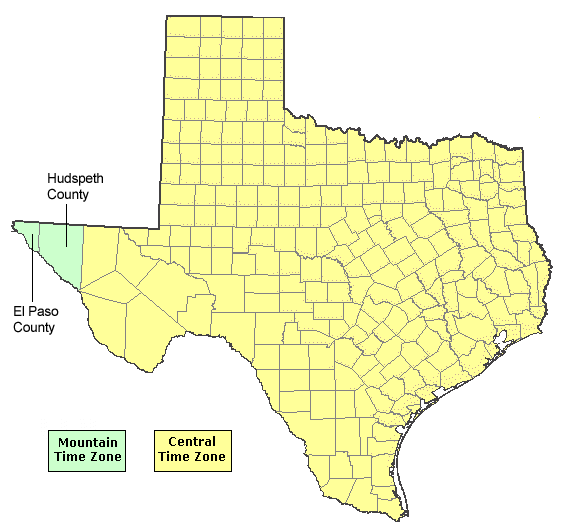
When planning a visit to the vibrant city of Dallas, one of the first and most fundamental questions often asked is about the current time. Understanding the local time is not merely a matter of curiosity; it’s a critical piece of information that dictates everything from flight schedules and hotel check-ins to dining reservations and attraction opening hours. So, to answer directly: Dallas, Texas, operates on Central Standard Time (CST) during the fall and winter months, which is UTC-6. During spring and summer, the city observes Central Daylight Time (CDT), shifting an hour forward to UTC-5 to make the most of extended daylight. This adjustment, known as Daylight Saving Time, typically occurs on the second Sunday in March when clocks “spring forward” and on the first Sunday in November when they “fall back.” Knowing this precise detail is your first step towards a seamlessly planned Texas adventure, whether you’re traveling for leisure, business, or a blend of both.

But the question “What time is it in Dallas right now?” opens up a broader discussion about how time, in its various dimensions, impacts the entire travel experience. From optimizing your itinerary to immersing yourself in local culture, understanding the rhythm of a city like Dallas is key to a fulfilling trip.
Navigating Time Zones for Your Dallas Trip
For any traveler, especially those coming from outside the Central Time Zone, grappling with time differences can be a significant hurdle. Dallas’s adherence to CST/CDT is a consistent factor that must be considered when orchestrating your journey.
Understanding Central Time and Its Implications
The Central Time Zone encompasses a broad swathe of the central United States, including states like Texas, Illinois, and Missouri, extending into parts of Canada and Mexico. For international visitors, particularly those arriving from Europe, Asia, or Australia, the time difference can be substantial, often leading to jet lag. A flight from London, for example, will land you in Dallas with a six-hour time difference during CST, meaning your body clock will be telling you it’s much later or earlier than it truly is. This physiological adjustment period is crucial to factor into your initial days in the city, especially before diving into demanding activities or important business engagements.
Daylight Saving Time further complicates matters if your trip spans the transition dates in March or November. While a one-hour shift might seem minor, it can impact pre-booked tours, transportation schedules, and even dining reservations if not properly accounted for. Always double-check your arrival and departure times, as well as any scheduled activities, against the local Dallas time, taking into account any potential DST changes.
Why Time Matters for Travelers: Beyond the Clock
The practical implications of time extend far beyond merely knowing the hour. For travelers, understanding the rhythm and timing of Dallas is foundational to a stress-free and enjoyable experience.
- Flight Schedules and Airport Transfers: Your arrival and departure times at Dallas/Fort Worth International Airport (DFW) or Dallas Love Field Airport are dictated by local time. Planning your ground transportation – be it a taxi, ride-share, or public transit – requires accurate time awareness to ensure you arrive punctually and avoid unnecessary waits or missed connections.
- Hotel Check-in/Check-out: Hotels typically have standard check-in times (e.g., 3:00 PM) and check-out times (e.g., 11:00 AM). If you arrive early after a long flight, knowing the time allows you to arrange for early check-in or plan activities to occupy your time until your room is ready. Conversely, being aware of check-out times helps avoid late fees or allows you to request a late check-out if needed.
- Attraction Opening Hours: Dallas’s many museums, parks, and entertainment venues operate on specific schedules. Missing the opening or closing window for a desired attraction can disrupt an entire day’s itinerary. Researching these times in advance, and knowing the current local time, prevents disappointment.
- Dining and Entertainment: The city’s vibrant culinary scene and nightlife pulse to specific rhythms. Dinner reservations in popular spots, showtimes at the Winspear Opera House or Wyly Theatre, or catching a live music performance in Deep Ellum all demand precise timing. Many restaurants offer happy hour deals or brunch menus only during specific hours.
- Business Meetings and Conferences: For business travelers, punctuality is paramount. Coordinating meetings with local contacts requires a clear understanding of the local time zone and any adjustments for Daylight Saving Time to prevent scheduling errors and demonstrate professionalism.
Experiencing Dallas: A City That Never Stops (But Adjusts to Time)
Dallas is a city of constant motion and endless possibilities. From its towering skyscrapers to its historic neighborhoods, there’s an experience for every type of traveler. Effectively managing your time allows you to truly savor its offerings.
Top Attractions and Landmarks: Time-Sensitive Exploration
Dallas boasts an impressive array of landmarks and attractions, each with its own optimal visiting times and operational hours. Planning your visits around these factors can significantly enhance your experience.
The Dallas Arts District, for instance, is a cultural gem. Home to the Dallas Museum of Art, the Nasher Sculpture Center, and the Winspear Opera House, it’s a hub of artistic expression. Most museums open around 10:00 AM or 11:00 AM and close in the late afternoon or early evening. Visiting early in the day can help you avoid crowds, especially during peak tourist seasons. For performing arts, evening shows are the norm, requiring pre-booking and adherence to curtain times.
The Sixth Floor Museum at Dealey Plaza, a somber but essential historical site detailing the assassination of President John F. Kennedy, can draw large crowds. Arriving shortly after its 10:00 AM opening or later in the afternoon can help manage wait times. Similarly, a visit to the Reunion Tower GeO-Deck is unforgettable, particularly around sunset. Timing your ascent to coincide with the golden hour offers breathtaking panoramic views of the Dallas skyline as it transitions from daylight to glittering nighttime.
For family-friendly fun, the Dallas World Aquarium and the Perot Museum of Nature and Science are popular choices. Both are excellent for a full day’s exploration, typically opening at 9:00 AM or 10:00 AM. Weekend mornings tend to be the busiest, so a weekday visit or an afternoon slot might offer a more relaxed experience. Outdoors, the Dallas Arboretum and Botanical Garden near White Rock Lake is best enjoyed during cooler morning hours, especially in the heat of a Texas summer.
Sports fans will also need to be acutely aware of game times. Catching a Dallas Cowboys game at AT&T Stadium or a Texas Rangers baseball game at Globe Life Field requires knowing kickoff or first pitch times, which often vary for evening, afternoon, or Sunday games.

Culinary Delights and Local Culture: Dining by Dallas Time
The food scene in Dallas is as diverse as its population, offering everything from authentic Tex-Mex and mouth-watering BBQ to upscale fine dining. Local dining customs are subtly influenced by the clock.
Breakfast is typically served from 7:00 AM to 11:00 AM, with popular brunch spots in areas like the Bishop Arts District bustling from 10:00 AM to 2:00 PM on weekends. Lunch hours generally run from 11:30 AM to 2:00 PM, while dinner service often begins around 5:00 PM or 5:30 PM, with peak dining hours usually between 7:00 PM and 9:00 PM. Reservations are highly recommended for popular establishments, especially on weekend evenings, to avoid long waits.
Exploring Deep Ellum in the evening is a classic Dallas experience, with its vibrant live music venues and eclectic bars. Most establishments here come alive after 9:00 PM and remain open late into the night. For a more relaxed evening, visiting a rooftop bar in Uptown Dallas for cocktails around sunset offers a stylish way to wind down.
Cultural events often have specific timings. Art gallery openings, often free to the public, typically occur on specific evenings, allowing visitors to mingle and enjoy new exhibits. Local festivals, such as the Dallas Arts Fair or the Texas State Fair (a massive annual event in the fall), operate on extended schedules, requiring diligent planning to make the most of their offerings.
Accommodation and Lifestyle: Making the Most of Your Dallas Hours
Where you stay and how you approach your trip fundamentally shapes your experience. Dallas offers a spectrum of accommodation choices and caters to various travel lifestyles, all of which can be optimized with careful time management.
Choosing Your Stay: Time-Optimized Accommodation
The right accommodation isn’t just about comfort; it’s about strategic positioning that saves you precious travel time. Dallas offers a vast selection, from opulent luxury hotels to cozy boutique hotels and practical serviced apartments.
Choosing a hotel in a central location like Downtown Dallas or Uptown can minimize commuting time to major attractions and business districts. Properties like the Omni Dallas Hotel, connected to the Kay Bailey Hutchison Convention Center, are ideal for business travelers. The Joule Dallas offers a blend of luxury and art in the heart of downtown, while the Hilton Anatole provides extensive amenities a short distance away.
When booking, pay close attention to check-in and check-out times, especially if you have an early flight or a late departure. Many hotels offer luggage storage services, allowing you to explore the city unburdened before your room is ready or after you’ve checked out. For longer stays or family trips, apartments or villas might offer more flexibility and amenities, potentially simplifying meal preparation and providing more living space. Advanced booking, particularly during major events or conferences, is always advisable to secure your preferred accommodation and avoid last-minute rush and inflated prices.
Maximizing Your Dallas Lifestyle: Budgeting Your Time and Resources
Regardless of your travel style, effective time management is a cornerstone of a successful trip.
- Luxury Travel: For those seeking opulent experiences, time often translates into exclusive access and personalized service. Booking private tours, reserving tables at top-tier restaurants like Uchi Dallas, or scheduling spa treatments at The Ritz-Carlton, Dallas requires meticulous timing. Concierge services at luxury resorts can assist in orchestrating a seamless, time-optimized itinerary.
- Budget Travel: Budget-conscious travelers benefit immensely from planning their time to maximize free or low-cost activities. This might involve utilizing the DART (Dallas Area Rapid Transit) system efficiently, visiting free attractions like Klyde Warren Park (which often hosts free events), or exploring neighborhoods like Bishop Arts District on foot. Timing visits to coincide with happy hour specials can also save on dining costs.
- Family Trips: Traveling with family requires a careful balance of activities, rest, and meal times. Planning kid-friendly attractions like the Dallas Zoo or the LEGOLAND Discovery Center Dallas/Fort Worth around nap schedules or early bedtimes is essential. Building in downtime between activities prevents overstimulation and meltdowns, ensuring a more enjoyable experience for everyone.
- Business Stays: Business travelers often operate on tight schedules. Proximity to convention centers or corporate offices, efficient transportation routes, and access to 24-hour hotel amenities like fitness centers or business lounges are paramount. Scheduling meetings with buffer times allows for unexpected delays and ensures punctuality. Early morning or late-night flights can maximize productive daylight hours in the city.
For travelers arriving from distant time zones, managing jet lag is critical. Gradual adjustment before travel, staying hydrated, avoiding excessive caffeine and alcohol, and exposing yourself to natural light at appropriate times can significantly alleviate symptoms. Embracing the local Dallas time from the moment you arrive is the best strategy.
Planning Your Dallas Itinerary: A Timeless Approach
A well-structured itinerary is your best friend when exploring Dallas, allowing you to seamlessly transition between activities and make the most of every hour.
Sample Day Itineraries: Morning, Afternoon, Evening
Here’s an example of how you might structure a day, keeping the clock in mind:
Morning (9:00 AM – 12:00 PM): Cultural Immersion
Start your day with a visit to the Dallas Arts District. Begin at the Dallas Museum of Art (free general admission, usually opens at 11:00 AM, but check specific times) or the Nasher Sculpture Center, making the most of the quieter morning hours. Afterwards, take a leisurely stroll through Klyde Warren Park, where you might catch a free yoga class or a live performance.
Afternoon (12:00 PM – 5:00 PM): History and Views
Grab lunch from one of the many food trucks at Klyde Warren Park or head to a nearby restaurant for a Tex-Mex fix. Post-lunch, immerse yourself in history at the Sixth Floor Museum at Dealey Plaza. Allow at least 2-3 hours for this insightful experience. As the afternoon progresses, make your way to Reunion Tower, timing your visit to enjoy the panoramic views as the city begins to glow with evening lights.
Evening (5:00 PM onwards): Dining and Entertainment
For dinner, consider the diverse culinary scene in the Bishop Arts District or Deep Ellum. Make a reservation in advance, especially on weekends. After dinner, catch a show at the Wyly Theatre or the Winspear Opera House if a performance is scheduled, or explore Deep Ellum’s live music venues. If relaxation is on your mind, enjoy a sophisticated cocktail at a rooftop bar in Uptown Dallas.
Essential Travel Tips: Beyond the Clock
While time is a crucial element, a few other tips will ensure your Dallas trip is as smooth as possible:
- Transportation: Dallas is a sprawling city. While DART provides good coverage in many areas, a car or reliance on ride-sharing services might be necessary for certain destinations outside the downtown core, such as Grapevine or Plano. Factor in travel time between locations.
- Best Time to Visit: Spring (March-May) and Fall (September-November) offer the most pleasant weather, with mild temperatures perfect for outdoor exploration. Summers can be intensely hot, while winters are generally mild but can have occasional cold snaps.
- Packing Essentials: Depending on the season, pack layers. Comfortable walking shoes are a must for exploring the city. Don’t forget sunscreen and a hat during the warmer months.
- Safety: Like any major city, be aware of your surroundings, especially at night. Stick to well-lit, populated areas.
- Local Etiquette: Texans are known for their hospitality. A friendly “howdy” and a smile will go a long way.
In conclusion, understanding that Dallas, Texas, observes Central Standard Time (UTC-6) and Central Daylight Time (UTC-5) is just the beginning. It’s the awareness of how this time impacts every facet of your journey—from the moment your plane touches down at Dallas/Fort Worth International Airport to your final evening enjoying the city’s vibrant nightlife—that truly unlocks a memorable travel experience. By respecting the clock and planning accordingly, you can dive deep into the heart of Dallas and discover all the rich history, culture, and modern marvels this dynamic North American metropolis has to offer.
LifeOutOfTheBox is a participant in the Amazon Services LLC Associates Program, an affiliate advertising program designed to provide a means for sites to earn advertising fees by advertising and linking to Amazon.com. Amazon, the Amazon logo, AmazonSupply, and the AmazonSupply logo are trademarks of Amazon.com, Inc. or its affiliates. As an Amazon Associate we earn affiliate commissions from qualifying purchases.