
Planning a trip to the magnificent Grand Canyon State, also known as Arizona? One of the first things you might wonder, especially when coordinating flights, booking tours, or simply calling friends and family, is “What time is it in Arizona right now?” While it seems like a straightforward question, Arizona holds a unique distinction among United States states: it largely opts out of Daylight Saving Time (DST). This seemingly simple fact has fascinating implications for travelers, from adjusting your internal clock to planning your itinerary for maximum enjoyment. Let’s delve into the intricacies of Arizona’s time zone and how it shapes the travel experience, from sunrise hikes to sunset dinners.
Unraveling Arizona’s Unique Time Zone: Always on MST
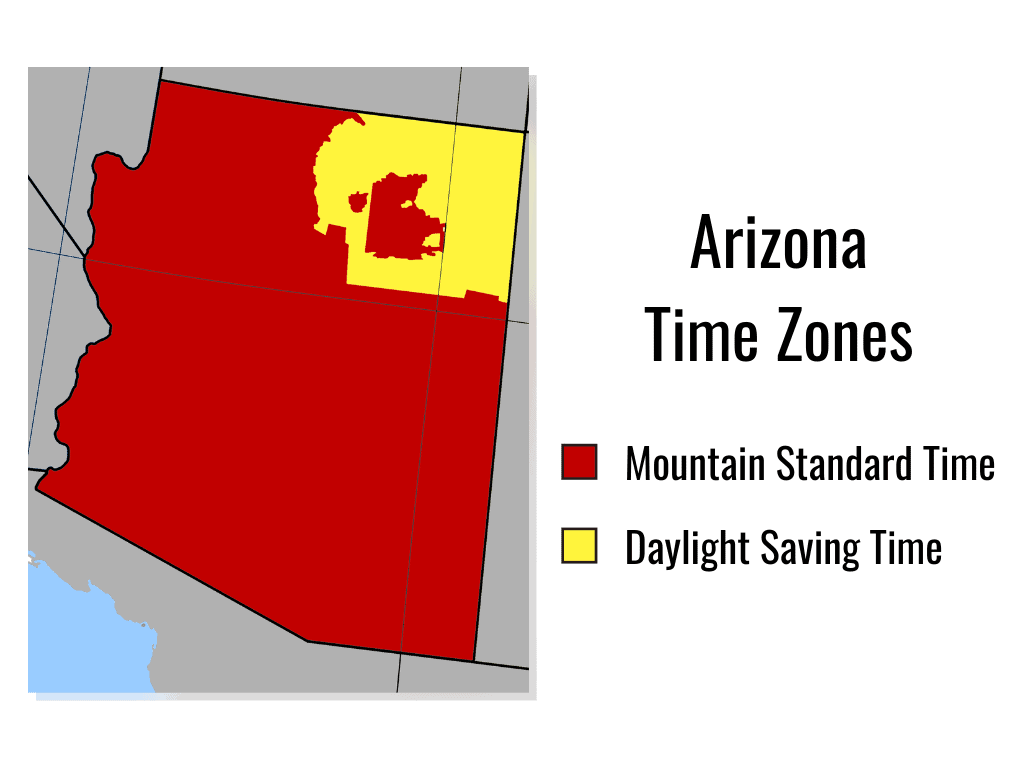
Most of the United States observes Daylight Saving Time, springing forward an hour in March and falling back in November. Not Arizona. For over five decades, with the exception of the Navajo Nation within its borders, Arizona has consistently stayed on Mountain Standard Time (MST) year-round. This means that during the warmer months, when much of the country shifts to Daylight Saving Time, Arizona maintains its standard time.
The Evergreen Mountain Standard Time (MST)
From roughly March to November, when states observing Daylight Saving Time move an hour ahead, Arizona’s time effectively aligns with Pacific Time. For example, if it’s 10:00 AM in Los Angeles, it’s 10:00 AM in Phoenix and Tucson. However, once Daylight Saving Time ends in November, Arizona once again becomes an hour ahead of Pacific Time, returning to its normal relationship with other Mountain Time Zone states.
This decision to forgo Daylight Saving Time is largely rooted in the state’s extreme summer heat. Shifting an hour forward would mean pushing sunset back, resulting in even hotter evenings that would extend the peak energy consumption hours for air conditioning. By staying on MST year-round, Arizona benefits from earlier sunsets during the summer, allowing for cooler evenings and more comfortable outdoor activities, which is a significant factor for both residents and visitors seeking to enjoy the state’s natural beauty. This fixed time, essentially UTC-7, offers a consistent clock that simplifies planning for many, though it adds a layer of complexity for those arriving from DST-observing regions.

The Navajo Nation Exception: A Pocket of Daylight Saving
To add a fascinating twist to this already unique situation, the Navajo Nation, a large sovereign territory primarily located in northeastern Arizona, does observe Daylight Saving Time. This means that for a significant portion of the year (mid-March to early November), the Navajo Nation is one hour ahead of the rest of Arizona.
This can be particularly important for travelers visiting iconic landmarks like Monument Valley, Canyon de Chelly National Monument, or Antelope Canyon, all of which are on Navajo land. If you’ve booked a tour for 9:00 AM local time for Antelope Canyon, you need to ensure you’re aware of the time difference if you’re traveling from outside the Navajo Nation. It’s a small detail, but one that can significantly impact your schedule and lead to missed reservations if not properly accounted for. Always double-check with tour operators or local businesses regarding their specific time observance when venturing into this culturally rich region.
Why Arizona’s Time Matters for Your Travel Plans
Understanding Arizona’s time zone isn’t just a matter of trivia; it’s a practical necessity for any well-planned trip. From coordinating flights to scheduling your daily adventures, the “no DST” rule influences various aspects of travel and tourism in the state.
Seamless Arrivals and Departures
When flying into major hubs like Phoenix Sky Harbor International Airport or Tucson International Airport, or driving across state lines, being aware of the time difference is crucial. During the summer, travelers from the Pacific Time Zone will find no time change, which simplifies travel significantly. However, those coming from the Mountain Time Zone will need to “fall back” an hour, and those from Central or Eastern Time Zones will face a two or three-hour difference, respectively, needing to adjust their watches back accordingly.
This adjustment is key for managing hotel check-in times at luxurious resorts like The Boulders Resort & Spa Scottsdale or quaint bed-and-breakfasts in Sedona. Arrival times might also impact whether you make it in time for a resort’s welcome reception or an early dinner reservation. Conversely, when departing, ensure you’ve adjusted for your home time zone to avoid missing connecting flights or appointments upon your return.
Synchronizing with Activities and Attractions
Arizona is brimming with attractions, from the natural wonders of Grand Canyon National Park and Saguaro National Park to the vibrant arts scene in Scottsdale and historical sites in Jerome. The operating hours of these attractions are set to local Arizona time. If you’re coming from a Daylight Saving Time state, remember that in summer, 9:00 AM Arizona time would be 10:00 AM on your home clock. This can work to your advantage for early morning activities, giving you an extra perceived hour of sleep, or requiring an earlier start than you might expect if you’re not careful.
For instance, if you’re planning a sunrise hike at the Grand Canyon’s South Rim, knowing the precise local sunrise time (and how it relates to your body clock) is vital for witnessing those breathtaking colors. Similarly, evening events, cultural performances, or fine dining reservations at top Phoenix restaurants need to be scheduled with the local clock in mind to prevent any missed opportunities.

Connecting with the Outside World
Whether it’s a business call, a family video chat, or just telling friends about your latest Arizona adventure, knowing the time difference is key. During summer, when most of the United States is on Daylight Saving Time, Arizona will be:
- Same time as Pacific Daylight Time (PDT)
- One hour behind Mountain Daylight Time (MDT)
- Two hours behind Central Daylight Time (CDT)
- Three hours behind Eastern Daylight Time (EDT)
In winter, when Daylight Saving Time is not observed anywhere, Arizona is on Mountain Standard Time (MST) and will be:
- One hour ahead of Pacific Standard Time (PST)
- Same time as Mountain Standard Time (MST)
- One hour behind Central Standard Time (CST)
- Two hours behind Eastern Standard Time (EST)
This constantly shifting relationship can be confusing, but a quick check of a reliable time zone converter or a simple mental note will ensure you don’t call loved ones too early or miss an important business deadline while enjoying the Arizona sun.
Maximizing Your Arizona Experience with Time in Mind
The unique time zone in Arizona isn’t a hindrance; it’s an opportunity. By understanding how the clock works, you can strategically plan your days to make the most of the sunlight, enjoy cooler temperatures, and immerse yourself in the state’s diverse offerings.
Early Mornings: Sunrises, Hikes, and Serenity
Arizona’s summer mornings can start early by the clock of many visitors, but this is a blessing in disguise. The cooler temperatures make it ideal for outdoor adventures before the midday heat sets in.
- Grand Canyon Sunrises: Witnessing the sunrise over the Grand Canyon is an unforgettable experience. Arriving at viewpoints like Mather Point or Hopi Point before dawn allows you to secure a prime spot and capture the changing hues.
- Desert Hikes: Embark on a morning hike in Phoenix’s Camelback Mountain, Sedona’s red rock trails, or explore the Saguaro National Park near Tucson. The crisp morning air is far more inviting than the afternoon warmth. Many resorts, like Enchantment Resort in Sedona, offer guided morning hikes tailored to guests.
- Golf and Cycling: Take advantage of the pleasant morning temperatures for a round of golf at one of Scottsdale’s renowned courses or an exhilarating mountain bike ride through the desert landscape.
Afternoon Adventures: Exploring Iconic Landmarks
While the midday sun can be intense, many of Arizona’s attractions are perfectly suited for afternoon exploration, especially those with indoor components or shaded areas.
- Museums and Galleries: Dive into the history and culture at the Musical Instrument Museum in Phoenix, the Arizona-Sonora Desert Museum in Tucson, or the vibrant art galleries of Old Town Scottsdale.
- Shopping: Indulge in retail therapy at upscale malls like Scottsdale Fashion Square or browse unique boutiques.
- Relaxation: Utilize the warmest part of the day for poolside relaxation at your resort or a rejuvenating spa treatment. Many luxury hotels offer extensive spa menus designed for ultimate pampering.
- Water Activities: Head to places like Lake Havasu City for boating or explore the area around the Hoover Dam.
Evening Delights: Dining, Stargazing, and Culture
As the sun begins to set, Arizona truly comes alive with pleasant temperatures and stunning vistas. The earlier summer sunset (compared to DST regions) allows for a beautiful transition into evening activities.
- Sunset Views: Catch the unparalleled sunsets over Sedona’s red rocks, from the Desert View Watchtower at the Grand Canyon, or even from a patio restaurant in Phoenix or Tucson.
- Dining Experiences: Enjoy al fresco dining under the stars. Arizona’s culinary scene ranges from authentic Southwestern fare to upscale gourmet experiences. Make reservations well in advance, especially for popular spots in Scottsdale or Flagstaff.
- Stargazing: With some of the darkest skies in the United States, Arizona is a stargazer’s paradise. Visit the Lowell Observatory in Flagstaff or simply find a remote spot away from city lights for an incredible cosmic display.
- Nightlife and Entertainment: Explore the vibrant nightlife, live music venues, or performing arts centers in major cities.
Accommodation and Resort Timings
When booking your accommodations, remember that check-in and check-out times, as well as the scheduling of resort activities, are all based on local Arizona time.
- Check-in/Check-out: Always confirm these times with your hotel or vacation rental. If you’re arriving from a different time zone, factor in your potential “jet lag” (or lack thereof, depending on the season) and adjust your schedule accordingly. Many resorts offer early check-in or late check-out options, sometimes for a fee, which can be useful.
- Resort Activities: From morning yoga sessions to evening happy hours, spa appointments, and kids’ club schedules, all activities at resorts like Amangiri or Tanque Verde Ranch will operate on MST. Integrating these into your itinerary requires a keen eye on the local clock.
Essential Tips for Navigating Arizona’s Time Zones
To ensure your Arizona adventure is as smooth as possible, keep these practical tips in mind:
Always Confirm Local Time
- Ask Locals: Don’t hesitate to ask hotel staff, tour guides, or locals about the current time, especially if you’re near the Navajo Nation border.
- Check Your Phone: Most smartphones automatically adjust to the local time zone when you arrive. However, it’s always good to verify manually, particularly if you’re relying on a device that doesn’t update automatically.
- Online Resources: Use reputable online time zone converters or search “time in Phoenix right now” for the most up-to-date information.
Plan Your Itinerary Wisely
- Buffer Time: Build in extra time for travel and transitions, especially when crossing into or out of the Navajo Nation, to account for potential time differences or unexpected delays.
- Confirm Reservations: Double-check all tour bookings, restaurant reservations, and activity start times, ensuring they are confirmed for local Arizona time.
- Sunrise/Sunset: If specific natural events like sunrise or sunset are important to your plans, research their exact local times for your dates of travel.
Utilize Technology
- World Clock Apps: Keep a world clock app on your phone to easily compare Arizona time with your home time zone or other relevant locations.
- Offline Maps: Download offline maps for areas like the Grand Canyon or Navajo Nation where cell service might be spotty. This helps with navigation and reduces reliance on live data for time zone updates.
Beyond the Clock: Embracing the Arizona Lifestyle
Ultimately, Arizona’s unique time zone is part of its charm and character. It encourages a different rhythm of life, one that often prioritizes early mornings and cool evenings, making it perfect for experiencing the stunning natural landscapes and vibrant culture. Whether you’re exploring the historic towns of Bisbee or Jerome, hiking through Petrified Forest National Park, or indulging in a luxury resort stay, understanding the local time is your first step towards a seamless and unforgettable Arizona adventure. So, adjust your watch, set your internal clock, and prepare to discover why the Grand Canyon State offers an experience that is truly timeless.
LifeOutOfTheBox is a participant in the Amazon Services LLC Associates Program, an affiliate advertising program designed to provide a means for sites to earn advertising fees by advertising and linking to Amazon.com. Amazon, the Amazon logo, AmazonSupply, and the AmazonSupply logo are trademarks of Amazon.com, Inc. or its affiliates. As an Amazon Associate we earn affiliate commissions from qualifying purchases.