
Alaska, the Last Frontier, beckons with its unparalleled natural beauty, rugged wilderness, and a sense of adventure that sets it apart from any other destination. Yet, before you embark on a journey to this majestic land, there’s a fundamental question that often perplexes travelers: “What time is it in Alaska?” The answer is more nuanced than a simple glance at a clock, deeply influencing everything from travel logistics and daily activities to the very rhythm of life, offering a unique perspective on time itself. Understanding Alaska’s time zones and how they interact with its extreme seasonal daylight variations is crucial for planning an unforgettable trip, whether you’re chasing the Northern Lights or reveling in the glow of the Midnight Sun.

This guide delves into the intricacies of Alaskan time, providing essential insights for travelers, from navigating flights and hotel bookings to experiencing local culture and making the most of every precious moment. We’ll explore how time impacts your travel experiences, from the vibrant summer festivals under endless daylight to the tranquil winter nights perfect for aurora viewing.
Unraveling Alaska’s Time Zones: More Than Just a Clock
Geographically vast, Alaska spans multiple longitudes, making its time zone structure a fascinating, if sometimes confusing, aspect of travel planning. Unlike the contiguous United States, which primarily uses four time zones, Alaska itself predominantly operates on one, with a small but significant exception.
The Alaska Time Zone (AKST/AKDT) Explained
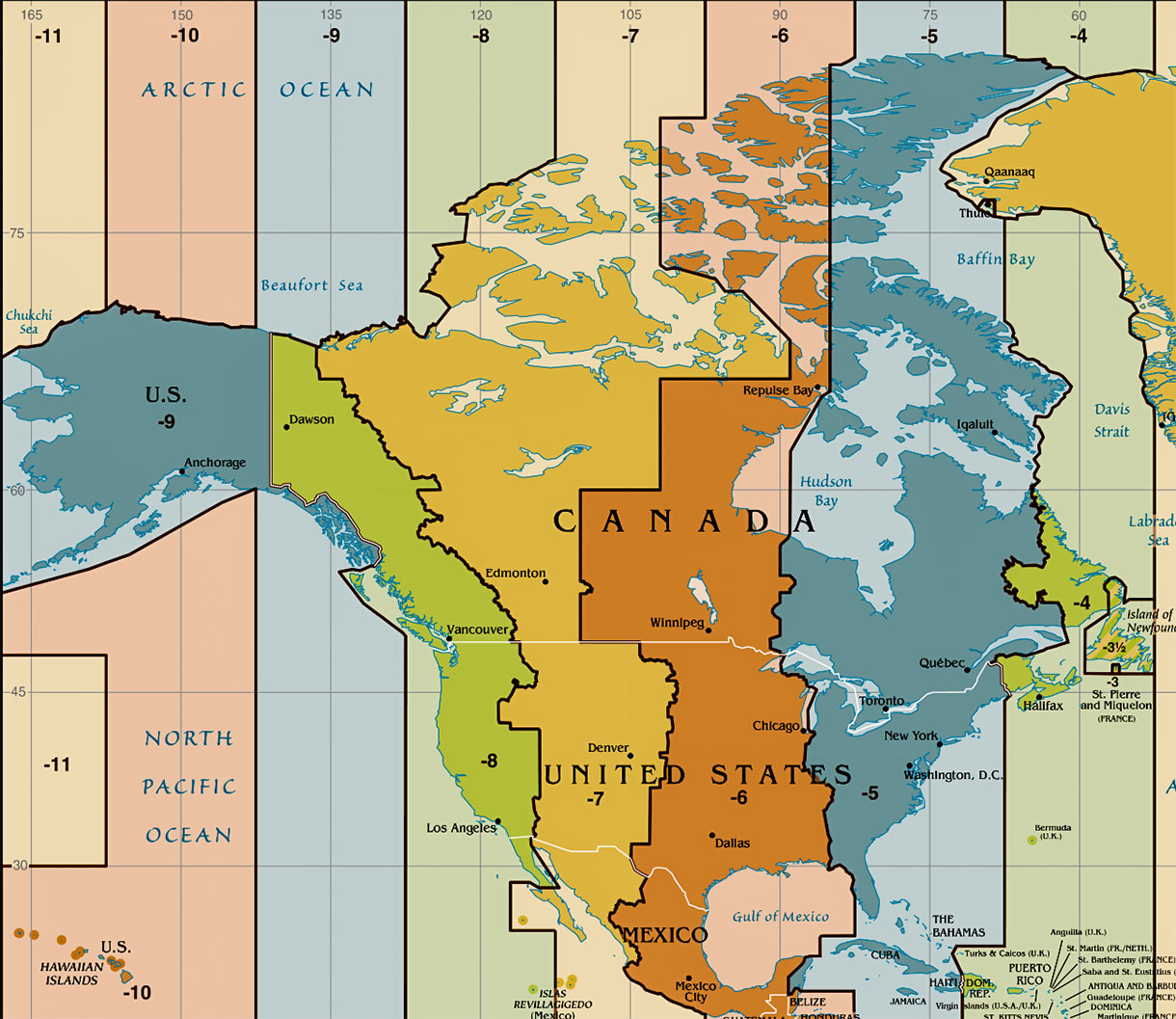
The vast majority of Alaska, including major cities like Anchorage, Fairbanks, and Juneau, observes the Alaska Time Zone. This time zone is designated as Alaska Standard Time (AKST) during the winter months and Alaska Daylight Time (AKDT) during the summer. Specifically, AKST is UTC-9 hours, meaning it is nine hours behind Coordinated Universal Time. During Daylight Saving Time, which typically runs from early March to early November, the clocks spring forward an hour, making it AKDT, or UTC-8 hours.
For most visitors arriving from the lower 48 United States, this means a significant time difference. If you’re flying from the East Coast (Eastern Time Zone), you’ll typically be setting your watch back four hours. From the West Coast (Pacific Time Zone), it’s a three-hour difference. This adjustment is crucial for coordinating flights, tours, and check-in times at your chosen accommodation.
The Aleutian Islands Anomaly: A Different Rhythm
While most of Alaska operates under the Alaska Time Zone, there’s a notable exception: the westernmost Aleutian Islands. This remote chain of volcanic islands, stretching far into the Pacific Ocean, observes the Hawaii-Aleutian Time Zone (HST/HDT). This means they are an additional hour behind the rest of Alaska, making them UTC-10 (or UTC-9 during Daylight Saving Time).
While few tourists venture to the farthest reaches of the Aleutians for a typical holiday, those seeking extreme adventure travel or specialized wildlife photography tours might find themselves in this unique temporal pocket. For the vast majority of Alaskan travelers, focusing on the Alaska Time Zone will suffice.
Daylight Saving and its Impact: Shifting Realities
Daylight Saving Time in Alaska follows the same schedule as the rest of the United States, beginning on the second Sunday in March and ending on the first Sunday in November. While this adjustment is common, its impact in Alaska is dramatically amplified by the region’s extreme latitudes. During the summer, the “extra” hour of daylight often feels negligible given that many parts of the state already experience 18-24 hours of daylight. Conversely, during the deep winter, the shift doesn’t significantly alleviate the profound darkness.
This seasonal variation, far more than the hourly shift of Daylight Saving Time, is what truly defines the Alaskan experience. It’s a fundamental aspect of the “lifestyle” in the Last Frontier, influencing everything from local schedules to the types of activities available.
Time’s Influence on Your Alaskan Adventure
Understanding the clock is one thing, but comprehending how Alaska’s unique relationship with daylight hours impacts your travel itinerary is another. This is where your careful planning, informed by the website’s focus on travel, tourism, and experiences, truly pays off.
Planning Activities Around Perpetual Day and Night
The most striking feature of Alaska’s time is not merely its time zone, but the dramatic variations in daylight throughout the year.
- Summer’s Midnight Sun: From late May to early August, much of Alaska experiences prolonged daylight, with areas above the Arctic Circle enjoying 24 hours of sun. This “land of the Midnight Sun” revolutionizes tourism and lifestyle. You can embark on a Denali National Park tour at 9 PM and still see it bathed in sunshine, or go fishing for salmon at midnight. Kayaking near the Mendenhall Glacier in Juneau, whale watching in Seward, or hiking the trails outside Anchorage all gain an extended window. This means more time for attractions and activities, but also requires conscious effort to maintain a regular sleep schedule. Hotels, like the Hotel Captain Cook in Anchorage or The Lakefront Anchorage, often equip rooms with blackout curtains to help guests adjust.
- Winter’s Polar Night and Northern Lights: Conversely, winter brings short days and long nights, particularly in the northern regions. While some might find this daunting, it’s the prime season for viewing the spectacular Aurora Borealis ( Northern Lights). Destinations like Fairbanks, situated beneath the aurora oval, become hubs for this celestial phenomenon. Winter sports, like dog sledding, skiing, and snowshoeing, also thrive under the ethereal glow of the limited daylight and the moon. This is a different kind of travel experience, often focusing on cozy lodges and outdoor adventures tailored to the cold and darkness.
When planning your Alaskan adventure, consider the seasonal daylight. Summer allows for packed itineraries and late-night explorations, while winter offers a serene, introspective journey centered around natural wonders best seen in the dark. Your choice of destination and activities should align with these temporal realities.
Navigating Logistics: Flights, Tours, and Accommodation Bookings
The significant time difference when arriving in Alaska from other parts of the world necessitates careful logistical planning.
- Flights: Most international and interstate flights land in Ted Stevens Anchorage International Airport (ANC). Be mindful of arrival times. A 9 PM arrival from the East Coast might feel like 1 AM to your body, potentially impacting your ability to enjoy the first evening or wake up refreshed for early morning tours. Allow for adjustment time, especially if your itinerary starts immediately.
- Tours and Excursions: Many Alaskan tours, from glacier cruises to wildlife viewing expeditions, operate on strict schedules. Verify their local departure times and factor in travel to departure points. During summer, the extended daylight often means tours can run later into the evening, providing more flexibility but also tempting travelers to overschedule. Always confirm operating hours, especially for smaller, local attractions or restaurants that might keep unique schedules.
- Accommodation Bookings: When booking hotels, resorts, lodges, or even apartments for a long-term stay, confirm check-in and check-out times in Alaska Time. Use online booking platforms that clearly display times in the local zone to avoid confusion. Many Alaskan hotels cater to travelers arriving from different time zones, often providing amenities like 24-hour reception or early check-in options, which you can inquire about beforehand. Luxury resorts and boutique hotels are particularly adept at assisting with time adjustments, offering personalized services that ease the transition.
The Lifestyle of Time in the Last Frontier
The unique temporal landscape of Alaska isn’t just a logistical challenge; it’s a profound aspect of the Alaskan lifestyle and a defining characteristic of its tourism experience.
Embracing the Midnight Sun and Polar Night
Locals and seasoned visitors alike develop strategies to adapt to Alaska’s extreme daylight cycles.
- Summer Adaptation: The Midnight Sun often blurs the lines between day and night. Many Alaskans embrace the endless daylight, participating in late-night hikes, gardening, or outdoor sports. Summer festivals, like Anchorage’s Solstice Festival or Fairbanks’ Midnight Sun Game, celebrate this unique phenomenon. For travelers, it means an opportunity to extend their adventures far beyond what typical daylight hours would allow. However, it also requires discipline: investing in quality sleep masks, ensuring your hotel room has effective blackout curtains, and trying to stick to a consistent sleep schedule are key to avoiding “sun insomnia.”
- Winter Resilience: The long, dark winter nights are equally transformative. While challenging, they foster a sense of community and a deep appreciation for indoor comforts and spectacular outdoor phenomena. The culture shifts to embrace winter sports, cozy evenings by the fire, and the awe-inspiring dance of the Northern Lights. Travelers visiting in winter can experience the serene beauty of a snow-covered landscape, dog mushing under the stars, or ice sculpting festivals. It’s a period of quiet reflection and unique activities distinct from the bustling summer.
This adaptation to natural light cycles is a significant part of the local culture and offers visitors a chance to experience life truly “out of the box.”
Travel Tips for Time-Zone Hoppers: Maximizing Your Stay
Managing time differences and daylight extremes can significantly impact your Alaskan journey.
- Adjust Before You Arrive: If possible, start shifting your sleep schedule a day or two before your flight to Alaska. Even an hour or two can make a difference.
- Stay Hydrated and Well-Fed: Jet lag is often exacerbated by dehydration and poor nutrition. Stick to healthy meals and drink plenty of water.
- Embrace the Light (or Dark): Upon arrival, try to expose yourself to natural light during Alaskan daytime, even if you feel tired. Conversely, use blackout curtains and eye masks for sleep, regardless of how bright it is outside.
- Prioritize Sleep: It’s tempting to push through the fatigue to maximize your sightseeing, especially during the summer. However, well-rested travelers enjoy their experiences more and are less prone to illness.
- Use Technology Wisely: Set your phone to Alaska Time immediately upon arrival. Double-check all booking confirmations for local times.
- Consider Luxury Travel for Ease: For those opting for luxury travel, many upscale resorts and tour operators offer personalized services, including private transfers and flexible itineraries, which can greatly ease the burden of time adjustment. They might also provide enhanced amenities designed for comfort, helping you to relax and acclimate.
- Budget Travel Adaptations: Even on a budget travel plan, you can implement these strategies. Choosing accommodations with good light control and prioritizing sleep remain essential.
Crafting Your Timeless Alaskan Itinerary
With a solid understanding of Alaska’s time zones and daylight dynamics, you’re well-equipped to design an itinerary that maximizes your enjoyment and minimizes temporal confusion.
Destination Deep Dive: Anchorage, Fairbanks, Juneau, and Beyond
Each of Alaska’s main hubs offers distinct experiences, each shaped by the prevailing time and daylight.
- Anchorage: The Urban Gateway: As Alaska’s largest city, Anchorage is often the starting point. Here, you’ll find a blend of urban amenities and easy access to wilderness. During summer, take advantage of the long daylight to explore the Tony Knowles Coastal Trail, visit the Alaska Native Heritage Center, or embark on a day trip to Portage Glacier. In winter, enjoy city lights and cultural events, perhaps staying at a comfortable hotel downtown.
- Fairbanks: Aurora Capital: Further north, Fairbanks is synonymous with the Northern Lights. Winter is prime time, with long nights offering ample opportunity for aurora viewing. During summer, the Midnight Sun allows for gold panning, riverboat cruises, and visits to the University of Alaska Museum of the North. Its further northern latitude means even more pronounced daylight variations.
- Juneau: The Capital City: Accessible primarily by air or sea, Juneau offers stunning fjord landscapes and glacier views. Time your visit to witness the Mendenhall Glacier, go whale watching, or explore the historic downtown. The surrounding mountains and proximity to the water influence the pace of life here.
- Denali National Park: Wilderness Heart: Home to Mount McKinley ( Denali), North America’s highest peak, this park is a must-see. Open primarily during the summer months due to accessibility, the extended daylight hours are essential for wildlife viewing, bus tours deep into the park, and hiking. Planning your accommodation ( lodges or campgrounds) and tours well in advance is critical.
When researching landmarks and attractions, always check their specific operating hours and seasonal availability, as these are heavily dictated by the Alaskan daylight cycle.
Maximizing Your Stay: From Short Trips to Extended Exploration
Whether you’re planning a quick weekend getaway or a comprehensive long-term stay, strategic planning around Alaska’s time realities is paramount.
- Booking and Reviews: Utilize online platforms to read reviews of hotels and tours that specifically mention how they cater to time-zone adjustments or extreme daylight conditions (e.g., blackout curtains in rooms, late-night tour options). Use comparison websites to find the best deals on accommodations that suit your needs, from simple apartments to luxurious resorts.
- Long-Term Stays: For those considering an extended visit, perhaps for work or a sabbatical, fully immersing yourself in the Alaskan rhythm becomes part of the experience. Renting a furnished apartment or a private villa for several weeks or months allows for a deeper connection to the local culture and helps you naturally adapt to the light cycles. This type of accommodation also offers the amenities of home, making the adjustment smoother.
- Family Trips and Business Stays: For family trips, managing children’s sleep schedules during the Midnight Sun is critical. Choose family-friendly hotels or suites with good room darkening. For business stays, punctuality is key, so ensure meetings and calls are scheduled accurately in Alaska Time, especially when coordinating with colleagues in different time zones.
In conclusion, “What time is it in Alaska?” is more than a trivial query; it’s an invitation to understand and embrace the unique temporal dimensions of the Last Frontier. By comprehending its time zones, appreciating its profound daylight variations, and planning your travel logistics accordingly, you can transform potential challenges into unparalleled opportunities for adventure, relaxation, and cultural immersion. Alaska truly offers a timeless experience, where the clock is just one guide to the grander, natural rhythms of the Arctic and sub-Arctic wilderness. So set your watch, prepare for the extraordinary, and step into a world where time unfolds in its own spectacular way.
LifeOutOfTheBox is a participant in the Amazon Services LLC Associates Program, an affiliate advertising program designed to provide a means for sites to earn advertising fees by advertising and linking to Amazon.com. Amazon, the Amazon logo, AmazonSupply, and the AmazonSupply logo are trademarks of Amazon.com, Inc. or its affiliates. As an Amazon Associate we earn affiliate commissions from qualifying purchases.