
Understanding the current time in California is far more than a simple inquiry for travelers; it’s a cornerstone for planning, navigating, and fully immersing oneself in the diverse experiences this iconic state offers. From the bustling metropolis of Los Angeles to the serene vineyards of Napa Valley, and the majestic peaks of the Sierra Nevada Mountains to the sun-drenched beaches of San Diego, California operates on a unique temporal rhythm that impacts everything from flight schedules and hotel bookings to dining reservations and sightseeing tours. For anyone considering a journey through its vibrant cities, exploring its natural wonders, or even just conducting business across time zones, grasping California’s time — and its nuances, including daylight saving — is essential.
This guide delves into California’s time zone, its implications for travel and tourism, and how understanding these temporal elements can enhance your overall experience. Whether you’re planning a luxurious escape, a budget-friendly adventure, a family vacation, or a crucial business trip, synchronizing with California time is your first step towards a seamless and unforgettable visit.
Understanding California’s Time Zone: PST and PDT
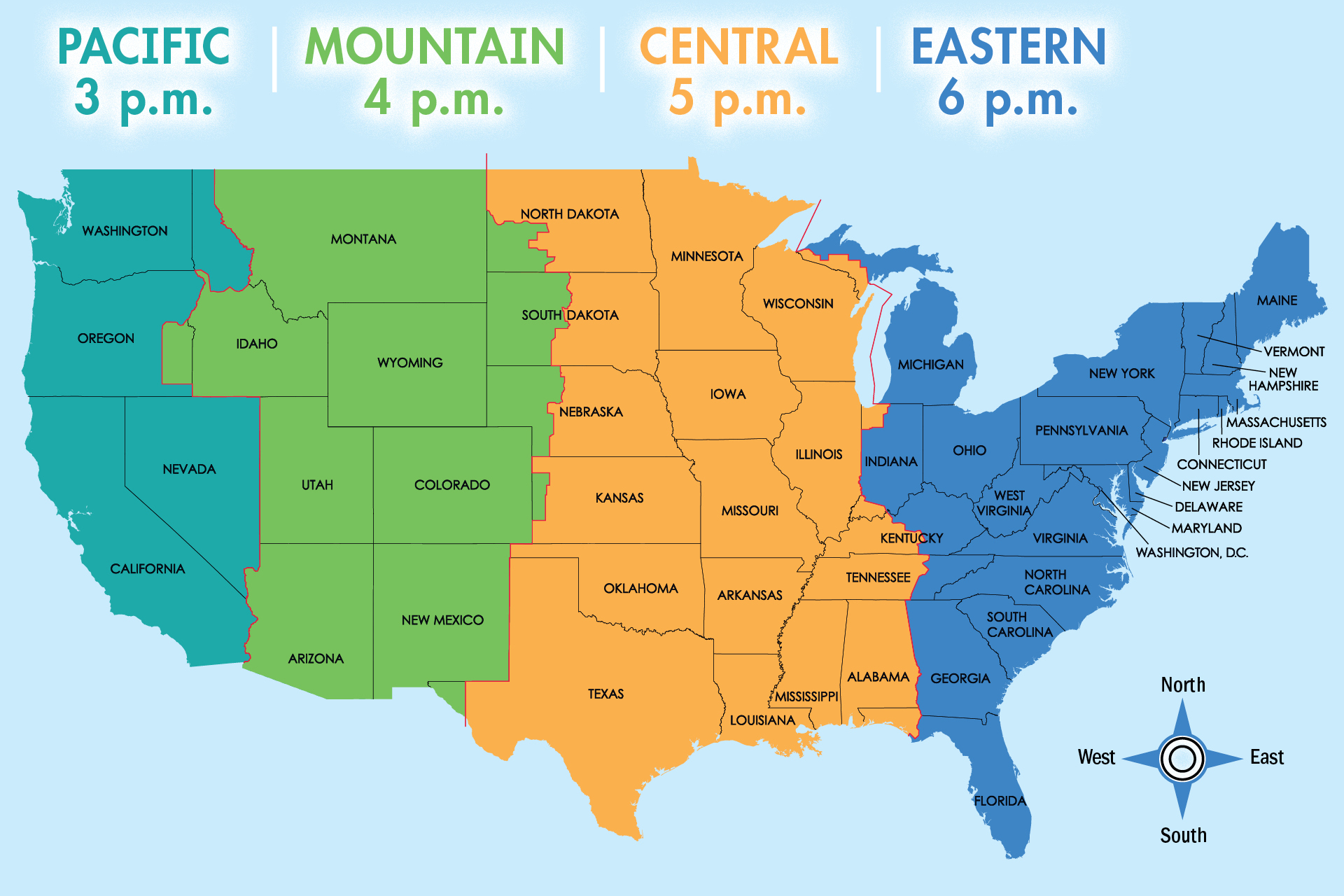
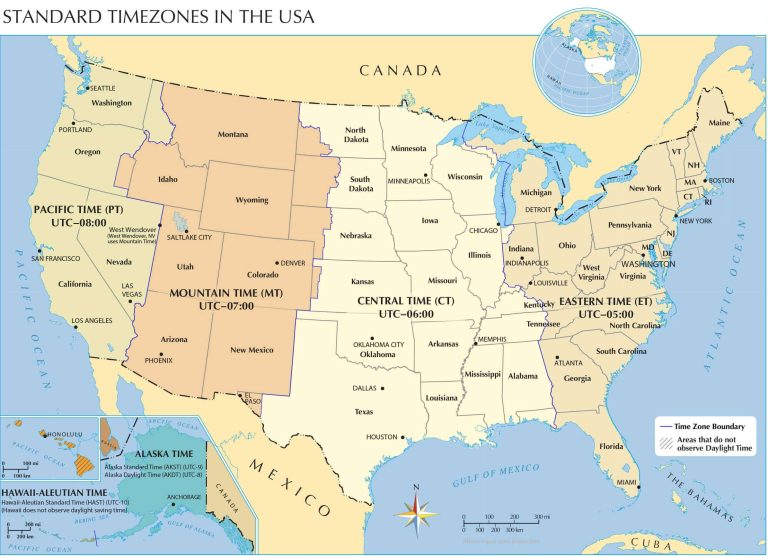
California predominantly operates under one time zone: the Pacific Time Zone. This zone observes both Pacific Standard Time (PST) during the winter months and Pacific Daylight Time (PDT) during the summer and spring. This distinction is crucial, as it shifts the clock by an hour, influencing everything from sunrise and sunset times to the opening hours of attractions.
Pacific Standard Time (PST) and Pacific Daylight Time (PDT)
- Pacific Standard Time (PST): During the colder months, typically from early November to mid-March, California observes Pacific Standard Time. This is UTC-8, meaning it is eight hours behind Coordinated Universal Time (UTC). When it’s noon UTC, it’s 4:00 AM in California under PST. This is the “standard” time.
- Pacific Daylight Time (PDT): As spring arrives, usually on the second Sunday in March, California, like much of the United States, springs forward into Pacific Daylight Time. This is UTC-7, making it seven hours behind Coordinated Universal Time. The change means an hour of daylight is effectively shifted to the evening, providing longer evenings for outdoor activities and sightseeing. PDT remains in effect until the first Sunday in November, when clocks fall back an hour to PST.
This biannual time change is a critical factor for anyone planning a visit or needing to connect with someone in California. Forgetting to account for the shift can lead to missed flights, late arrivals for tours, or scheduling conflicts for meetings.
Why Time Zones Matter for Travelers
The implications of California’s time zone extend far beyond simply knowing what hour it is. For travelers and tourists, understanding PST/PDT affects several key aspects of their trip:
- Jet Lag Management: Traveling from the Eastern Seaboard or even further afield like Europe or Asia can result in significant jet lag. Knowing the time difference helps in planning your arrival, setting your internal clock, and strategizing activities to mitigate its effects. Arriving in Los Angeles from New York means a three-hour time difference, which can still feel substantial.
- Flight and Transportation Schedules: All flight arrival and departure times, train schedules, and bus timings are listed in local time. A traveler flying into San Francisco needs to be acutely aware of the time difference from their departure city to avoid confusion.
- Accommodation Check-in/Check-out: Hotels, resorts, and vacation rentals strictly adhere to local check-in and check-out times. Miscalculating this could mean waiting for hours or incurring late departure fees. Planning your arrival at a resort in Palm Springs requires aligning with their PST/PDT operational hours.
- Restaurant Reservations and Event Bookings: Securing a table at a popular restaurant in San Diego or tickets for a show in Hollywood requires precise timing. Many sought-after experiences book up quickly, and a miscalculation of time zones could mean missing out entirely.
- Communication with Home: Staying in touch with family or colleagues outside California necessitates understanding the time difference to avoid inconvenient calls or missed virtual meetings.
Navigating California: Planning Your Visit Around Time
California’s vastness means that while the entire state shares the Pacific Time Zone, the experience of time can vary based on your location and planned activities. From coastal cities to desert landscapes and mountain retreats, each region offers unique attractions that are best enjoyed with a keen awareness of local operating hours and daylight availability.
Major Cities and Their Local Time Impact
- Los Angeles: As one of the world’s entertainment capitals, Los Angeles thrives on a fast pace. Attractions like Universal Studios Hollywood, the Getty Center, and the Hollywood Walk of Fame have specific opening and closing times. Planning your day efficiently, especially when battling LA traffic, means maximizing daylight hours. A visit to the Griffith Observatory for sunset views requires checking the precise sunset time.
- San Francisco: Known for its iconic landmarks like the Golden Gate Bridge and Alcatraz Island, San Francisco’s tourism relies heavily on timed tickets and specific operating hours for cable cars and museums. Fog can also influence visibility, making daylight planning crucial for sights like Fisherman’s Wharf.
- San Diego: With its beautiful beaches, Balboa Park, and world-renowned San Diego Zoo, this city offers a more laid-back vibe but still requires time-conscious planning for its diverse attractions. Water-based activities, in particular, are weather and daylight dependent.
- Sacramento: The state capital, rich in history, offers attractions like the Old Sacramento State Historic Park. While perhaps less bustling than its southern counterparts, understanding business hours for government buildings and museums is still vital.
- Napa Valley: For wine enthusiasts, timing is everything. Winery tours and tastings in Napa Valley are often by appointment, and specific harvest seasons dictate certain experiences. Daylight hours are essential for enjoying the scenic drives and vineyard views.
- Palm Springs: This desert oasis attracts visitors for relaxation and golf. Understanding the extreme heat during summer daylight hours is crucial; many activities are planned for early mornings or late afternoons.
From Coast to Desert: Experiencing California’s Diverse Regions
California’s geographical diversity means the impact of time varies regionally.
- Coastal Regions (e.g., Santa Barbara, Big Sur): These areas benefit from longer daylight hours in Pacific Daylight Time, perfect for exploring beaches, coastal drives, and outdoor dining with ocean views. Sunrise and sunset are particularly spectacular here.
- Mountain Regions (e.g., Lake Tahoe, Yosemite National Park): Daylight hours are critical for hiking, skiing, and other outdoor adventures. Park entrance times, trail closures, and the need to return before dark are paramount for safety and enjoyment in places like Yosemite National Park. Winter sports are entirely dependent on daylight and snow conditions, making PST hours crucial.
- Desert Regions (e.g., Death Valley National Park, Joshua Tree National Park): Here, temperature dictates activity more than just daylight. During Pacific Daylight Time, the sun can be intensely hot, making early morning or late afternoon/evening explorations more comfortable and safer. Nighttime stargazing in these parks is a major draw, highlighting the importance of understanding the lack of light pollution after sunset.
Maximizing Your California Experience: Beyond the Clock
While knowing the exact time is fundamental, truly maximizing your California experience involves integrating this knowledge with the broader aspects of travel, accommodation, and lifestyle. It’s about more than just avoiding scheduling conflicts; it’s about optimizing your enjoyment.
Culinary Delights and Nightlife: Timing Your Indulgences
California’s culinary scene is world-renowned, from farm-to-table restaurants to innovative fusion cuisine.
- Dining: Popular eateries in cities like San Francisco and Los Angeles often require reservations weeks in advance, particularly for prime dinner slots. Understanding the local time is crucial for making these bookings at the right moment. Brunch culture is also strong, especially on weekends, requiring consideration of the morning hours.
- Nightlife: California’s nightlife, whether it’s a concert in Hollywood, a bar crawl in the Gaslamp Quarter of San Diego, or a relaxed evening in a Santa Barbara wine bar, often kicks off after sunset. Knowing when Pacific Daylight Time transitions back to Pacific Standard Time can affect how much “extra” evening you have for entertainment. Many venues operate until late, and transportation options like ride-sharing services are plentiful, but peak times can incur surge pricing, making an awareness of the clock beneficial.
Accommodation and Booking: Synchronizing Your Stay
Securing the right accommodation is paramount for any trip.
- Hotel Check-in/Check-out: From luxury resorts in Beverly Hills to cozy boutique hotels in Carmel-by-the-Sea, all properties have strict check-in and check-out times. Arriving too early might mean waiting for your room, while checking out late could lead to additional charges. Many travelers flying in from different time zones plan their arrival flights to coincide with standard check-in times to minimize waiting.
- Booking Windows: Early booking for popular hotels and resorts, especially during peak seasons (e.g., summer in San Diego, ski season in Lake Tahoe), is critical. Understanding the time difference allows you to jump on deals or secure preferred rooms as soon as booking windows open, which can often be based on California time. This applies equally to vacation rentals and long-term stays.
- Amenities and Services: Hotel amenities like pools, fitness centers, and concierge services also operate on local time schedules. Knowing these hours allows you to plan your relaxation and activities effectively. For example, enjoying the pool at a resort in Palm Springs might be best timed for late afternoon as the desert sun begins to wane.
The Ever-Changing Landscape: Daylight Saving and Its Implications
While seemingly a minor adjustment, the twice-yearly shift for daylight saving profoundly impacts life in California and requires specific consideration from visitors.
The shift from Pacific Standard Time to Pacific Daylight Time in March means that an hour of daylight is “lost” in the morning but “gained” in the evening. This creates longer evenings, which are often welcomed by tourists for extended sightseeing, outdoor dining, and enjoying sunsets. Conversely, the shift from PDT back to PST in November means gaining an hour in the morning, making for earlier sunrises but quicker sunsets. This can affect plans for early morning excursions or late afternoon activities, particularly in regions where natural light is a major factor, such as hiking in Sequoia National Park or exploring the coastal redwoods.
For businesses, especially those catering to tourism, these shifts mean adjusting operating hours, tour schedules, and booking availability. Travelers should always double-check current times and operational hours closer to their travel dates, particularly if their trip straddles a daylight saving changeover. Online booking systems and travel apps usually account for this automatically, but a quick manual check can prevent unexpected surprises.
Embracing California’s Rhythm: A Traveler’s Perspective
Ultimately, understanding what time it is in California is about more than just a number on a clock face; it’s about synchronizing with the pulse of one of the world’s most dynamic and diverse destinations. From the moment you begin planning your trip — whether it’s a cross-country flight to Los Angeles, a luxurious stay in San Francisco, or an adventurous trek through Yosemite National Park — time plays an integral role.
Embracing California’s rhythm means appreciating the extended evenings of Pacific Daylight Time for a sunset stroll along Santa Monica Pier, or the crisp mornings of Pacific Standard Time for an early hike in Joshua Tree National Park. It means knowing when to make that coveted reservation in Napa Valley, or when to check in at your preferred resort in San Diego. It’s about ensuring smooth transitions between time zones, managing jet lag effectively, and making the most of every precious moment in a state that offers an unparalleled array of experiences.
So, as you dream of California’s iconic landmarks, vibrant cities, and breathtaking natural beauty, remember that a little foresight about its time zones can go a long way in transforming a good trip into an extraordinary one. It’s your ticket to unlocking the full potential of your California adventure, ensuring every second is spent wisely and wonderfully.
LifeOutOfTheBox is a participant in the Amazon Services LLC Associates Program, an affiliate advertising program designed to provide a means for sites to earn advertising fees by advertising and linking to Amazon.com. Amazon, the Amazon logo, AmazonSupply, and the AmazonSupply logo are trademarks of Amazon.com, Inc. or its affiliates. As an Amazon Associate we earn affiliate commissions from qualifying purchases.