
Embarking on a journey to the heart of the American South, whether for leisure, business, or a cultural immersion, requires careful planning. Among the myriad details to consider—from booking the perfect accommodation to mapping out must-see landmarks—one fundamental element often overlooked until the last minute is the local time. So, what time is it in Alabama? The answer, while seemingly straightforward, carries significant implications for your travel experience, ensuring seamless transitions, timely appointments, and an overall stress-free exploration of this vibrant state.
Alabama predominantly operates on Central Time Zone (CT), which observes both Central Standard Time (CST) during the colder months and Central Daylight Time (CDT) for a significant portion of the year. Understanding this crucial detail is the first step in unlocking a perfectly orchestrated Alabama adventure, allowing you to synchronize your internal clock with the rhythm of Southern hospitality and efficiency.
Understanding Alabama’s Time Zone: Central Standard Time (CST) and Central Daylight Time (CDT)
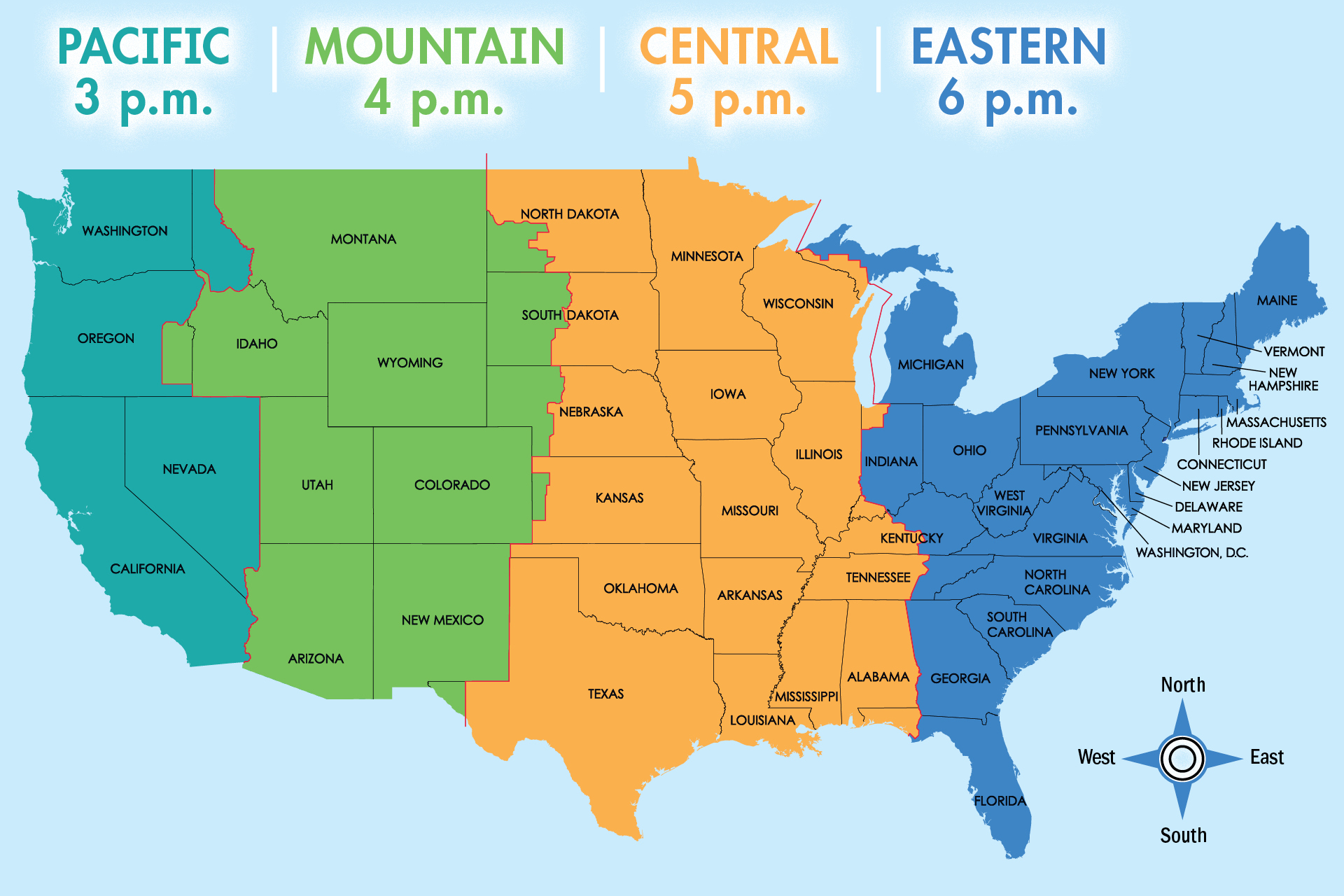
For any traveler, understanding the local time zone is paramount. It affects everything from flight arrivals and hotel check-ins to dinner reservations and the operating hours of attractions. Alabama’s adherence to the Central Time Zone means it’s one hour behind the Eastern Time Zone and one hour ahead of the Mountain Time Zone. This geographical and chronological placement profoundly influences the flow of daily life and tourism within the state.
The Basics of Central Time: UTC-6 and UTC-5
During the standard period, typically from early November to mid-March, Alabama observes Central Standard Time (CST). This is officially designated as UTC-6, meaning it is six hours behind Coordinated Universal Time. When the spring arrives, Alabama transitions to Central Daylight Time (CDT), a practice that shifts clocks forward by one hour. CDT is observed from mid-March to early November and is designated as UTC-5, five hours behind Coordinated Universal Time. This annual ritual, commonly known as Daylight Saving Time, is designed to make better use of daylight, providing longer evenings for outdoor activities and contributing to the vibrant lifestyle that Alabama offers.
While the concept of Daylight Saving Time might seem minor, it’s crucial for travelers. Forgetting to adjust your devices or account for the time change can lead to missed flights, late check-ins, or arriving at an attraction before it opens or after it closes. Most modern smartphones and digital devices automatically adjust, but it’s always wise to double-check, especially if you’re traveling across multiple time zones or relying on manual clocks. The change typically occurs on the second Sunday in March (spring forward) and the first Sunday in November (fall back), marking significant shifts in how local businesses operate and how tourists experience their day.
Why Time Zones Matter for Travelers
The practical implications of Alabama’s time zone extend far beyond simply knowing what time to set your watch. For air travelers, understanding CST or CDT is vital for coordinating flight schedules, ensuring you arrive at Birmingham-Shuttlesworth International Airport or Mobile Regional Airport on time for departures and connections. Business travelers, in particular, need to synchronize conference calls and meetings with colleagues in other time zones, avoiding awkward scheduling conflicts.
Beyond logistics, the time zone affects your leisure activities. Attractions, museums, and historical landmarks across the state, such as the U.S. Space & Rocket Center in Huntsville or the Birmingham Civil Rights Institute, adhere strictly to local hours. Missing a timed entry ticket or showing up after closing can be a significant disappointment. Similarly, dining experiences, from savoring fresh seafood on the Gulf Coast to enjoying a classic Southern BBQ in Montgomery, are all scheduled according to local time. Arriving too early or too late might mean missing out on prime reservations or even finding a restaurant closed between lunch and dinner services. Therefore, a clear understanding of Alabama’s time zone is the bedrock of a well-executed travel plan, enabling visitors to fully immerse themselves in the local culture without unnecessary time-related hiccups.
Navigating Your Alabama Journey: Time’s Impact on Travel & Tourism
Alabama offers a diverse tapestry of experiences, from sun-drenched beaches and historic battlefields to vibrant cities and serene natural escapes. Effective time management, informed by an awareness of the Central Time Zone, is key to unlocking the full potential of your trip.
Planning Your Itinerary: From Coastal Beaches to Mountain Retreats
When designing your Alabama itinerary, consider the time zone in relation to the state’s geographical diversity. A morning spent on the white sands of Gulf Shores or Orange Beach might flow into an afternoon drive towards the vibrant city life of Mobile or Montgomery. Each leg of your journey, whether it’s a scenic drive along the Natchez Trace Parkway or an exploration of the highest point in Alabama, Mount Cheaha, must be timed correctly.
Booking flights, especially if connecting from different time zones, requires meticulous attention to arrival and departure times. A flight arriving at 9:00 AM Eastern Time means a 8:00 AM local arrival in Alabama, giving you an extra hour to kickstart your day. Similarly, when booking popular tours, such as a dolphin cruise from Dauphin Island or a guided historical walk through Selma, always confirm the start times in local CDT or CST. Restaurant reservations, particularly for popular dining spots in cities like Birmingham or Huntsville, should also be made with local time in mind, to avoid missing your table or arriving at an awkward hour. During peak seasons, such as spring break on the Gulf Coast or fall festivals in Northern Alabama, timing becomes even more critical due to increased demand and potential for delays.

Local Experiences and Cultural Immersion
Alabama’s rich culture and history are deeply intertwined with its daily rhythm. Many local experiences are time-sensitive. Festivals, live music events, and sporting events, particularly college football games involving the University of Alabama in Tuscaloosa or Auburn University in Auburn, often follow strict schedules that are critical for attendees. Checking kick-off times or performance schedules in advance, and adjusting for the local time zone, is crucial to fully participate in these beloved Southern traditions.
Dining schedules are another aspect of local culture influenced by time. While many restaurants offer continuous service, some fine dining establishments or smaller, family-run eateries might have specific hours for lunch and dinner, often closing during the mid-afternoon. Understanding these nuances helps in planning your culinary adventures, from a hearty Southern breakfast to a sophisticated evening meal.
Exploring Alabama’s significant historical sites and museums also requires time awareness. The Civil Rights Memorial and National Memorial for Peace and Justice in Montgomery, the Dexter Avenue King Memorial Baptist Church, or the Battleship USS Alabama Memorial Park in Mobile all have defined operating hours. Showing up too late might mean missing out on a guided tour or having insufficient time to fully absorb the weight of these important landmarks. By aligning your internal clock with Alabama’s Central Time Zone, you ensure that every moment of your journey is spent experiencing the best the state has to offer, from its historical depths to its vibrant contemporary scene.
Accommodation and Lifestyle: Making the Most of Your Stay
Beyond the initial planning, the local time zone continues to shape your daily experience once you’ve arrived in Alabama. From the moment you check into your chosen accommodation to how you fill your days with activities, an awareness of CST or CDT will enhance your overall comfort and enjoyment.
Hotels, Resorts, and Beyond: Checking In on Time
Most hotels, resorts, and other accommodation providers in Alabama maintain standard check-in and check-out times, typically around 3:00 PM for check-in and 11:00 AM or 12:00 PM for check-out, all based on local time. If you’re arriving from a different time zone, particularly one to the east, you might find yourself arriving earlier than expected in local time, giving you extra hours to settle in. Conversely, arriving from the west might mean you’re more prone to late arrivals if not properly accounted for.
Communicating effectively with your accommodation provider about your expected arrival time, especially if it’s outside standard hours, is essential. Many establishments offer amenities like early check-in or late check-out, often for a fee, but these services are always based on local availability and time. Whether you choose a luxurious suite in Montgomery, a family-friendly resort in Orange Beach, a charming bed and breakfast in Fairhope, or a convenient apartment rental in Decatur, confirming these details in Alabama’s local time will ensure a smooth start and end to your stay. Utilizing concierge services for activity bookings or dining recommendations also requires you to be mindful of local operating hours and availability.
Embracing the Alabama Lifestyle
The local time zone profoundly influences the lifestyle and daily pace of Alabama. Mornings might begin with a leisurely breakfast before heading out for a round of golf on the renowned Robert Trent Jones Golf Trail, which spans across multiple locations including Huntsville, Auburn, and Mobile. Anglers might rise with the sun for a deep-sea fishing excursion from Gulf Shores, making optimal use of the early daylight hours.
Afternoons are perfect for exploring Alabama’s vibrant cultural scene. In Birmingham, you could visit the Vulcan Park and Museum, the McWane Science Center, or the Birmingham Museum of Art. Further north in Florence, a walk through the historic downtown or a visit to the Frank Lloyd Wright Rosenbaum House can fill the hours. If you’re near Cheaha State Park or Bankhead National Forest, a hike might be on the agenda, best started earlier in the day during warmer months to avoid the peak heat.
Evenings come alive with diverse entertainment options. From catching a performance at the Alabama Shakespeare Festival in Montgomery to enjoying live music in Mobile’s historic district, activities are timed according to CDT or CST. For families, a visit to the Montgomery Zoo might be a daytime activity, while for business travelers, an evening networking event in Huntsville’s booming tech sector could be a priority. Whether your lifestyle leans towards luxury travel with spa treatments and gourmet dining, or budget travel focusing on free attractions and local eateries, managing your time within Alabama’s time zone ensures you maximize every moment.
Essential Time-Saving Tips for Your Alabama Adventure
A well-planned trip is one where time is on your side. While the concept of time zones might seem simple, overlooking its practical aspects can lead to unnecessary stress and missed opportunities. By implementing a few key strategies, you can ensure your Alabama adventure runs seamlessly, allowing you to focus on creating unforgettable memories rather than constantly checking your watch.
Practical Advice for a Seamless Trip
First and foremost, always double-check local times for all bookings and reservations. This includes flights, hotel check-ins, rental car pick-ups, restaurant reservations, tour start times, and tickets for attractions like Gulf State Park or the Rosa Parks Museum. Many online booking platforms will display times in your local time zone by default, so it’s critical to confirm whether the displayed time is your home time or the local Alabama time (CST or CDT). A quick confirmation call or email to the venue can prevent any confusion.
Upon arrival, adjust all your watches and electronic devices to Alabama’s local time immediately. Most smartphones automatically update their time zone based on your location, but manually checking this setting can save you from an early morning wake-up call or a late arrival to an important meeting. For traditional watches, make the change as soon as you land. This simple step helps you mentally reset and align with the local rhythm.
If you are traveling for business or have contacts in other time zones, clearly communicate your availability in their respective times. For instance, if you’re in Alabama and need to call someone on the East Coast, remember they are one hour ahead. Conversely, those on the West Coast will be two or three hours behind. Stating “I’ll call you at 10 AM your time” eliminates ambiguity and fosters effective communication.
Finally, leverage online tools and apps that specifically deal with time zone conversions. Websites like WorldTimeServer or apps designed for frequent travelers can quickly show you the current time in multiple locations simultaneously, making cross-country or international communication much simpler. Keeping a printed or digital copy of your itinerary with all times confirmed in local Alabama time can serve as a quick reference point throughout your journey. By being proactive and mindful of the clock, your exploration of Alabama will be as smooth and enjoyable as possible, allowing you to fully savor every moment in the heart of Dixie.
Knowing what time it is in Alabama—namely, the observance of Central Standard Time or Central Daylight Time—is more than just a trivial detail; it’s a foundational piece of information for any successful journey to the state. From the logistics of travel and accommodation to fully immersing yourself in the rich tourism experiences and local lifestyle, understanding the time zone ensures every aspect of your trip unfolds effortlessly. By staying attuned to the clock and implementing these practical tips, you can transform potential time-related challenges into opportunities for deeper engagement and a truly memorable adventure across Alabama’s diverse landscapes and welcoming communities. So, set your watch, embrace the rhythm of the South, and prepare to discover the timeless charm of Alabama.
LifeOutOfTheBox is a participant in the Amazon Services LLC Associates Program, an affiliate advertising program designed to provide a means for sites to earn advertising fees by advertising and linking to Amazon.com. Amazon, the Amazon logo, AmazonSupply, and the AmazonSupply logo are trademarks of Amazon.com, Inc. or its affiliates. As an Amazon Associate we earn affiliate commissions from qualifying purchases.