
Planning a trip to the Grand Canyon State often involves considerations for breathtaking landscapes, vibrant cities, and unique cultural experiences. However, one often-overlooked aspect that can significantly impact your travel itinerary and overall experience is Arizona’s distinctive approach to time. Unlike most of the United States, Arizona does not observe Daylight Saving Time (DST), a fact that can lead to confusion for first-time visitors and even seasoned travelers. Understanding this unique time zone situation is crucial for seamless bookings, timely arrivals, and making the most of every moment during your stay, whether you’re exploring ancient Native American ruins, hiking red rock trails, or relaxing at a luxurious resort.

This comprehensive guide delves into the intricacies of Arizona’s timekeeping, offering insights for planning your perfect escape. From understanding the year-round consistency of Mountain Standard Time (MST) to navigating the unique exception within the Navajo Nation, we’ll equip you with all the knowledge needed to ensure your clocks and plans are perfectly aligned with the Grand Canyon State’s rhythm.
The Arizona Time Anomaly: Your Guide to Year-Round MST
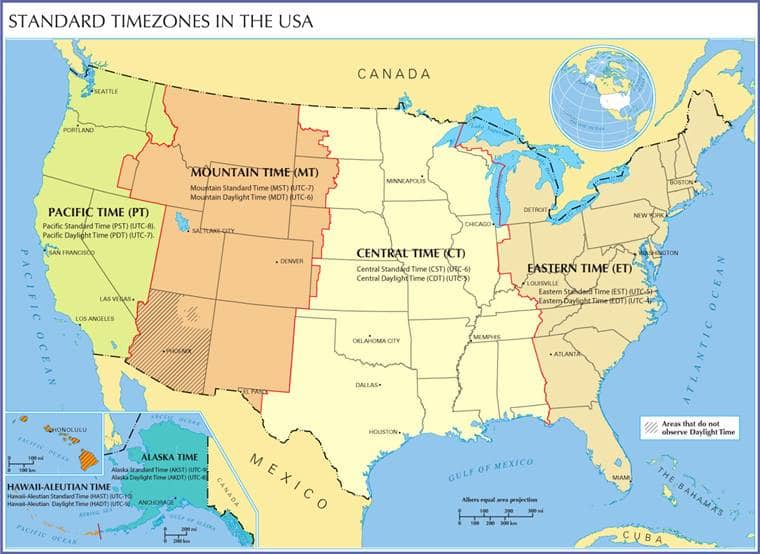
At the heart of Arizona’s distinct time zone lies its unwavering commitment to Mountain Standard Time (MST) throughout the entire year. This means that while much of the United States “springs forward” and “falls back,” Arizona remains constant. When most of the surrounding states observe Daylight Saving Time, Arizona effectively aligns with Pacific Daylight Time (PDT), which is observed by neighbors like California and Nevada. Conversely, during the fall and winter months, when DST ends, Arizona reverts to being one hour behind Mountain Daylight Time (MDT) states like Utah, Colorado, and New Mexico. This constant shift in relative time zones can be a source of confusion but is easily manageable with a little foresight.
The decision for Arizona to opt out of Daylight Saving Time dates back to 1968. The primary rationale was rooted in the state’s extreme summer heat. Proponents argued that observing DST would mean an extra hour of daylight in the evening, pushing outdoor activities and energy consumption further into the hottest parts of the day. By sticking to MST, Arizona experiences earlier sunrises and sunsets, allowing residents and visitors to complete activities before the peak heat of the afternoon. This choice reflects a unique aspect of Arizona’s lifestyle, deeply intertwined with its desert climate.
Navigating the Time Warp for Your Arizona Travel Itinerary
For travelers, understanding Arizona’s consistent MST is paramount to a smooth journey. Whether you’re flying into Phoenix Sky Harbor International Airport or Tucson International Airport, or driving across state lines, time differences can impact everything from flight connections to hotel check-ins and tour schedules.
- Flight Schedules: If you’re flying in from a state that observes Daylight Saving Time during spring and summer, be mindful that your arrival time in Arizona will effectively be an hour earlier than if you were flying to a MDT state. For example, if it’s 3 PM in Denver, Colorado (on MDT), it will be 2 PM in Phoenix (on MST). During the fall and winter, when DST is not observed anywhere, Arizona will be one hour behind MST states and two hours behind CST states. Always double-check your boarding passes and arrival times.
- Hotel Check-in/Check-out and Reservations: Most hotels and resorts across Arizona operate on MST year-round. This consistency simplifies planning, but if you’re traveling from a PDT or MDT zone, remember to adjust your internal clock. Confirming specific check-in times and making restaurant reservations requires this awareness. Imagine missing a coveted dinner reservation in Scottsdale because you were operating on the wrong time!
- Attraction and Tour Bookings: Popular attractions like the Grand Canyon National Park, Antelope Canyon, Sedona vortex tours, or even visiting the Desert Botanical Garden in Phoenix, all have strict operating hours and tour departure times. Always verify these against local Arizona time. Missing a sunrise tour at the Grand Canyon because of a time zone miscalculation would be a significant disappointment.
- Business Stays: For those on a business trip or attending conferences in cities like Phoenix or Tucson, clear communication regarding meeting times is essential, especially when coordinating with colleagues in other states.
Tips for Avoiding Confusion:
- Set Your Devices to Network Time: Most smartphones automatically adjust to local network time. Ensure this feature is enabled.
- Manually Adjust Analog Clocks: If you rely on a non-smartwatch or analog clock, remember to adjust it upon arrival.
- Confirm Everything: When making bookings, explicitly ask, “Is this in Arizona time?” or “Is this MST?”
- Communicate Clearly: If arranging to meet someone, specify the time zone (e.g., “Let’s meet at 9 AM Arizona time”).
The Navajo Nation Exception: A Twist in the Arizona Time Story
Just when you think you’ve got Arizona’s time situation figured out, there’s a significant and fascinating exception: the Navajo Nation. This vast tribal land, which extends into Northeastern Arizona, as well as parts of Utah and New Mexico, does observe Daylight Saving Time. This means that for roughly half the year (from early March to early November), the Navajo Nation is one hour ahead of the rest of Arizona.
The Navajo Nation’s decision to observe DST is largely driven by its interstate nature and historical agricultural practices. By aligning with its neighbors in Utah and New Mexico, and facilitating coordination across its widespread territories, the Navajo Nation maintains a different clock. This creates a unique “time warp” within Arizona itself, where you can literally cross a road and change time zones.

Adding another layer of complexity is the Hopi Reservation, which is entirely surrounded by the Navajo Nation but does not observe Daylight Saving Time. This creates a “doughnut hole” effect where a traveler driving through the Navajo Nation could potentially change time zones, then change back, and then change again. While most tourist itineraries won’t involve such intricate time-hopping, it underscores the importance of being aware of local time distinctions, especially when exploring tribal lands.
Planning Your Visit to Northern Arizona and Tribal Lands
For visitors heading to Northern Arizona and tribal areas, this time difference is especially pertinent. Many iconic landmarks and attractions are located within or near the Navajo Nation, making careful time planning essential.
- Antelope Canyon & Page: The popular town of Page, the gateway to Antelope Canyon and Horseshoe Bend, operates on Arizona’s standard MST. However, Antelope Canyon tours, which are managed by the Navajo Nation, adhere to Navajo Nation time. During DST, this means Antelope Canyon tours will be one hour ahead of Page time. If your tour is booked for 9 AM Navajo Nation time, you’ll need to leave Page by 8 AM Page time to arrive on schedule. This is a common point of confusion for many visitors.
- Monument Valley: As a sacred and iconic part of the Navajo Nation, all activities, tours, and services within Monument Valley operate on Navajo Nation time, observing DST.
- Canyon de Chelly: Located near Chinle within the Navajo Nation, tours and visitor center hours will follow Navajo Nation time.
- Road Trips and Border Towns: If you’re driving along historic Route 66 through Arizona or exploring towns near the Utah and New Mexico borders, such as Kayenta or Window Rock (the capital of the Navajo Nation), you’ll be crossing in and out of the Navajo Nation and its time zone. Many gas stations, restaurants, and local businesses within the Navajo Nation will operate on DST during the summer.
When booking guided tours or planning visits to specific cultural sites, always inquire about which time zone the tour operator or attraction uses. A quick phone call or check of their website can save you from a missed experience.
Beyond the Clock: How Arizona’s Time Choice Shapes Lifestyle and Tourism
Arizona’s unique time zone isn’t just a quirky detail; it profoundly influences the state’s lifestyle and shapes its tourism offerings, making it a distinctive destination for various travel styles, from luxury resorts to budget adventures. The decision to forgo Daylight Saving Time has practical implications that cater to both residents and visitors.
Lifestyle and Daily Rhythm:
For permanent residents, the consistent MST schedule means no biannual clock adjustments, simplifying daily routines and business operations. This stability avoids the disruption often associated with DST shifts, which can impact sleep patterns and productivity. From a lifestyle perspective, the earlier sunrises during summer months encourage an early start to the day, which is particularly beneficial in a hot climate. Many locals rise with the sun to enjoy cooler morning temperatures for exercise, gardening, or outdoor chores before the desert heat becomes intense. This rhythm extends to family life, with children often starting school earlier to end their day before the hottest part of the afternoon.
Tourism and Experience Optimization:
Arizona’s time zone strategy has subtle but significant advantages for tourism, particularly for outdoor activities and travel from neighboring states.
- Optimizing Outdoor Activities: During the peak summer travel season, Arizona effectively aligning with PDT means that visitors from California and Nevada don’t have to adjust their clocks when entering Arizona. This simplifies travel logistics for millions of tourists. The consistent MST also means that during summer, the sun rises “earlier” relative to what it would be if DST were observed. This encourages visitors to start their day earlier for activities like hiking in Saguaro National Park or exploring the trails around Sedona, maximizing time in cooler conditions and providing stunning sunrise photography opportunities over landmarks like the Grand Canyon.
- Extended Evening Enjoyment (Seasonally): While the motivation for not observing DST was to reduce late evening heat, the effect of being on MST when others are on MDT means Arizona has a similar sunset time to PDT states, maintaining relatively long daylight hours in the evenings during the summer. This allows for relaxing poolside at Phoenix or Scottsdale resorts, enjoying al fresco dining, or experiencing the vibrant nightlife of cities like Tempe and Tucson.
- Stargazing: The earlier twilight, particularly in the shoulder seasons, can allow for earlier starts to stargazing tours and activities in Arizona’s many dark sky parks and remote areas, like around Flagstaff, known as an International Dark Sky City.
Maximizing Your Arizona Experience: From Resorts to Red Rocks
Understanding the time nuances empowers you to perfectly synchronize your travel plans with Arizona’s rhythm.
- Accommodation Considerations: When booking a room, whether it’s a suite in a Tucson resort or a charming villa near Sedona’s red rocks, rest assured that their operating hours, amenity schedules, and check-in/out times will adhere to MST (unless specifically stated, as might be the case on certain tribal lands). Hotels are typically well-versed in advising guests about the time difference, especially for those arriving from states observing DST. Many modern hotels provide digital clocks that automatically adjust, and staff are always on hand to clarify any confusion.
- Landmarks and Attractions:
- Grand Canyon: The South Rim and North Rim facilities operate on MST. Plan your sunrise or sunset viewing based on this. Ranger programs, shuttle services, and visitor center hours will follow local Arizona time.
- Sedona: Vortex tours, jeep adventures, and gallery hours are all on MST. This is particularly convenient for visitors coming from California or Nevada during summer, as there’s no time change when crossing the border to explore Sedona’s captivating scenery.
- Saguaro National Park & Petrified Forest National Park: These and other state parks and national monuments (like Kartchner Caverns State Park in Benson) will adhere to MST, ensuring a consistent schedule for park entry and ranger-led activities.
- Events and Local Culture: From annual music festivals in Tempe to rodeos in Yuma or historical reenactments in Tombstone, all publicly advertised event times within the non-Navajo Nation areas of Arizona will be in MST. Always check the specific time zone for events on tribal lands.
- Border Crossings: Driving from Las Vegas to Lake Havasu City, or passing near the Hoover Dam, will involve crossing from a PDT (summer) or PST (winter) zone into Arizona’s MST. This can mean a one-hour difference during fall/winter and no difference during spring/summer. Be particularly attentive if you have scheduled tours or activities right after crossing.
In conclusion, while Arizona’s unique relationship with time can seem confusing at first, it’s a straightforward system once understood. Its consistent Mountain Standard Time throughout the year, with the notable exception of the Navajo Nation, simply means travelers need to exercise a little extra awareness. By keeping the time zones in mind, especially when making reservations and crossing into tribal lands, you ensure a seamless, stress-free, and truly unforgettable Arizona adventure. So, set your watches, double-check your bookings, and get ready to experience the timeless beauty of the Grand Canyon State on its own terms.
LifeOutOfTheBox is a participant in the Amazon Services LLC Associates Program, an affiliate advertising program designed to provide a means for sites to earn advertising fees by advertising and linking to Amazon.com. Amazon, the Amazon logo, AmazonSupply, and the AmazonSupply logo are trademarks of Amazon.com, Inc. or its affiliates. As an Amazon Associate we earn affiliate commissions from qualifying purchases.