
For anyone planning a trip to the Grand Canyon State or simply curious about its unique temporal rhythm, understanding the current time in Arizona can be surprisingly intricate. Unlike most of the United States, Arizona largely defies the biannual ritual of adjusting clocks for Daylight Saving Time (DST). This decision, rooted in a blend of climate, history, and lifestyle, means that while the rest of the country “springs forward” or “falls back,” Arizona largely remains steadfast, operating on Mountain Standard Time (MST) year-round. This translates to Universal Coordinated Time (UTC) minus seven hours (UTC-7) constantly.
This distinctive approach to time has significant implications for travel planning, business operations, and daily life, shaping everything from flight schedules into Phoenix Sky Harbor International Airport to coordinating tours for iconic landmarks. For a seamless Arizona experience, it’s crucial to grasp this temporal nuance, ensuring your adventures, accommodations, and connections align perfectly with the local clock.

Understanding Arizona’s Unique Time Zone Status
Arizona’s adherence to Mountain Standard Time throughout the year sets it apart. While most of its neighbors switch to Mountain Daylight Time (MDT) during the warmer months, Arizona stays put. This means the time in Arizona can align with Pacific Daylight Time (PDT) in the summer but shift back to being an hour ahead of Pacific Standard Time (PST) in the winter. This seemingly small detail can have a considerable impact on visitors and residents alike.
Mountain Standard Time Year-Round: The Primary Rule
The core principle is simple: Arizona observes MST (UTC-7) from January 1st to December 31st. There are no clock changes, no confusion about “springing forward” or “falling back” for most of the state. This consistency is a point of pride for many Arizonans, who appreciate not having their schedules disrupted. From the bustling streets of Phoenix and Tucson to the serene landscapes of Sedona and Flagstaff, the time remains constant.
This steady clock contributes to a unique rhythm of life. During the hot summer months, when daylight extends well into the evening, many residents and tourists find that the lack of Daylight Saving Time allows for cooler evening activities. Businesses often adjust their hours to accommodate the heat, opening earlier or staying open later, making the most of the twilight hours for outdoor dining, exploration, and cultural events. This lifestyle adjustment is a direct reflection of Arizona’s climate and its pragmatic approach to time.
The Daylight Saving Time Exemption: A Deep Dive
The decision to opt out of Daylight Saving Time dates back to 1968. The primary reason, often cited, is the intense summer heat. Arizona experiences exceptionally long, hot summers. If the state were to observe DST, the sun would set an hour later, pushing already scorching temperatures further into the evening. This would increase energy consumption for air conditioning, make outdoor activities during peak daylight hours even more unbearable, and potentially disrupt daily routines, especially for families with young children.
By staying on Mountain Standard Time, the sun rises and sets at a more consistent and, arguably, more desirable hour, allowing for mornings to be cooler and evenings to start earlier, making outdoor activities more pleasant once the heat of the day subsides. This choice underscores a broader lifestyle consideration, prioritizing comfort and efficiency in a challenging climate. It’s a testament to how local conditions can shape policy, especially in an era of increasing interest in sustainable living and energy conservation.
Navigating Time for Travelers and Tourists
For visitors, Arizona’s unique time zone status is one of the most critical pieces of information to understand before arriving. Whether you’re flying in, driving across state lines, or planning intricate itineraries that involve connecting flights or tours, being aware of the time difference is paramount to avoid missed connections, late arrivals for bookings, or simply showing up an hour too early (or too late!) for an attraction.
Planning Your Arizona Itinerary: Key Considerations
When booking flights, accommodations, or guided tours, always confirm the local time. Most booking platforms and airlines will display times in local zones, but a quick double-check can prevent headaches. If you’re driving into Arizona from a neighboring state that observes DST, such as California, Nevada, or Utah, remember that your phone might automatically update, but it’s wise to manually verify.
Consider your entire journey. If you’re traveling from a Pacific Standard Time zone during DST (e.g., in summer), Arizona will be one hour ahead of your departure time. However, in winter, when those states switch back to PST, Arizona will be one hour ahead of PST. This “floating” time difference means that for half the year, Arizona is on the same time as California and Nevada, and for the other half, it’s an hour ahead. This variable relationship can be confusing and requires careful attention.
Many hotels, resorts, and tour operators in popular destinations like Scottsdale, Sedona, and near the Grand Canyon National Park are well-versed in this peculiarity and often have signage or provide information upon check-in. Still, personal vigilance is always the best policy. Attractions like the Desert Botanical Garden or the Heard Museum in Phoenix, or the tours to Antelope Canyon and Horseshoe Bend near Page, operate strictly on local Arizona time.

Time Differences with Major U.S. Cities and International Destinations
To illustrate the dynamic nature of Arizona’s time, here’s a general guide when DST is in effect elsewhere (typically March to November):
- Pacific Daylight Time (PDT) / California, Nevada: Arizona is on the same time. If it’s 3 PM in Los Angeles or Las Vegas, it’s 3 PM in Phoenix.
- Mountain Daylight Time (MDT) / Colorado, Utah, New Mexico: Arizona is one hour behind. If it’s 4 PM in Denver or Salt Lake City, it’s 3 PM in Phoenix.
- Central Daylight Time (CDT) / Chicago, Texas (most of): Arizona is two hours behind. If it’s 5 PM in Chicago, it’s 3 PM in Phoenix.
- Eastern Daylight Time (EDT) / New York City, Florida: Arizona is three hours behind. If it’s 6 PM in New York City, it’s 3 PM in Phoenix.
When DST ends (typically November to March), the time differences shift:
- Pacific Standard Time (PST): Arizona is one hour ahead. If it’s 3 PM in Los Angeles, it’s 4 PM in Phoenix.
- Mountain Standard Time (MST) / Colorado, Utah, New Mexico: Arizona is on the same time.
- Central Standard Time (CST): Arizona is one hour behind.
- Eastern Standard Time (EST): Arizona is two hours behind.
For international travelers, remember that these differences compound. If you’re arriving from Europe or Asia, calculate your time zone relative to UTC-7, then factor in the specific time zone of your origin. This meticulous planning is essential for avoiding jet lag disruptions and ensuring a smooth transition into your Arizona adventure.
The Navajo Nation Anomaly: A Critical Distinction
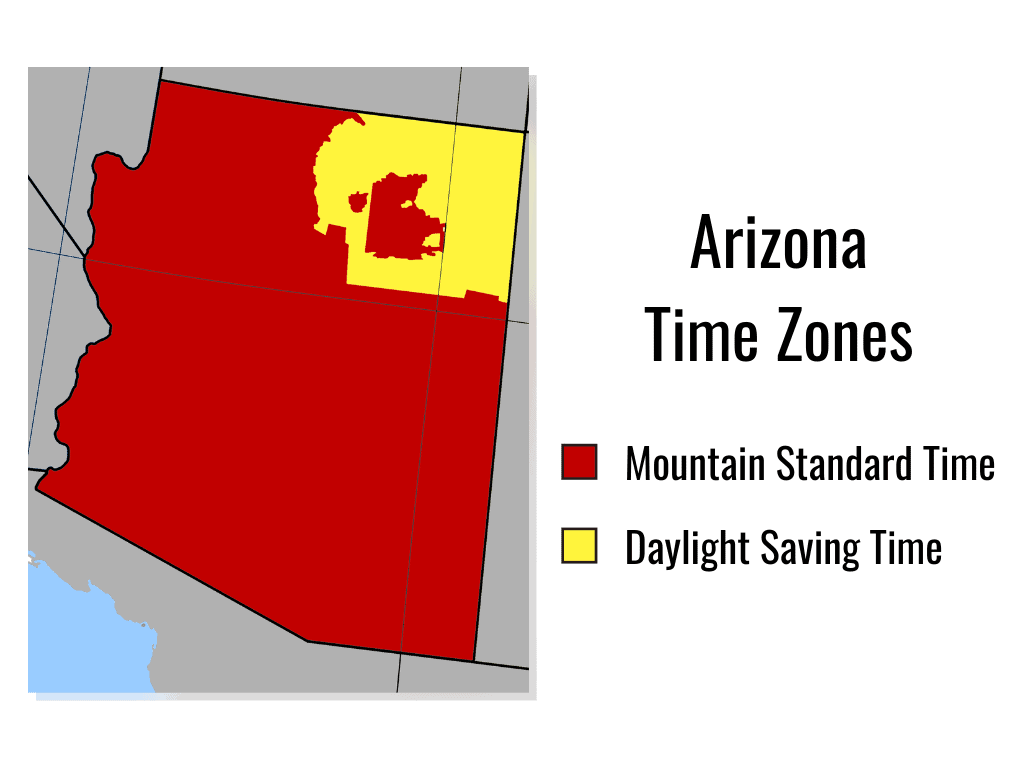
While the vast majority of Arizona opts out of Daylight Saving Time, there’s one significant exception: the Navajo Nation. This large autonomous tribal land, which spans parts of northeastern Arizona, as well as New Mexico and Utah, does observe DST. This decision is primarily for consistency with the other parts of the Navajo Nation located in states that do observe DST, simplifying communication and coordination across their vast territory.
This creates a peculiar situation: during the DST months, the Navajo Nation in Arizona is one hour ahead of the rest of Arizona. So, if it’s 3 PM in Phoenix in July, it’s 4 PM on the Navajo Nation. This “time island” within a state that largely ignores DST is a crucial detail for anyone exploring regions like Monument Valley, Antelope Canyon, or the Four Corners Monument, which are located within the Navajo Nation.
A common point of confusion arises with the Hopi Nation, whose reservation is entirely surrounded by the Navajo Nation but does not observe Daylight Saving Time. This means that during DST, you could theoretically cross into the Hopi Nation from the Navajo Nation, turn your clock back an hour, and then re-enter the Navajo Nation and turn it forward an hour! While most travelers won’t experience this specific scenario, it highlights the importance of being aware of local time zone policies when visiting tribal lands. Always confirm the time with local guides, tourist information centers, or your accommodation when venturing into these areas.
Arizona Time and Daily Life: Impact on Lifestyle and Business
The decision to forego Daylight Saving Time isn’t just a quirky detail; it profoundly influences the lifestyle, business operations, and overall tourism experience in Arizona. It’s a choice deeply ingrained in the state’s identity, reflecting a pragmatic response to its unique environmental conditions.
Why the Choice? Lifestyle and Climate Considerations
The arid climate and intense summer heat are the primary drivers behind Arizona’s time zone choice. Longer daylight hours in the evening during summer, which DST would enforce, would mean more exposure to extreme heat, particularly in metropolitan areas like Phoenix and Tucson. This would increase the demand for air conditioning, leading to higher energy costs and greater strain on the power grid. By staying on Mountain Standard Time year-round, evenings begin earlier, allowing for more comfortable outdoor activities once the sun begins to set and temperatures drop.
This contributes to a distinct Arizona lifestyle. Families can enjoy parks, pools, and outdoor dining earlier in the evening. Tourism, a cornerstone of the state’s economy, also benefits. Visitors can comfortably explore landmarks like Saguaro National Park or Taliesin West during the cooler parts of the day without feeling rushed by a later sunset pushing heat into the night. It allows for a more relaxed pace, which is often what travelers seek in a destination renowned for its natural beauty and outdoor experiences.
Practical Tips for a Seamless Arizona Experience
- Always Confirm Local Time: When making reservations for hotels, flights, tours, or restaurant dining, double-check the time zone. Most reputable businesses are aware of the potential confusion and will often specify “Arizona Time.”
- Adjust Your Devices: Modern smartphones and computers usually adjust automatically based on your location. However, if you’re traveling through the Navajo Nation, you might notice your phone’s clock jumping an hour forward and then back. Be mindful of this and, if in doubt, ask a local.
- Plan Around the Sun: Regardless of the clock, the sun is a powerful factor in Arizona. Plan outdoor activities for early mornings or late afternoons/evenings, especially between May and September. This is less about the clock and more about practical comfort and safety in the desert environment.
- Embrace the Rhythm: Understand that the lack of DST contributes to a unique pace of life. Enjoy the consistent daylight hours and the opportunity to experience more comfortable evenings. Whether you’re exploring the geological wonders of Petrified Forest National Park, relaxing by the shores of Lake Powell, or visiting historic sites like Tumacácori National Historical Park, Arizona’s time zone is part of its charm.
In conclusion, knowing what time it is in Arizona now is more than just checking your watch; it’s understanding a deliberate choice that shapes the state’s daily life, travel logistics, and overall appeal. By remembering that Arizona (mostly) stays on Mountain Standard Time year-round, travelers can ensure a smooth, enjoyable, and precisely timed visit to this captivating corner of the United States.
LifeOutOfTheBox is a participant in the Amazon Services LLC Associates Program, an affiliate advertising program designed to provide a means for sites to earn advertising fees by advertising and linking to Amazon.com. Amazon, the Amazon logo, AmazonSupply, and the AmazonSupply logo are trademarks of Amazon.com, Inc. or its affiliates. As an Amazon Associate we earn affiliate commissions from qualifying purchases.