
For travelers planning a visit to the breathtaking landscapes of Arizona, understanding the local time is more than just a trivial detail; it’s a key piece of information that can significantly impact everything from flight connections and tour bookings to dinner reservations and sunset viewing plans. Unlike most of the United States, the Grand Canyon State operates on its own distinctive time schedule, largely opting out of the biannual tradition of adjusting clocks for Daylight Saving Time. This unique characteristic sets Arizona apart and requires a bit of foresight from anyone visiting or conducting business within its borders.

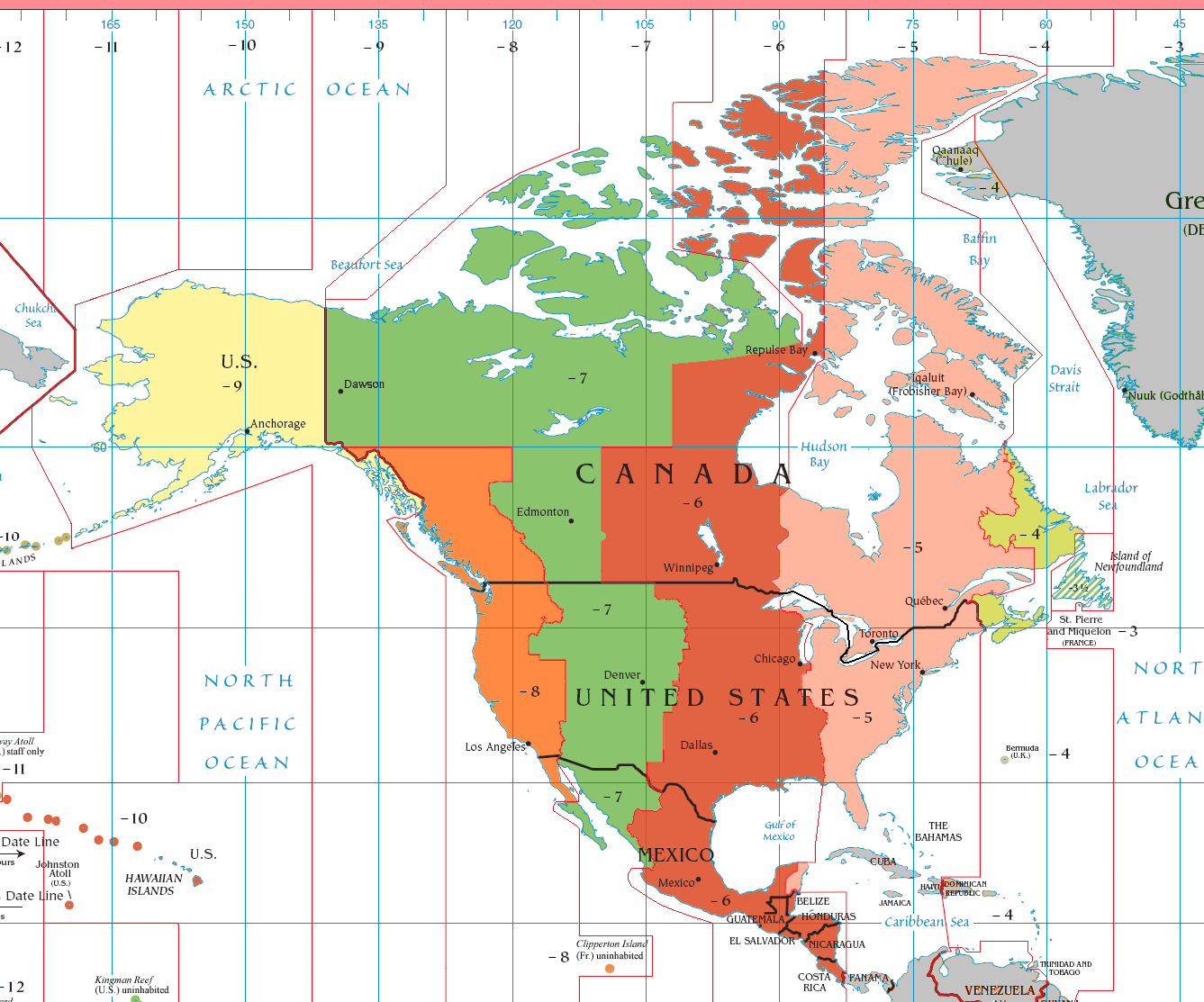
At its core, the answer to “What time is it in Arizona?” is simple: Arizona observes Mountain Standard Time (MST) year-round. However, the simplicity of this statement belies a fascinating history and a few practical considerations that every traveler and local should be aware of. From coordinating with family members in different time zones to planning a trek through Saguaro National Park, the consistent clock provides both unique advantages and minor navigational quirks. This comprehensive guide will delve into the intricacies of Arizona’s time zone, explore why it matters for your travel and accommodation choices, and reveal how this distinct approach to time contributes to the overall lifestyle and allure of the state. Whether you’re planning a luxurious resort getaway in Scottsdale, an adventurous hike in Sedona, or exploring the majestic Grand Canyon National Park, understanding the clock is your first step towards a seamless and enjoyable Arizona experience.
Arizona’s Timeless Approach: Understanding Mountain Standard Time
The heart of Arizona’s time zone philosophy lies in its steadfast adherence to Mountain Standard Time (MST) throughout the entire year. This decision, rooted in a combination of geographical, cultural, and practical reasons, means that while most of the United States “springs forward” and “falls back,” Arizona remains a beacon of chronological consistency.
The Year-Round MST Advantage: No Daylight Saving Drama
The primary reason Arizona eschews Daylight Saving Time is largely due to its intense summer heat. The state experiences scorching temperatures, particularly in its desert regions like Phoenix and Tucson. Shifting the clock forward an hour in spring would mean an additional hour of daylight pushed into the already sweltering late afternoon and early evening, making outdoor activities even less comfortable and increasing energy consumption for air conditioning. By staying on MST, mornings remain cooler for longer, allowing residents and visitors to engage in outdoor pursuits before the peak heat of the day.
This consistent time also means Arizona operates on a fixed offset from Coordinated Universal Time (UTC-7) year-round. This brings a sense of stability and predictability, especially when contrasted with its neighbors. During the summer months, when most states switch to Daylight Saving Time, Arizona’s time aligns with the Pacific Daylight Time (PDT) observed in states like California and Nevada. In the winter, it reverts to being one hour ahead of Pacific Standard Time (PST) and one hour behind Mountain Daylight Time (MDT), which states like Utah and New Mexico observe. This temporal dance requires a bit of awareness but simplifies daily life for those within the state.
The Navajo Nation Exception: A Pocket of DST
While the vast majority of Arizona remains steadfast on MST, there is one significant exception: the Navajo Nation. This large semi-autonomous indigenous territory, which spans parts of northeastern Arizona, Utah, and New Mexico, does observe Daylight Saving Time. This means that for roughly half the year, the Navajo Nation is one hour ahead of the rest of Arizona.
This exception is particularly important for travelers visiting iconic sites within or bordering the Navajo Nation, such as Monument Valley, Antelope Canyon, or Canyon de Chelly National Monument. If you’re booking a guided tour for Antelope Canyon from a base like Page, which is not on Navajo Nation land, you’ll need to remember the time difference. Tour operators are generally excellent at clarifying this, but a traveler’s awareness can prevent missed appointments or confusion.
Practical Implications for Travelers: Planning Your Arizona Adventure
For the discerning traveler, understanding Arizona’s time zone nuances is crucial for seamless planning. When booking flights, especially those arriving from the Eastern Time Zone or Central Time Zone, be mindful of the difference. A flight arriving at 3:00 PM MST will feel like 6:00 PM EST or 5:00 PM CST, which can impact immediate plans like hotel check-ins, dinner reservations, or even just how much energy you have for an initial exploration.
Similarly, when planning multi-state road trips, particularly those bordering Utah, Nevada, or New Mexico, remember to adjust your watch as you cross state lines, especially during Daylight Saving Time. For example, if you’re driving from the Grand Canyon National Park (on MST) to Las Vegas (Nevada, which observes PDT in summer), your clock won’t change, but Nevada will be an hour behind you. This consistent time for Arizona can simplify planning activities like booking sunset tours, which will always occur at roughly the same clock time throughout the year, removing the seasonal clock adjustments.
Why Time Zones Matter for Your Arizona Travel Experience
Beyond the technicalities, Arizona’s unique time zone situation profoundly impacts the practicalities and enjoyment of your trip. From ensuring you don’t miss a critical booking to maximizing your opportunities for exploration, a solid grasp of the local clock is invaluable.
Seamless Transitions: From Arrival to Exploration
Imagine arriving at Phoenix Sky Harbor International Airport after a long flight, eager to check into your Scottsdale resort. Knowing the precise local time allows for smoother transitions. You can accurately estimate your arrival at your accommodation, coordinate with a shuttle service, or ensure you’re not rushing to make a pre-booked evening activity. This predictability also benefits those venturing into the state’s vast wilderness areas. If you’re planning an early morning hike in Red Rock State Park near Sedona, the consistent MST means you can rely on consistent sunrise times by the clock, making it easier to plan your departure for optimal viewing or cooler temperatures.
The lack of Daylight Saving Time eliminates the bi-annual confusion of “losing” or “gaining” an hour. This translates to less jet lag adjustment for many visitors during the summer months, particularly those arriving from the Pacific Time Zone, as Arizona aligns with PDT.
Coordinating with the Outside World: Business and Family Connections
For business travelers, the stable MST simplifies scheduling meetings and conference calls with colleagues across the United States. You always know the exact offset without having to factor in Daylight Saving Time. For example, if it’s 10 AM in Phoenix, it’s 1 PM in New York City (Eastern Time) and 9 AM in Los Angeles (Pacific Time) during standard time. In summer, when Arizona aligns with PDT, 10 AM in Phoenix is still 1 PM in New York City but becomes 10 AM in Los Angeles. This consistency, once understood, is a boon.
Similarly, family trips are made easier when communicating with loved ones back home. Whether you’re sharing photos of your Grand Canyon adventure or calling to check in, the fixed time difference means less mental arithmetic, allowing you to stay connected without accidental early morning or late-night calls.
Maximizing Your Itinerary: Sunset Views and Early Starts
Arizona is renowned for its spectacular sunsets, particularly over the Sonoran Desert or the red rocks of Sedona. The consistent time zone means that “sunset” will happen at a relatively predictable clock time throughout the year, allowing you to plan your evening activities, like dinner reservations or hot air balloon rides, with greater certainty. You can book that Sunset Crater Volcano National Monument visit or a leisurely paddle on Lake Powell with full confidence in your schedule.
Conversely, for those eager to beat the heat or catch the golden hour light for photography, early mornings are equally important. Whether you’re embarking on a rafting trip down the Colorado River or exploring Petrified Forest National Park, the consistent time means an early start will always feel “early” by the clock, allowing you to maximize the cooler, more serene hours of the day for outdoor activities, which are central to the Arizona experience.
Beyond the Clock: Experiencing Arizona’s Diverse Landscapes and Culture
While understanding Arizona’s time zone is important for logistical planning, it merely sets the stage for the incredible experiences that await. The state is a treasure trove of diverse landscapes, rich cultural heritage, and vibrant urban centers, catering to every type of traveler.
Iconic Destinations: From Deserts to Canyons
Arizona’s natural wonders are undeniably its biggest draw. The majestic Grand Canyon National Park, a UNESCO World Heritage site, is a bucket-list destination that offers awe-inspiring vistas from both its South Rim and North Rim. Here, activities range from scenic drives and hiking along the rim to challenging multi-day treks into the canyon’s depths.

Further south, the red rock formations of Sedona create a spiritual and visually stunning retreat, famous for its vortexes, hiking trails, and vibrant arts community. Near Tucson, Saguaro National Park protects vast forests of the iconic saguaro cacti, offering unique opportunities for desert exploration.
In the northern part of the state, near the town of Page, you’ll find the ethereal slot canyons of Antelope Canyon and the dramatic overlook of Horseshoe Bend, both offering unparalleled photographic opportunities. For the truly adventurous, a visit to Havasu Falls on the Havasupai Indian Reservation offers turquoise waters against red rock cliffs, though permits are highly coveted. Other notable natural landmarks include Wupatki National Monument and Montezuma Castle National Monument, which offer glimpses into ancient Native American civilizations.
Vibrant Cities: Urban Oasis in the Desert
Arizona’s urban centers provide a stark contrast to its wild landscapes, offering sophisticated dining, arts, and entertainment. Phoenix, the state capital and a sprawling metropolis, boasts attractions like the Desert Botanical Garden, the Heard Museum (celebrating Native American art and culture), and a thriving culinary scene. Adjacent Scottsdale is synonymous with luxury, offering high-end resorts, designer boutiques, world-class golf courses, and a lively Old Town district.
Tucson, a UNESCO City of Gastronomy, blends its rich Spanish colonial history with a vibrant arts scene and innovative Southwestern cuisine. Key sites include Mission San Xavier del Bac and the Pima Air & Space Museum. Even smaller towns like Flagstaff, Prescott, and former mining towns like Jerome and Bisbee offer unique charm, historical sites, and access to outdoor adventures. The famous Route 66 also carves its path through northern Arizona, offering nostalgic roadside attractions.
Local Culture and Culinary Delights
Arizona’s cultural fabric is a rich tapestry woven from Native American traditions, Old West history, and Mexican influences. Visitors can explore numerous tribal lands, learn about the heritage of the Navajo Nation, the Tohono O’odham Nation, and the Hualapai Tribe, among others. The state’s culinary scene is a reflection of this diversity, offering everything from authentic Sonoran hot dogs in Tucson to upscale farm-to-table restaurants in Phoenix. Southwestern flavors, with their emphasis on chilies, corn, and beans, are prominent, but you’ll also find a global array of dining experiences.
Where to Stay: Accommodation Options for Every Arizona Journey
From opulent desert resorts to charming boutique hotels and practical family lodges, Arizona offers an extensive range of accommodation options to suit every taste, budget, and travel style. Making the right choice enhances your overall experience and allows you to fully immerse yourself in the state’s offerings.
Luxury Resorts and Boutique Stays
For those seeking an indulgent escape, Arizona excels in luxury resorts. In the Phoenix-Scottsdale area, establishments like The Phoenician, a Luxury Collection Resort, offer world-class amenities, championship golf courses, sprawling pools, and exquisite dining. The historic Arizona Biltmore, A Waldorf Astoria Resort, designed with the influence of Frank Lloyd Wright, provides a blend of historical grandeur and modern comfort. For a chic, retro vibe, Hotel Valley Ho in Scottsdale offers a mid-century modern aesthetic with a vibrant pool scene. Sedona also boasts numerous upscale boutique hotels and resorts nestled among its red rock landscape, perfect for a romantic getaway or a serene retreat.
These luxury properties often feature full-service spas, multiple dining venues, fitness centers, and concierge services that can arrange everything from hot air balloon rides to private hiking tours. Booking in advance, especially during peak season (winter and spring), is highly recommended for these popular destinations.
Family-Friendly Resorts and Adventure Lodges
Traveling with family requires different considerations, and Arizona delivers with a host of family-friendly options. Resorts like the Great Wolf Lodge in Scottsdale offer indoor water parks and a plethora of activities to keep children entertained. Many larger resorts, particularly in the Phoenix area, feature extensive pool complexes with water slides, lazy rivers, and kids’ clubs.
For those venturing into the state’s national parks, lodges and cabins within or near the park boundaries, such as those at the Grand Canyon National Park (like El Tovar Hotel or Bright Angel Lodge), provide unparalleled access to the natural beauty. These options often cater to outdoor enthusiasts, offering a blend of comfort and proximity to adventure. When staying near natural attractions like Antelope Canyon or Monument Valley, local hotels and motels in towns like Page or Kayenta offer convenient bases for exploration.
Budget-Friendly Choices and Unique Rentals
Arizona also offers a range of more economical accommodation options without sacrificing comfort or convenience. Chain hotels and motels are readily available in most cities and along major highways, providing clean rooms and essential amenities. For those who prefer a more personalized experience or are planning an extended stay, vacation rentals through platforms like Airbnb or VRBO are plentiful. These can range from cozy apartments in urban centers like Tempe or Mesa to spacious homes in residential areas, offering kitchens and more living space, ideal for families or groups.
Camping and RV parks are also popular, especially near national parks and state parks, offering an immersive outdoor experience for budget-conscious travelers. From primitive backcountry sites to full-service RV resorts, there are options for every level of outdoor adventure. Comparing reviews and locations is key to finding the perfect spot for your Arizona stay.
Living the Arizona Lifestyle: How Time Shapes Daily Life and Travel
The unique time zone situation in Arizona isn’t just a logistical detail for travelers; it deeply influences the rhythm of daily life and the overall lifestyle enjoyed by its residents. This consistent approach to time has shaped how people work, play, and connect with their environment.
The Rhythms of the Desert: Outdoor Activities and Consistent Daylight
One of the most noticeable impacts of year-round MST is how it dictates the timing of outdoor activities. With no Daylight Saving Time, mornings remain relatively cooler for longer during the hot summer months. This allows residents and visitors alike to enjoy hiking, biking, golf, and other outdoor pursuits during the early hours before the intense midday heat sets in. You’ll often see people on trails by 5:00 AM or 6:00 AM in Phoenix or Tucson during summer, embracing the desert’s natural rhythm. The consistent sunset times, in turn, provide reliable evening windows for activities, leisurely dinners al fresco, or simply enjoying the state’s famous colorful skies.
This predictable schedule allows for a more consistent planning of social events, sports leagues, and community gatherings, contributing to a relaxed yet active lifestyle that many Arizonans cherish.
Business and Leisure: Enjoying the Perpetual Standard Time
For businesses, particularly those operating regionally or locally, the lack of Daylight Saving Time eliminates the disruption of adjusting schedules twice a year. This simplifies internal operations, appointment setting, and coordination across the state. While national coordination still requires awareness of other states’ time changes, the internal consistency is a benefit.
For leisure, the perpetual standard time means that popular attractions, from the Out of Africa Wildlife Park to the Verde Canyon Railroad, operate on predictable schedules year-round, making it easier for both locals and tourists to plan their visits. Events like the Scottsdale Arts Festival or a concert at the Red Rocks Amphitheatre will always start at their advertised MST. Even ski resorts near Flagstaff, such as Snowbowl in the San Francisco Peaks, benefit from stable operating hours.
Planning for the Future: Making the Most of Your Arizona Adventures
Ultimately, understanding “What time is it in Arizona?” is about more than just setting your watch. It’s about appreciating a unique aspect of the state that shapes its daily routines, influences travel logistics, and contributes to its distinctive charm. For future trips, this knowledge empowers you to:
- Book with confidence: Whether it’s a sunrise hot air balloon ride over Sedona or a guided tour of Antelope Canyon, you’ll know exactly what time to expect.
- Coordinate effortlessly: Keep in touch with family, friends, or colleagues outside Arizona with a clear understanding of time differences.
- Maximize your daylight: Plan your activities to take advantage of the cooler morning hours or the stunning, consistent sunsets.
- Embrace the local pace: Appreciate how this decision contributes to a comfortable, consistent lifestyle for Arizonans.
So, as you plan your next adventure to the Grand Canyon State, remember that while the time may be a little different, the experiences you’ll have are truly timeless. Arizona’s commitment to Mountain Standard Time year-round is just one more facet of its unique identity, inviting you to slow down, adjust your clock (or not!), and immerse yourself in all the wonders it has to offer.
LifeOutOfTheBox is a participant in the Amazon Services LLC Associates Program, an affiliate advertising program designed to provide a means for sites to earn advertising fees by advertising and linking to Amazon.com. Amazon, the Amazon logo, AmazonSupply, and the AmazonSupply logo are trademarks of Amazon.com, Inc. or its affiliates. As an Amazon Associate we earn affiliate commissions from qualifying purchases.