
For any traveler embarking on an adventure to a new city, one of the most fundamental yet often overlooked pieces of information is the local time. Beyond merely knowing what to set your watch to, understanding the time zone, its nuances, and how it impacts daily life can profoundly shape your entire travel experience. When planning a trip to Boston, a city rich in history, culture, and vibrant contemporary life, knowing “What time is it in Boston?” is far more than a simple query – it’s a gateway to seamless planning, optimal enjoyment, and a truly immersive journey.
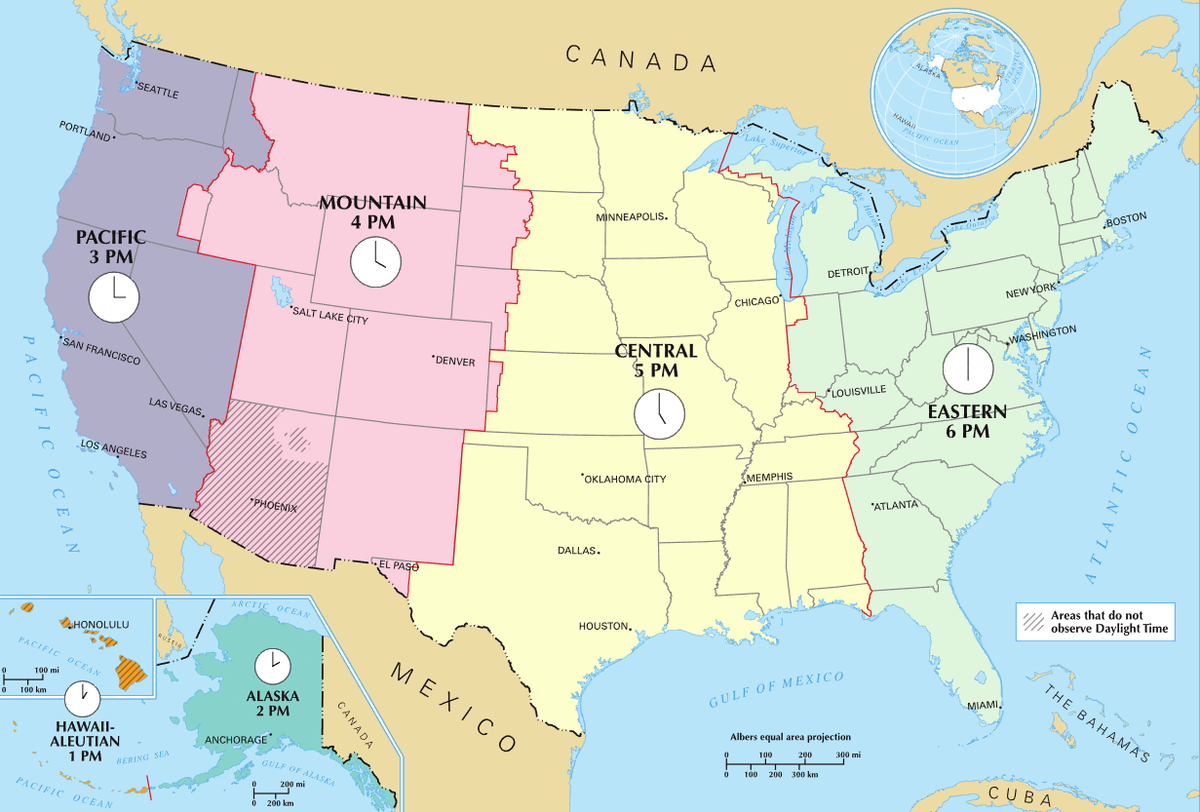
Boston, the capital of Massachusetts and one of the oldest cities in the United States, operates on Eastern Time. This means that for anyone traveling from outside this zone, an adjustment, both mental and physical, will be necessary. From scheduling your arrival at Logan International Airport to booking a table at a renowned North End restaurant, or catching a game at Fenway Park, timing is everything. This comprehensive guide will delve into Boston’s time zone, its implications for travel and tourism, and how to master your schedule to unlock the best of what this dynamic city has to offer. Whether you’re a luxury traveler seeking exclusive experiences, a budget-conscious explorer, a family on vacation, or a business professional on an important trip, understanding Boston’s clock is your first step to a successful itinerary.
Navigating Boston’s Time Zone: Eastern Standard Time (EST) & Eastern Daylight Time (EDT)
Boston, like much of the eastern United States, observes Eastern Time, which alternates between Eastern Standard Time (EST) and Eastern Daylight Time (EDT) throughout the year. This seasonal shift is a crucial detail for travelers to be aware of, as it directly influences everything from flight schedules to museum closing times and even your own internal clock.
Understanding Boston’s Clocks: UTC-5 and UTC-4
During the colder months, roughly from early November to mid-March, Boston operates on Eastern Standard Time (EST). This time zone is five hours behind Coordinated Universal Time (UTC), often expressed as UTC-5. This means that if it’s noon UTC, it’s 7:00 AM in Boston. As spring approaches, typically on the second Sunday in March, Boston springs forward to Eastern Daylight Time (EDT). Clocks are advanced by one hour, making the city four hours behind UTC (UTC-4). This change grants an extra hour of daylight in the evenings, a welcome shift for both locals and visitors alike, and persists until the first Sunday in November when clocks fall back to EST.
For travelers, understanding this biannual transition is paramount. Miscalculating the time change can lead to missed flights, late arrivals for important meetings, or showing up at an attraction before it opens or after it closes. Modern smartphones and devices typically adjust automatically, but it’s always wise to double-check, especially if you’re relying on analog watches or an older device. The shift to EDT in the spring often means enjoying longer evenings for exploring the Public Garden or strolling along the Charles River, while the return to EST in the fall brings earlier sunsets, which can be picturesque but also means less daylight for outdoor activities.
Why Time Matters for Your Boston Trip
Beyond the simple act of telling time, the time zone difference and daily rhythm of Boston have several practical implications for visitors:
- Combating Jet Lag: For those arriving from Western United States, Europe, or other distant locales, jet lag can be a significant hurdle. A three-hour difference from the Pacific Coast or a five-hour difference from the UK requires a conscious effort to adjust. Planning a lighter itinerary on your arrival day, staying hydrated, and exposing yourself to natural light can help your body recalibrate to Eastern Time. This is particularly relevant for business travelers who need to be sharp for meetings shortly after arrival.
- Scheduling Tours and Activities: Many of Boston’s popular experiences, such as guided walks along the Freedom Trail, harbor cruises, or visits to museums like the Museum of Fine Arts or the Isabella Stewart Gardner Museum, operate on strict schedules. Being punctual ensures you don’t miss out on pre-booked slots or waste valuable sightseeing time waiting for the next available tour.
- Dining Reservations: Boston’s culinary scene is vibrant, offering everything from fresh seafood to authentic Italian fare in the North End. Popular restaurants, especially those in areas like Beacon Hill or Back Bay, often require reservations, particularly for dinner. Being mindful of the local time ensures you arrive promptly for your booking, avoiding forfeiture or long waits.
- Business Meetings and Connectivity: For professionals traveling to Boston for work, time zone awareness is non-negotiable. Missing a crucial meeting due to a time zone miscalculation is simply not an option. Furthermore, coordinating with colleagues or clients in different time zones requires careful planning to find mutually convenient call times.
Time-Sensitive Experiences: Maximizing Your Boston Itinerary
Boston offers an incredible array of attractions and activities, each with its own rhythm and optimal visiting hours. Leveraging the local time to your advantage is key to experiencing the city without feeling rushed or missing out on key opportunities. This applies whether you’re embarking on a self-guided historical tour or diving into the city’s lively cultural scene.
Attractions and Opening Hours: A Timely Exploration
Many of Boston’s iconic landmarks and cultural institutions adhere to specific opening and closing times, which can also vary by season. Planning your daily itinerary with these schedules in mind is crucial for an efficient and enjoyable visit.
- Historical Sites: The Freedom Trail is best explored during daylight hours, allowing ample time to visit sites like Faneuil Hall Marketplace, the Old State House, and Paul Revere’s House. Many of these individual sites have specific operating hours, so it’s wise to check their official websites. For an immersive experience like the Boston Tea Party Ships & Museum, booking tickets for an early slot can help avoid peak crowds later in the day.
- Museums and Galleries: World-class institutions like the Museum of Fine Arts, the Isabella Stewart Gardner Museum, and the New England Aquarium typically open in the morning (around 9 or 10 AM) and close in the late afternoon or early evening. Some museums offer extended evening hours on specific days, which can be a fantastic opportunity for a more serene visit. Always confirm these schedules, as they can change for holidays or special events.
- Sports and Entertainment: Catching a game at Fenway Park to see the Boston Red Sox is a quintessential experience. Game times vary significantly, with afternoon games common on weekends and evening games during the week. Similarly, performances at the Orpheum Theatre or concerts at the House of Blues are typically evening affairs, starting after 7 PM. Booking tickets in advance is highly recommended for all these events, and arriving early allows time for parking, concessions, and finding your seats.
- Academic Institutions: Exploring the campuses of Harvard University or MIT in nearby Cambridge can be a highlight. While campuses are generally open, visitor centers, museums, and specific tour times will have their own schedules. Morning visits often coincide with fewer students and faculty, offering a quieter experience.
Dining and Entertainment: Boston After Hours (and During)
Boston’s culinary and nightlife scenes are as diverse as its history. Knowing the local dining habits and entertainment timings can enhance your social experiences.

- Restaurant Reservations: Bostonians tend to dine a bit earlier than some other major cities, with prime dinner reservations often falling between 7:00 PM and 8:30 PM. If you’re looking to secure a table at highly sought-after establishments in the North End, Beacon Hill, or Back Bay, booking several weeks or even months in advance is advisable, especially for weekend evenings. Many restaurants also offer lunch service, typically from noon to 2:00 PM.
- Nightlife and Live Music: For those seeking evening entertainment, Boston offers a range of options. Bars and pubs in areas like the Financial District or Copley Square often stay open until 1:00 AM or 2:00 AM. Live music venues, including the House of Blues and various jazz clubs, typically have shows starting between 8:00 PM and 10:00 PM. For a more relaxed evening, catching a show at the Orpheum Theatre might mean an earlier start, often around 7:30 PM.
- Pre-Theatre and Post-Event Dining: If you’re attending a show or a game, planning your meals around these events is essential. Many restaurants near major venues offer pre-theatre menus, designed for quicker service. Conversely, post-event dining options might be limited to establishments with later closing times. Consider the flow of traffic and public transport if you’re traveling between dining and entertainment venues.
Accommodation and Logistics: Time Management for a Seamless Stay
The practicalities of travel, from where you lay your head to how you move around the city, are profoundly influenced by time. For a truly seamless and stress-free visit to Boston, smart time management around your accommodation and transportation is paramount. This insight is crucial for all types of travelers, from those enjoying luxury resorts to families in spacious apartments.
Hotel Check-ins and Check-outs: Planning Your Arrival and Departure
One of the most common logistical considerations for any traveler is the timing of hotel arrivals and departures. Most hotels, suites, apartments, and villas in Boston adhere to standard check-in and check-out times.
- Standard Times: Typical check-in time is around 3:00 PM or 4:00 PM, while check-out is usually 11:00 AM or 12:00 PM. These times are in place to allow staff to properly clean and prepare rooms for arriving guests. If your flight lands early in the morning, or if you have a late departure, this can create a significant time gap where you might be without a room.
- Early Check-in/Late Check-out: Many accommodations, including upscale properties like The Ritz-Carlton, Boston or Four Seasons Hotel Boston, may offer early check-in or late check-out options, often for an additional fee, or complimentary for loyalty program members or those booking certain room types (e.g., suites). It’s always best to inquire about these possibilities in advance. If not available, most establishments, from boutique hotels to larger resorts like the Boston Harbor Hotel or the historic Omni Parker House, will store your luggage, allowing you to explore the city unburdened.
- Impact of Time Zones: For travelers arriving from a significantly different time zone, landing hours before check-in can exacerbate jet lag. Consider booking an extra night or choosing a flight that aligns more closely with local check-in times to minimize discomfort. For business travelers, ensuring you have a room ready upon arrival is critical for getting settled and prepared for any immediate engagements. Families, in particular, benefit from early access to rooms for children’s nap times or simply to unpack and regroup.
Transportation and Connectivity: Staying on Schedule
Efficient movement around Boston relies heavily on understanding its transportation rhythms. From arriving at Logan International Airport to navigating the city’s public transit system, timing is everything.
- Airport Transfers: Logan International Airport is just a short distance from downtown Boston. However, travel times can vary wildly depending on the time of day. Morning and evening rush hours (typically 7:00 AM-9:00 AM and 4:00 PM-6:00 PM) can significantly increase journey times by taxi or rideshare. The MBTA’s Blue Line and Silver Line offer efficient alternatives that are less affected by road traffic, but always account for potential delays.
- Public Transportation (The “T”): Boston’s subway system, affectionately known as “The T,” operates on a schedule that changes slightly based on the day of the week and time of day. Trains run less frequently in the early morning and late evening, and on weekends. Planning your trips, especially if you’re headed to attractions in Cambridge or Longwood Medical Area, around The T’s schedule will save you waiting time.
- Peak Travel Hours: Avoiding peak travel times for both road and public transport can save considerable time and stress. If possible, schedule your trips between major landmarks or neighborhoods (like going from Beacon Hill to the North End) during off-peak hours to enjoy a smoother journey. For budget travelers, understanding these peak hours can help you avoid surge pricing on rideshares.
Lifestyle and Leisure: Embracing Boston’s Rhythms
Understanding “What time is it in Boston?” extends beyond mere punctuality; it’s about attuning yourself to the city’s natural rhythms, allowing you to fully immerse in its local culture, seasonal beauty, and vibrant events. Whether you seek luxury travel experiences or budget-friendly adventures, integrating with the city’s pulse ensures a more authentic and enjoyable visit.
Best Times to Visit Boston: Seasonal Considerations
Boston’s appeal transforms with each season, and the time of year significantly impacts both your experience and the practicalities of daylight.
- Spring (April-May): As Boston shifts to Eastern Daylight Time, the city awakens with blooming flowers in the Public Garden and Boston Common. Longer daylight hours make for pleasant strolls along the Freedom Trail and outdoor dining in the North End. This is an ideal time for family trips, with comfortable temperatures and fewer extreme weather events.
- Summer (June-August): Long, sunny days with extended daylight into the evening are a hallmark of a Boston summer. This is peak tourist season, meaning attractions like the New England Aquarium and Fenway Park will be bustling. Evening concerts on the Charles River Esplanade and outdoor festivals take full advantage of the late sunsets. While popular, remember to book accommodations – from hotels and suites to apartments and resorts – and popular tours well in advance.
- Fall (September-October): As Boston prepares to return to Eastern Standard Time in November, the city bursts into a spectacular display of fall foliage. The crisp air and vibrant colors make for breathtaking walks through Boston Common and day trips to surrounding areas. The slightly shorter daylight hours still offer ample time for exploration, and the cultural season kicks into full gear. This is often considered one of the best times to visit for its moderate temperatures and stunning scenery.
- Winter (November-March): While daylight hours are at their shortest due to Eastern Standard Time, Boston transforms into a festive wonderland. Ice skating on Frog Pond in Boston Common and exploring holiday markets are popular activities. While outdoor activities are limited by daylight and cold, this season offers opportunities for cozy indoor experiences at museums or enjoying the city’s vibrant culinary scene. Business travel also tends to be consistent during these months.
Beyond the Clock: Experiencing Local Culture and Events
Integrating with the local pace of life and attending seasonal events can elevate your travel experience, making it truly memorable.
- Morning Rituals: Observe Bostonians starting their day. Many coffee shops around Copley Square and Beacon Hill buzz with activity from 7:00 AM, a great time to grab a pastry and soak in the local atmosphere. Early morning is also ideal for photography at popular spots before crowds gather.
- Afternoon Leisure: Use the mid-day hours for exploring, perhaps visiting a university campus like Harvard University or MIT in Cambridge, or taking a leisurely lunch at Faneuil Hall Marketplace. This also applies to family trips, allowing for flexibility around children’s schedules.
- Evening Events: Boston hosts a plethora of evening events, from theatrical performances at the Orpheum Theatre to live music at the House of Blues and various sporting events. Planning your evenings around these activities is a fantastic way to experience Boston’s lively culture. Many luxury travelers seek out these exclusive evening events.
- Seasonal Festivals and Parades: Throughout the year, Boston celebrates various holidays and cultural events. The Boston Marathon in April, Independence Day celebrations on the Charles River Esplanade, and numerous ethnic festivals provide unique opportunities to engage with the local community. Being aware of these events and their timings is crucial, as they can impact public transportation, traffic, and hotel availability.
In conclusion, understanding “What time is it in Boston?” is far more than a simple geographical detail. It’s a foundational element for planning a successful trip, optimizing your itinerary, and truly immersing yourself in the rich tapestry of experiences this historic city offers. From navigating time zone changes to scheduling your visits to world-class landmarks and enjoying Boston’s vibrant dining and entertainment, a keen awareness of the clock ensures every moment of your adventure is well-spent. So, set your watch to Eastern Time, embrace the city’s rhythm, and prepare for an unforgettable journey through the captivating streets of Boston.
LifeOutOfTheBox is a participant in the Amazon Services LLC Associates Program, an affiliate advertising program designed to provide a means for sites to earn advertising fees by advertising and linking to Amazon.com. Amazon, the Amazon logo, AmazonSupply, and the AmazonSupply logo are trademarks of Amazon.com, Inc. or its affiliates. As an Amazon Associate we earn affiliate commissions from qualifying purchases.