
Travel often brings with it the excitement of new horizons, captivating cultures, and unforgettable experiences. Yet, amidst the thrill of planning an adventure to a vibrant metropolis like Chicago, one fundamental detail often takes center stage for practical reasons: “What time is it?” This seemingly simple question holds immense importance for travelers, impacting everything from flight schedules and hotel check-ins to tour bookings and even managing jet lag. Chicago, a jewel in the heart of the United States and a premier destination for tourism, offers a dynamic blend of world-class architecture, diverse cuisine, and a rich cultural tapestry that beckons millions of visitors annually. Understanding its local time isn’t just about punctuality; it’s the first step in seamlessly integrating into the city’s rhythm and maximizing every precious moment of your visit.

From its iconic skyline and bustling streets to its tranquil lakeside parks, Chicago operates on a clock that governs the pulse of its daily life, its thriving business sector, and its vibrant entertainment scene. Whether you’re a leisure traveler looking to soak in the sights, a business professional attending a conference, or a family on vacation, knowing the precise time in Chicago allows you to meticulously plan your itinerary, ensuring you don’t miss a beat. This article delves into Chicago’s time zone, its implications for travelers, and how to make the most of your time in this magnificent city, touching upon everything from accommodation to unforgettable experiences.
Understanding Central Time (CT) in the Windy City
At its core, understanding what time it is in Chicago begins with recognizing its geographical placement within the intricate network of global time zones. This knowledge is crucial for anyone planning a trip, as it directly influences travel logistics and the overall flow of your visit.
Chicago’s Geographic Placement and Time Zone
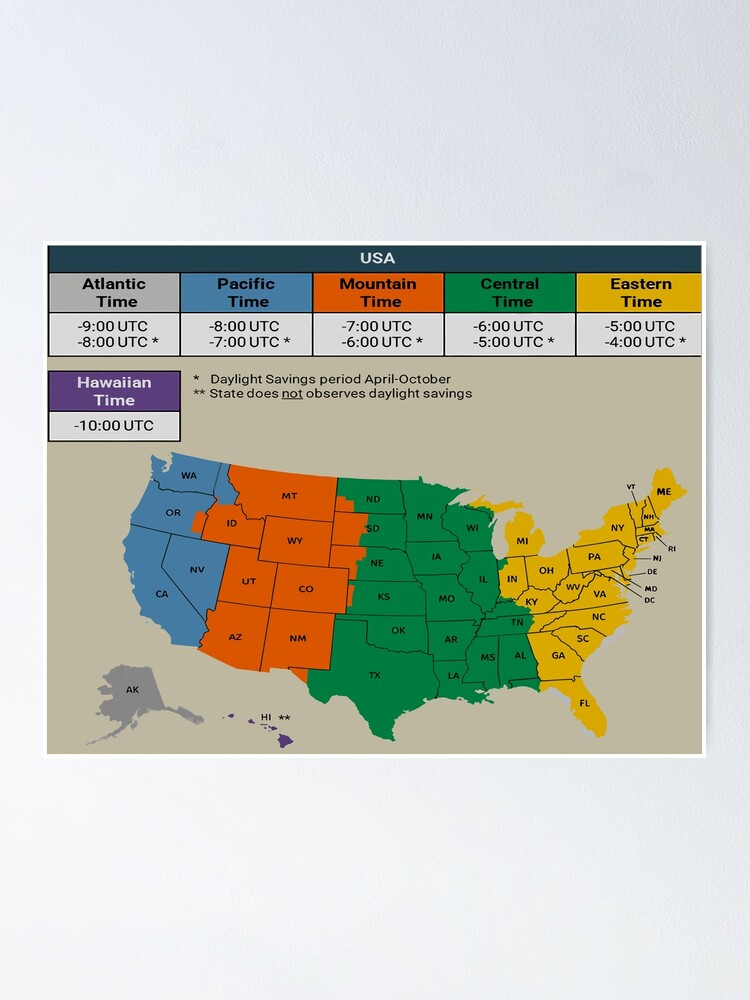
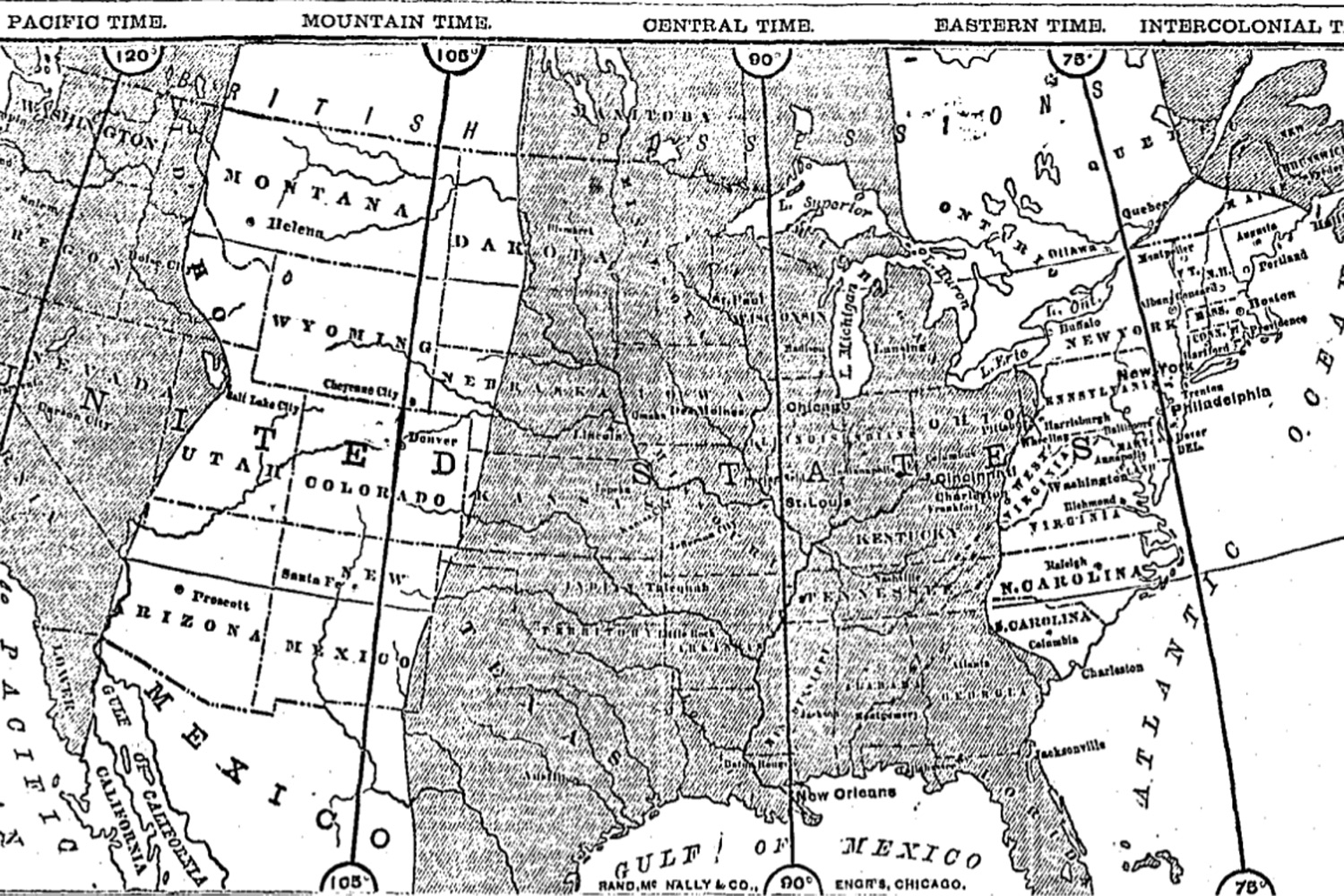
Chicago, Illinois, is located in the Central Time Zone (CT) in the USA. This time zone observes Central Standard Time (CST) during the non-daylight saving months, which is 6 hours behind Coordinated Universal Time (UTC-6). However, like much of the United States, Chicago observes Daylight Saving Time (DST). From early March to early November, clocks are moved forward by one hour, switching to Central Daylight Time (CDT), which is 5 hours behind Coordinated Universal Time (UTC-5).
This distinction between CST and CDT is vital for travelers. A trip planned in April will operate under CDT, while a visit in December will be under CST. Travelers arriving from the Eastern Time Zone (e.g., New York City, Florida) will typically set their clocks back one hour upon arrival, while those coming from the Pacific Time Zone (e.g., Los Angeles, California) will need to move their clocks forward two hours. For international visitors, the time difference can be even more substantial. For instance, if it’s 3 PM in London, it would be 9 AM (CST) or 10 AM (CDT) in Chicago, making accurate time conversion a critical aspect of travel planning. Always confirm the current time, especially when booking international flights or scheduling virtual meetings across different global regions.
The Traveler’s Clock: Navigating Time Differences
For travelers, time differences aren’t just an inconvenience; they can profoundly impact health and travel efficiency. Jet lag, a physiological condition resulting from alterations to the body’s circadian rhythm, is a common challenge for those traveling across multiple time zones. Symptoms can include fatigue, irritability, insomnia, and difficulty concentrating.
To minimize the effects of jet lag when traveling to Chicago, it’s advisable to adjust your sleep schedule gradually in the days leading up to your trip. Upon arrival, try to immediately immerse yourself in the local time. Spend time outdoors in natural light during the day to help reset your internal clock, stay hydrated, and try to avoid heavy meals and excessive alcohol or caffeine, particularly close to your desired bedtime.
Furthermore, accurately knowing the local time in Chicago is paramount for practical itinerary management. From coordinating airport transfers and checking into your chosen accommodation (be it a luxury suite in a downtown hotel or a cozy apartment in a vibrant neighborhood) to making dinner reservations at a sought-after restaurant or joining a guided tour, precision in timing prevents missed opportunities and unnecessary stress. Many attractions, like the Art Institute of Chicago or the Skydeck Chicago at the Willis Tower, operate on strict schedules, and tour operators expect punctuality. Always double-check operating hours and booking times against the local Chicago clock.
Maximizing Your Chicago Experience: A Timeless Itinerary
With a clear understanding of Chicago’s time zone, you’re ready to plan a seamless and enriching itinerary. Chicago thrives at every hour, offering a kaleidoscope of activities from dawn until late into the night.
Morning in the Metropolis: Culture and Coffee
As the sun rises over Lake Michigan, Chicago awakens with a palpable energy. For early risers, the morning offers a tranquil opportunity to explore some of the city’s most iconic landmarks before the crowds gather. A perfect start might involve a peaceful stroll through Millennium Park, where you can capture stunning photos of the famous Cloud Gate, affectionately known as “The Bean,” reflecting the city’s impressive skyline. The park’s varied landscape and public art installations provide a serene yet invigorating start to the day.
Following your park exploration, immerse yourself in art and history at the renowned Art Institute of Chicago. Opening its doors relatively early, it allows visitors to wander through its vast collections of impressionist, post-impressionist, and American art in a more contemplative setting. Fuel your cultural journey with Chicago’s burgeoning coffee scene. Quaint cafes throughout neighborhoods like the Loop or River North offer artisanal brews and delicious breakfast pastries, providing the perfect energy boost for the day ahead.
Afternoon Adventures: Landmarks and Lake Views
Mid-day in Chicago is ripe for grand adventures, focusing on the city’s magnificent architecture and breathtaking views. No visit is complete without ascending to the Skydeck Chicago at the Willis Tower (formerly Sears Tower). Stepping out onto The Ledge, a glass balcony extending four feet from the building, offers unparalleled panoramic views of the city, extending up to four states on a clear day. This exhilarating experience is best done with pre-booked tickets to save time, especially during peak afternoon hours.
Alternatively, head to Navy Pier, a lively waterfront destination perfect for families and individuals alike. Here, you can ride the iconic Centennial Wheel for stunning views of the skyline and Lake Michigan, explore various attractions, or enjoy a leisurely lunch by the water. Another quintessential Chicago afternoon activity is an architectural boat tour along the Chicago River. Led by knowledgeable guides from organizations like the Chicago Architecture Foundation, these tours offer fascinating insights into the city’s innovative skyline and historical significance, providing a unique perspective of its famous buildings. For those interested in retail therapy, an afternoon dedicated to exploring the upscale boutiques and department stores along The Magnificent Mile is a must.
Evening Elegance: Dining and Entertainment
As evening descends, Chicago transforms into a beacon of culinary delights and vibrant entertainment. This is the ideal time to indulge in the city’s legendary food scene. A visit to Chicago would be incomplete without trying its famous deep-dish pizza. Pizzerias across the city, from Lou Malnati’s to Giordano’s, serve up this iconic dish, a hearty and flavorful experience. Beyond pizza, Chicago boasts a Michelin-starred restaurant scene, offering everything from innovative American cuisine to international fine dining experiences. Securing dinner reservations, especially at popular spots, is highly recommended and should be done well in advance, aligning with Chicago’s local time.
After dinner, the city offers a plethora of entertainment options. Catch a Broadway show at one of the historic theaters in the Loop, or experience Chicago’s legendary blues and jazz scene. Venues in neighborhoods like Uptown and Hyde Park host live performances nightly, offering an authentic taste of the city’s rich musical heritage. For sports enthusiasts, an evening game at Wrigleyville (home to the Chicago Cubs) or Guaranteed Rate Field (for the Chicago White Sox) can be an electrifying experience, depending on the season. The city’s nightlife also caters to all tastes, from elegant cocktail lounges in the Gold Coast to bustling rooftop bars with stunning skyline views.
Accommodation & Travel Planning: Timing is Everything
When planning your trip to Chicago, the concepts of time and timing extend beyond just knowing the hour. They are integral to securing the best accommodation and making the most of your travel budget and preferences.
Choosing Your Stay: Hotels for Every Time and Taste
Chicago offers an extensive range of accommodation options, catering to every style of traveler, from those seeking ultimate luxury to budget-conscious adventurers. Understanding peak seasons and event dates (which are time-bound) can significantly influence availability and pricing. Luxury travelers might opt for the refined elegance of properties like The Langham, Chicago, known for its impeccable service and prime location, or the sophisticated comfort of the Four Seasons Hotel Chicago on The Magnificent Mile. Boutique hotels such as Thompson Chicago in the Gold Coast or Virgin Hotels Chicago offer unique design and personalized experiences.
For extended stays or family trips, serviced apartments and villas provide home-like amenities and greater flexibility. Budget travelers can find numerous options in areas slightly outside the immediate downtown core, often with excellent public transport links. Regardless of your preference, booking well in advance, especially during popular times of the year, is crucial. Utilize online booking platforms to compare prices, read reviews, and find deals. Pay close attention to check-in and check-out times, remembering that these are always in Chicago’s local time, and plan your arrival and departure flights accordingly to avoid waiting or incurring extra fees.
Best Time to Visit Chicago: Seasons and Events
The “best” time to visit Chicago largely depends on your travel preferences and what you wish to experience, as each season offers a unique charm. The timing of your visit affects not only the weather but also the availability of certain activities and the overall atmosphere of the city.
Spring (April to May): A lovely time as the city shakes off winter’s chill. Temperatures are mild, flowers bloom in parks like Lincoln Park, and outdoor cafes begin to open. It’s an excellent time for architectural tours and strolling along the lakefront. Events like the St. Patrick’s Day parade (with the famously dyed Chicago River) mark the beginning of spring festivities.
Summer (June to August): This is peak tourist season. Chicago comes alive with warm weather, outdoor festivals, and bustling attractions. Major events like Lollapalooza, the Blues Festival, and the Jazz Festival draw huge crowds. While the weather is ideal for boat tours, beach visits, and enjoying the parks, be prepared for larger crowds and higher prices for flights and accommodations. Booking months in advance is essential.
Autumn (September to November): Often considered the most beautiful time to visit. The weather remains pleasant, and the city’s parks and tree-lined streets showcase stunning fall foliage. The summer crowds begin to thin, making it a more relaxed time to explore. Cultural events and art exhibitions are plentiful. Late autumn can bring cooler temperatures but also festive events like the Thanksgiving Day Parade.
Winter (December to March): Chicago winters are known for their cold temperatures and potential for snow, creating a picturesque wonderland. While outdoor activities might be limited, the city sparkles with holiday lights, ice skating rinks, and cozy indoor attractions. Museums, theaters, and warm restaurants offer refuge. This is typically the off-peak season, meaning fewer crowds and potentially better deals on hotels and flights, especially outside the immediate holiday weeks.
The Timeless Appeal of Chicago Lifestyle
Beyond the ticking clock, Chicago’s lifestyle offers a compelling narrative, weaving together the demands of a global city with the rich fabric of its local culture.
From Business to Leisure: Chicago’s Dynamic Rhythm
Chicago is not just a tourist destination; it’s a thriving economic hub and a significant center for business and commerce in the Midwest. Its strategic location, robust infrastructure, and diverse industries make it a frequent destination for business travelers. For these professionals, managing time effectively is paramount. Early morning meetings, networking events, and conference schedules all adhere strictly to Central Time. Many hotels, particularly in the Loop and River North, cater specifically to business needs, offering executive suites, meeting facilities, and reliable connectivity.
However, Chicago masterfully balances its business persona with a vibrant leisure culture. After hours, business travelers can easily transition from corporate engagements to exploring the city’s culinary scene or enjoying a relaxing evening by the Chicago River. For family trips, the city offers attractions like the Shedd Aquarium, Field Museum, and Lincoln Park Zoo, all easily accessible via efficient public transport. Budget travelers will find that strategic planning, choosing off-peak travel times, and utilizing free attractions like Millennium Park can make a Chicago adventure surprisingly affordable. Chicago’s dynamic rhythm ensures that whatever your purpose for visiting, the city accommodates your needs and delights your senses.
Embracing Local Culture Beyond the Clock
While time dictates schedules, embracing Chicago’s local culture transcends the mere ticking of a clock. It’s about savoring the experiences that give the city its unique character. This means indulging in the local food beyond deep-dish pizza – try a Chicago-style hot dog, an iconic local staple, or explore the diverse ethnic cuisines found in neighborhoods like Pilsen or Andersonville. It’s about understanding the city’s love for sports, whether it’s baseball, basketball, or football, and soaking in the enthusiasm of its passionate fans.
Spending time exploring the distinct neighborhoods, each with its own charm and history, offers a deeper connection to Chicago’s soul. From the historic elegance of the Gold Coast to the artistic vibes of Wicker Park, these areas provide insights into the daily lives of residents and the evolution of the city. Attending local events, visiting community markets, or simply sitting in a park and people-watching allows you to experience Chicago’s vibrant pulse in a way that rigid itineraries might miss. The true essence of Chicago is found not just in its iconic landmarks but in its enduring spirit, its friendly residents, and the myriad experiences it offers around the clock.
In conclusion, knowing what time it is in Chicago, USA, is far more than a trivial piece of information; it is the cornerstone of a successful and enjoyable trip. From understanding Central Time to meticulously planning your days and nights, time management empowers you to fully immerse yourself in everything this incredible city has to offer. Whether you’re admiring masterpieces at the Art Institute, soaring above the skyline from the Willis Tower, or savoring a deep-dish pizza, every moment in Chicago is an opportunity for discovery. So, set your clock, prepare your itinerary, and get ready to experience the timeless allure of the Windy City.
LifeOutOfTheBox is a participant in the Amazon Services LLC Associates Program, an affiliate advertising program designed to provide a means for sites to earn advertising fees by advertising and linking to Amazon.com. Amazon, the Amazon logo, AmazonSupply, and the AmazonSupply logo are trademarks of Amazon.com, Inc. or its affiliates. As an Amazon Associate we earn affiliate commissions from qualifying purchases.