
Embarking on a journey to the Centennial State often begins with a fundamental question: “What time is it in Colorado?” While seemingly simple, understanding Colorado’s time zone is the first crucial step in meticulously planning any visit, from coordinating flight arrivals to scheduling unforgettable adventures. More than just a clock setting, the local time influences everything from navigating high-altitude hikes to reserving tables at Denver’s finest restaurants and ensuring you don’t miss the first ski lift in Aspen.
Colorado, nestled in the heart of the United States, operates on Mountain Standard Time (MST) for most of the year. However, like many regions, it observes Daylight Saving Time, shifting to Mountain Daylight Time (MDT) during the warmer months. This dynamic sets the rhythm for a state renowned for its breathtaking natural beauty, vibrant urban centers, and a lifestyle deeply intertwined with outdoor pursuits. This comprehensive guide will not only clarify Colorado’s time zones but also delve into how this knowledge becomes the bedrock for an exceptional travel experience, exploring the state’s iconic landmarks, diverse accommodation options, and unique cultural tapestry.
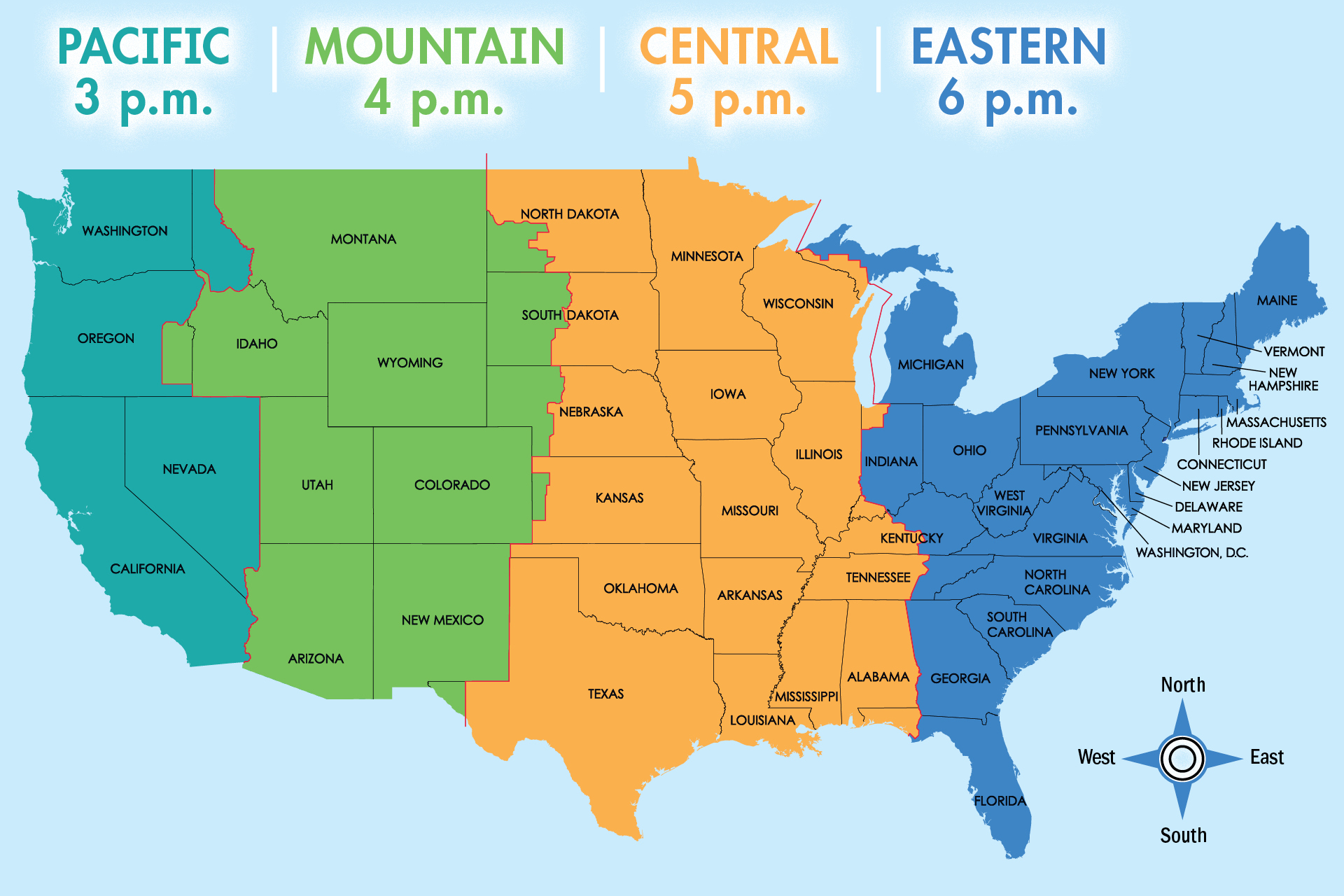
Understanding Colorado’s Time Zone: A Traveler’s Guide
For travelers heading to Colorado, grasping the intricacies of its time zone is more than just academic; it’s a practical necessity that impacts every facet of your trip. From avoiding jet lag to making timely connections and maximizing your daylight hours for exploration, an awareness of Mountain Standard Time (MST) and Mountain Daylight Time (MDT) is paramount.
Mountain Standard Time (MST) and Mountain Daylight Time (MDT) Explained
Colorado primarily resides within the Mountain Time Zone. During the fall and winter months, specifically from early November to mid-March, the state observes Mountain Standard Time (MST). This means it is typically seven hours behind Coordinated Universal Time (UTC-7). As spring approaches, like most of the United States, Colorado transitions to Daylight Saving Time, moving clocks forward one hour. From mid-March to early November, the state operates on Mountain Daylight Time (MDT), which is six hours behind Coordinated Universal Time (UTC-6). This shift grants an extra hour of daylight in the evenings, a welcome bonus for outdoor enthusiasts keen to extend their adventures.
The consistency of this system, though requiring an initial adjustment for those arriving from different time zones, is vital for seamless operations across the state. Whether you’re flying into Denver International Airport, meeting a guide for a trek in Rocky Mountain National Park, or planning a business meeting in Boulder, everyone operates on this shared temporal framework.
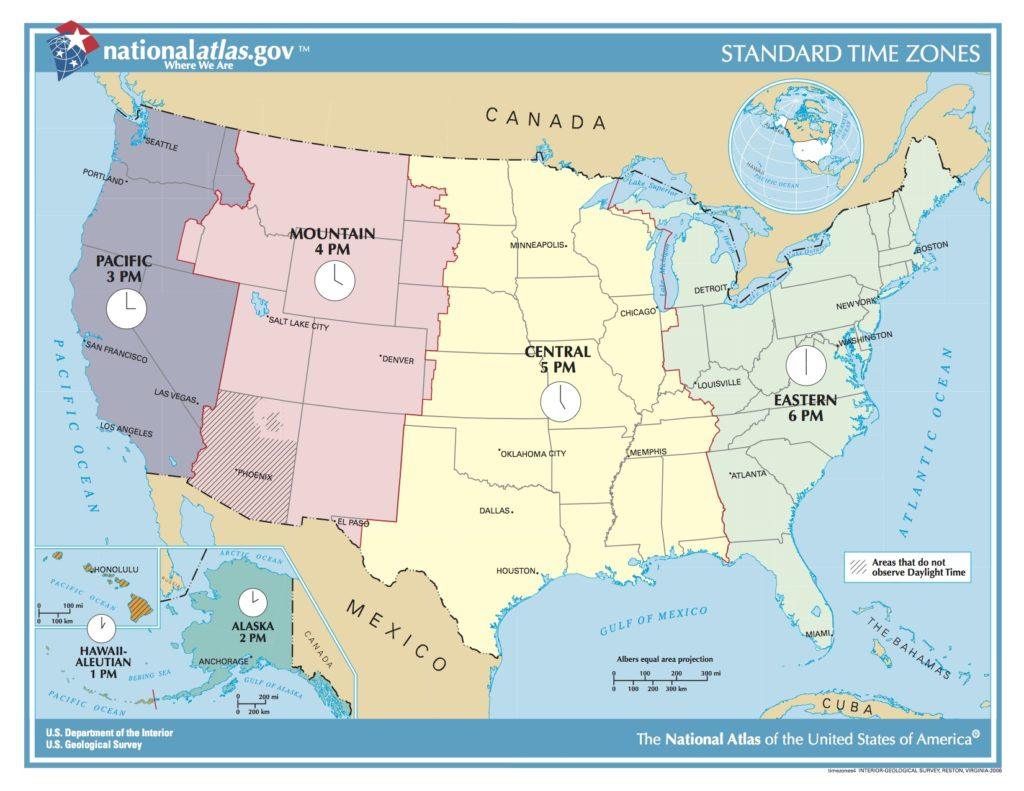
Practical Implications for Planning Your Colorado Adventure
Understanding Colorado’s time zone has several practical implications for travelers:
- Flight Schedules and Connections: Always confirm your flight arrival and departure times in local Colorado time. If you have connecting flights or transportation arranged, factoring in the time change will prevent missed connections or unnecessary delays.
- Accommodations Check-in/Check-out: Hotel check-in and check-out times are strictly observed in local time. Being aware helps you plan your arrival and departure days efficiently, potentially allowing for extra exploration before check-in or after check-out.
- Activity Bookings and Tours: From whitewater rafting excursions to guided hiking tours, ski lessons, and restaurant reservations, all scheduled activities will be listed in local Colorado time. Double-check your bookings, especially if made from a different time zone.
- Communication: When communicating with friends, family, or business contacts outside Colorado, be mindful of the time difference to ensure you’re not calling at inconvenient hours.
- Jet Lag Management: For those traveling from distant time zones, particularly the East Coast or international destinations, anticipating the time difference allows for better jet lag management. Adjusting your sleep schedule a few days before departure, staying hydrated, and exposing yourself to natural light upon arrival can significantly ease the transition.
By internalizing Colorado’s time zone, travelers lay a solid foundation for a stress-free and enjoyable journey, allowing them to fully immerse themselves in the rich experiences the state offers.
Iconic Destinations and Experiences Across Colorado
Once the logistical aspect of time is handled, the true adventure of Colorado unfolds. The state is a treasure trove of diverse landscapes, from majestic peaks to sprawling plains, offering an unparalleled array of destinations and experiences that cater to every type of traveler.
Denver: The Mile-High City’s Urban Allure
As the capital and largest city, Denver serves as a vibrant gateway to the Rocky Mountains. Known as the Mile-High City due to its elevation, Denver boasts a dynamic urban scene juxtaposed against a stunning mountain backdrop. Visitors can explore world-class museums, indulge in a thriving culinary scene, and enjoy its famous craft breweries. Iconic landmarks include the historic Larimer Square, the impressive architecture of the Denver Art Museum, and the vibrant street art of the RiNo Art District. Just a short drive away, the legendary Red Rocks Amphitheatre offers unforgettable concert experiences in a naturally stunning setting. Denver is not just a hub for culture and entertainment; it’s also a convenient base for exploring nearby mountain towns and outdoor activities, truly embodying the urban-meets-adventure lifestyle.
Rocky Mountain National Park: Nature’s Grandeur Unleashed
No visit to Colorado is complete without experiencing the breathtaking majesty of Rocky Mountain National Park. Spanning over 415 square miles of pristine wilderness, the park offers endless opportunities for hiking, wildlife viewing, and scenic drives. Its crown jewel, Trail Ridge Road, is the highest continuous paved road in the United States, offering panoramic views of alpine tundra and glacial valleys. From tranquil lakes like Bear Lake to challenging peaks such as Longs Peak, the park caters to all levels of adventurers. Elk, moose, bighorn sheep, and a myriad of bird species call this park home, making wildlife encounters a common and cherished experience. It’s a testament to Colorado’s commitment to preserving its natural heritage and provides an essential connection to the wild heart of the state.
Aspen, Vail, and Beyond: Premier Ski Resorts and Mountain Towns
Colorado is world-renowned for its unparalleled ski resorts, attracting winter sports enthusiasts from across the globe. Aspen, with its luxurious amenities, vibrant arts scene, and four distinct mountains (Snowmass, Aspen Mountain, Aspen Highlands, and Buttermilk), offers a sophisticated ski experience. Vail is another iconic destination, famous for its expansive terrain, European village charm, and legendary Back Bowls. Other notable ski towns include Breckenridge, known for its historic main street and diverse slopes, and Telluride, offering stunning scenery and a secluded, upscale vibe in the San Juan Mountains.
Beyond winter, these mountain towns transform into summer havens for hiking, mountain biking, fly fishing, and vibrant music festivals. The Western Slope also offers unique destinations like Glenwood Springs, famous for its hot springs and adventure park. These destinations provide a complete lifestyle experience, blending outdoor recreation with high-end dining, shopping, and cultural events.
Colorado Springs and the Pikes Peak Region: History and Natural Wonders
South of Denver, Colorado Springs and the surrounding Pikes Peak Region offer a captivating mix of natural wonders and historical significance. The majestic Pikes Peak, one of Colorado’s 54 fourteeners, inspired “America the Beautiful” and can be reached via the Pikes Peak Cog Railway or the scenic Pikes Peak Highway. At its base lies the otherworldly Garden of the Gods, a National Natural Landmark featuring towering sandstone rock formations perfect for hiking, rock climbing, and photography.
Other attractions include the US Air Force Academy, with its striking chapel, and the Cheyenne Mountain Zoo, America’s only mountain zoo. The region also provides access to unique geological formations like the Cave of the Winds Mountain Park and the cascading beauty of Seven Falls. It’s a region where history, patriotism, and the raw power of nature converge, offering diverse experiences for families and adventurers alike.
Exploring Colorado’s Unique Cultural Fabric and Local Delights
Beyond the famous landmarks, Colorado boasts a rich and varied cultural fabric. The state’s Western heritage is palpable in towns like Durango and Silverton, where visitors can ride historic narrow-gauge railroads. A thriving craft beer scene, with hundreds of breweries, has made Colorado a mecca for beer lovers. The farm-to-table movement is strong, with local produce and innovative cuisine defining the dining landscape.
Cultural experiences range from vibrant art galleries in Santa Fe Drive Arts District to the ancient cliff dwellings of Mesa Verde National Park, a UNESCO World Heritage Site offering a glimpse into ancestral Puebloan life. The surreal landscape of Great Sand Dunes National Park provides unique opportunities for sandboarding and stargazing. Throughout the year, Colorado hosts numerous festivals, from music and film to food and arts, showcasing its creative spirit and welcoming atmosphere. This blend of natural wonder, historical depth, and modern cultural vibrancy creates a compelling destination for any traveler.

Accommodation and Lifestyle: Finding Your Perfect Colorado Stay
Colorado’s diverse geography and tourism focus mean that accommodation options are as varied as its landscapes. Whether seeking opulent luxury, family-friendly convenience, or a budget-conscious base for adventure, the Centennial State offers a spectrum of choices to match every lifestyle and travel preference.
From Luxury Resorts to Cozy Mountain Cabins: Diverse Lodging Options
For those seeking the pinnacle of indulgence, Colorado is home to world-class luxury resorts. In Denver, establishments like the Four Seasons Denver offer sophisticated urban retreats with exquisite dining and spa services. In mountain towns like Aspen and Vail, properties such as the St. Regis Aspen or The Arrabelle at Vail Square provide ski-in/ski-out access, gourmet restaurants, and opulent suites. These resorts often feature extensive amenities, including heated pools, concierge services, and private chefs, catering to discerning travelers.
Mid-range hotels and boutique inns are plentiful in cities like Boulder and Colorado Springs, offering comfortable stays with local character. For a more immersive experience, particularly in the mountain regions, cozy cabins, charming bed-and-breakfasts, and rustic lodges provide an authentic Colorado feel. These options often come with fireplaces, hot tubs, and stunning views, perfect for a romantic getaway or a family vacation.
Budget-friendly travelers will find a good selection of motels, hostels, and campgrounds, especially near national parks and popular hiking trails. Vacation rentals through platforms like Airbnb and VRBO are also immensely popular, offering everything from city apartments to sprawling mountain homes, providing flexibility and a home-away-from-home experience, ideal for extended stays or larger groups. For a unique blend of nature and comfort, glamping sites across the state offer luxurious camping experiences without sacrificing amenities.
Planning Your Stay: Booking, Reviews, and Special Amenities
When planning your accommodation, early booking is often crucial, particularly during peak seasons like winter ski season or summer hiking months. Popular destinations and unique properties tend to fill up quickly. Utilizing reputable booking platforms, consulting traveler reviews, and comparing different options based on price, location, and amenities are essential steps.
Consider what special amenities align with your travel style. Are you looking for a resort with a kids’ club and family-friendly activities? A pet-friendly hotel for your furry companion? A hotel with robust conference facilities and high-speed internet for a business trip? Or perhaps a property offering spa services and wellness programs for a rejuvenating escape? Many Colorado accommodations boast unique features, such as on-site natural hot springs, direct access to ski slopes, or proximity to hiking trails. Reading recent reviews can provide invaluable insights into the quality of service, cleanliness, and overall guest experience, helping you make an informed decision.
Lifestyle Choices: Budget, Family, or Business Travel in the Centennial State
Colorado caters to a spectrum of travel lifestyles:
- Luxury Travel: Focusing on exclusive experiences, high-end dining, private tours, and stays in premier resorts.
- Budget Travel: Prioritizing cost-effective lodging (hostels, budget motels, camping), free or low-cost activities (hiking, scenic drives), and self-catering options.
- Family Trips: Selecting accommodations with family suites, pools, and kid-friendly activities. Planning itineraries that include attractions like zoos, adventure parks, and accessible trails.
- Business Stays: Opting for hotels with business centers, meeting rooms, reliable Wi-Fi, and convenient access to corporate hubs. Many hotels in Denver and Boulder are well-equipped for this purpose.
Understanding your travel lifestyle will guide your accommodation choices and help tailor an itinerary that perfectly suits your needs and desires in the Centennial State.
Maximizing Your Colorado Journey: Tips for a Seamless Experience
Beyond managing time and selecting the perfect stay, a successful Colorado adventure requires careful preparation for its unique environmental challenges and seasonal variations. By adhering to a few key tips, visitors can ensure their journey is not only memorable but also safe and comfortable.
Acclimatization and Wellness: Preparing for High Altitudes
Colorado is famous for its high elevations, with many popular destinations like Denver (5,280 feet) and mountain towns like Breckenridge (9,600 feet) being significantly higher than sea level. Altitude sickness can affect anyone, regardless of fitness level. To minimize its impact:
- Hydrate, Hydrate, Hydrate: Drink plenty of water before and during your trip. Avoid excessive alcohol and caffeine, which can contribute to dehydration.
- Take It Easy: Don’t plan strenuous activities on your first day. Allow your body time to adjust, especially if arriving from a low-elevation area.
- Eat Lightly: Opt for lighter meals and avoid heavy, fatty foods.
- Listen to Your Body: Symptoms can include headaches, nausea, dizziness, and shortness of breath. If you experience severe symptoms, descend to a lower elevation and seek medical attention.
- Sun Protection: At higher altitudes, the sun’s rays are much stronger. Use high-SPF sunscreen, wear sunglasses, and a hat, even on cloudy days.
Navigating Colorado’s Transportation and Seasons
Colorado’s transportation needs vary greatly depending on the season and destination.
- Rental Cars: A rental car offers the most flexibility for exploring, especially for destinations off the beaten path or during the summer months. Be aware that during winter, many mountain roads require four-wheel drive or all-wheel drive, and often tire chains or snow tires are mandatory.
- Public Transportation: Denver and Boulder have robust public transit systems. For inter-city travel, services like Colorado Bustang connect major cities and mountain towns. Amtrak’s California Zephyr offers a scenic route through the heart of the Rockies.
- Seasonal Considerations:
- Winter (December-March): Expect heavy snowfall in the mountains. Roads can be closed due to blizzards or avalanches. Plan for extra travel time and always check road conditions (Colorado Department of Transportation website is essential). Ski resorts are in full swing.
- Spring (April-May): A transitional period. Skiing is still possible, but lower elevations begin to thaw. Expect unpredictable weather, including late-season snowstorms.
- Summer (June-August): Ideal for hiking, biking, and water sports. Reservations for popular attractions and accommodations are crucial. Thunderstorms are common in the afternoons. Trail Ridge Road in Rocky Mountain National Park is typically open from Memorial Day to mid-October.
- Fall (September-November): Stunning autumn foliage, especially in the aspen groves. Cooler temperatures and fewer crowds. Early snowfall is possible at higher elevations.
Essential Travel Tips and Local Etiquette
To enhance your experience in Colorado, keep these additional tips in mind:
- Dress in Layers: Colorado’s weather can change rapidly, even within a single day. Layered clothing allows you to adapt to temperature fluctuations.
- Respect the Environment: Coloradoans are passionate about their natural surroundings. Practice “Leave No Trace” principles: pack out everything you pack in, stay on marked trails, and respect wildlife.
- Stay Informed: Check local weather forecasts, trail conditions, and park alerts before heading out.
- Support Local: Explore local markets, dine at independent restaurants, and purchase from local artisans to truly experience the state’s culture and contribute to its economy.
- Hydration is Key (Again!): Even when not battling altitude, the dry climate of Colorado necessitates constant hydration. Carry a reusable water bottle.
By keeping these practical tips in mind, your journey through Colorado will be smoother, safer, and far more rewarding, allowing you to focus on the spectacular sights and unforgettable experiences that await in the heart of the Rocky Mountains. From understanding the local time to exploring its vast natural wonders and vibrant urban centers, Colorado promises an adventure for every traveler.
LifeOutOfTheBox is a participant in the Amazon Services LLC Associates Program, an affiliate advertising program designed to provide a means for sites to earn advertising fees by advertising and linking to Amazon.com. Amazon, the Amazon logo, AmazonSupply, and the AmazonSupply logo are trademarks of Amazon.com, Inc. or its affiliates. As an Amazon Associate we earn affiliate commissions from qualifying purchases.