
For any traveler planning a journey to the heart of Alaska’s interior, understanding the local time in Fairbanks is far more crucial than simply setting your watch. It’s an essential piece of information that dictates everything from flight schedules and tour bookings to experiencing the city’s unique rhythms of daylight and darkness. Fairbanks, positioned just south of the Arctic Circle, operates on a time zone that profoundly influences the very nature of a visit, shaping perceptions and opportunities in ways few other destinations can.
Understanding Alaska’s Unique Time Zone
Fairbanks, like most of Alaska, observes Alaska Standard Time (AKST) during the winter months and Alaska Daylight Time (AKDT) in the summer. This distinction is vital for travelers.

Alaska Standard Time (AKST)
AKST is observed from the first Sunday in November until the second Sunday in March. It is nine hours behind Coordinated Universal Time (UTC) (UTC-9). This places Fairbanks four hours behind the Eastern Time Zone in the contiguous United States and one hour behind the Pacific Time Zone. When it’s 12:00 PM (noon) in Fairbanks during AKST, it’s already 1:00 PM in Pacific Time, 2:00 PM in Mountain Time, 3:00 PM in Central Time, and 4:00 PM in Eastern Time. This significant time difference can lead to considerable jet lag for those traveling from the eastern parts of North America or international destinations, making careful planning of arrival times and initial activities paramount for a smooth acclimatization.
Alaska Daylight Time (AKDT)
From the second Sunday in March to the first Sunday in November, Alaska shifts to Daylight Saving Time, meaning clocks spring forward by one hour to Alaska Daylight Time (AKDT). During this period, Fairbanks is eight hours behind UTC (UTC-8). While this slightly reduces the time difference with other parts of the world, the principles of careful coordination remain. The shift to AKDT also coincides with the dramatic increase in daylight hours, transforming the travel experience entirely and making the “time of day” a fascinating, almost fluid concept.
The Impact of Time Zones on Fairbanks Travel Logistics
Successfully navigating a trip to Fairbanks requires an acute awareness of the local time, not just upon arrival but throughout the planning process. Miscalculations can lead to missed connections, forfeited bookings, or unnecessary stress.
Coordinating Flights and Transfers
When booking flights into Fairbanks International Airport, always ensure your arrival and departure times are understood in the local Fairbanks time. Many online booking platforms automatically adjust, but double-checking is crucial. Consider the layovers, especially if transferring through a different time zone like Seattle or Anchorage. An early morning flight from the East Coast could mean an afternoon or evening arrival in Fairbanks, potentially affecting plans for immediate activities or rest. Factor in extra buffer time for potential delays, especially during winter travel when weather can be a significant factor.
Booking Accommodations, Tours, and Activities
Hotels in Fairbanks typically have standard check-in and check-out times, often 3:00 PM and 11:00 AM respectively, based on local Fairbanks time. If you arrive early or late, knowing the exact local time allows you to communicate effectively with your accommodation provider. Similarly, excursions like aurora viewing tours, dog sledding adventures, or Riverboat Discovery cruises operate on strict schedules. Missing a departure time due to a time zone miscalculation can be a costly mistake. Confirming all booking times in Fairbanks local time is a non-negotiable step in your travel preparations.
Communication and Business Hours
For travelers needing to communicate with businesses, family, or friends outside of Alaska, understanding the current time in Fairbanks is essential. Local shops, restaurants, and service providers adhere to Fairbanks business hours, which might be significantly different from what you’re accustomed to. Planning phone calls or video conferences requires checking the time differences to avoid waking someone up or calling after business hours.

The Unique Rhythm of Daylight in Fairbanks
Beyond the standard time zones, the true “time” in Fairbanks is also profoundly influenced by its high latitude, leading to extreme seasonal variations in daylight that dramatically shape the traveler’s experience.
The Midnight Sun: Summer’s Endless Days
During the summer months, particularly from late May through July, Fairbanks experiences the phenomenon of the “Midnight Sun.” Around the summer solstice in June, the sun barely dips below the horizon, resulting in nearly 24 hours of daylight. This extended light redefines the concept of “time.” Activities can stretch late into what would be conventional night, and the perception of time can become skewed. Travelers often find themselves energized by the perpetual daylight, allowing for packed itineraries that maximize outdoor adventures like hiking, fishing, or exploring natural areas. However, this also necessitates proactive measures for sleep, such as using blackout curtains or eye masks, as the brain struggles to recognize “bedtime” without darkness.
The Polar Night: Winter’s Brief Glimmers
Conversely, the winter months, especially from November through January, bring extremely short daylight hours, approaching what is sometimes referred to as “Polar Night.” Around the winter solstice in December, Fairbanks may only see three to four hours of discernible daylight, often resembling a prolonged twilight rather than a bright day. This dramatic reduction in light impacts energy levels, mood, and the scheduling of outdoor activities. While it might seem challenging, the extensive darkness is precisely what makes Fairbanks one of the world’s premier destinations for viewing the Aurora Borealis. Travelers embrace the darkness, scheduling daytime activities for the brief window of light and dedicating evenings to aurora hunting.
Maximizing Your Fairbanks Experience: Timing Your Activities
Understanding the local time, combined with the seasonal daylight cycles, allows travelers to strategically plan their itinerary and fully immerse themselves in what Fairbanks has to offer.
Aurora Borealis Viewing
For many, the primary reason to visit Fairbanks is to witness the Aurora Borealis. The best time for viewing is typically between August and April, when the nights are long and dark. The prime viewing hours are often between 10:00 PM and 3:00 AM local time. Planning your travel for the darker months and dedicating evenings to aurora excursions is key. Even during the short daylight hours, attractions like the University of Alaska Museum of the North or a relaxing soak at Chena Hot Springs Resort can fill the time before the night sky comes alive.
Summer Adventures Under the Midnight Sun
The endless daylight of summer unlocks a different set of opportunities. Kayaking on the Chenya River, hiking trails in the surrounding wilderness, or even playing a round of golf at midnight become possible. Scheduling these activities can be flexible, but knowing that 8:00 PM feels like 3:00 PM is part of the charm. Riverboat cruises like the Riverboat Discovery operate during specific daylight hours, often with multiple departures. Utilizing online calendars that show local sunrise and sunset times for Fairbanks for your specific travel dates can help you plan outdoor activities.
Winter Sports and Festivals
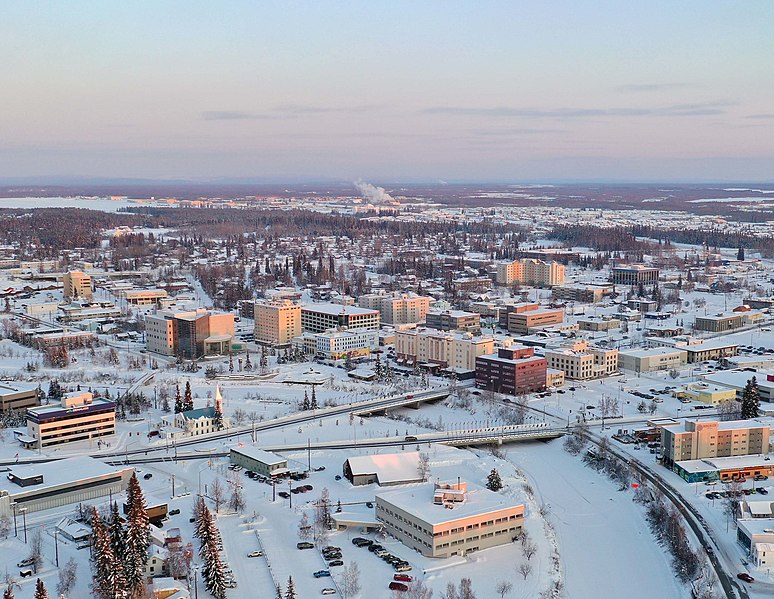
Beyond the aurora, Fairbanks thrives with winter activities. Dog sledding tours, ice fishing, and snowmachining are best enjoyed during the limited daylight hours or in well-lit areas after dark. Festivals such as the World Ice Art Championships, typically held in February and March, often have specific hours for viewing the intricate ice sculptures, both by day and under special lighting at night. Checking the official schedules in Fairbanks local time is vital.
Practical Tips for Time Management in Fairbanks
- Synchronize Devices: As soon as you land at Fairbanks International Airport, ensure your phone, watch, and other devices are set to Fairbanks local time. Most smartphones do this automatically, but a manual check is always wise.
- Utilize World Clock Apps: For coordinating with contacts in other time zones, a world clock app on your smartphone or computer is invaluable. This helps visualize the time difference instantly.
- Prepare for Jet Lag: The significant time difference can cause jet lag. Start adjusting your sleep schedule a few days before your trip if possible. Hydrate well, try to expose yourself to natural light during Fairbanks daytime, and avoid heavy meals before bed to help your body adapt.
- Embrace the Light Cycles: Whether it’s the invigorating effect of the midnight sun or the cozy, contemplative atmosphere of the long winter nights, embrace the unique rhythm of Fairbanks. Plan active days during summer’s endless light and prepare for earlier nights or aurora viewing excursions during winter’s darkness. Blackout curtains are your best friend in summer, while warm layers are essential for winter’s chilly, dark hours.
In essence, knowing “what time it is in Fairbanks, Alaska right now” is more than a simple query; it’s a foundational element of a well-planned and deeply enriching travel experience. It allows you to navigate the practicalities of travel while also attuning yourself to the extraordinary natural phenomena that make Fairbanks a truly unforgettable destination.
LifeOutOfTheBox is a participant in the Amazon Services LLC Associates Program, an affiliate advertising program designed to provide a means for sites to earn advertising fees by advertising and linking to Amazon.com. Amazon, the Amazon logo, AmazonSupply, and the AmazonSupply logo are trademarks of Amazon.com, Inc. or its affiliates. As an Amazon Associate we earn affiliate commissions from qualifying purchases.