
For many, the question “What time is it in Florida now?” might seem straightforward, easily answered by a quick glance at a smartphone. However, for the discerning traveler planning an unforgettable journey to the Sunshine State, this simple query unlocks a deeper understanding of how to truly maximize their experience. Florida, a vibrant tapestry of world-class attractions, pristine beaches, bustling cities, and serene natural landscapes, operates on a rhythm that impacts every facet of a vacation – from travel logistics and hotel bookings to experiencing local culture and visiting iconic landmarks.
Understanding Florida’s time zones is more than just knowing what to set your watch to; it’s about strategic planning. It’s about ensuring you catch that early morning flight without a hitch, arrive at your hotel precisely for check-in, secure coveted dining reservations, and explore attractions during their optimal hours. Whether you’re dreaming of the thrilling theme parks of Orlando, the dazzling nightlife of Miami, the historic charm of St. Augustine, or the tranquil shores of the Gulf Coast, time is a critical element in crafting a seamless and enriching Florida adventure. This comprehensive guide will delve into the nuances of time in Florida, offering insights and practical tips to ensure your trip is perfectly timed, every step of the way.
Navigating Florida’s Time Zones: An Essential Guide for Travelers
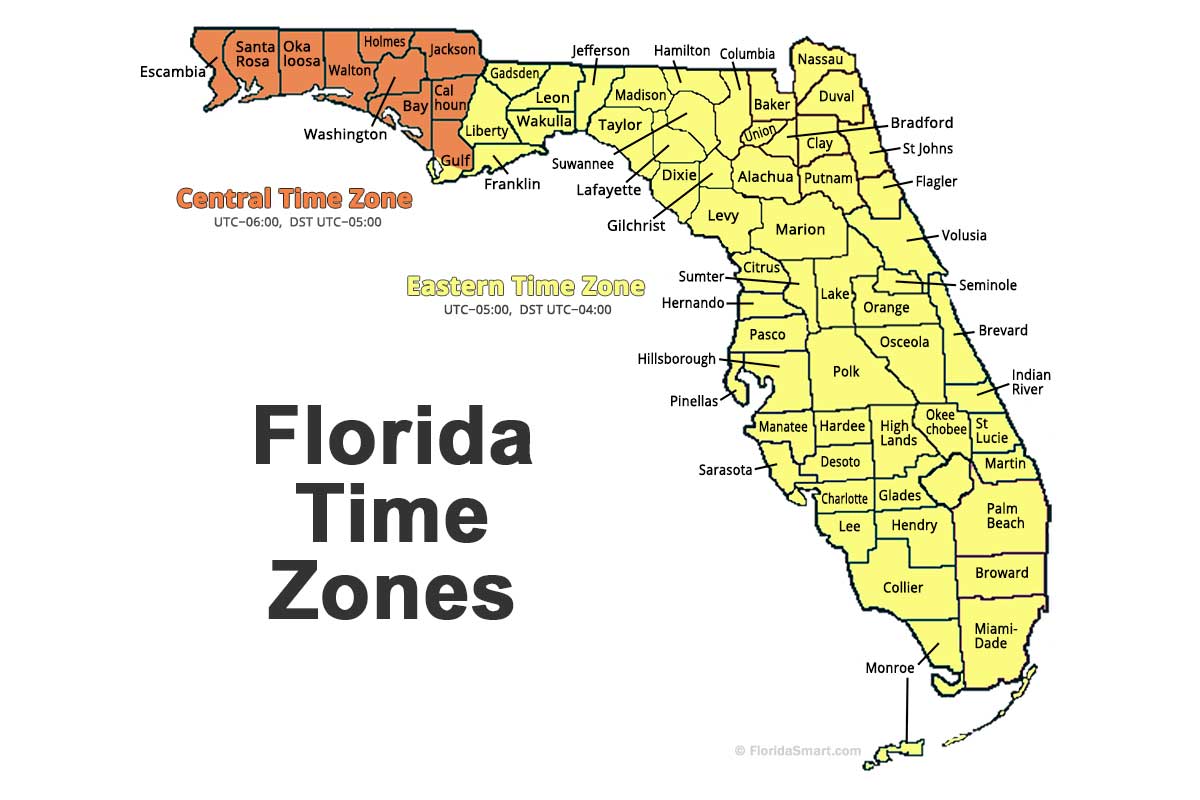
Florida’s geographical expanse means it doesn’t just adhere to a single time zone, a fact often overlooked by first-time visitors. This seemingly minor detail can have significant implications for travel plans, particularly for those venturing across the state. Understanding where the time zone lines fall is the first step in mastering your Florida itinerary.
Understanding Eastern and Central Time in the Sunshine State
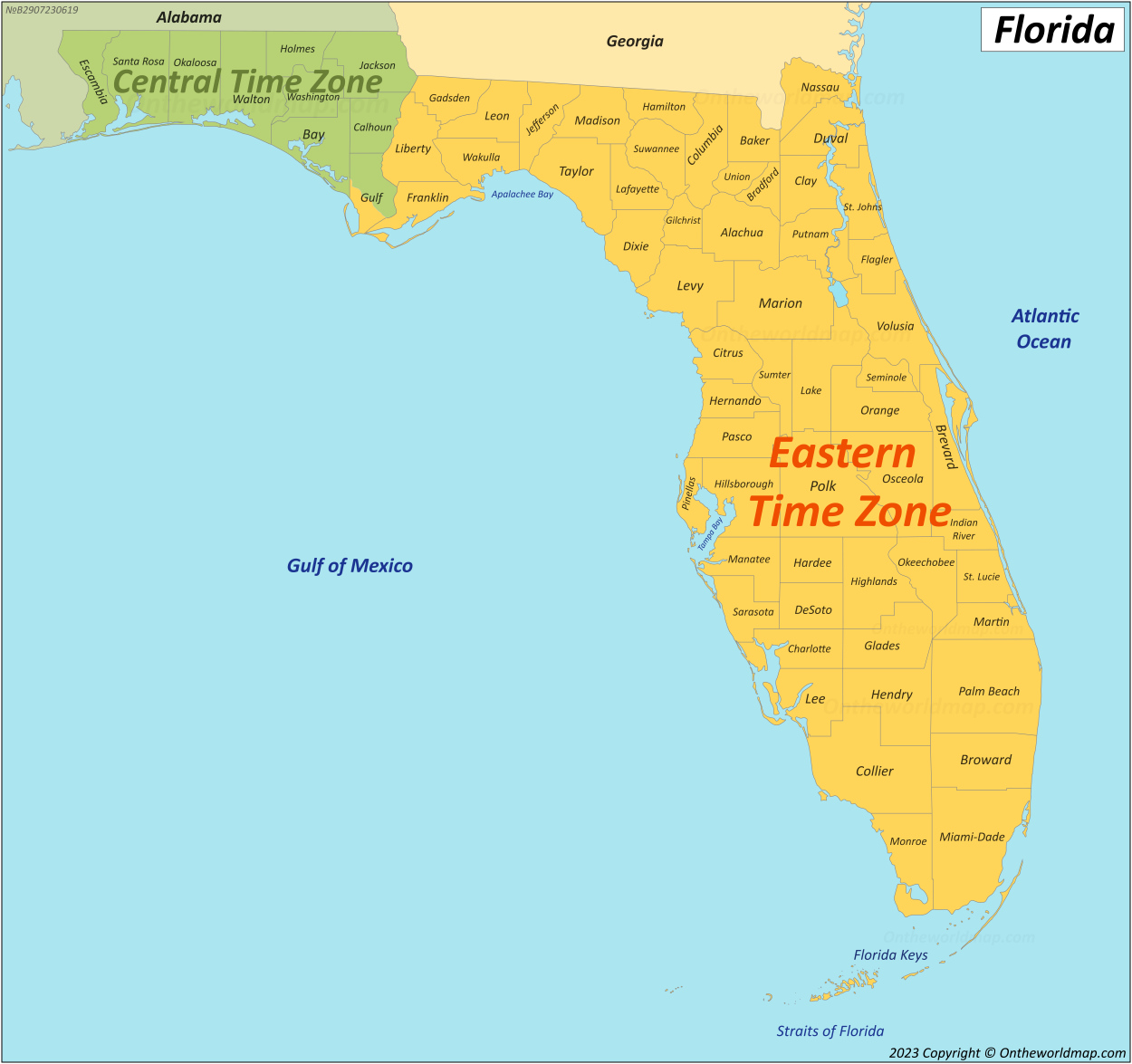
The majority of Florida observes the Eastern Time Zone (ET), which is typically GMT-5 during Standard Time and GMT-4 during Daylight Saving Time. This includes major tourist hubs and population centers such as Miami, Orlando, Tampa, Jacksonville, and the Florida Keys, including Key West. So, if you’re planning a trip to Walt Disney World Resort, relaxing on South Beach in Miami Beach, or exploring the historic streets of St. Augustine, you’ll be operating on Eastern Time.
However, a portion of Florida’s Panhandle, located in the westernmost part of the state, observes the Central Time Zone (CT). This includes counties such as Escambia, Santa Rosa, Okaloosa, Walton, and Bay County, home to popular destinations like Pensacola and Panama City Beach. These areas are one hour behind Eastern Time. This means that when it’s 3:00 PM in Orlando, it’s 2:00 PM in Pensacola. The time zone boundary roughly follows the Apalachicola River, with areas west of the river falling into Central Time and areas east remaining in Eastern Time. This distinction is vital for travelers flying into or driving through the Panhandle, or those combining a trip to both regions of the state.
The Importance of Knowing Your Local Time for Seamless Travel
Failing to account for Florida’s dual time zones can lead to unexpected hiccups in your travel plans. For example, if you’ve booked a flight departing from Tallahassee International Airport (which is on Eastern Time) but mistakenly think it’s on Central Time like nearby counties, you could miss your flight. Similarly, hotel check-in times, tour departures, and restaurant reservations are all strictly tied to the local time of their respective locations. Imagine reserving a table at a coveted restaurant in Destin (Central Time) while still mentally on Eastern Time – you could arrive an hour late or early, potentially losing your reservation.
Beyond logistical concerns, understanding local time also impacts your perception and enjoyment of the trip. Events, festivals, and cultural activities often have specific start and end times that you won’t want to miss. For business travelers, syncing with local time is crucial for meetings and appointments, especially when collaborating with colleagues in different parts of the state. Always ensure your devices automatically update to the correct local time and double-check any pre-booked arrangements against the time zone of the specific destination.
Beyond the Clock: Maximizing Your Florida Experience with Timely Planning
While understanding the actual time on the clock is foundational, maximizing your Florida experience goes much deeper. It involves strategic planning around operating hours, peak seasons, and even the natural rhythms of the state to enhance every aspect of your trip.
Optimizing Your Itinerary: Attractions, Dining, and Events
Florida’s attractions, from the thrilling rides of Universal Orlando Resort to the historic sites of St. Augustine, operate on strict schedules. Theme parks like Walt Disney World Resort and SeaWorld Orlando have varying opening and closing times that often change seasonally or for special events. Arriving at rope drop (opening time) can significantly reduce wait times for popular attractions like Avatar Flight of Passage at Animal Kingdom or Hagrid’s Magical Creatures Motorbike Adventure at Universal’s Islands of Adventure. Conversely, staying until closing might allow you to experience fireworks shows like Happily Ever After at Magic Kingdom or Harmonious at Epcot. Researching these times in advance, utilizing park apps, and even considering early entry options for resort guests can give you a considerable advantage.
Dining in Florida also benefits from timely planning. Popular restaurants, particularly in food-centric cities like Miami, Orlando, and Tampa, can book up weeks or even months in advance. Securing reservations for dinner, especially for highly sought-after spots or during peak dining hours (typically 7 PM – 9 PM), is crucial. Similarly, consider dining at off-peak times or enjoying a leisurely brunch to experience popular eateries without the crowds. For those seeking local flavor, many areas host farmers’ markets or food festivals with specific operating hours, offering a chance to delve into Florida’s culinary scene. Live music venues, theaters, and sports events also adhere to strict schedules, necessitating advance ticket purchases and awareness of start times.
Accommodations and Check-In/Check-Out Logistics
Your accommodation forms the base of your Florida adventure, and managing check-in and check-out times is paramount for a smooth arrival and departure. Most hotels, resorts, and vacation rentals in Florida maintain standard check-in times around 3 PM or 4 PM and check-out times around 10 AM or 11 AM. Arriving too early for check-in might mean a wait, though many establishments offer luggage storage. If you anticipate a very late arrival, it’s always wise to inform your hotel or host, especially for smaller inns or Airbnb properties, to ensure a smooth key handover.
For travelers coming from significantly different time zones, such as those from Europe or the West Coast of the United States, managing jet lag around check-in times is also a consideration. Planning an easy first day, perhaps exploring nearby amenities or simply relaxing by the pool at a resort like the Loews Portofino Bay Hotel at Universal Orlando, can help you acclimate. Similarly, on your departure day, understanding check-out times prevents unexpected fees. Some hotels may offer late check-out for an additional charge, which can be invaluable if you have a late flight and want to enjoy a few extra hours of Florida sunshine before heading to the airport. For long-term stays, coordinating with property managers regarding maintenance or cleaning schedules also revolves around mutual understanding of time.
The Rhythms of Florida: From Sunrise Beaches to Sunset Spectacles
Florida’s allure isn’t just in its man-made attractions; it’s deeply intertwined with its natural beauty and vibrant local culture, both of which operate on their own unique temporal rhythms. Experiencing these aspects requires an appreciation for the state’s daily cycles and seasonal shifts.
Best Times to Visit Florida’s Iconic Landmarks and Natural Wonders
The timing of your visit can dramatically alter your experience of Florida’s many landmarks and natural wonders. For instance, watching the sunrise over the Atlantic Ocean from Cocoa Beach or Fort Lauderdale Beach is a quintessential Florida experience, offering breathtaking views and a tranquil start to your day. Conversely, the sunsets over the Gulf of Mexico are legendary, particularly in places like Key West’s Mallory Square or Clearwater Beach. These moments are fixed by nature and dictate when you need to be in position to witness them.
For attractions like Everglades National Park, the morning or late afternoon often provide the best opportunities for wildlife viewing, as animals are more active during cooler parts of the day. Visiting historic sites like Castillo de San Marcos in St. Augustine early in the day can help you avoid the midday heat and larger crowds. Similarly, exploring the vibrant Art Deco Historic District of Miami Beach might be more enjoyable in the cooler morning hours or as the sun begins to set, casting a beautiful glow on the pastel buildings. Even something as simple as a beach day on Siesta Key Beach or Amelia Island can be enhanced by knowing when the tides are favorable for shelling or when the sun is less intense. The seasonal timing also plays a role; visiting Florida during the cooler, drier winter months generally offers more comfortable conditions for outdoor exploration than the humid summer.
Embracing Local Lifestyle: Food, Festivals, and Nightlife
The local lifestyle in Florida is deeply influenced by time and seasonality. Dining hours reflect cultural preferences; while tourist areas might have extended hours, many local eateries keep more traditional schedules. Brunch is a beloved weekend tradition across the state, from upscale Miami establishments like those in Brickell to charming cafes in Sarasota. Happy hour, typically in the late afternoon, is a popular time to unwind and enjoy discounted drinks and appetizers, a perfect prelude to an evening out.
Florida is also renowned for its year-round calendar of festivals and events, which are, by their nature, highly time-sensitive. From the South Beach Wine & Food Festival in Miami to the Epcot International Food & Wine Festival in Orlando, and countless local art shows, music festivals, and fishing tournaments, these events have specific dates and operating hours. Planning your trip around a desired festival requires checking their schedules well in advance. Similarly, Florida’s vibrant nightlife, particularly in cities like Miami, Orlando, and Tampa, truly comes alive after dark. Clubs, bars, and entertainment districts like Disney Springs or Universal CityWalk have specific opening hours, peak times, and closing times that cater to different audiences. Understanding these rhythms allows you to fully immerse yourself in the local scene, whether you’re seeking a quiet evening stroll or a lively night of dancing.
Practical Tips for a Timeless Florida Vacation
Beyond knowing the clock, truly mastering your Florida trip involves adopting some practical strategies to make your experience as smooth and enjoyable as possible, regardless of the time or date.
Staying Synced: Devices, Apps, and Communication
In our hyper-connected world, keeping your devices synced to local time is almost automatic, but it’s always worth a quick check upon arrival. Most smartphones will automatically update to the correct time zone, but manual adjustments might be necessary if you’ve been in airplane mode or have specific settings. For a multi-time-zone journey within Florida, consider adding a world clock widget to your phone or using travel apps that track multiple time zones simultaneously. This is especially helpful if you’re communicating with people in different parts of the state or making bookings across time zone boundaries. Confirming meeting or event times by explicitly stating the time zone (e.g., “7 PM ET”) can prevent any misunderstandings. Reliable GPS navigation apps are also invaluable, as they typically display local time and help you estimate travel durations, ensuring you arrive punctually at your next destination, be it a secluded beach in Naples or a bustling terminal at Miami International Airport.

Planning for the Unexpected: Flexibility and Time Buffers
Even the most meticulously planned itinerary can face unforeseen challenges. Traffic delays are common, especially around major metropolitan areas during peak hours or near popular attractions. Weather in Florida can also be unpredictable, with sudden afternoon thunderstorms, particularly during the summer months, potentially disrupting outdoor plans or causing temporary closures at theme parks. Building in time buffers – extra padding between activities – is a golden rule for any Florida traveler. Instead of scheduling back-to-back activities, allow for an extra 15-30 minutes for travel, unexpected crowds, or simply to savor a moment.
This flexibility also extends to your overall pace. While it might be tempting to pack every hour with an activity, remember that you’re on vacation. Florida offers ample opportunities for relaxation, whether it’s lounging by a resort pool, enjoying a leisurely meal, or simply watching the world go by. Don’t be afraid to adjust your schedule on the fly if an unexpected opportunity arises or if you simply need a moment to recharge. Embrace the easygoing Florida lifestyle, allowing yourself the freedom to adapt and enjoy, knowing that a well-timed approach to planning will always have you covered.
In conclusion, while the question “What time is it in Florida now?” initiates a basic inquiry, its implications for a travel experience are profound. From understanding the state’s dual time zones to strategically timing visits to attractions, dining, and natural wonders, and effectively managing accommodation logistics, every aspect of your Florida journey is interwoven with the fabric of time. By being prepared, staying flexible, and respecting the rhythms of the Sunshine State, you can transform a simple trip into an extraordinary, perfectly timed adventure, creating memories that will last a lifetime.
LifeOutOfTheBox is a participant in the Amazon Services LLC Associates Program, an affiliate advertising program designed to provide a means for sites to earn advertising fees by advertising and linking to Amazon.com. Amazon, the Amazon logo, AmazonSupply, and the AmazonSupply logo are trademarks of Amazon.com, Inc. or its affiliates. As an Amazon Associate we earn affiliate commissions from qualifying purchases.