
Embarking on a journey, whether for leisure or business, often involves a myriad of preparations. From securing the perfect accommodation to meticulously crafting an itinerary of destinations and attractions, every detail contributes to a seamless travel experience. Yet, amidst the excitement of planning, one crucial element is frequently overlooked, especially when venturing into states spanning multiple time zones: what time is it really? In the United States, a vast country with diverse geographical regions, time zones can be a perplexing puzzle, and Idaho, the picturesque Gem State, is a prime example of this complexity.

For travelers, knowing the current time in their target location is not merely a matter of curiosity; it’s a foundational piece of information that impacts everything from flight schedules and hotel check-in times to booking local tours and coordinating meetings. Imagine arriving in a new city, only to discover you’re an hour ahead or behind what you anticipated, throwing your carefully planned day into disarray. This article will delve into the nuances of time in Idaho, providing clarity for prospective visitors and seamlessly transitioning into an exploration of why Idaho is a remarkable destination for all types of travelers, touching upon its incredible landscapes, diverse tourism opportunities, and outstanding lodging options.
Navigating Idaho’s Unique Time Zones
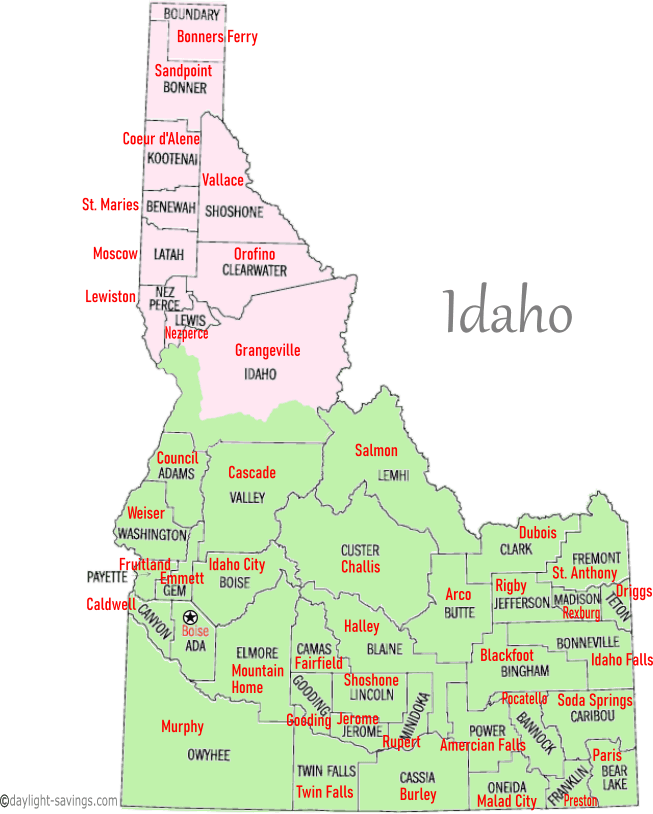
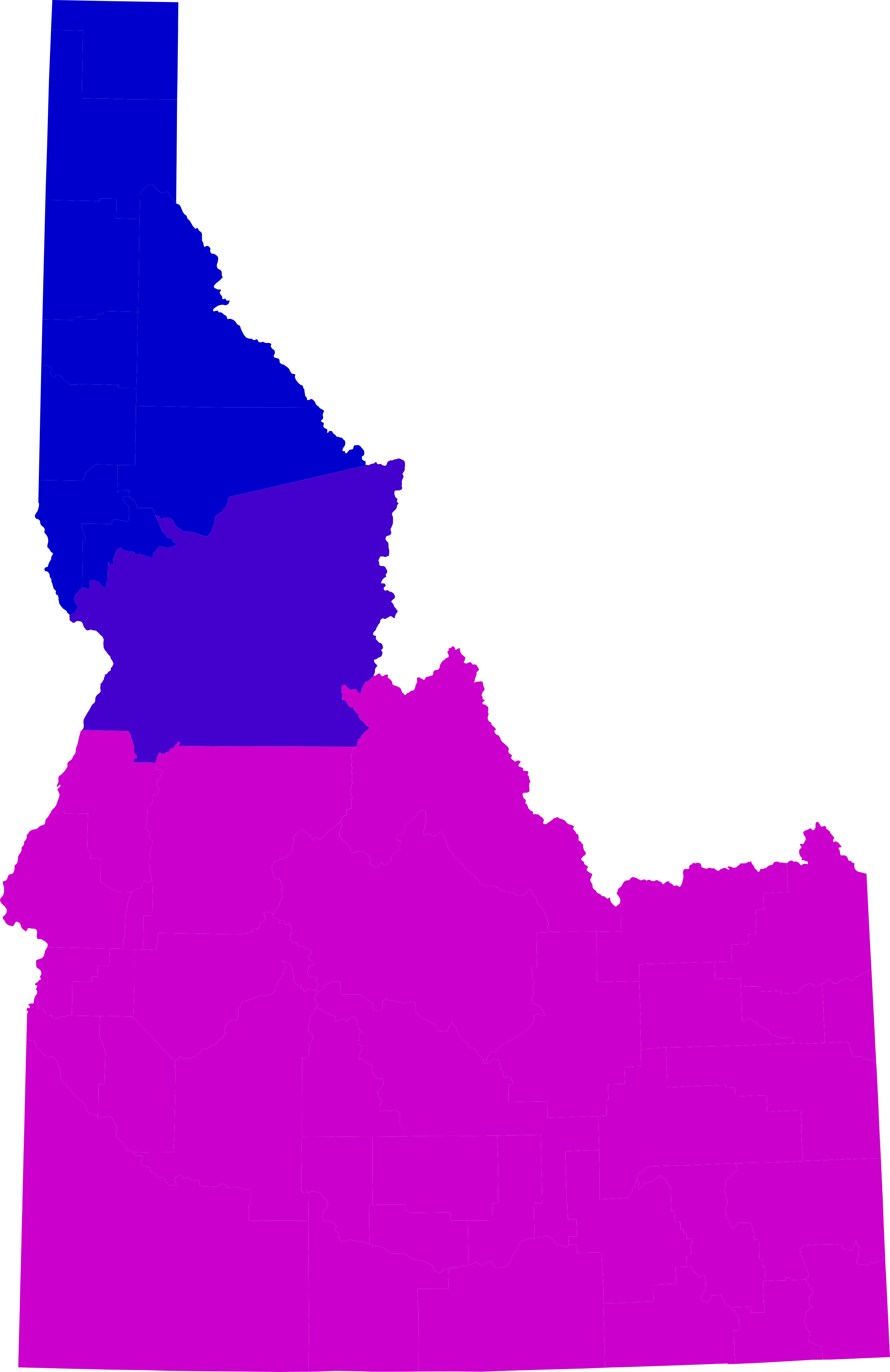
The seemingly simple question, “What time is it in Idaho now?” conceals a fascinating geographical truth. Unlike many states that reside entirely within a single time zone, Idaho gracefully straddles two distinct zones: the Mountain Time Zone (MT) and the Pacific Time Zone (PT). This division is not arbitrary but follows a natural boundary, predominantly the Salmon River Mountains, influencing a significant portion of the state’s daily rhythm.
Understanding Mountain and Pacific Time
The vast majority of Idaho, including its capital city, Boise, operates on Mountain Time. This means that if you’re planning a trip to the bustling downtown of Boise, the ski slopes of Sun Valley, or the scenic Snake River Plain around Idaho Falls, you’ll be adhering to MT. Mountain Time is typically seven hours behind Coordinated Universal Time (UTC-7) during standard time, shifting to UTC-6 during Daylight Saving Time.
However, the northern panhandle of Idaho, an area known for its pristine lakes and dense forests, falls under the Pacific Time Zone. This region includes popular destinations like Coeur d’Alene, Sandpoint, and Moscow. If your travel plans take you to the shores of Lake Coeur d’Alene or the university town of Moscow, you’ll be an hour behind the rest of the state, operating on PT (UTC-8 during standard time, UTC-7 during Daylight Saving Time).
For travelers, this dual time zone system necessitates careful consideration. Booking flights, reserving dinner tables, or scheduling important meetings across these zones requires double-checking. For instance, a flight departing Spokane International Airport in Washington state (which is in PT) and arriving in Boise (MT) will show an earlier arrival time on paper than the actual elapsed travel time due to the time difference. Always verify the local time of your specific destination within Idaho to avoid confusion and ensure a smooth start to your adventure.
Daylight Saving Time Considerations
Like most of the United States, Idaho observes Daylight Saving Time, which typically begins on the second Sunday in March and ends on the first Sunday in November. During this period, clocks are advanced by one hour. Both the Mountain Time and Pacific Time portions of Idaho adjust accordingly. This means that while the time difference between the two zones remains constant (one hour), the offset from UTC changes.
For the savvy traveler, being aware of these shifts is paramount. If your trip spans the start or end of Daylight Saving Time, it’s particularly important to re-confirm all schedules and reservations. Most modern smartphones and electronic devices automatically adjust their time, but it’s always wise to have a backup, such as a traditional watch or a quick online search, especially when crossing time zone boundaries within the state. Understanding these temporal intricacies is the first step in unlocking a stress-free exploration of Idaho’s myriad wonders.
Idaho: A Diverse Tapestry of Travel Experiences
Beyond its fascinating time zone dynamics, Idaho truly shines as an exceptional travel destination, offering a rich tapestry of experiences that cater to every lifestyle and interest. From rugged wilderness to vibrant urban centers, the Gem State invites visitors to discover its unique blend of natural beauty, cultural charm, and adventurous spirit.
Iconic Cities and Their Charms
Idaho’s cities serve as gateways to adventure and hubs of cultural activity.
Boise: The state capital, Boise, is a vibrant metropolis nestled against the foothills of the Rocky Mountains. Known for its thriving arts scene, burgeoning culinary landscape, and outdoor accessibility, Boise offers a perfect blend of urban sophistication and natural recreation. The Boise River Greenbelt, a 25-mile tree-lined pathway, is ideal for walking, cycling, and enjoying the scenic beauty of the Boise River. Visitors can explore the Old Idaho Penitentiary State Historic Site, wander through the Freak Alley Gallery for a dose of street art, or sample local craft beers at numerous breweries.
Sun Valley: A world-renowned resort town, Sun Valley is synonymous with luxury skiing and year-round outdoor activities. Home to Bald Mountain and Dollar Mountain, it offers pristine slopes for skiers and snowboarders of all levels. In warmer months, the area transforms into a haven for hikers, mountain bikers, and golfers. The iconic Sun Valley Lodge provides opulent accommodation and a taste of old-world glamour.
Coeur d’Alene: Located in the northern panhandle, Coeur d’Alene is a stunning lakefront city celebrated for its pristine waters and lush surroundings. Lake Coeur d’Alene offers endless opportunities for boating, swimming, fishing, and scenic cruises. The city boasts a charming downtown with art galleries, boutique shops, and exceptional dining. The Coeur d’Alene Resort, with its floating golf green and luxurious amenities, is a landmark unto itself, offering unparalleled views and service.
Idaho Falls: Situated along the Snake River, Idaho Falls serves as a gateway to some of the nation’s most iconic national parks, including Yellowstone and Grand Teton. The city itself is known for its picturesque riverwalk, beautiful Idaho Falls Temple of The Church of Jesus Christ of Latter-day Saints, and the serene Idaho Falls Riverwalk. It’s an excellent base for exploring eastern Idaho’s natural wonders.
Natural Wonders and Landmarks
Idaho’s landscape is a testament to nature’s artistry, featuring an astonishing array of landmarks and natural phenomena.
Shoshone Falls: Often referred to as the “Niagara of the West,” Shoshone Falls on the Snake River near Twin Falls is a breathtaking spectacle. Taller than Niagara Falls, its thundering cascades are particularly impressive during spring runoff, offering a powerful display of natural grandeur.
Craters of the Moon National Monument and Preserve: This otherworldly landscape is a stark reminder of Idaho’s volcanic past. Featuring vast lava flows, cinder cones, and lava tubes, Craters of the Moon offers a unique opportunity to explore a terrain that resembles the lunar surface. Hiking trails, scenic drives, and cave explorations provide an unforgettable experience for adventurers.
Sawtooth National Recreation Area: Spanning over 750,000 acres, the Sawtooth National Recreation Area encompasses jagged peaks, alpine lakes, and dense forests. It’s a paradise for hikers, campers, rock climbers, and photographers, offering pristine wilderness and unparalleled scenic beauty. The charming town of Stanley, located within the area, is a popular base for exploring this magnificent region.
Lake Coeur d’Alene: Beyond its urban namesake, Lake Coeur d’Alene is a natural landmark in itself. Its crystal-clear waters, surrounded by forested hills, make it a premier destination for water sports, fishing, and simply enjoying the serene beauty of the Pacific Northwest. Cruises on the lake provide stunning vistas and opportunities to spot wildlife.
Your Stay in the Gem State: Accommodation and Lifestyle
Choosing the right accommodation is key to enhancing any travel experience, and Idaho presents a diverse array of options to suit every preference and budget. Coupled with a vibrant tapestry of lifestyle choices, your Idaho journey can be as unique as you envision.
From Luxury Resorts to Cozy Stays
Idaho’s hospitality sector is as varied as its landscape. For those seeking opulence and indulgence, luxury resorts like The Coeur d’Alene Resort or the historic Sun Valley Lodge offer world-class amenities, gourmet dining, and impeccable service. These establishments are perfect for a romantic getaway, a pampered spa retreat, or a lavish family vacation. They often come equipped with golf courses, private beaches, and ski-in/ski-out access, ensuring every comfort is met.
For travelers who prefer a more intimate or self-sufficient experience, Idaho offers a plethora of boutique hotels, charming bed and breakfasts, and fully furnished apartments or villas available for short-term rentals. These options provide a home-away-from-home feel, often with local character and personalized touches. Many are conveniently located near tourist attractions or offer easy access to outdoor recreation. For adventure enthusiasts, cabins and rustic lodges in areas like the Sawtooth National Recreation Area or near McCall provide unparalleled access to nature, allowing guests to immerse themselves in the tranquility of the wilderness.
When considering your stay, leverage online booking platforms and read reviews to find the perfect fit. Pay attention to listed amenities like Wi-Fi, pet-friendliness, or proximity to specific activities to ensure your accommodation complements your travel style.
Tailoring Your Idaho Adventure
Idaho’s appeal lies in its versatility, allowing travelers to curate experiences that align perfectly with their interests.
Luxury Travel: Indulge in private guided fly-fishing excursions, enjoy exclusive access to prime ski slopes, or relax at high-end resorts with all-inclusive spa treatments.
Budget Travel: Explore Idaho’s abundant national forests and state parks with camping or affordable cabin rentals. Hike scenic trails, enjoy picnics by alpine lakes, and discover charming small towns without breaking the bank.
Family Trips: Idaho is fantastic for families, offering endless outdoor activities like rafting on the Payette River, exploring geological wonders at Craters of the Moon, or enjoying water parks and lake adventures in Coeur d’Alene. Many hotels and resorts offer family-friendly amenities and kids’ programs.
Business Stays: For those on a business trip, cities like Boise and Idaho Falls offer modern hotels with conference facilities, high-speed internet, and convenient access to local corporate centers, often with opportunities to blend work with a touch of local exploration.
Beyond specific travel styles, Idaho’s local culture and food scene are integral to the experience. While famous for its potatoes, Idaho offers much more: savor wild huckleberry treats, explore farm-to-table restaurants in Boise, and sample craft beers from local breweries. Engage with the friendly locals, participate in community events, and truly immerse yourself in the authentic charm of the Gem State.
Essential Tips for Planning Your Idaho Journey
A successful trip to Idaho, or anywhere for that matter, hinges on meticulous planning. While the allure of spontaneous adventure is undeniable, a well-thought-out itinerary, especially one that accounts for practicalities like time zones, can significantly enhance your experience.
Mastering the Time Difference
Reiterating the initial query of “What time is it in Idaho now?” underscores its importance. Always confirm the specific time zone of your destination within Idaho, especially if your travel involves crossing the Mountain Time Zone and Pacific Time Zone boundary. Utilize reliable online time zone converters or your smartphone’s world clock feature to keep track. If you’re coordinating with people in different parts of the state, clearly communicate which time zone you’re referring to (e.g., “Meet at 10 AM MT” or “11 AM PT”). This simple precaution can prevent missed appointments, late arrivals, and unnecessary stress.
For longer stays, or if you’re sensitive to time changes, consider gradually adjusting your sleep schedule a day or two before your trip. Hydration and light meals can also help mitigate the effects of minor time shifts, allowing you to quickly immerse yourself in Idaho’s rhythm.
Beyond the Clock: Maximizing Your Visit
Once you’ve mastered the temporal nuances, you can focus on optimizing your Idaho adventure.
Best Times to Visit: Idaho is a year-round destination, but the “best” time depends on your desired activities. Summer (June to August) is ideal for hiking, water sports, and exploring national parks. Fall (September to October) brings stunning foliage, pleasant temperatures, and fewer crowds. Winter (November to March) is perfect for skiing, snowboarding, and cozy lodge stays. Spring (April to May) offers blooming wildflowers and powerful waterfalls, though some higher elevation trails may still be snow-covered.
Packing Essentials: Given Idaho’s diverse climates and outdoor focus, versatile packing is crucial. Layers are key, even in summer, as mountain evenings can be cool. Depending on the season, bring appropriate gear for hiking, swimming, or skiing. Don’t forget sunscreen, insect repellent, and a good pair of walking shoes. For any wilderness exploration, carrying a map, compass or GPS device, and plenty of water is always recommended.
Transportation within Idaho: While rental cars offer the most flexibility for exploring Idaho’s scenic drives and remote areas, major cities like Boise and Coeur d’Alene have local transit options. For longer distances, domestic flights connect larger cities, and intercity bus services are also available. Planning your transportation in advance, especially for journeys to less accessible landmarks, will ensure a smoother trip.
Engaging with Local Culture: Beyond its natural beauty, Idaho offers a rich cultural tapestry. Seek out local farmers’ markets, attend community festivals, and visit regional museums to learn about the state’s pioneer history, Native American heritage, and thriving arts scene. Sampling local delicacies, interacting with residents, and supporting local businesses will provide a deeper, more authentic travel experience.
In conclusion, while the question “What time is it in Idaho now?” may seem straightforward, it opens the door to understanding the diverse geographical and practical considerations of traveling in the Gem State. By mastering its time zones and embracing the wealth of travel, accommodation, and tourism experiences Idaho offers, you’re set to embark on an unforgettable journey through one of America’s most underrated and beautiful states.
LifeOutOfTheBox is a participant in the Amazon Services LLC Associates Program, an affiliate advertising program designed to provide a means for sites to earn advertising fees by advertising and linking to Amazon.com. Amazon, the Amazon logo, AmazonSupply, and the AmazonSupply logo are trademarks of Amazon.com, Inc. or its affiliates. As an Amazon Associate we earn affiliate commissions from qualifying purchases.