
Planning a trip to the Gem State often involves myriad considerations: where to stay, what to see, and how to make the most of your adventure. However, one fundamental detail that can significantly impact your travel experience, especially in a state as geographically diverse as Idaho, is understanding its time zones. So, what time is it in Idaho right now? The answer is not as simple as a single clock face, as this captivating state spans two distinct time zones, presenting unique considerations for travelers, residents, and anyone coordinating activities within its borders.
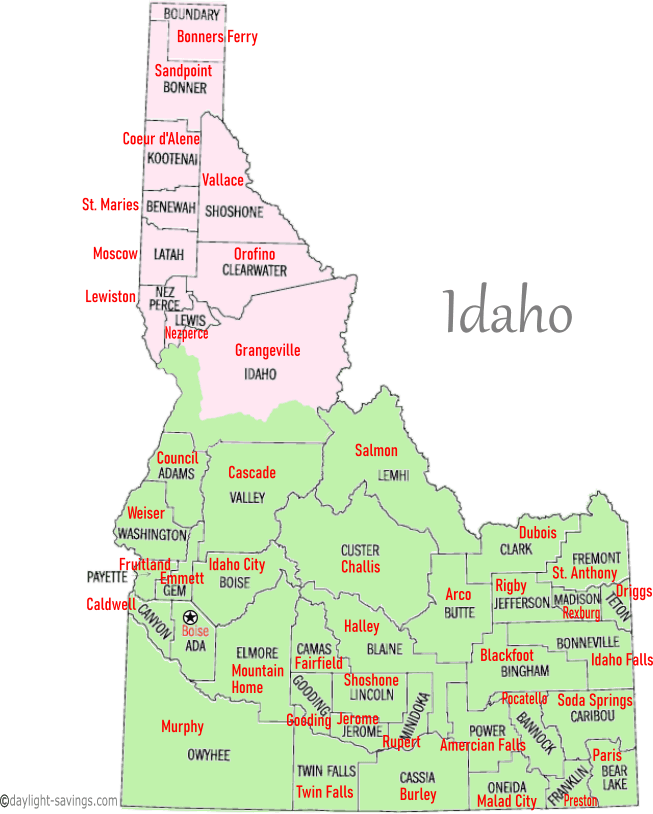
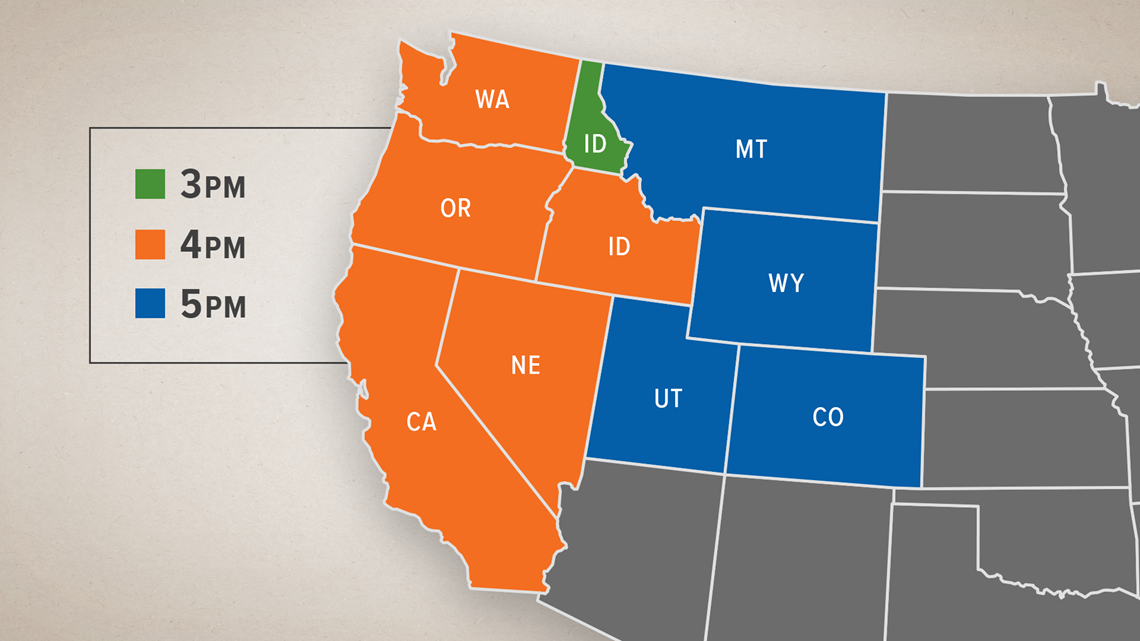
Idaho’s unique time division means that at any given moment, different parts of the state operate on different clocks. Most of Idaho, particularly the southern regions including the capital city of Boise, observes the Mountain Time Zone (MT). This is typically seven hours behind Coordinated Universal Time (UTC-7) during Standard Time and six hours behind (UTC-6) during Daylight Saving Time. However, the northern panhandle of Idaho, which borders Washington State and Oregon, operates on the Pacific Time Zone (PT), which is eight hours behind UTC (UTC-8) during Standard Time and seven hours behind (UTC-7) during Daylight Saving Time. This geographical split, primarily along the Salmon River, is crucial for anyone engaging with travel, tourism, accommodation, and lifestyle experiences throughout the state. Understanding this dual time system is the first step toward a seamless and stress-free Idaho adventure, ensuring you’re always on schedule whether you’re hiking through the Sawtooth Mountains or enjoying a lakeside retreat in Coeur d’Alene.
Navigating Idaho’s Dual Time Zones
The presence of two time zones within a single state can initially seem perplexing, but it’s a geographical reality that offers a fascinating insight into Idaho’s character and its connections to neighboring states. For travelers and those planning activities, grasping this division is paramount to avoiding missed appointments, late check-ins, or simply showing up at the wrong time for an anticipated experience.
Understanding the Geographic Split
The vast majority of Idaho falls within the Mountain Time Zone. This includes major cities and popular destinations such as Boise, Pocatello, Idaho Falls, and Twin Falls. Travelers exploring southern Idaho’s agricultural landscapes, volcanic formations like Craters of the Moon National Monument and Preserve, or the ski resorts of Sun Valley will primarily operate on Mountain Time.
Conversely, the Idaho Panhandle, the slender strip of land extending north between Washington and Montana, observes the Pacific Time Zone. This region encompasses charming cities like Coeur d’Alene, Sandpoint, Lewiston, and Moscow. If your travel plans take you to the stunning Lake Coeur d’Alene, the Palouse region’s rolling hills, or the scenic beauty of Priest Lake, you’ll be on Pacific Time. The boundary roughly follows the Salmon River to its confluence with the Snake River, then extends northward, making cities like Grangeville and Riggins key transition points. Travelers driving north or south through the state should be mindful of this invisible line where clocks shift by an hour.

Daylight Saving Time Considerations
Like most of the United States, Idaho observes Daylight Saving Time. This means that on the second Sunday in March, clocks “spring forward” one hour, and on the first Sunday in November, they “fall back” one hour. During this period, Mountain Time becomes Mountain Daylight Time (MDT), and Pacific Time becomes Pacific Daylight Time (PDT). While the difference between the two Idaho time zones remains consistently one hour, it’s essential to remember that the absolute offset from UTC changes. This is particularly relevant when coordinating with individuals or businesses outside of Idaho or planning calls across different global regions.
Practical Tips for Travelers
For visitors to Idaho, staying aware of the time zones can prevent minor inconveniences from becoming major headaches.
- Check Your Devices: Most modern smartphones and digital devices automatically adjust to the local time zone when connected to cellular networks or Wi-Fi. However, it’s always wise to double-check, especially if you’re venturing into remote areas with spotty service.
- Verify for Bookings: When booking accommodations, tours, or restaurant reservations, always confirm the local time zone of the service provider. A 7:00 PM reservation in Coeur d’Alene is an hour earlier than a 7:00 PM reservation in Boise if you’re mentally staying on one clock.
- Cross-Zone Travel: If you plan to travel between the panhandle and the southern part of the state, factor in the one-hour time change. A drive from Boise to Lewiston, for example, will not only involve mileage but also a change in time by an hour. This can affect arrival times for meetings or check-ins.
- Communication: When communicating with friends, family, or business contacts across time zones, explicitly state the time zone to avoid confusion (e.g., “Let’s meet at 9 AM [Mountain Time]”).
Time and Travel Planning: Optimizing Your Idaho Experience
Knowing the correct local time in Idaho goes far beyond simple curiosity; it’s a cornerstone of effective travel planning. From the moment you book your flight to the last souvenir you purchase, time zones play a subtle yet significant role in shaping your itinerary and overall experience.
Synchronizing Your Itinerary
Successful travel planning hinges on meticulous synchronization. When flying into Idaho, particularly into airports like Boise Airport (BOI) or Spokane International Airport (GEG), which serves the panhandle, understanding the local time is essential for smooth arrivals. A flight landing at 2:00 PM Pacific Time in Spokane means you’ll still be arriving at 2:00 PM Pacific Time if your destination is Coeur d’Alene. However, if your ultimate goal is Boise via a connecting flight, that 2:00 PM Pacific Time arrival transforms into a 3:00 PM Mountain Time arrival in Boise – a crucial distinction for subsequent plans.
Hotel check-in times, typically in the afternoon, are always based on the local time of the property. Likewise, pre-booked tours, excursions, or dining reservations are all scheduled according to the local clock. Misinterpreting the time zone could lead to missing a white-water rafting trip on the Snake River or arriving late for a tasting at an Idaho winery. A well-planned itinerary accounts for these shifts, ensuring a seamless transition from one activity to the next.
Attractions and Operating Hours
Idaho boasts an incredible array of attractions, from breathtaking national parks and monuments to charming local museums and vibrant downtown districts. The operating hours for these attractions are strictly bound by their local time zones. For instance, the visitor center at Craters of the Moon National Monument and Preserve in central Idaho will follow Mountain Time. In contrast, the Museum of North Idaho in Coeur d’Alene will adhere to Pacific Time.
Even seemingly minor details, like grocery store hours or the opening times for local shops and art galleries, are time-zone dependent. If you’re planning a scenic drive and hope to stop for supplies or browse unique crafts in a town along the way, confirm their hours based on their specific time zone. This vigilance ensures you don’t arrive after closing, missing out on local flavors or crucial provisions for your journey through Idaho’s diverse landscapes.
Coordinating with Local Services
Whether you’re booking a rental car, arranging for a guided fishing trip on the Payette River, or scheduling a spa appointment at a luxury resort, effective coordination with local services relies entirely on accurate timekeeping. Communication with these providers should always clarify the time zone, especially if you are making arrangements from an area outside of Idaho or across its internal time divide.
For instance, if you’re flying into Boise (Mountain Time) and planning a business meeting with a client in Lewiston (Pacific Time), a 10:00 AM meeting would mean leaving Boise much earlier than you might initially calculate if you forget the one-hour shift. This level of detail extends to every facet of your trip, from confirming airport shuttle pick-up times to arranging special requests with your chosen accommodation.
Accommodation and Hospitality Across Idaho’s Clocks
The hospitality sector in Idaho is keenly aware of the state’s dual time zones, but as a guest, it remains your responsibility to adhere to the local clock of your chosen lodging. Whether you opt for a boutique hotel in Boise, a rustic cabin near Lake Pend Oreille, or a luxury resort in Sun Valley, the rhythm of your stay will be dictated by the local time zone.
Hotel Check-in/Check-out Logistics
Standard hotel check-in times are typically in the mid-afternoon (e.g., 3:00 PM or 4:00 PM), and check-out times are usually around noon. These times are always local to the hotel’s location. If you’re arriving from a different time zone, particularly if you’ve crossed from Pacific Time into Mountain Time or vice versa, this can impact your perceived arrival or departure time. An early morning flight into Boise from Seattle (both on Pacific Time during non-DST, but Boise is Mountain Time) means a potential one-hour jump forward, requiring you to adjust your internal clock for an accurate check-in estimation. Many hotels offer early check-in or late check-out options, but these are always subject to availability and local time constraints. Clear communication with your accommodation provider, especially regarding arrival and departure times, is crucial for a smooth experience.
Resort Activities and Dining Schedules
Idaho’s resorts, from the high-end ski lodges of Sun Valley to the lakeside havens of Coeur d’Alene, offer a wide array of activities, dining experiences, and amenities. These are all scheduled according to the local time of the resort. Spa treatments, golf tee times, guided excursions, and even the opening and closing hours of the resort’s restaurants and bars will strictly follow the local clock.
Imagine planning a romantic dinner at a fine dining restaurant within your resort at 7:00 PM. If you’ve just driven from a different time zone and haven’t reset your clock, you could potentially miss your reservation or arrive an hour early, disrupting your plans. The same applies to scheduled fitness classes, children’s programs, or evening entertainment. Always confirm the local time and adjust your internal clock to fully immerse yourself in the resort experience.
Business Travel Considerations
For business travelers, time zone awareness in Idaho adds another layer of complexity. Coordinating meetings, conference calls, and presentations across the state’s two time zones, or with colleagues in other parts of the country, requires meticulous planning. A conference call scheduled for 11:00 AM Mountain Time will be at 10:00 AM for participants in Pacific Time Idaho and could be 1:00 PM on the East Coast. Clear communication of the specific time zone for all scheduled business engagements is absolutely essential to ensure everyone is on the same page and no critical deadlines or discussions are missed. Business travelers should also consider the impact of time changes on their body clock, minimizing jet lag-like symptoms to maintain peak performance during their stay.
Lifestyle and Leisure: Making the Most of Idaho Time
Idaho’s diverse landscapes and vibrant communities offer a myriad of lifestyle and leisure opportunities. From rugged outdoor adventures to cultural immersions, the timing of your activities is intrinsically linked to the local clock and the natural rhythms of the day.
Outdoor Adventures and Natural Landmarks
The Gem State is a paradise for outdoor enthusiasts. Whether you’re planning to hike in the Sawtooth National Recreation Area, fish in the legendary Henry’s Fork of the Snake River, or ski the slopes of Schweitzer Mountain Resort, daylight hours play a critical role. Understanding the local time dictates when the sun rises and sets, directly impacting the safe and enjoyable window for many activities. A sunrise hike requires knowing the exact local sunrise time, which will vary between Mountain Time and Pacific Time regions. Similarly, afternoon kayaking on Lake Coeur d’Alene needs to conclude before dusk, again informed by the local Pacific Time sunset. For activities in remote areas, knowing the time is also vital for coordinating with emergency services if needed. Checking ranger station hours or trailhead opening times, which adhere to local time, is also a must for safe and compliant wilderness exploration.
Local Culture, Food, and Events
Idaho’s rich local culture, burgeoning food scene, and diverse events are often experienced during specific windows of the day or night. Local farmers’ markets, often held on Saturday mornings, will adhere to their specific time zone. Evening concerts in Boise’s Freak Alley Gallery or a live music performance in a Sandpoint pub will all kick off at their respective local times. To fully immerse yourself in Idaho’s unique offerings, from tasting Idaho potato dishes to attending a local festival, it’s essential to confirm event schedules and dining hours based on the specific location’s time zone. This simple practice ensures you don’t miss out on vibrant local experiences that define Idaho’s charm.
Time Zone Awareness for Remote Work or Long-Term Stays
For those considering a long-term stay in Idaho or working remotely from within the state, time zone awareness becomes a part of daily life. Professionals balancing work with colleagues or clients in different time zones must consistently manage their schedules to accommodate these differences. This could mean adjusting daily routines to align with East Coast business hours from a Mountain Time location or vice versa. For long-term visitors or new residents, understanding the local rhythm of life – when businesses open, when traffic peaks, when community events take place – is key to integrating smoothly into Idaho’s lifestyle, whether they find themselves on Pacific Time or Mountain Time.
In conclusion, “What time is it in Idaho right now?” is a question that opens the door to a deeper understanding of planning and experiencing this magnificent state. Idaho’s split across the Mountain and Pacific Time Zones is a unique characteristic that, once understood, becomes a manageable aspect of travel and daily life. By exercising a little diligence and always confirming the local time for your chosen destinations and activities, you can ensure a seamless, enjoyable, and memorable journey through the heart of the Pacific Northwest. Embrace the clocks, and Idaho will reward you with unparalleled beauty and adventure.
LifeOutOfTheBox is a participant in the Amazon Services LLC Associates Program, an affiliate advertising program designed to provide a means for sites to earn advertising fees by advertising and linking to Amazon.com. Amazon, the Amazon logo, AmazonSupply, and the AmazonSupply logo are trademarks of Amazon.com, Inc. or its affiliates. As an Amazon Associate we earn affiliate commissions from qualifying purchases.