
Understanding the temporal landscape of Louisiana is the first step in planning a seamless journey through this culturally vibrant state. Whether you are arriving for a jazz-infused weekend in New Orleans or heading to the historic capital of Baton Rouge, knowing the local time is essential for synchronizing your itinerary with the rhythmic pulse of the United States Central Time Zone.
Navigating the Central Time Zone in Louisiana
Louisiana operates entirely within the Central Time Zone (CT). This consistency is a major advantage for travelers moving between its diverse regions, as you do not need to worry about shifting clocks while driving from the bustling streets of the French Quarter to the serene swamplands of Lafayette.
The Mechanics of Central Standard Time and Daylight Saving
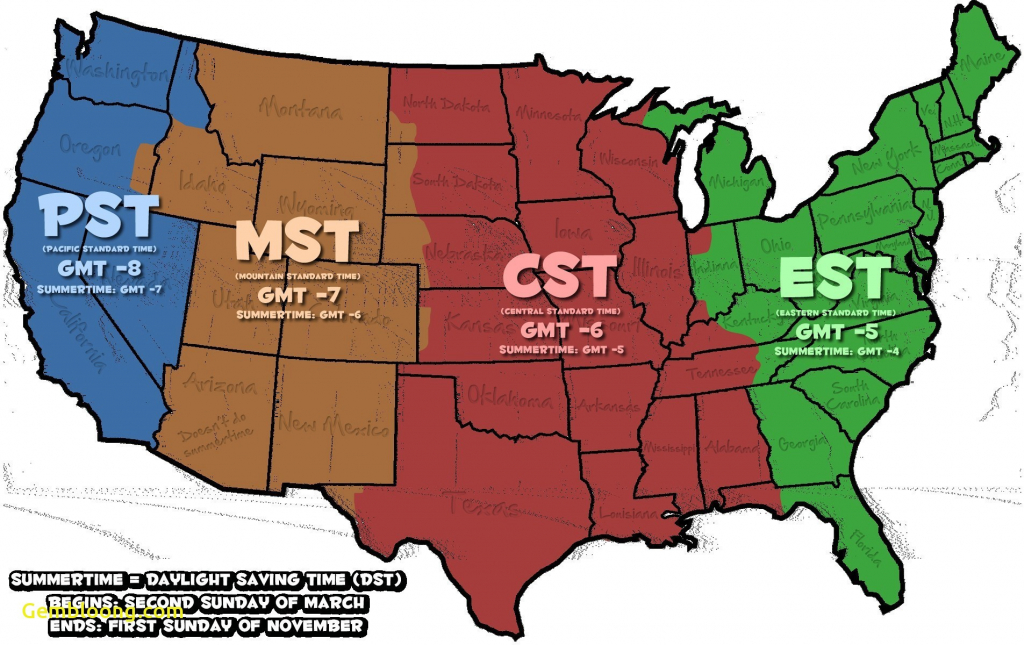
During the winter months, the state adheres to Central Standard Time (CST), which is six hours behind Coordinated Universal Time (UTC-6). However, like most of the country, Louisiana participates in Daylight Saving Time (DST). On the second Sunday in March, clocks “spring forward” to Central Daylight Time (CDT), shifting the state to UTC-5. This transition remains in effect until the first Sunday in November, when the clock “falls back” to standard time.
Understanding this shift is particularly important for international travelers or those visiting from the Pacific or Eastern regions of the United States. If you are flying into Louis Armstrong New Orleans International Airport, checking the current local time ensures you catch your ground transportation connections without delay.
Synchronization Across the Bayou State
One of the most appealing aspects of traveling through Louisiana is the lack of regional time zones. Unlike states that straddle boundary lines, Louisiana maintains uniform timekeeping from the Gulf of Mexico in the south to the northern border with Arkansas. This unity simplifies logistics for travelers planning road trips across the Atchafalaya Basin or visiting landmarks like the Tabasco Factory on Avery Island.
Planning Your Itinerary Around Local Time
Because Louisiana functions on Central Time, your ability to schedule activities effectively depends on aligning your internal clock with the local pace of life. The state’s culture is deeply tied to time-sensitive events, from the bustling morning markets to the late-night jazz sets on Frenchmen Street.
Morning Rituals and Peak Attraction Hours
To make the most of your time in New Orleans, it is recommended to start your day early. The popular Café du Monde sees long queues by mid-morning, so arriving when the doors open—often in the early hours—allows you to beat the crowd and the heat. Similarly, visiting historical sites such as Oak Alley Plantation is best done as soon as they open their gates, usually around 9:00 AM Central Time, to enjoy the grounds before the midday sun intensifies.
The Rhythms of Evening Entertainment
The nightlife in Louisiana is legendary, but it does not truly ignite until well after the sun sets. If you are dining at a high-end establishment like Commander’s Palace, be aware that dinner reservations are a central part of the social clock. In the Garden District, evenings are savored, and rushing is discouraged. Recognizing that the local pace is deliberate helps you sync with the relaxed, Southern atmosphere that defines the region.
The Importance of Time Zones for Domestic and International Travel
For those coordinating flights or long-distance train journeys, such as taking the Amtrak line into Union Passenger Terminal, the Central Time designation is critical.
Coordinating Travel Connections
When you are moving across time zones, it is easy to miscalculate your arrival time. If you are traveling from New York City or Washington D.C. on the East Coast, you are crossing into a time zone one hour behind. Always verify your flight’s arrival time using the local time in Louisiana. Relying on your phone’s automatic update is generally safe, but having a physical watch or a manual check of the time is a prudent habit for the cautious traveler.
Managing Jet Lag and Time Adaptation
For international visitors arriving from Europe or Asia, the adjustment to Central Time can be significant. To mitigate fatigue, it is best to align your activities with the local time immediately upon landing. Spend your first afternoon exploring the City Park or walking along the Mississippi River rather than booking high-intensity tours. This allows your body to acclimate to the Louisiana light cycle while experiencing the state’s natural beauty at a manageable pace.
Seasonal Daylight Variations
Beyond the standard clock shift, Louisiana experiences significant variations in daylight duration throughout the year. These shifts influence how you should schedule your outdoor excursions.
Maximizing Summer Daylight
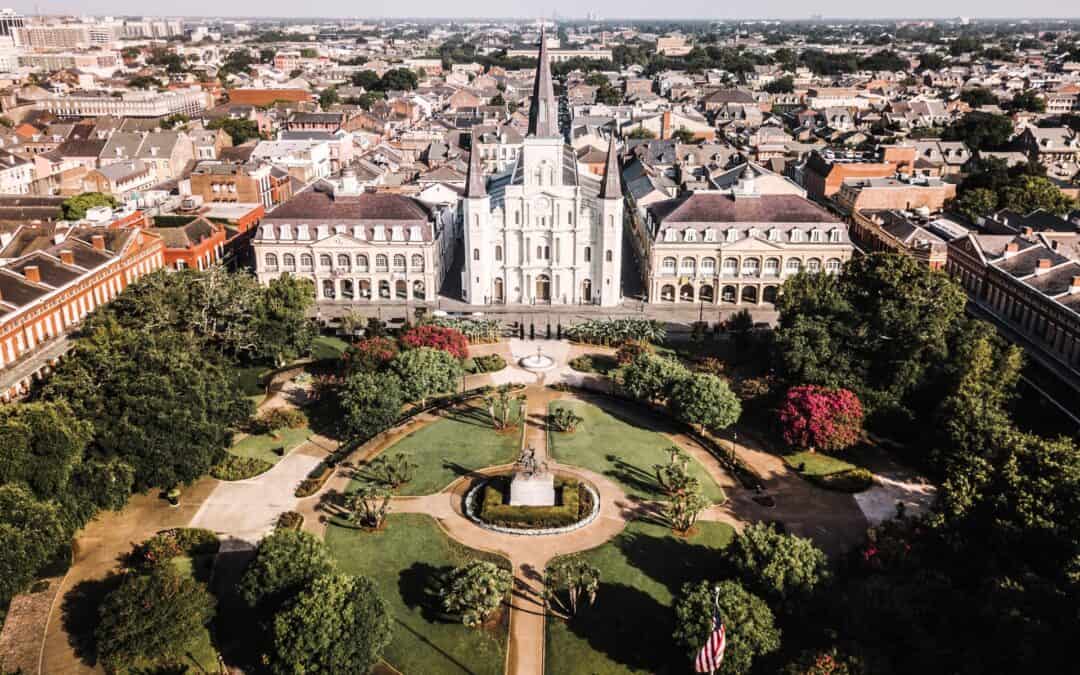
During the summer months, the sun sets quite late, often after 8:00 PM. This provides extended hours to explore the Jean Lafitte National Historical Park and Preserve or enjoy outdoor festivals. If you are traveling during the warmer half of the year, prioritize late afternoon activities to take advantage of the Golden Hour, which provides the best lighting for photography around the St. Louis Cathedral.
Winter Twilight and Evening Planning
Conversely, winter days in Louisiana are shorter. By late December, the sun may dip below the horizon before 5:30 PM. While this may shorten your time for outdoor hiking in the Kisatchie National Forest, it ushers in the cozy, festive atmosphere for which the state is famous. Evenings during this time are best spent in the warmth of historic inns or listening to live music in cozy, indoor venues where the passage of time seems to slow down entirely.

Final Tips for Time Management in Louisiana
Ultimately, the best advice for keeping track of time in Louisiana is to embrace the local philosophy. While it is vital to be on time for tours, flights, and dinner reservations, the state is renowned for its “laissez les bons temps rouler”—let the good times roll—mentality.
- Always verify the time: Use a reliable weather app or search engine that automatically detects your IP location to confirm the current Central Time.
- Buffer your schedule: Give yourself 15 to 30 minutes of “cushion” time when navigating between major landmarks like Jackson Square and the National World War II Museum.
- Check operation hours: Many smaller, family-owned businesses in rural areas or towns like Natchitoches may have shorter operating hours than those in larger urban centers. A quick call ahead can save you a wasted trip.
By staying mindful of the Central Time Zone and adjusting your schedule to accommodate the natural daylight variations, you will find that your trip to Louisiana flows with the effortless grace of the Bayou Teche. Enjoy every minute, whether you are savoring a late-night gumbo or waking up for a sunrise over the levees.
LifeOutOfTheBox is a participant in the Amazon Services LLC Associates Program, an affiliate advertising program designed to provide a means for sites to earn advertising fees by advertising and linking to Amazon.com. Amazon, the Amazon logo, AmazonSupply, and the AmazonSupply logo are trademarks of Amazon.com, Inc. or its affiliates. As an Amazon Associate we earn affiliate commissions from qualifying purchases.