
When travelers ask, “What time is it in Manhattan, Kansas?” they are usually seeking more than just a numerical value on a clock. While the literal answer is that the city operates within the Central Time Zone of the United States, the metaphorical answer is far more compelling. In this vibrant corner of North America, it is always the right time to experience a blend of collegiate energy, pioneering history, and the breathtaking natural beauty of the Flint Hills.
Manhattan, affectionately known as “The Little Apple,” serves as a cultural and economic hub for the region. Unlike its towering namesake, New York City, this Manhattan offers a pace of life that is both rhythmic and relaxed. It is a place where the seasons dictate the activities, where “Purple Pride” is a way of life, and where the sunset over the tallgrass prairie provides a daily spectacle that rivals any urban skyline.

Understanding the Rhythm of the Little Apple
The passage of time in Manhattan is deeply influenced by its dual identity as a historic prairie settlement and a modern university town. To understand the local culture, one must first appreciate how these two worlds coexist.
The Influence of Kansas State University
For many, the heartbeat of the city is Kansas State University. Founded in 1863, the university has shaped the demographics and the spirit of the town. During the academic year, the population swells with students, bringing an infectious energy to the streets. On Saturdays in the fall, time is measured in quarters at the Bill Snyder Family Stadium. The town transforms into a sea of purple, and the “Wabash Cannonball” becomes the unofficial anthem of the weekend.
Beyond athletics, the university contributes to a sophisticated local culture. The Marianna Kistler Beach Museum of Art offers a contemplative space where time slows down, allowing visitors to appreciate the regional art of the Kansas landscape. The academic calendar dictates the ebb and flow of the city’s commerce, making summer a peaceful time for those looking to explore without the collegiate crowds.
A Brief History of the Flint Hills
To truly understand what “time” it is in this region, one must look back thousands of years. Manhattan is situated in the heart of the Flint Hills, the last significant preserve of tallgrass prairie in the world. The limestone and shale layers beneath the soil have prevented the land from being plowed, preserving a landscape that looks much as it did when the first settlers arrived.
Visitors can experience this deep history at the Flint Hills Discovery Center. This immersive facility uses interactive exhibits to explain the geology, biology, and cultural history of the region. It highlights the importance of the controlled burns—a tradition that dates back to Native American practices—which rejuvenate the prairie every spring. In Manhattan, the passage of time is marked by these annual cycles of fire and growth.
Navigating the Cultural Landscape
The tourism scene in Manhattan is a curated mix of outdoor adventure and refined indoor exploration. Whether you are a solo traveler, a family, or a history buff, the city offers a variety of ways to spend your hours.
Exploring the Flint Hills and Beyond
Outdoor enthusiasts find that time flies when exploring the rugged beauty surrounding the city. The Konza Prairie Biological Station, located just a few miles south of town, offers hiking trails that provide panoramic views of the rolling hills. Here, the only sound you might hear is the wind rushing through the grass, a stark contrast to the bustle of the city center.
For those who prefer a more structured outdoor experience, the Sunset Zoo is a local treasure. Known for its conservation efforts and beautiful landscaping, it is an ideal spot for families to spend an afternoon. Additionally, Tuttle Creek Lake provides ample opportunities for boating, fishing, and camping. The lake area is particularly popular during the summer months, serving as a cooling retreat for residents from Topeka and Wichita.
Arts and Entertainment in Aggieville
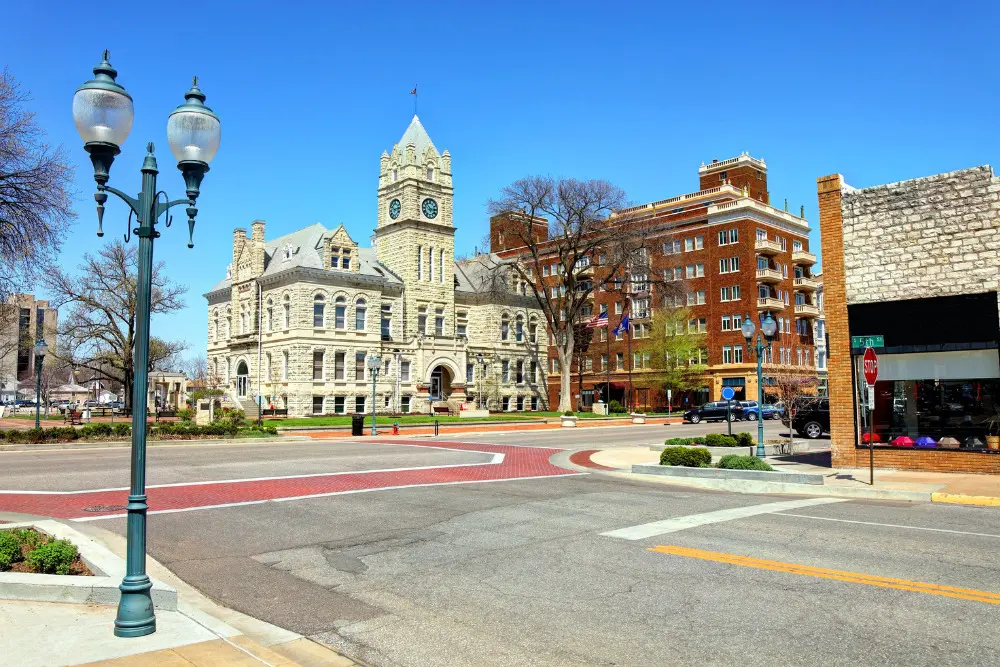
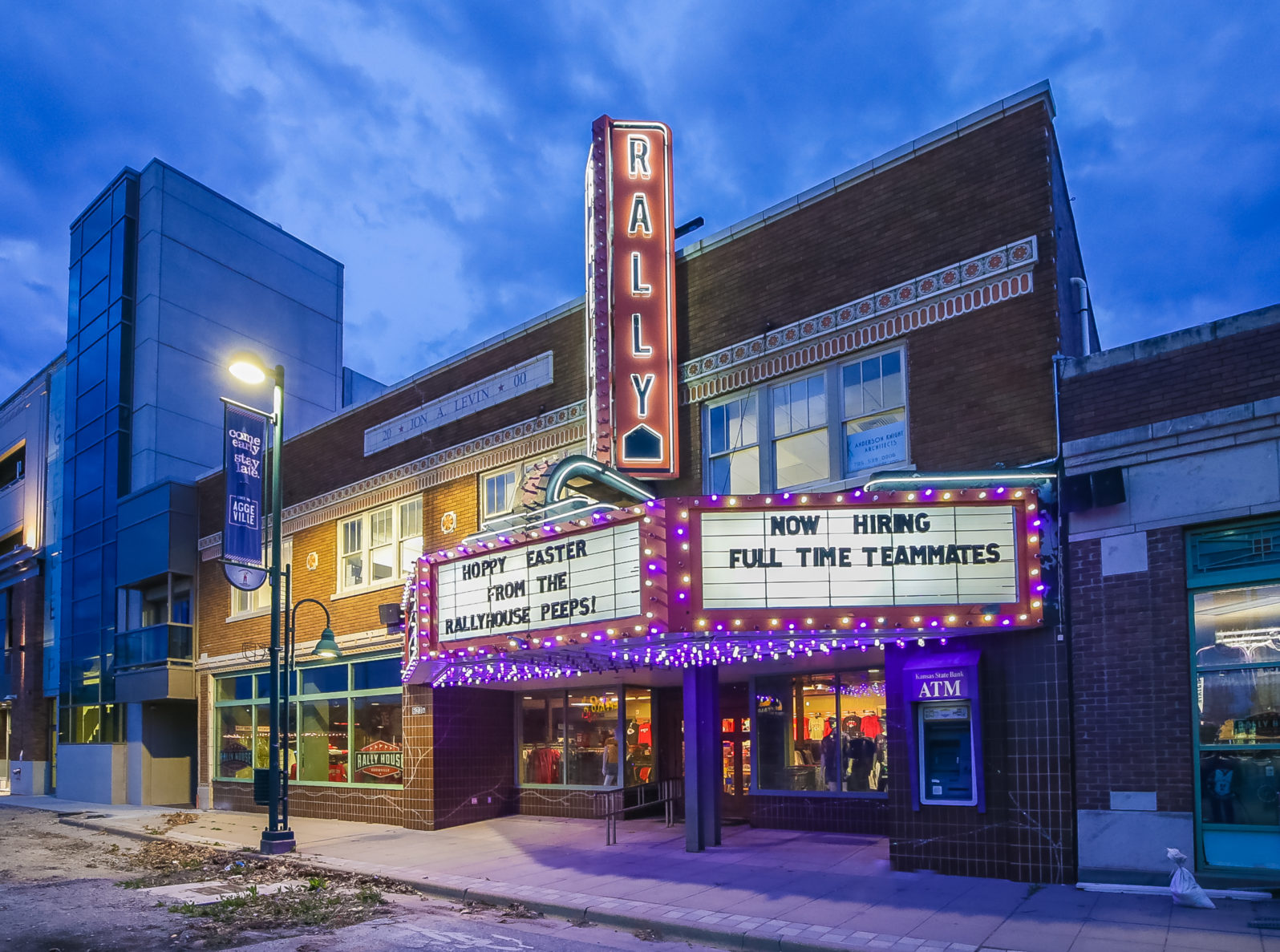
No trip to Manhattan is complete without a visit to Aggieville. Established in 1889, it is the oldest shopping and entertainment district in Kansas. While it is famous for its nightlife, Aggieville is also a daytime destination for boutique shopping and casual dining.
The district captures the essence of the city’s evolution. You can find historic architecture housing modern tech startups or traditional bookstores sitting next to trendy coffee shops. Throughout the year, Aggieville hosts numerous festivals, including the “Little Apple New Year’s Eve” celebration, where a giant lighted apple is dropped to ring in the new year—a nod to the city’s big-city cousin but with a distinctly Midwestern flair.
A Culinary Journey Through the Heartland
Food is a central part of the Manhattan experience, reflecting the city’s agricultural roots and its contemporary tastes. In this city, mealtime is an opportunity to celebrate local ingredients and communal spirit.
Iconic Dining and Local Favorites
Breakfast in Manhattan often starts at The Chef Cafe, a local institution known for its creative takes on classic comfort food. The wait for a table is a local rite of passage, often spent chatting with neighbors on the sidewalk. For something quicker but equally legendary, Varsity Donuts in Aggieville is a must. Whether you are grabbing a “Maple Bacon” donut in the morning or visiting their food truck in the alley late at night, it is a staple of the local diet.
As the day progresses, the dining scene shifts toward the diverse offerings of downtown. Bourbon & Baker provides a sophisticated small-plate experience that combines Southern hospitality with Midwestern ingredients. Meanwhile, the Tallgrass Tap House offers a rooftop view of the city alongside craft beers brewed on-site, showcasing the thriving craft beverage culture that has taken hold in the Great Plains.
Craft Beverages and Nightlife
The “time” for relaxation often involves exploring the local brewery and distillery scene. Manhattan has seen a surge in local artisans who are reclaiming the state’s pre-prohibition history of spirit production. Engaging with local brewers and distillers offers insight into the city’s entrepreneurial spirit. Many of these establishments serve as community living rooms, where people of all ages gather for trivia nights, live music, and conversation.
Planning Your Visit: Tips and Practicalities
To make the most of your time in Manhattan, a little bit of planning goes a long way. The city is accessible, but its character changes significantly depending on when you arrive.
Seasonal Events and Festivals
If you want to experience the peak of Manhattan energy, aim for a weekend during the Big 12 Conference football season. However, be prepared for high demand and a city that is bustling with activity. For those seeking a quieter, more nature-focused trip, late spring (April and May) is ideal. This is when the Flint Hills turn a vibrant, neon green following the annual burns, a sight that is truly unique to this part of the world.
Other notable times to visit include the “Country Stampede,” a massive music festival that draws country music fans from across the United States. During the winter, the city glows with holiday lights, and the pace slows down, making it a perfect time for a cozy getaway at a local spot like The Bluemont Hotel.
Transportation and Getting Around
Navigating Manhattan is relatively simple. The city is designed with a grid system that makes driving straightforward, and it is increasingly bike-friendly. For those staying near the university or Aggieville, many of the top attractions are within walking distance.
If you are flying into the region, the Manhattan Regional Airport offers convenient connections, though many visitors also choose to drive in from larger hubs like Kansas City to enjoy the scenic drive through the prairie.
In conclusion, when you ask “What time is it in Manhattan, Kansas?” the answer is never just about the hour. It is about a moment in time where history meets the future, where nature meets the classroom, and where every visitor is invited to slow down and enjoy the unique rhythm of the Flint Hills. Whether you are here for a game, a hike, or a meal, you will find that time in the Little Apple is always well spent.
LifeOutOfTheBox is a participant in the Amazon Services LLC Associates Program, an affiliate advertising program designed to provide a means for sites to earn advertising fees by advertising and linking to Amazon.com. Amazon, the Amazon logo, AmazonSupply, and the AmazonSupply logo are trademarks of Amazon.com, Inc. or its affiliates. As an Amazon Associate we earn affiliate commissions from qualifying purchases.