
Understanding the time in New Mexico is more than just a practical necessity for planning your visit; it’s a subtle gateway into appreciating the state’s unique rhythm and cultural tapestry. Known as the “Land of Enchantment,” New Mexico observes Mountain Time, a zone that carries with it a distinct character, influenced by its geography, history, and connection to the broader North American continent. For travelers, knowing the exact hour can mean catching a breathtaking sunrise over the Chaco Culture National Historical Park, making a dinner reservation in a historic Santa Fe plaza restaurant, or simply ensuring you don’t miss a guided tour of ancient pueblo dwellings. This guide delves into the intricacies of Mountain Time as it pertains to New Mexico, offering insights crucial for an enriched travel experience.
Navigating Mountain Time in New Mexico
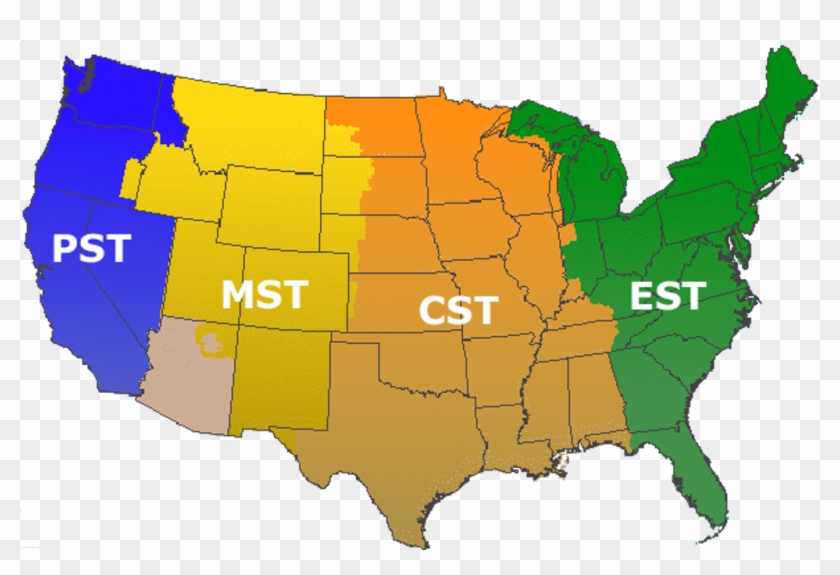
New Mexico falls within the Mountain Time Zone (MT). This zone operates on a standard time of UTC-7 and observes daylight saving time, advancing to UTC-6 during the warmer months. This places it two hours behind Eastern Standard Time (EST) and one hour behind Central Standard Time (CST). Understanding this temporal distinction is fundamental for any itinerary, whether you’re flying into Albuquerque International Sunport or embarking on a road trip through its vast and varied landscapes.
The Rationale Behind Mountain Time
The establishment of time zones in the United States was a monumental undertaking, driven by the need for standardization, particularly with the advent of railroads in the late 19th century. Before this, communities operated on local solar time, leading to considerable confusion and inefficiency. The Mountain Time Zone was one of the original four zones created to streamline operations across the continent. For New Mexico, being part of this zone connects it to a wider network of states, including neighboring Colorado, Utah, Arizona (though Arizona has a unique DST policy), and further north and south. This standardization facilitates travel, commerce, and communication across a significant portion of the western United States.
Daylight Saving Time in New Mexico
Like most of the United States, New Mexico adheres to Daylight Saving Time (DST). DST typically begins on the second Sunday in March and ends on the first Sunday in November. During DST, the time in New Mexico shifts to Mountain Daylight Time (MDT), which is UTC-6. This means that for a portion of the year, New Mexico is only one hour behind Central Daylight Time (CDT) and three hours behind Eastern Daylight Time (EDT). It’s crucial to be aware of these shifts, especially when booking flights or coordinating with contacts in different time zones, as the difference can change. For instance, planning a call with someone in New York during standard time requires accounting for a two-hour difference, but this shrinks to one hour during DST.
Practical Implications for Travelers
For any visitor to New Mexico, grasping the local time is paramount for maximizing their exploration and avoiding logistical hiccups. From booking tours to enjoying the vibrant local nightlife, every aspect of a trip is influenced by the clock.
Scheduling Flights and Travel
When booking flights into cities like Albuquerque, Santa Fe, or Las Cruces, it’s imperative to confirm arrival and departure times in local Mountain Time. Be mindful of the time difference when booking connections, especially if your journey originates from a different time zone. For example, a flight departing New York at 2:00 PM EST (Eastern Standard Time) would land in Albuquerque at approximately 12:00 PM MST (Mountain Standard Time), assuming no significant layovers. Similarly, when planning your return journey, factor in the time needed to reach the airport and check-in, always referencing the local time in New Mexico.
Organizing Activities and Excursions
New Mexico boasts a wealth of activities, from guided tours of the Bandelier National Monument to hot air balloon rides over the Albuquerque desert. Tour operators and attractions will almost invariably list their times according to Mountain Time. Planning your day requires a clear understanding of these schedules. For instance, a popular sunset tour of the White Sands National Park might be scheduled for 6:00 PM MDT (Mountain Daylight Time), meaning you’ll need to be at the meeting point well in advance. Similarly, dinner reservations at renowned restaurants in Santa Fe or Taos should be made with local time in mind. Consider the hours of operation for museums, galleries, and historical sites; many close in the late afternoon, so understanding the time is crucial to avoid disappointment.
Embracing the Local Pace of Life
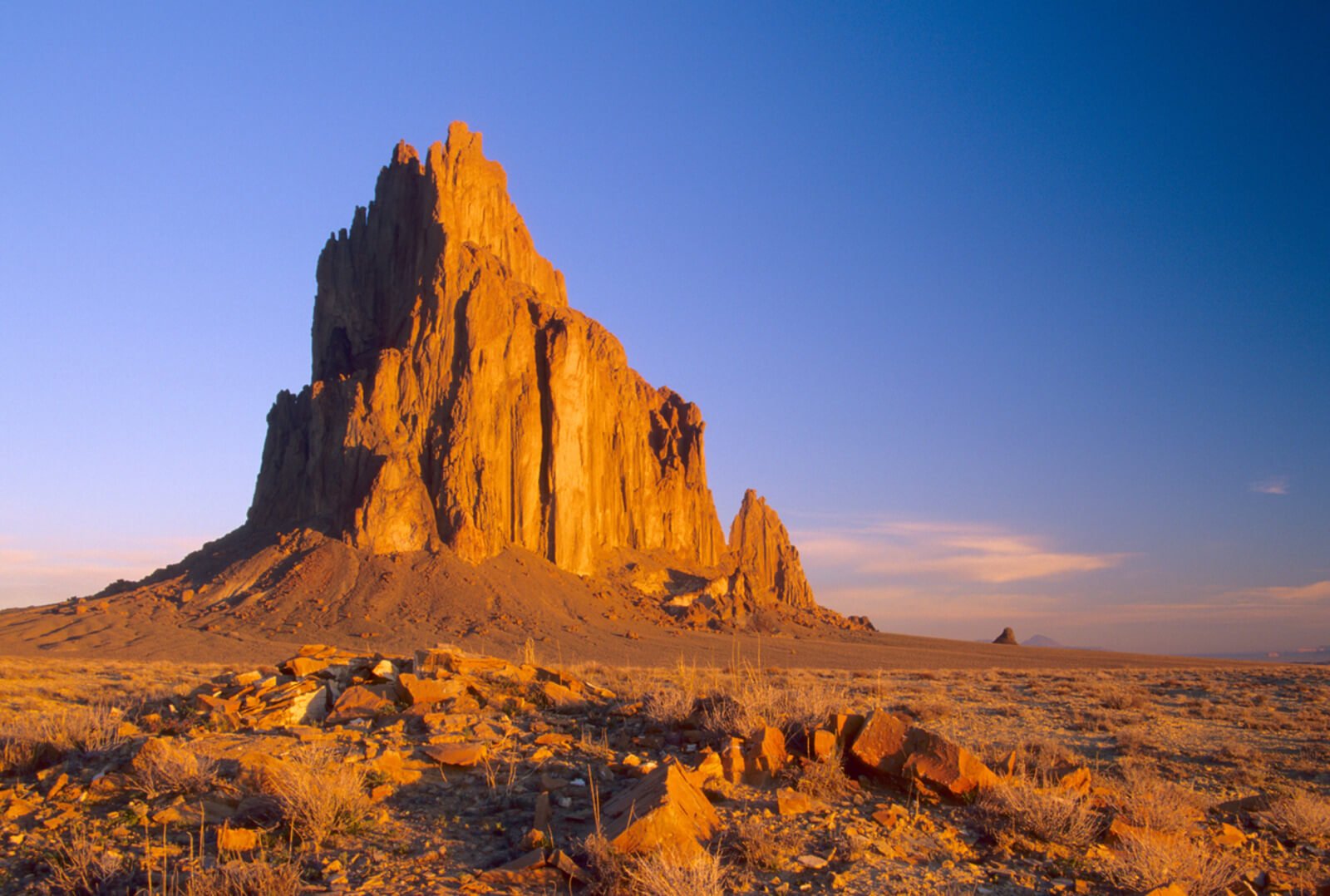
Beyond the practicalities, understanding the time in New Mexico offers a glimpse into its unique cultural cadence. The state’s rich history, influenced by Native American, Hispanic, and Anglo traditions, often fosters a more relaxed approach to time compared to the frenetic pace of some larger metropolises. While adhering to scheduled times is necessary for travel logistics, there’s an inherent beauty in slowing down and appreciating the moments. Whether it’s enjoying a leisurely breakfast in a Taos café, watching the shadows lengthen across the Gila Cliff Dwellings National Monument, or simply soaking in the vast, star-filled skies, embracing the local rhythm can profoundly enhance your experience. The “Land of Enchantment” invites you to step away from the clock and immerse yourself in its timeless beauty.
Time Zones and Regional Variations
While the entirety of New Mexico observes Mountain Time, it’s worth noting adjacent regions and how their timekeeping might differ, especially concerning daylight saving.
Arizona’s Unique Observance
A significant exception within the Mountain Time Zone is the state of Arizona. With the exception of the Navajo Nation, Arizona does not observe Daylight Saving Time. This means that during the months when the rest of New Mexico is on MDT (UTC-6), Arizona remains on MST (UTC-7), making it one hour behind New Mexico during that period. The Navajo Nation, however, does observe DST, aligning its time with the rest of New Mexico during the DST period. For travelers venturing between New Mexico and Arizona, particularly near border towns like Gallup, New Mexico, and Holbrook, Arizona, being aware of this DST difference is essential to avoid confusion.
Connecting with Neighboring States
Understanding New Mexico’s time zone also provides context for its relationships with neighboring states like Colorado, Utah, Oklahoma, Texas, and Arizona. During standard time, New Mexico is one hour behind the western parts of Texas and Oklahoma (which are in the Central Time Zone) and aligns with Colorado and Utah. During daylight saving time, the gap between New Mexico and the western parts of Texas and Oklahoma shrinks to one hour. This temporal proximity facilitates easier communication and travel planning for those moving between these states. For example, if you are attending an event in Santa Fe and have a related commitment in Amarillo, Texas, you only need to account for a one-hour difference during standard time.
The Cultural Significance of Time in New Mexico
While the practical aspects of time zones are crucial for travelers, the way time is perceived and experienced in New Mexico is deeply interwoven with its cultural heritage. The state’s long history, marked by periods of indigenous sovereignty, Spanish colonization, and American statehood, has fostered a unique appreciation for tradition and a more measured pace of life.
Indigenous Perspectives on Time
For many of the indigenous pueblos and tribes of New Mexico, including the Pueblo of Acoma, Taos Pueblo, and the Navajo Nation, time is often understood through cyclical and natural rhythms rather than strict linear progression. Ceremonies and agricultural cycles are often dictated by lunar phases, seasonal changes, and ancient traditions passed down through generations. While these communities operate within the standardized Mountain Time for external interactions, their internal sense of time can be profoundly different, emphasizing continuity, ancestral connections, and the present moment. Visitors attending a traditional dance or festival at one of the pueblos will experience this deeply ingrained connection to time, where the event unfolds with a grace and flow that transcends Western clock-watching.
Hispanic Influences and “Mañana” Culture
The Spanish colonial legacy in New Mexico has also contributed to a cultural perception of time that can sometimes differ from the urgency found in other parts of the United States. The concept of “mañana” (tomorrow), while often a stereotype, can also reflect a cultural orientation that prioritizes relationships, community, and the present experience over strict adherence to schedules. This doesn’t mean a lack of punctuality, but rather a different weighting of priorities. A business meeting might involve initial pleasantries and conversation before diving into agendas, a practice that can be initially disarming for those accustomed to immediate task-orientation. Embracing this cultural nuance can lead to more meaningful interactions and a deeper understanding of local customs. Enjoying an extended lunch in Las Cruces or engaging in conversation with local artisans in Santa Fe are experiences that benefit from a relaxed approach to time.

The Modern Pace in Enchantment
Despite these historical and cultural influences, New Mexico is very much a modern state, and adhering to the clock is essential for navigating its contemporary infrastructure and attractions. The bustling cities of Albuquerque and Santa Fe have schedules for public transport, museum openings, and business hours that are comparable to other major cities. However, there remains an underlying ethos that encourages appreciating the environment and the moment. The vast, open spaces and the dramatic beauty of the landscape—from the high desert to the Jemez Mountains—tend to inspire a sense of calm and contemplation. As you plan your trip, be sure to check the local time in New Mexico, but also be open to allowing the “Land of Enchantment” to influence your own perception of time, leading to a more enriching and memorable visit. Whether it’s witnessing the twilight glow of the Sandia Mountains or exploring the ancient ruins of Mesa Verde National Park (just across the border in Colorado, but often visited by New Mexicans), the timing of your visit can profoundly impact its magic.
LifeOutOfTheBox is a participant in the Amazon Services LLC Associates Program, an affiliate advertising program designed to provide a means for sites to earn advertising fees by advertising and linking to Amazon.com. Amazon, the Amazon logo, AmazonSupply, and the AmazonSupply logo are trademarks of Amazon.com, Inc. or its affiliates. As an Amazon Associate we earn affiliate commissions from qualifying purchases.