
For anyone planning a journey to the diverse landscapes of Northern California, understanding the local time is more than just a trivial detail—it’s a fundamental aspect of seamless travel planning and a key to maximizing your experience. From coordinating flights and booking accommodations to scheduling vineyard tours in Napa Valley or hiking expeditions in Yosemite National Park, accurate time awareness can make all the difference. This guide delves into the specifics of Northern California’s time zone, its implications for travelers, and practical tips to ensure your trip runs like clockwork.
Understanding Northern California’s Time Zone: Pacific Time
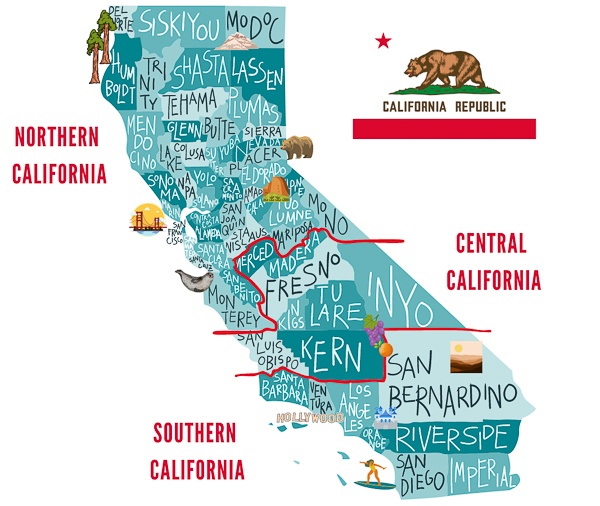
Northern California, like the rest of the state of California and much of the western United States, observes Pacific Time. This designation, however, is not static throughout the year. It alternates between Pacific Standard Time and Pacific Daylight Time to accommodate Daylight Saving Time (DST). Knowing the precise time zone in effect during your visit is crucial for accurate planning.
Pacific Standard Time (PST) vs. Pacific Daylight Time (PDT)
Pacific Standard Time (PST) is the baseline time zone, observed during the colder months. It is 8 hours behind Coordinated Universal Time (UTC)—expressed as UTC-8. This means that when it’s noon UTC, it’s 4 AM in Northern California under PST.
However, most of the year, from mid-March to early November, Northern California switches to Pacific Daylight Time (PDT). During this period, clocks are advanced by one hour, making it UTC-7. So, when it’s noon UTC during DST, it’s 5 AM in Northern California. This shift is part of the broader Daylight Saving Time practice, aimed at making better use of natural daylight. The change typically occurs on the second Sunday in March, when clocks “spring forward,” and on the first Sunday in November, when they “fall back.”
The Impact of Daylight Saving Time on Travel
The bi-annual shift for Daylight Saving Time can have subtle yet significant impacts on travelers. When clocks “spring forward” in March, you essentially lose an hour, which can exacerbate jet lag for those arriving from eastern time zones. Conversely, when clocks “fall back” in November, you gain an hour, potentially offering a slightly smoother adjustment for some.
More broadly, Daylight Saving Time influences the timing of natural light. With the shift to PDT, evenings have more daylight, allowing for extended outdoor activities like sightseeing, dining al fresco, or enjoying sunset views from the Golden Gate Bridge. This can be a huge advantage for travelers, especially during summer visits. However, it also means later sunrises, which might affect early morning plans for photographers or those eager to hit the trails at dawn. Always double-check operating hours for attractions and transportation schedules, as these might implicitly adjust to the changing daylight patterns.
Why Time Zones Matter for Your Northern California Trip
Understanding Northern California’s time zone is not just an academic exercise; it has practical implications for every aspect of your trip. From your arrival to your departure, time plays a critical role in ensuring a smooth and enjoyable experience.
Flight Schedules and Transportation
When booking flights to or from Northern California, all times listed will correspond to the local time at the respective airport. This means a flight departing New York City at 9 AM Eastern Time and arriving in San Francisco five hours later will show an arrival time of 1 PM Pacific Time, even though the journey took five hours. For international travelers, the time difference can be even more pronounced, potentially spanning multiple time zones and requiring careful calculation to avoid missed connections or unexpected delays.
Similarly, local transportation like trains, buses, or ferry services (such as those to Alcatraz Island) operate on local Pacific Time. If you’re coming from a different time zone, it’s easy to miscalculate when you need to be at a station or port, leading to unnecessary stress or missed opportunities. Always confirm departure and arrival times with respect to Northern California’s current time zone.
Booking Accommodations and Activities
Check-in and check-out times for hotels, resorts, or vacation rentals in Northern California are strictly adhered to local Pacific Time. Arriving too early might mean waiting for your room, while checking out late could incur additional fees. When booking tours, restaurant reservations, or tickets for attractions, ensure you are converting times correctly if you’re planning from a different time zone. For instance, a Napa Valley wine tour advertised to start at 10 AM means 10 AM Pacific Time. A miscalculation could lead to missing your tour or arriving late and potentially losing your reservation. This is especially true for popular attractions that often have strict entry windows.
Business and Communication
For business travelers or those needing to stay in touch with family and colleagues in different time zones, knowing the current time in Northern California is paramount. A 9 AM meeting in San Francisco would be noon in New York and 5 PM in London. Planning calls, virtual meetings, or even simply communicating with loved ones requires careful consideration of these differences to avoid inconvenient interruptions or missed connections. Using world clock features on smartphones or dedicated time zone converter websites can be immensely helpful in managing these communications effectively.
Navigating Time Differences and Jet Lag
Traveling across multiple time zones often results in jet lag, a temporary sleep disorder that can leave you feeling fatigued, disoriented, and irritable. While Northern California observes Pacific Time, which is typically 3 hours behind Eastern Time in the United States and even more significant for international arrivals, there are strategies to mitigate its effects and adjust more smoothly.
Tips for Adjusting to Pacific Time
- Gradual Pre-Adjustment: If possible, start adjusting your sleep schedule a few days before your trip. Shift your bedtime and wake-up time by an hour or two closer to Pacific Time.
- Hydrate and Avoid Alcohol/Caffeine: Dehydration can worsen jet lag symptoms. Drink plenty of water before, during, and after your flight. Limit alcohol and caffeine, as they can interfere with sleep patterns.
- Embrace Natural Light: Upon arrival, expose yourself to natural daylight, especially in the morning. Sunlight helps reset your body’s internal clock. Take a walk in the morning or have breakfast outdoors.
- Stay on Local Time: As soon as you arrive, try to follow the local Pacific Time for meals and sleep, even if you don’t feel tired. Power naps are acceptable, but avoid long naps that might disrupt nighttime sleep.
- Exercise Lightly: A gentle walk or light exercise can help reduce fatigue and promote better sleep, but avoid strenuous workouts close to bedtime.
- Eat Sensibly: Stick to light, healthy meals. Heavy or unusual foods can upset your digestive system and hinder adjustment.
Tools and Apps for Time Zone Management
Modern technology offers a plethora of tools to help travelers manage time zones:
- Smartphone World Clock: Most smartphones have a built-in world clock feature, allowing you to easily add Northern California’s time zone alongside your home time zone. This is ideal for quick checks.
- Time Zone Converter Apps: Dedicated apps offer more advanced features, such as meeting planners that suggest optimal times for calls across multiple zones.
- Online Converters: Websites like Time and Date or WorldTimeBuddy provide quick and accurate conversions, often with interactive maps and DST information.
- Smartwatches: Many smartwatches automatically update to the local time when you travel, providing a seamless experience on your wrist.
Utilizing these tools can eliminate the guesswork and help you stay punctual and organized throughout your Northern California adventure.
Time-Sensitive Experiences Across Northern California’s Diverse Regions
Northern California boasts an incredible array of destinations, each offering unique experiences that are often enhanced or dictated by the time of day or year. Being mindful of the local Pacific Time ensures you catch all the best moments.
Coastal Adventures: San Francisco and Beyond
In San Francisco, timing can elevate iconic experiences. Visiting the Golden Gate Bridge requires checking weather and fog forecasts, which often clear later in the morning. Sunset viewing from Twin Peaks or Marin Headlands is a breathtaking experience, but knowing the precise sunset time is critical for photographers and romantics alike. Popular areas like Fisherman’s Wharf can get crowded; arriving early in the morning can offer a more tranquil experience before the peak tourist rush. For a truly unique activity, consider a morning kayak tour of the San Francisco Bay, starting just as the city awakens.
Inland Escapes: Wine Country and National Parks
Northern California’s Wine Country, encompassing Napa Valley and Sonoma Valley, operates on a schedule centered around tasting room hours, which typically run from late morning to late afternoon. Many wineries require advance reservations, so careful time management is essential for planning your route and ensuring you don’t miss any appointments.
Further inland, the majestic National Parks like Yosemite National Park or Redwood National and State Parks have gate opening and closing times, as well as specific hours for visitor centers, shuttle services, and ranger-led programs. For hikers, understanding daylight hours is vital for safety, especially when embarking on longer trails in the Sierra Nevada mountain range, where sudden weather changes can occur. Early morning starts are often recommended to beat the heat, avoid crowds, and allow ample time to complete trails before dark.
Mountain Retreats: Lake Tahoe and the Sierra Nevada
In the stunning Lake Tahoe area, activities are heavily influenced by the seasons and the time of day. During winter, ski resorts like Palisades Tahoe and Heavenly Mountain Resort adhere strictly to lift operating hours, which can vary based on snow conditions and daylight. Getting an early start can mean fresh powder and fewer queues. In summer, water sports, hiking, and biking are popular, but timing is key. For instance, renting a paddleboard or kayak on Lake Tahoe is best done in the calm morning hours before winds pick up, or in the late afternoon for a serene experience. Always check local forecasts and operating hours to align your activities perfectly with Pacific Time and the natural rhythms of the day.
Ultimately, whether you’re chasing the perfect sunrise photo, catching a critical flight, or simply ensuring your dinner reservation is on time, a clear understanding of “what time it is in Northern California” is indispensable for a memorable and stress-free travel experience. By factoring in Pacific Time and its Daylight Saving Time shifts, you empower yourself to navigate this magnificent region with confidence and precision.
LifeOutOfTheBox is a participant in the Amazon Services LLC Associates Program, an affiliate advertising program designed to provide a means for sites to earn advertising fees by advertising and linking to Amazon.com. Amazon, the Amazon logo, AmazonSupply, and the AmazonSupply logo are trademarks of Amazon.com, Inc. or its affiliates. As an Amazon Associate we earn affiliate commissions from qualifying purchases.