
Stepping onto the shores of Oahu, Hawaii, immediately transports you to a realm where the pace of life gracefully slows, and the vibrant beauty of the Pacific Ocean dictates the rhythm. But beyond the allure of sun-drenched beaches and lush volcanic landscapes, a crucial detail for any traveler to grasp is the local time. Understanding “What time is it in Oahu, Hawaii?” is far more than a mere curiosity; it’s a fundamental aspect of planning, adapting, and ultimately, fully immersing yourself in the unique island experience. From coordinating flight arrivals and booking coveted dinner reservations to managing jet lag and maximizing your exploration of iconic Honolulu landmarks, knowing the precise time and its implications is key.
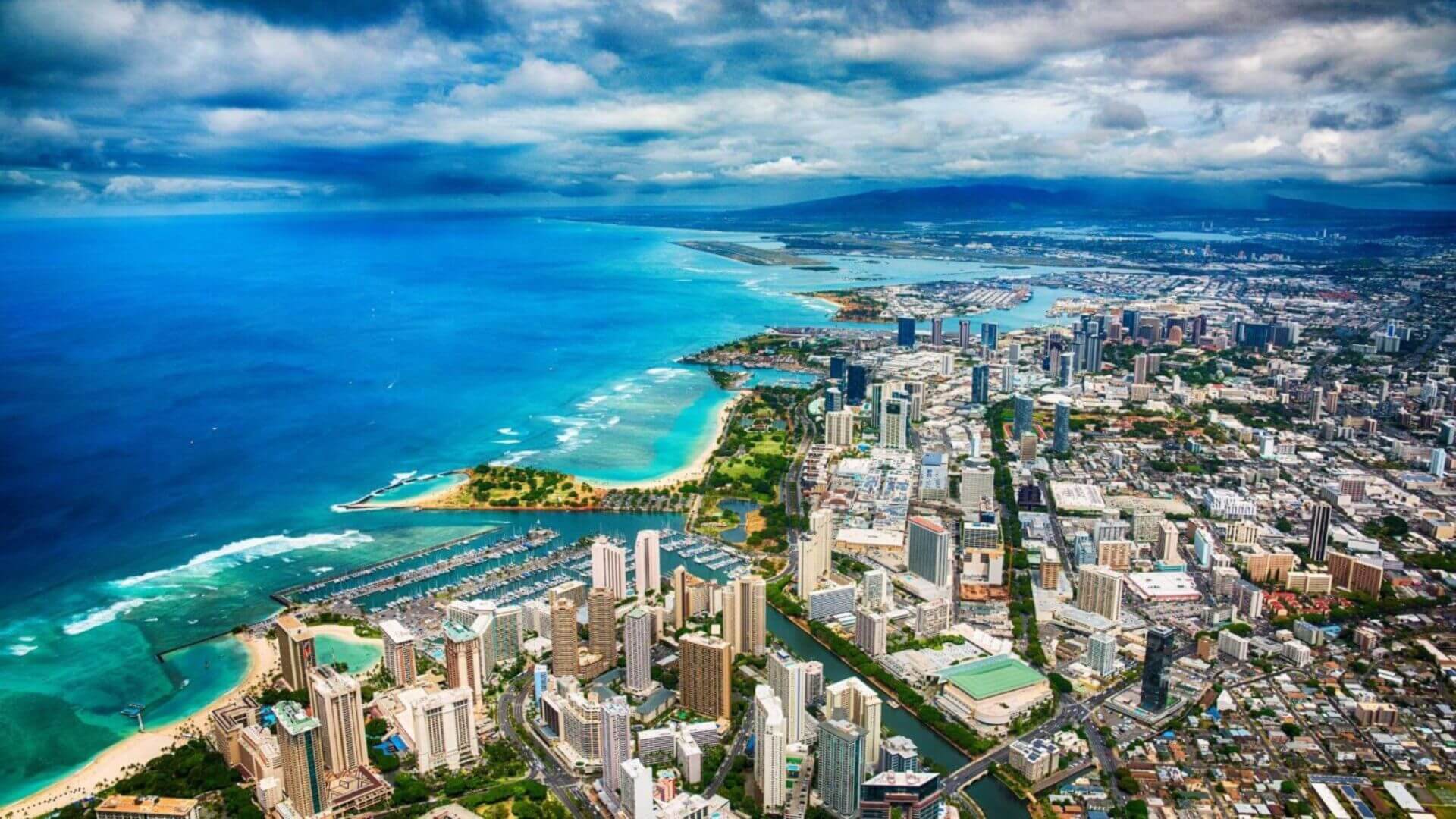
Hawaii operates on a distinct time zone that plays a significant role in how visitors from around the globe experience their stay. Unlike many parts of the United States and the world, the islands observe Hawaii Standard Time (HST) year-round, without the adjustments of Daylight Saving Time. This permanent state of affairs simplifies planning in some ways but requires careful consideration for those traveling from regions that do shift their clocks. Whether you’re a first-time visitor eagerly anticipating your first surf lesson on Waikiki Beach, or a seasoned traveler returning to the tranquil vistas of the North Shore, getting your internal clock in sync with Oahu’s timeless charm is the first step towards an unforgettable journey. This comprehensive guide will delve into the intricacies of Oahu’s time, offering practical advice and insights to ensure your visit is as seamless and enriching as possible.
Understanding Hawaii Standard Time (HST)
At the heart of navigating time in Oahu is a clear grasp of Hawaii Standard Time (HST). This unique time zone serves the entire Hawaiian archipelago, from the verdant cliffs of Kauai to the volcanic expanse of the Big Island, and of course, the bustling island of Oahu. HST is permanently set at UTC-10, meaning it is 10 hours behind Coordinated Universal Time (UTC, often colloquially referred to as Greenwich Mean Time or GMT). This fixed offset is a significant differentiator from many other travel destinations.
The Permanent Time Zone Advantage
One of the most notable characteristics of HST is its exemption from Daylight Saving Time. While most of the continental United States “springs forward” and “falls back” annually, Hawaii maintains a consistent time zone throughout the year. For locals, this means no bi-annual disruption to sleep patterns or daily routines. For visitors, it means that once you’ve adjusted to the time difference, it won’t change during your stay, regardless of the season. This stability simplifies planning, particularly for long-term stays or for those who frequently travel to the islands. It also eliminates the confusion that can arise when communicating with friends and family back home who might be observing Daylight Saving. The permanent nature of HST underscores Hawaii’s unique geographical position and its desire to maintain a consistent rhythm, reflective of the steady ebb and flow of its oceanic surroundings. This consistency can be a real advantage for business travelers who need to maintain regular contact with colleagues in various time zones, ensuring that once the offset is established, it remains predictable.
How HST Compares to Major Global Hubs
Understanding the time difference between HST and your home region is paramount for smooth travel and communication. The 10-hour offset from UTC places Hawaii significantly behind many global hubs.
For travelers from the continental United States, the differences are substantial:
- Pacific Standard Time (PST): HST is 2 hours behind PST (e.g., if it’s 12 PM PST, it’s 10 AM HST). This means a relatively manageable jet lag for those flying from the West Coast.
- Mountain Standard Time (MST): HST is 3 hours behind MST.
- Central Standard Time (CST): HST is 4 hours behind CST.
- Eastern Standard Time (EST): HST is 5 hours behind EST. This is the most significant difference within the contiguous United States, often leading to more pronounced jet lag for East Coast visitors.
For international travelers, the time differences are even more pronounced:
- Europe (e.g., London, Paris): HST is typically 10-12 hours behind most European time zones, depending on their observation of Daylight Saving Time. When it’s morning in Oahu, it’s already evening in Europe, or even the next morning in some cases.
- Asia (e.g., Tokyo, Seoul): HST is typically 19-20 hours behind major Asian cities, effectively putting Hawaii a full day behind, plus some hours. For example, if it’s 9 AM on Monday in Honolulu, it could already be 4 AM on Tuesday in Tokyo. This can be particularly challenging for communication and business dealings.
Understanding these significant differences is the first step in preparing for your Oahu adventure, allowing you to set expectations for your body clock and plan accordingly.
Navigating Time Differences for a Seamless Oahu Experience
The journey to Oahu is often a long one, especially for those crossing multiple time zones. While the allure of paradise is a powerful motivator, the physiological impact of these time shifts, commonly known as jet lag, can momentarily dampen the initial excitement. However, with a strategic approach to time management, travelers can minimize discomfort and maximize every precious moment of their Hawaiian vacation. This section focuses on practical strategies to help visitors from all corners of the globe adjust to Hawaii Standard Time and seamlessly integrate into the island’s rhythm.
Beating Jet Lag: Tips for Travelers
Jet lag is an inevitable part of long-haul travel, caused by the disruption of your body’s natural circadian rhythm. However, several proactive steps can significantly mitigate its effects, ensuring you’re refreshed and ready to explore Oahu from day one.
- Adjust Before You Go: A few days before your departure, try to gradually shift your sleep schedule towards Hawaii time. If you’re traveling west, go to bed an hour or two later; if traveling east (unlikely when heading to Hawaii), go to bed earlier. This pre-adjustment can make the final jump less jarring.
- Hydrate, Hydrate, Hydrate: Air travel is dehydrating. Drink plenty of water before, during, and after your flight. Avoid excessive alcohol and caffeine, which can exacerbate dehydration and interfere with sleep.
- Optimize Your Flight: If possible, choose flights that arrive in Oahu in the afternoon. This allows you to check into your accommodation, have a light dinner, and head to bed at a reasonable local hour, helping to reset your internal clock.
- Embrace the Sunshine: Upon arrival, expose yourself to natural sunlight as much as possible, especially in the morning. Sunlight helps regulate melatonin production, signaling to your body that it’s daytime. A morning stroll on Waikiki Beach or a hike up Diamond Head can do wonders.
- Stay Active (Lightly): Gentle exercise, like swimming or a walk, can boost energy levels and promote better sleep at night. Avoid strenuous workouts immediately upon arrival.
- Eat Light and Local: Opt for lighter meals, especially in the evening. Try local Hawaiian cuisine, rich in fresh ingredients, which can be easier on your digestive system.
- Prioritize Sleep (But Not Too Much): Try to go to bed and wake up according to Oahu’s schedule. While naps can be tempting, keep them short (20-30 minutes) to avoid deeper sleep cycles that can worsen jet lag.
- Patience is Key: It typically takes one day per time zone crossed to fully adjust. Be patient with your body and don’t overschedule your first few days. Allow yourself time to relax and acclimate to the island’s rhythm.
By following these tips, travelers can significantly reduce the impact of jet lag, ensuring they are well-rested and ready to fully enjoy all that Oahu has to offer.
Strategic Planning: Flights, Tours, and Dining
Beyond personal well-being, understanding Hawaii Standard Time is critical for practical travel planning. Every booking, from your flight to a coveted reservation at a beachfront restaurant, revolves around the local time.
- Flights: Always confirm flight times in local time for both departure and arrival. A flight departing Los Angeles at 9 AM PST will arrive in Honolulu at 11 AM HST, making for a relatively short flight duration, but the time difference can initially feel disorienting. Conversely, an evening departure from Honolulu might arrive the next morning on the mainland, effectively “losing” a day.
- Tours and Activities: Oahu offers an abundance of tours, from historical visits to Pearl Harbor to scenic drives along the Kualoa Ranch. All scheduled times for these activities, whether it’s a sunrise yoga session or a sunset catamaran cruise, will be in HST. Double-check your confirmation emails and factor in travel time to reach your meeting points. Popular attractions like the Polynesian Cultural Center often have strict schedules, so punctuality based on local time is essential.
- Dining Reservations: Oahu boasts an incredible culinary scene, from upscale fine dining at resorts like the [Four Seasons Resort Oahu at Ko Olina](https://lifeoutofthebox.com/four- Seasons-resort-oahu-at-ko-olina) to casual beachfront eateries. Prime dining slots fill up quickly, especially in popular areas like Waikiki and Ko Olina. When booking online or over the phone, ensure you are referencing the correct time zone. An 8 PM reservation in Hawaii will feel like 1 AM or later to someone still on East Coast time, so consider booking earlier slots initially to ease into the local rhythm.
- Hotel Check-in/Check-out: While most hotels like the Hilton Hawaiian Village Waikiki Beach Resort or the historic Moana Surfrider have standard check-in (e.g., 3 PM) and check-out (e.g., 11 AM) times, these are always local HST. If arriving very early, inquire about early check-in availability or luggage storage options to make the most of your day. Similarly, for late flights, consider late check-out options or using amenities like the Aulani, A Disney Resort & Spa’s hospitality lounge.
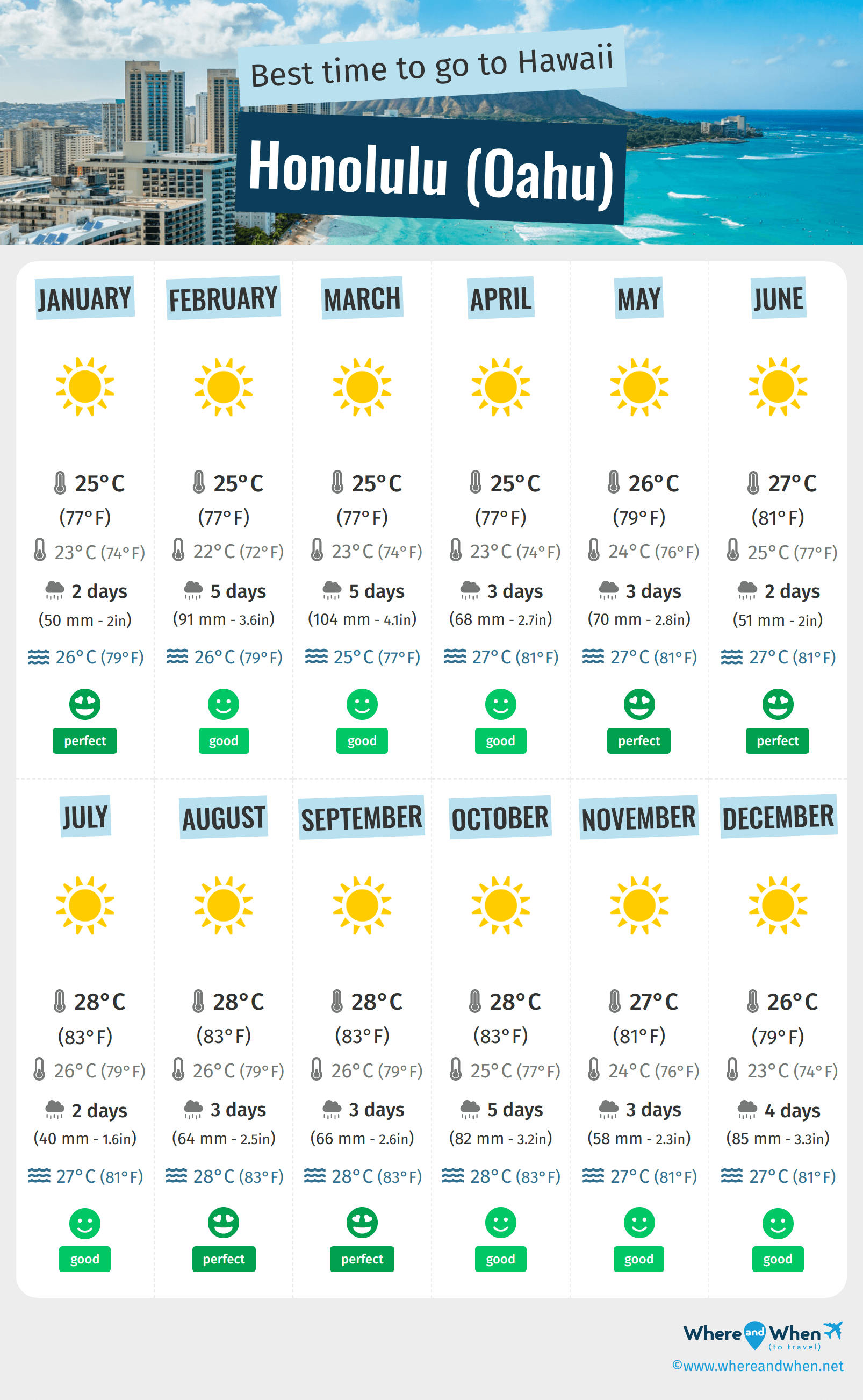
Meticulous planning that accounts for the time difference is not just about avoiding missed appointments; it’s about maximizing your enjoyment and minimizing stress, allowing you to fully embrace the aloha spirit of Oahu.
Time and the Island Lifestyle: Maximizing Your Visit
Beyond the practicalities of scheduling, the concept of time in Oahu is intrinsically linked to the island’s unique lifestyle and rhythm. Embracing the local time means more than just setting your watch; it means tuning into the natural cycles of the day, respecting local customs, and understanding when the island truly comes alive. This deeper appreciation for Hawaii Standard Time allows visitors to fully immerse themselves in the authentic Hawaiian experience, from witnessing breathtaking natural phenomena to participating in community events.
Synchronizing with Sunrise and Sunset
The sun plays a pivotal role in island life, and its daily journey across the Oahu sky dictates much of the outdoor activity and ambiance. Synchronizing your day with the local sunrise and sunset times is one of the most rewarding ways to experience Oahu. Due to Hawaii’s proximity to the equator and its constant time zone, sunrise and sunset times do not vary drastically throughout the year, but they do shift enough to warrant checking.
- Sunrise Magic: Waking up early to catch an Oahu sunrise is an unforgettable experience. Depending on the time of year, sunrise can be anywhere from 5:45 AM to 7:15 AM HST. Popular spots for sunrise include the east coast of the island, such as Lanikai Beach in Kailua or the Makapu’u Point Lighthouse trail. An early start also means beating the crowds to popular attractions like the hike up Koko Head or a visit to Hanauma Bay, where limited entry is often a factor. For photographers, the soft morning light offers unparalleled opportunities.
- Sunset Spectacle: Equally enchanting are Oahu’s sunsets, which typically occur between 5:45 PM and 7:15 PM HST. The west side of the island, including Ko Olina and parts of the North Shore, offers prime viewing locations. Watching the sun dip below the horizon from Waikiki Beach, perhaps with a refreshing drink from a historic hotel like The Royal Hawaiian, is a quintessential Hawaiian experience. Sunset marks the transition to evening activities, including luau dinners, strolls along the Ala Moana Center, or enjoying live music at various resorts.
By aligning your activities with these natural rhythms, you not only witness breathtaking beauty but also experience Oahu as locals do, where the sun truly governs the day’s flow.
Business Hours and Local Rhythms
Understanding local business hours and the general rhythm of daily life is crucial for a smooth and enjoyable visit. While Honolulu is a bustling metropolitan area, it still operates on a slightly different cadence than many mainland cities, especially outside of the main tourist zones.
- Retail and Restaurants: Most shops and restaurants in tourist-heavy areas like Waikiki and Ala Moana Center cater to visitor schedules, often opening by 9 or 10 AM and staying open until 9 or 10 PM. However, in smaller towns or local neighborhoods, businesses might open later and close earlier. Always check specific hours for local eateries, boutiques, or unique spots you wish to visit, especially outside of Honolulu. For example, a visit to the Dole Plantation has specific operating hours that visitors must adhere to.
- Attractions and Landmarks: Major attractions such as Pearl Harbor, the Iolani Palace, the Bishop Museum, or the USS Arizona Memorial all have defined operating hours, with many closing in the late afternoon. It’s always advisable to check their official websites for the most up-to-date information, including any special holiday hours or maintenance closures. Early mornings are often best for popular sites to avoid crowds.
- Rush Hour and Traffic: While Oahu might operate on “island time” in spirit, Honolulu traffic is very real, particularly during peak commuting hours (roughly 6 AM to 9 AM and 3 PM to 6 PM HST). Factor this into your travel plans, especially if you’re renting a car and planning to explore areas outside of the city, like the North Shore or Ko Olina.
- “Island Time” Mentality: Beyond strict schedules, there’s a prevailing “island time” mentality. This refers to a more relaxed, less rushed approach to life. While service industries strive for efficiency, be prepared for a slightly slower pace compared to high-stress urban environments. Embrace it as part of the charm; rushing goes against the aloha spirit.
By understanding and respecting Oahu’s business hours and local rhythms, you can navigate the island more effectively, avoid potential frustrations, and genuinely connect with the local lifestyle. It’s a key aspect of fostering a positive tourism experience that benefits both visitors and the local community.
Beyond the Clock: Timeless Memories in Oahu
While understanding Hawaii Standard Time is essential for practical travel logistics, Oahu ultimately offers an experience that transcends the hands of a clock. The island is a tapestry woven with rich history, breathtaking natural wonders, and a deeply ingrained culture of aloha that invites visitors to slow down, connect, and create memories that last a lifetime. In this section, we’ll explore how Oahu’s landmarks and its spiritual essence contribute to a “timeless” feeling, making every moment count, regardless of the numerical time on your watch.
Iconic Landmarks and Attractions
Oahu’s landscape is dotted with world-renowned landmarks, each telling a story that spans centuries or showcases the raw power of nature. Visiting these sites is not just about ticking off a list; it’s about connecting with the island’s enduring legacy.
- Historical Reverence: Pearl Harbor, home to the USS Arizona Memorial, stands as a solemn reminder of pivotal moments in global history. A visit here is a journey back in time, reflecting on sacrifice and resilience. The grandeur of the Iolani Palace, the only official residence of royalty in the United States, transports you to the era of Hawaiian monarchs. Even Aloha Tower, once the tallest building in Hawaii and a beacon for incoming ships, evokes a sense of timeless welcome.
- Natural Wonders: The majestic silhouette of Diamond Head offers panoramic views of Waikiki and the vast Pacific, an ancient volcanic crater witnessing countless sunrises and sunsets. The crystal-clear waters of Hanauma Bay invite snorkeling amidst vibrant marine life, a timeless underwater spectacle. On the North Shore, legendary surf spots like Waimea Bay, Sunset Beach, and Banzai Pipeline continue to draw surfers from around the world, chasing waves that have broken on these shores for millennia.
- Cultural Immersion: The Polynesian Cultural Center offers a living history lesson, allowing visitors to experience the traditions, music, and dances of various Pacific island nations, connecting with ancient cultures that thrive today. The serene Byodo-In Temple, nestled in the Ka’a’awa Valley, is a replica of a 900-year-old Japanese temple, providing a tranquil space for reflection that feels detached from the modern world.
- Family Favorites: The Dole Plantation offers a fun and educational look into Hawaii’s agricultural past, particularly its pineapple industry. While it has modern amenities, the essence of its historical contribution to the island remains.
These landmarks, whether man-made or carved by nature, stand as testaments to Oahu’s enduring allure, offering experiences that resonate far beyond the ticking of a clock.

The Essence of Aloha and Island Time
Ultimately, the answer to “What time is it in Oahu, Hawaii?” extends beyond mere numerical calculation. It’s about embracing “island time” – a philosophy that encourages a slower pace, mindful living, and an appreciation for the present moment. This concept is deeply intertwined with the “Aloha Spirit,” which embodies love, peace, compassion, and respect.
When you arrive in Oahu, you’re not just changing time zones; you’re stepping into a different rhythm of life. It’s a rhythm where the urgency of mainland schedules gives way to the gentle ebb and flow of the tides. This means:
- Mindful Moments: Instead of rushing from one attraction to another, take the time to savor a quiet morning coffee overlooking the ocean from your resort, whether it’s the Turtle Bay Resort on the North Shore or the historic Royal Hawaiian in Waikiki. Spend an extra hour lingering on the beach at Fort DeRussy Beach Park or by the tranquil waters of Duke Kahanamoku Lagoon.
- Connecting with Culture: Engage with locals, listen to their stories, and participate in cultural experiences without feeling pressured by time. The true magic of Hawaii lies in its people and their traditions.
- Flexibility and Serendipity: While planning is important, leave room for spontaneity. Some of the best memories are made when you stumble upon a hidden gem or decide to simply relax and let the island guide you. Perhaps you’ll discover a charming local eatery that wasn’t on your itinerary, or witness an unexpected hula performance.
- The Gift of Presence: Oahu encourages you to be fully present. Whether you’re hiking Diamond Head, surfing at Waikiki, or simply enjoying a sunset from your balcony in Ko Olina, let go of the clock and immerse yourself in the beauty around you.
In conclusion, understanding “What time is it in Oahu, Hawaii?” is about more than just a timezone conversion. It’s an invitation to adjust not only your watch but also your mindset. By embracing Hawaii Standard Time and the relaxed pace of “island time,” you unlock the full potential of your trip, allowing you to create truly timeless memories on this enchanting Pacific paradise. So set your watch, but then forget the clock, and let the spirit of aloha guide your unforgettable adventure.
LifeOutOfTheBox is a participant in the Amazon Services LLC Associates Program, an affiliate advertising program designed to provide a means for sites to earn advertising fees by advertising and linking to Amazon.com. Amazon, the Amazon logo, AmazonSupply, and the AmazonSupply logo are trademarks of Amazon.com, Inc. or its affiliates. As an Amazon Associate we earn affiliate commissions from qualifying purchases.