
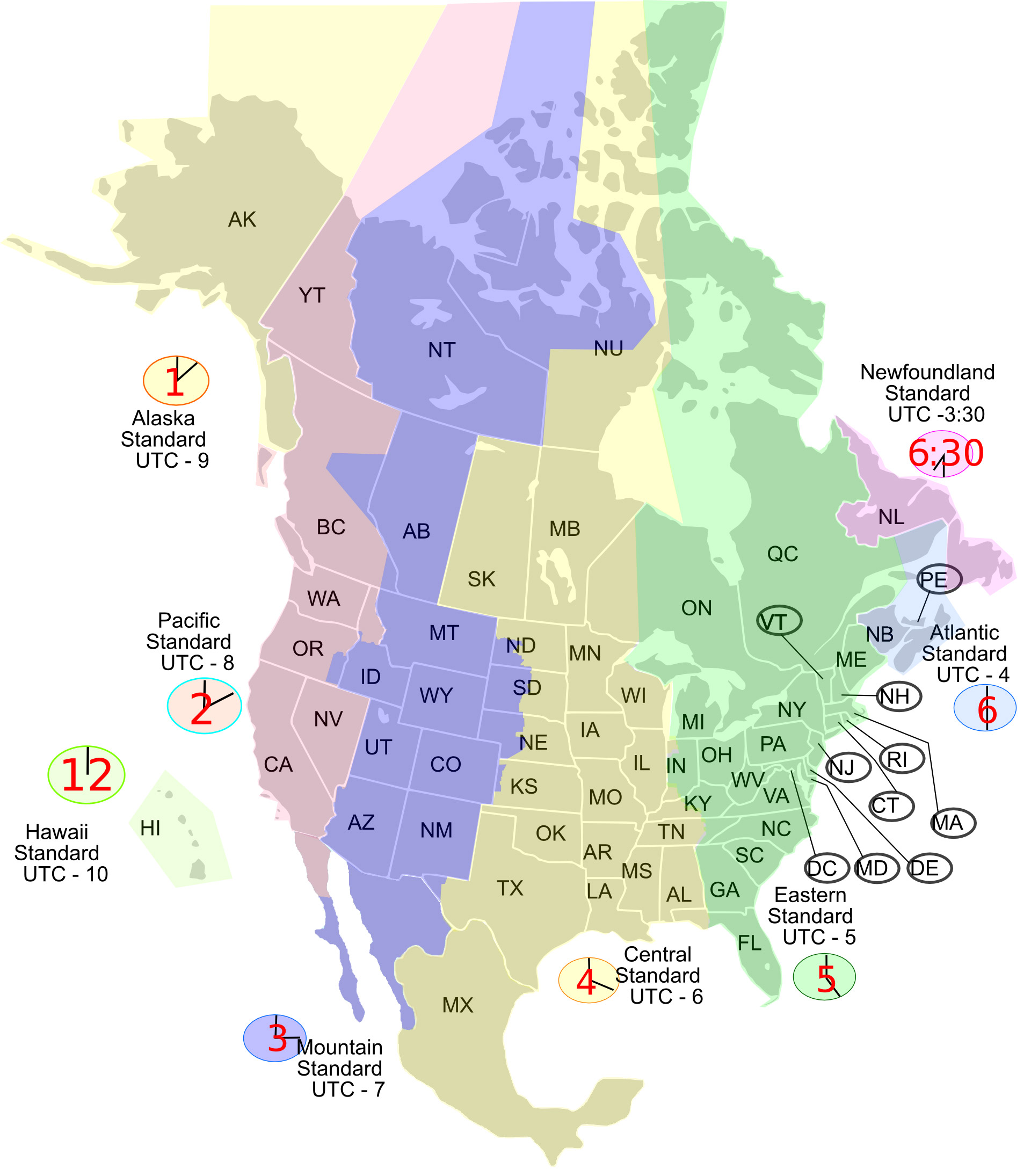
Understanding the current time in Oklahoma, USA, is a fundamental aspect of planning any journey to the Sooner State. Whether you’re coordinating flights, scheduling meetings, booking accommodations, or simply aiming to catch a sunset over the rolling plains, knowing the precise local time is crucial. Oklahoma observes Central Standard Time (CST) during the winter months, which is UTC-6, and switches to Central Daylight Time (CDT) during the summer, observing UTC-5. This shift in daylight saving time is a significant factor for any traveler to consider, as it impacts the number of daylight hours available for exploration and dictates the temporal alignment with other time zones around the globe.
The state of Oklahoma is vast, and while it entirely falls within a single time zone, the concept of “time” can also be viewed through the lens of temporal experiences. This article delves into not just the clock time in Oklahoma, but also the experiential time that shapes a visit to this captivating state. From the historic rhythm of its cities to the unhurried pace of its rural landscapes, understanding the time in Oklahoma is a gateway to appreciating its unique character.
Navigating Oklahoma’s Time Zones and Daylight Saving
Oklahoma officially operates within the Central Time Zone. This designation places it six hours behind Coordinated Universal Time (UTC) during standard time and five hours behind during daylight saving time. The adoption of Daylight Saving Time (DST) in the United States, including Oklahoma, typically begins on the second Sunday in March and ends on the first Sunday in November. This annual shift means that travelers arriving from regions that do not observe DST, or that observe it at different times, will need to adjust their watches accordingly.
The Mechanics of Central Standard Time and Daylight Saving Time
During Central Standard Time (CST), the time in Oklahoma is UTC-6. This is the period when the sun is at its most apparent position in the sky during the standard clock day. For instance, when it is 12:00 PM CST in Oklahoma City, it is 6:00 PM UTC.
When Daylight Saving Time (DST) is in effect, Oklahoma transitions to Central Daylight Time (CDT), which is UTC-5. This means clocks are advanced by one hour. Therefore, when it is 12:00 PM CDT in Tulsa, it is 5:00 PM UTC. This shift effectively grants an extra hour of daylight in the evening during the spring and summer months, which can be highly beneficial for outdoor activities and exploring attractions.
Planning Travel Around Time Changes
For international travelers, understanding the time difference is paramount. A flight arriving from London, for example, which observes Greenwich Mean Time (GMT) and British Summer Time (BST), will have a significant time differential. If flying from London during BST (UTC+1), a 12:00 PM BST departure would mean it’s 6:00 AM CST in Oklahoma if the arrival is during Oklahoma’s standard time. This temporal displacement requires careful consideration for jet lag and coordinating onward travel or initial activities.
For domestic travelers, particularly those coming from the Eastern Time Zone (UTC-5/UTC-4) or the Mountain Time Zone (UTC-7/UTC-6), the time difference is less pronounced but still requires attention. Someone traveling from New York City (EST, UTC-5) to Oklahoma City during standard time will find that Oklahoma is one hour behind. Conversely, someone from Denver (MST, UTC-7) will find Oklahoma is one hour ahead during standard time. These differences are crucial for booking connecting flights, making dinner reservations, or ensuring timely check-ins at hotels like the Skirvin Hilton Oklahoma City or the Mayo Hotel in Tulsa.
Experiencing Oklahoma’s Rhythms: Beyond the Clock
While the precise clock time in Oklahoma is essential for logistical planning, the state also offers a distinct sense of experiential time. This encompasses the pace of life, the unfolding of natural beauty, and the immersion in local culture. Understanding these rhythms can profoundly enhance a visitor’s appreciation for the Sooner State.
The Pace of Life: Urban Energy vs. Rural Serenity
Cities like Oklahoma City and Tulsa hum with a vibrant energy, especially during business hours. The workday typically begins around 8 or 9 AM and concludes around 5 PM, mirroring national trends. Evening entertainment, dining, and cultural events often kick off after 5 PM, extending into the late hours. However, even within these urban centers, there’s an underlying sense of approachability and a less frantic pace compared to some of the nation’s megacities.
In contrast, the vast rural landscapes of Oklahoma, dotted with charming small towns, operate on a more tranquil schedule. Mornings might start with the sunrise, and evenings draw in with the setting sun. Local businesses in these areas often adhere to shorter hours, with many closing by late afternoon or early evening. This slower cadence allows for a deeper connection with the natural environment and a more relaxed engagement with local communities. Visiting a roadside diner in a town like Medicine Park or exploring the Wichita Mountains National Wildlife Refuge offers a distinct temporal experience, where time seems to stretch and slow.

Natural Phenomena: Sunrise, Sunset, and Starlit Skies
The temporal experience of Oklahoma is intrinsically linked to its natural phenomena, particularly the daily cycle of sunrise and sunset and the clarity of its night skies. During Central Daylight Time (CDT), the longer daylight hours from spring through fall are perfect for exploring attractions such as the Oklahoma City National Memorial & Museum or taking a scenic drive through the Talimena National Scenic Byway. Extended daylight allows for more leisurely exploration of outdoor marvels like the Natural Falls State Park.
The sunsets in Oklahoma are legendary, often painting the sky with vibrant hues of orange, pink, and purple. The best time to witness these spectacles is during the golden hour, just before sunset, which varies depending on the time of year and your specific location within the state. During the winter months, with Central Standard Time (CST), sunsets occur earlier, offering a cozy opportunity to enjoy the evening indoors or witness the transition from day to night from a warm vantage point.
Furthermore, Oklahoma boasts some remarkably dark skies, especially away from urban centers. This makes it an ideal destination for stargazing. With the advent of evening, particularly during clear nights, the celestial tapestry unfolds. Locations like the Tallgrass Prairie Preserve offer an unobstructed view of the cosmos, where time seems to dissolve into the vastness of the universe. Observing constellations or meteor showers becomes a timeless activity, connecting visitors to a universal clockwork far grander than any terrestrial timepiece.
Cultural Events and Seasonal Celebrations
The temporal calendar of Oklahoma is punctuated by a rich array of cultural events and seasonal celebrations, each with its own unique timeline. From the spirited Oklahoma City Rodeo in the summer to the festive Tulsa Arts District holiday lights in winter, these events mark the passage of time and provide a deeper insight into the state’s heritage and contemporary life.
The timing of these events is crucial for travelers. For instance, the famous State Fair of Oklahoma typically occurs in late September, a period when Oklahoma is transitioning from the warmth of summer to the cooler days of autumn, still under Central Daylight Time (CDT) until early November. Planning a trip around such events requires checking their specific dates and understanding how they align with the state’s time and seasonal changes. This temporal planning ensures that visitors can fully immerse themselves in the celebratory spirit and make the most of their time in Oklahoma.
Planning Your Itinerary: Aligning with Oklahoma Time
Effective planning of an itinerary for Oklahoma hinges on a precise understanding of its time zone, the impact of Daylight Saving Time, and an appreciation for the state’s intrinsic rhythms. By considering these factors, travelers can craft an experience that is both logistically sound and deeply enriching.
Daily Scheduling for Sightseeing and Activities
When planning daily sightseeing, consider the amount of daylight available, which is directly influenced by the time of year and whether Daylight Saving Time is in effect. In Oklahoma, summer days are long, offering ample time for outdoor adventures. Mornings can be dedicated to visiting attractions like the Oklahoma Aquarium or exploring the Philbrook Museum of Art, followed by afternoons at sites such as the Oklahoma City Zoo and Botanical Garden. Evenings in summer, with later sunsets, are perfect for enjoying outdoor dining or attending performances at venues like the BOK Center.
Conversely, during winter months under Central Standard Time (CST), days are shorter. It’s advisable to schedule outdoor activities earlier in the day and perhaps focus on indoor attractions or cultural experiences in the late afternoon and evening. Museums, historical sites, and the vibrant culinary scene of Oklahoma can be enjoyed well into the evening. For example, a visit to the National Cowboy & Western Heritage Museum can be combined with an evening performance in Paseo Arts District.
Coordinating with Local Services and Events
To ensure seamless travel, it’s essential to coordinate with local services and events. Hotel check-in and check-out times are typically based on local time. For instance, if your flight arrives at 10 PM Central Standard Time (CST), you will need to ensure your accommodation, perhaps at a place like the Embassy Suites by Hilton Oklahoma City Downtown Medical Center, can accommodate a late arrival. Similarly, restaurant reservations, tour bookings, and event timings should always be confirmed in the local time zone.
When attending specific events, such as agricultural fairs, music festivals, or sporting matches, always verify the start times. The Oklahoma Shakespeare Festival, for example, will have specific performance schedules that adhere to Oklahoma time. Understanding these local temporal markers allows for a more organized and stress-free experience, enabling you to fully engage with the offerings of the Sooner State.
The Value of Time in Oklahoma
Ultimately, the time in Oklahoma is more than just a measurement; it’s an element that shapes the visitor experience. Whether it’s the punctuality required for catching a flight or the unhurried moments spent gazing at a prairie sunset, embracing the temporal landscape of Oklahoma is key to unlocking its full potential. From the historic ranches of the west to the revitalized downtowns of its major cities, each experience unfolds according to its own temporal rhythm. By respecting and understanding these nuances, travelers can not only navigate the state efficiently but also savor the unique essence of time within the Sooner State.
LifeOutOfTheBox is a participant in the Amazon Services LLC Associates Program, an affiliate advertising program designed to provide a means for sites to earn advertising fees by advertising and linking to Amazon.com. Amazon, the Amazon logo, AmazonSupply, and the AmazonSupply logo are trademarks of Amazon.com, Inc. or its affiliates. As an Amazon Associate we earn affiliate commissions from qualifying purchases.