
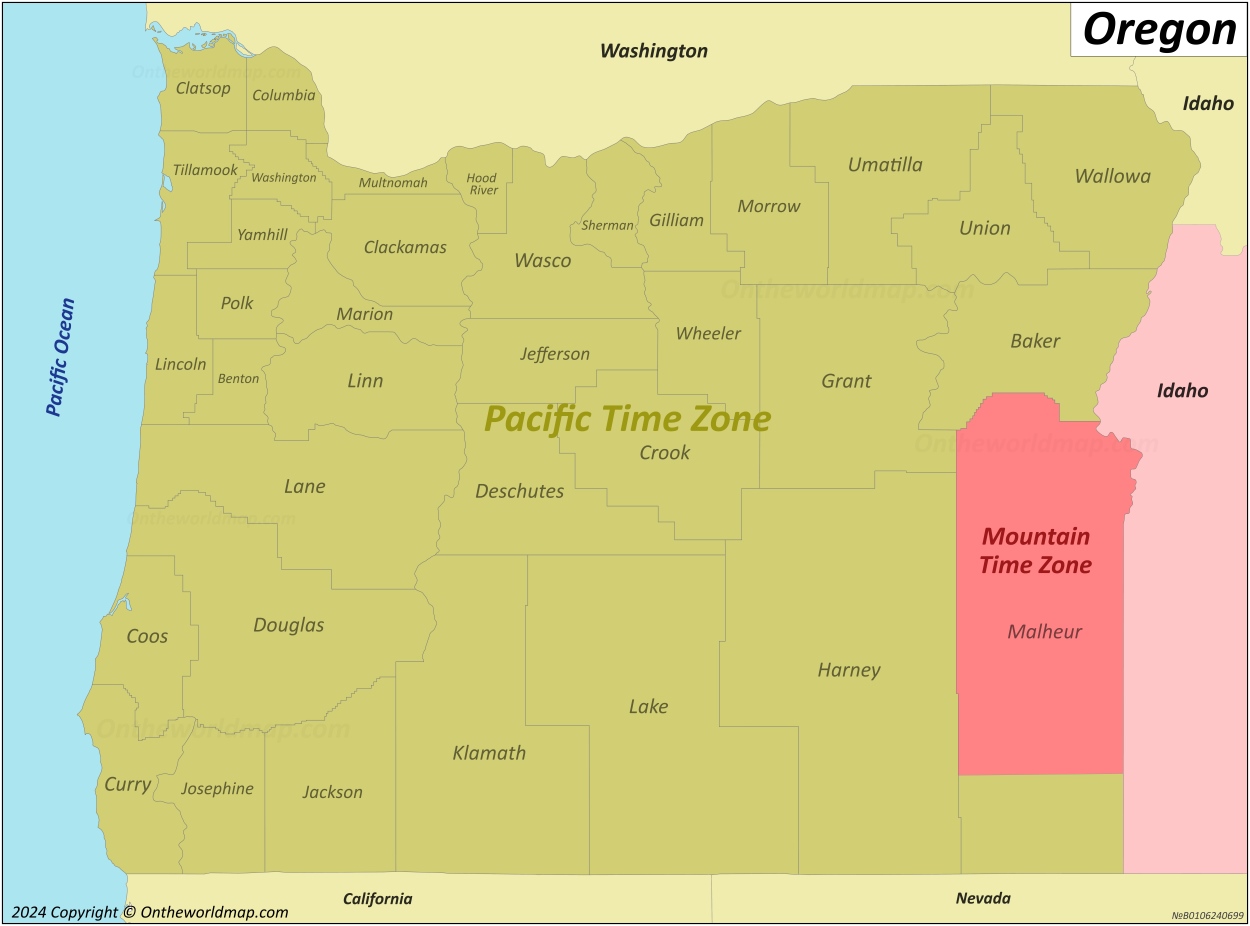
For travelers planning an unforgettable journey or for anyone needing to connect with the Beaver State, understanding “What time is it in Oregon?” is more than a simple query; it’s a crucial piece of information for seamless travel, effective communication, and a truly immersive experience. Oregon, a jewel of the Pacific Northwest, primarily operates on Pacific Time (PT), observing Daylight Saving Time for a significant portion of the year. This means most of the state, from its vibrant cities to its stunning coastline and majestic mountains, aligns with either Pacific Standard Time (PST) or Pacific Daylight Time (PDT). However, a small, distinct sliver of eastern Oregon stands as an exception, following Mountain Time (MT).

Navigating time zones, especially when traveling, impacts everything from flight schedules and hotel check-ins to booking tours and dining reservations. Our comprehensive guide delves into the specifics of Oregon’s time zones, offering insights for planning your accommodation, exploring landmarks, and fully embracing the local lifestyle and diverse tourism opportunities this incredible state offers. Whether you’re coordinating a business trip, a family vacation, or simply curious about local rhythms, getting the time right is your first step towards an extraordinary Oregon adventure.
Navigating Oregon’s Time Zones: Pacific Time vs. Mountain Time
The vast majority of Oregon observes Pacific Time, a standard that simplifies planning for most visitors and residents. This means major metropolitan areas and popular tourist destinations adhere to the same clock, making internal travel and communication straightforward.
Pacific Time Zone: The Heart of Oregon
From the bustling streets of Portland to the serene beaches of the Oregon Coast, and from the innovative tech hub of Hillsboro to the scenic beauty of Bend and the historic charm of Ashland, the primary time zone is Pacific Time. During the winter months, this is Pacific Standard Time (PST), which is UTC-8 (eight hours behind Coordinated Universal Time). As spring arrives, Oregon transitions to Pacific Daylight Time (PDT), moving one hour forward to UTC-7.
This shift to PDT, which typically occurs on the second Sunday in March and reverts on the first Sunday in November, is a key consideration for anyone scheduling activities during these transition periods. For instance, a morning flight booked for the day Daylight Saving Time begins might feel an hour shorter upon arrival, impacting subsequent plans. Understanding this standard rhythm is fundamental for everything from making timely connections at Portland International Airport to ensuring you arrive promptly for your reservation at a celebrated Willamette Valley winery or a performance at the Oregon Shakespeare Festival. The consistent application of Pacific Time across such a broad geographical and cultural expanse of Oregon is a significant advantage for travelers, allowing for easier coordination of multi-city itineraries and explorations of various attractions.
The Mountain Time Exception: Malheur County
While most of Oregon adheres to Pacific Time, there is a notable exception in the far eastern part of the state. The vast majority of Malheur County, which borders Idaho, observes Mountain Time (MT). This means it is typically one hour ahead of Pacific Time. During Standard Time, Malheur County is on Mountain Standard Time (MST), which is UTC-7. When Daylight Saving Time is in effect, it switches to Mountain Daylight Time (MDT), becoming UTC-6.
This unique situation arises from the county’s close economic and social ties to neighboring Idaho cities such as Boise, which also operates on Mountain Time. For travelers venturing into or through this remote but beautiful region, particularly if crossing into or from the rest of Oregon, it is crucial to remember this one-hour time difference. For example, if you’re driving from Bend (Pacific Time) to the city of Ontario in Malheur County (Mountain Time), you will “lose” an hour upon arrival. Conversely, traveling west out of Malheur County will see you “gain” an hour. Being aware of this localized time zone distinction is essential for punctual appointments, communicating with businesses, or ensuring you don’t miss any planned activities in this distinct corner of Oregon.
Time Zones and Your Oregon Travel Itinerary
Effective time management is a cornerstone of any successful travel plan, and understanding Oregon’s time zones is paramount to creating a seamless itinerary. From your initial booking to your daily adventures, local time dictates the rhythm of your trip.
Seamless Travel Planning and Booking
The moments you book your flights and accommodation are critical opportunities to factor in time zones. Always double-check flight arrival and departure times against the local time of your origin and destination. A flight landing in Portland at 3 PM PDT could feel significantly later for someone departing from the East Coast of the United States. Similarly, coordinating your hotel check-in time, especially if you anticipate a late arrival or early departure, should always be confirmed in local Oregon time. Establishments like The Nines, a Luxury Collection Hotel, Portland, or the serene Riverhouse on the Deschutes in Bend often have specific check-in windows that align with local business hours.
Beyond travel logistics, nearly every aspect of your Oregon adventure will be time-sensitive. If you’re booking an unforgettable guided tour of Crater Lake National Park, a scenic cruise through the Columbia River Gorge, or a reservation at a coveted Portland eatery like Enoteca Nostrana, ensuring you have the correct local time stamped on your booking confirmation prevents disappointment. Moreover, if you’re venturing to the eastern reaches of the state, remember the Mountain Time shift in Malheur County when coordinating any local engagements there. A little foresight ensures your precious travel time isn’t wasted on missed connections or late arrivals.
Coordinating Activities Across Regions
Oregon’s diverse geography often means that a single trip might encompass multiple regions, potentially crossing into different time considerations. Imagine planning a road trip that starts with urban exploration in Portland, transitions to the high desert adventures around Bend, and then extends to the rugged beauty of eastern Oregon, perhaps touching upon Malheur County. The one-hour time difference between Pacific Time and Mountain Time becomes a tangible factor in such an itinerary.
It’s not just about setting your watch; it’s about setting expectations. For instance, if you have a planned video call with family back on the East Coast, or a remote work meeting with colleagues in a different time zone, being aware of Oregon’s current time is critical. Similarly, coordinating with local service providers or friends living in Malheur County while you’re on Pacific Time requires an extra layer of attentiveness. Using a world clock app on your smartphone or simply making a mental note of the time difference can prevent scheduling mishaps and ensure smooth communication, allowing you to focus on enjoying Oregon’s vast offerings without unnecessary stress.
Managing Jet Lag and Local Time Adjustment
For international travelers or those crossing multiple time zones within the United States, jet lag is a real concern that can impact your ability to fully enjoy Oregon’s vibrant offerings. Arriving in Oregon on Pacific Time after a long flight from Europe or the East Coast means your body clock will need time to adjust. Planning your initial days with this in mind can make a significant difference.
Tips for managing time zone transitions include: gradually adjusting your sleep schedule a few days before departure, staying hydrated during your flight, seeking natural light upon arrival, and trying to align with local meal and sleep times as quickly as possible. Early morning hikes around Mount Hood, exploring the tide pools at Cannon Beach, or immersing yourself in Portland’s energetic art scene all require a refreshed and alert mind. By consciously managing your internal clock to match Oregon’s local time, you can maximize your energy levels and fully engage with every memorable experience the state has to offer, from outdoor adventure to cultural immersion.
Experience Oregon: Time-Sensitive Attractions and Local Lifestyle
Oregon’s allure lies in its diverse landscapes, innovative culture, and vibrant local scenes, many of which are best experienced with a keen awareness of the clock. Understanding local time helps you optimize your visits to attractions and immerse yourself in the authentic Oregon lifestyle.
Making the Most of Daylight Hours
Oregon’s natural splendor is arguably its biggest draw, and the amount of daylight available directly impacts how you experience it. From the dramatic sunsets over the Pacific Ocean along the Oregon Coast to the golden hour glows illuminating hikes in the Cascade Mountains, leveraging daylight hours is essential for outdoor enthusiasts. During Pacific Daylight Time in summer, long evenings allow for extended hiking, biking, kayaking, and skiing adventures, or even late-night stargazing in remote areas.
Planning your outdoor activities to coincide with optimal light conditions not only enhances safety but also offers unparalleled photographic opportunities. Imagine catching the sunrise over Mount Hood or witnessing the ethereal mist lift from Multnomah Falls in the Columbia River Gorge as the morning light breaks through. Conversely, during Pacific Standard Time in winter, shorter daylight hours mean you’ll need to start your adventures earlier and plan for earlier sunsets, which can dramatically change the feel of a trail or scenic drive. Keeping an eye on sunrise and sunset times ensures you maximize every moment of Oregon’s breathtaking natural beauty.
Cultural and Culinary Delights on Local Time
Oregon’s vibrant cultural scene and renowned culinary landscape operate strictly on local time, making punctuality a virtue for those looking to fully indulge. In Portland, the epicenter of Oregon’s food scene, famous food cart pods, innovative breweries, and acclaimed restaurants typically adhere to specific opening and closing hours. A reservation at a highly sought-after spot like Ava Gene’s or Le Pigeon in Portland can easily be missed if you’re out of sync with Pacific Time.
Beyond dining, Oregon’s rich cultural offerings also demand time awareness. The Oregon Shakespeare Festival in Ashland has precise performance schedules, and wine tastings at boutique vineyards across the Willamette Valley Wine Country are often by appointment. Even local markets, art galleries, and museums have their own operating hours. By consulting their schedules and setting your clock to local Oregon time, you ensure you don’t miss out on the unique flavors and experiences that define the state’s cultural fabric, allowing for seamless enjoyment of both casual explorations and carefully planned events.
The Rhythm of Life: Remote Work and Communication
For digital nomads, business travelers, or even just those wanting to stay connected with family and friends outside the state, understanding “What time is it in Oregon?” becomes essential for managing remote work and personal communications. The three-hour difference between Oregon’s Pacific Time and the East Coast of the United States (or the eight-hour difference with parts of Europe) can be a significant factor in scheduling virtual meetings, conference calls, or simply catching up with loved ones.
Many businesses and individuals in Oregon have adapted to these time differences, often scheduling early morning calls for East Coast colleagues or late afternoon calls for international partners. If your lifestyle involves regular communication across time zones, incorporating a world clock feature into your routine or a simple time zone converter tool can be invaluable. This thoughtful approach ensures you maintain professional commitments and personal connections without constant calendar confusion, allowing you to enjoy the benefits of Oregon’s inspiring environment without missing a beat in your global interactions.
Accommodation and Time: Beyond Check-in
Your accommodation choice is central to your travel experience, and understanding local time significantly enhances how you interact with your chosen hotel, resort, or apartment. It goes beyond simply knowing when to check in or out; it affects your access to amenities, services, and your overall peace of mind.
Maximizing Your Stay with Time Awareness
Being aware of Oregon’s local time, especially Pacific Daylight Time during summer, allows you to strategically negotiate early check-ins or late check-outs with your accommodation provider. Many properties, such as the elegant Kimpton RiverPlace Hotel in Portland or the luxurious Salishan Coastal Lodge on the Oregon Coast, offer flexibility based on availability, but clear communication about your arrival and departure times (in local time) is key.
Furthermore, scheduling access to various amenities and services requires a precise understanding of the clock. Whether you’re booking a spa treatment at your resort, signing up for a fitness class, or arranging transportation services, these activities are firmly anchored to the local time zone. Even simpler tasks, like knowing when breakfast service ends or when the hotel bar closes, become crucial for a smooth and enjoyable stay. For example, Hotel Modera in Portland might have specific happy hour times that are easy to miss if you’re still on your home time zone. By aligning your internal clock with Oregon’s local time, you ensure you can fully utilize all the offerings of your chosen dwelling and avoid any time-related frustrations.
International Travelers and Time Zone Transitions
For international travelers arriving in Oregon after long-haul flights, the transition across multiple time zones can be particularly challenging. The first few days of your trip are often about recovery and adjustment. When choosing accommodation, consider properties that offer 24-hour reception, allowing for flexible check-in regardless of your arrival time. Pre-booking airport transfers or taxis that are aware of your flight’s local landing time can also significantly reduce stress and confusion upon arrival.
Many international visitors find that selecting an accommodation with good blackout curtains, comfortable bedding, and quiet rooms can aid in adjusting to the new time zone. Focusing on establishing a new sleep schedule in sync with Oregon’s Pacific Time from day one is vital. Your hotel becomes more than just a place to sleep; it’s your temporary base for re-calibrating your body clock. By prioritizing this adjustment and coordinating your initial accommodation plans with a clear understanding of the local time, you set yourself up for a much more comfortable, energetic, and ultimately more rewarding exploration of everything Oregon has to offer.
Conclusion
Understanding “What time is it in Oregon?” is far more than a simple geographical detail; it’s a fundamental aspect of planning, experiencing, and truly immersing yourself in all that this incredible state has to offer. We’ve seen that while the majority of Oregon gracefully operates on Pacific Time, transitioning between Pacific Standard Time and Pacific Daylight Time with the seasons, a small but significant portion of Malheur County in the east adheres to Mountain Time.
This knowledge empowers you to craft a seamless travel itinerary, from booking flights and hotel rooms to scheduling tours and dining experiences. It enables effective coordination across different regions of the state and ensures you maximize your enjoyment of Oregon’s stunning natural landmarks and vibrant cultural scene. Whether you’re chasing the perfect sunset on the Oregon Coast, savoring world-class cuisine in Portland, or navigating business calls across continents, being in sync with local time is your key to unlocking a truly unforgettable Oregon lifestyle and ensuring every moment of your tourism adventure is precisely on schedule. Always check the current local time for your specific destination within Oregon to ensure a perfectly timed journey.
LifeOutOfTheBox is a participant in the Amazon Services LLC Associates Program, an affiliate advertising program designed to provide a means for sites to earn advertising fees by advertising and linking to Amazon.com. Amazon, the Amazon logo, AmazonSupply, and the AmazonSupply logo are trademarks of Amazon.com, Inc. or its affiliates. As an Amazon Associate we earn affiliate commissions from qualifying purchases.