Understanding the precise time in Oregon, US, might seem like a straightforward question, yet for the intrepid traveler, it’s a foundational piece of information that underpins a truly seamless and enjoyable journey. More than just knowing the current hour, comprehending Oregon’s time zone influences everything from flight arrivals and hotel check-ins to scheduling your most anticipated adventures, dining experiences, and even syncing with loved ones back home. This guide delves into the specifics of Oregon’s time, exploring how it impacts your travel plans, helps you maximize your stay amidst the state’s diverse landscapes, and ensures you fully immerse yourself in its unique rhythm, whether you’re exploring the bustling streets of Portland or the serene beauty of the Oregon Coast.
Understanding Oregon’s Time Zone: Your First Step to Seamless Travel
At its core, knowing the time in Oregon is about more than just setting your watch; it’s about setting the stage for a well-orchestrated travel experience. From combating jet lag to ensuring you don’t miss a crucial booking, a firm grasp of local time is invaluable.
Pacific Standard Time (PST) and Pacific Daylight Time (PDT) Explained
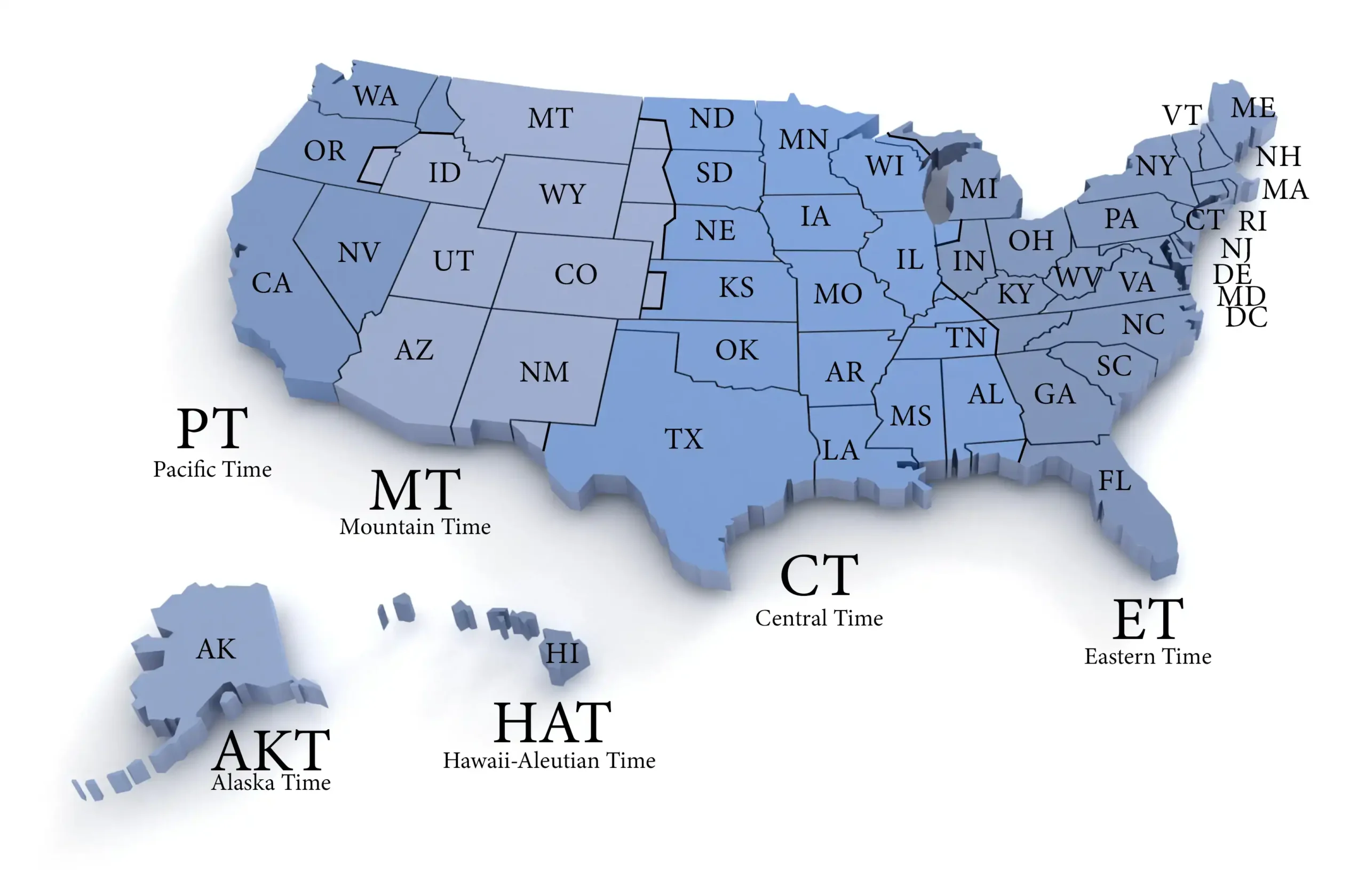
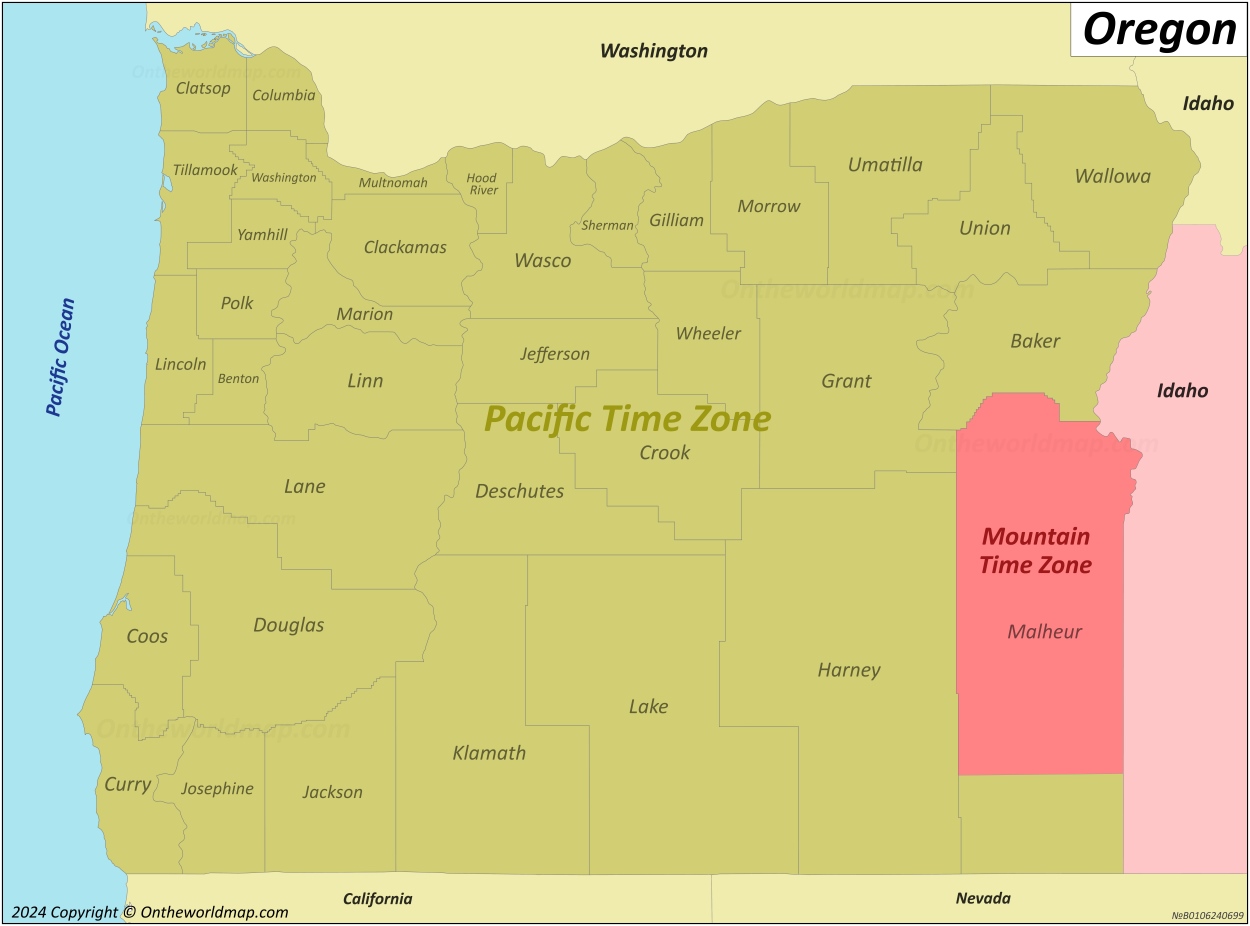
Oregon primarily observes the Pacific Time Zone. This means that for a significant portion of the year, usually from early November to mid-March, the state operates on Pacific Standard Time (PST), which is UTC-8. When Daylight Saving Time begins in the spring (typically the second Sunday in March), Oregon switches to Pacific Daylight Time (PDT), moving the clocks forward by an hour to UTC-7. This shift allows for longer daylight hours in the evenings, perfect for extended outdoor activities and sightseeing. The transition back to PST occurs on the first Sunday in November. While the vast majority of Oregon adheres to this schedule, it’s worth noting that a small portion of eastern Oregon, particularly areas bordering Idaho in Malheur County, observes the Mountain Time Zone. However, for most travelers focusing on the state’s major attractions and cities, the Pacific Time Zone is the one to remember.
The Impact of Time Zones on Travel Planning
The seemingly simple act of changing a clock has profound implications for travel logistics. For international visitors or those crossing multiple time zones within the US, understanding the shift is crucial for managing jet lag. Gradually adjusting your sleep schedule a few days before departure can ease the transition. More practically, all flight arrival and departure times, hotel check-in and check-out windows, and pre-booked tour schedules will be based on Oregon’s local time. Failing to account for this could lead to missed connections, forfeited bookings, or simply unnecessary stress. When communicating with local businesses, attractions like the Oregon Zoo, or tour operators, always confirm their operating hours in local Oregon time. Many online booking platforms automatically adjust to your device’s current time zone, so always double-check the final confirmation for clarity. This diligent approach ensures that your arrival in Oregon is smooth and sets a positive tone for the adventures ahead.
Maximizing Your Oregon Experience: Time-Sensitive Adventures and Delights
Oregon’s diverse landscapes and vibrant cities offer a tapestry of experiences, many of which are enhanced or dictated by the time of day. Knowing when to catch a breathtaking sunrise, when to embark on a thrilling hike, or when to savor a gourmet meal can elevate your trip from good to unforgettable.
Morning Charms: From Coastal Sunrises to City Bustle
The early hours in Oregon unveil a unique charm, perfect for those eager to start their day with beauty or a burst of activity. Along the Oregon Coast, a sunrise over the Pacific, particularly at iconic spots like Cannon Beach with Haystack Rock silhouetted against the dawn sky, is a photographer’s dream and a soul-soothing spectacle. Arriving early means fewer crowds and often clearer views. In urban hubs like Portland, mornings are synonymous with the city’s legendary coffee culture. Head to a local cafe for a meticulously brewed cup and watch the city come alive. For nature enthusiasts, the cool, crisp morning air is ideal for hiking. The trails of the Columbia River Gorge, home to majestic waterfalls like Multnomah Falls, are often less crowded in the morning, allowing for a more serene experience before the midday rush. Starting your day early maximizes your daylight hours, particularly important during the shorter days of late autumn and winter.
Afternoon Exploration: Wineries, Waterfalls, and Urban Discoveries
As the morning transitions into afternoon, Oregon opens up a wealth of experiences perfectly suited for the midday sun. The Willamette Valley, renowned for its world-class Pinot Noir, is best explored in the afternoon. Many wineries offer tastings and tours that allow you to savor the region’s bounty at a leisurely pace, often paired with stunning vineyard views. Lunch in a charming Willamette Valley town can be a highlight. For those captivated by natural wonders, the afternoon is still prime time for visiting waterfalls and natural parks. While Multnomah Falls can get busy, other gems within the Columbia River Gorge or further afield offer spectacular views. Urban explorers can delve into Portland’s diverse neighborhoods, browse unique boutiques, or visit museums and galleries. Attractions such as the Oregon Zoo or the Oregon Museum of Science and Industry (OMSI) often have their peak visitation in the afternoon, so planning for potential crowds or booking timed entry tickets can be beneficial.
Evening Elegance: Dining, Entertainment, and Stargazing
As daylight fades, Oregon’s evenings offer a different kind of magic, from world-class dining to celestial spectacles. Portland’s culinary scene truly shines in the evening, with a plethora of farm-to-table restaurants, innovative eateries, and lively food carts offering unforgettable dining experiences. After dinner, consider catching a show at one of Portland’s many live music venues, theaters, or comedy clubs. Along the Oregon Coast, the sunsets are legendary, painting the sky with fiery hues. Finding a scenic viewpoint or a beachfront restaurant to witness this daily marvel is a must-do. For an even more profound evening experience, head to less light-polluted areas like Crater Lake National Park or the Oregon High Desert. These locations offer unparalleled opportunities for stargazing, with the Milky Way often visible on clear nights. Understanding the local time helps you plan your reservations, arrive punctually for performances, and find the perfect spot to unwind as the day concludes.

Accommodation and Logistics: Mastering Your Oregon Stay by the Clock
A successful trip hinges on meticulous planning, and nowhere is this more evident than in managing your accommodation and travel logistics. From hotel check-ins to tour departures, every element is time-bound, making an understanding of Oregon’s time essential.
Navigating Check-in and Check-out Times
Standard hotel check-in times in Oregon, like most places, typically fall in the mid-afternoon, often between 3:00 PM and 4:00 PM local time. Check-out is usually by 11:00 AM or 12:00 PM. These times are crucial, especially if your flight arrives early in the morning or departs late in the evening. If you arrive hours before check-in, you might face a wait, although many hotels, like The Nines, a Luxury Collection Hotel, Portland, offer luggage storage. It’s always advisable to contact your specific accommodation in advance if you anticipate needing an early check-in or late check-out. Some hotels might accommodate your request for a fee, while others, particularly during off-peak seasons or with loyalty program benefits, might offer it complimentary. Resorts along the Oregon Coast such as Salishan Coastal Lodge might have slightly different policies based on their unique offerings. Confirming these details in Oregon’s local time prevents any unwelcome surprises and ensures a smooth start and finish to your stay.
Planning Day Trips and Tours Around Your Schedule
Oregon is a state begging to be explored, often requiring travel between its diverse regions. Planning day trips from cities like Portland to the Willamette Valley for wine tasting, or from Eugene to the Oregon Coast, necessitates careful time management. Consider the driving times, which can vary greatly depending on traffic and route, especially around urban areas or during peak tourist seasons. Most guided tours, whether for hiking the Columbia River Gorge, exploring Bend’s breweries, or visiting Crater Lake National Park, operate on fixed schedules. Booking these well in advance, and noting their start and end times in local Oregon time, is essential to secure your spot and integrate them seamlessly into your itinerary. Remember to factor in travel time to and from departure points, and allow for buffer time to account for unexpected delays. Efficient time planning ensures you experience all the highlights without feeling rushed or missing out on any of Oregon’s incredible offerings.
Living Like a Local: Oregon’s Rhythm and Seasonal Shifts
To truly experience Oregon means more than just visiting landmarks; it means understanding its pulse, its seasonal changes, and how time influences local life and culture. This deeper insight allows for a more authentic and enriching travel experience.
Seasonal Considerations: Time of Year vs. Time of Day
While the clock governs the hours of your day, the time of year profoundly impacts the available daylight and weather patterns in Oregon, shaping what activities are feasible and enjoyable. Summer (June to August) offers the longest daylight hours, often extending past 9:00 PM, perfect for late evening hikes, festivals, and outdoor dining. This is peak tourist season, meaning attractions like the Oregon Shakespeare Festival in Ashland are in full swing, but also implies larger crowds and higher prices. Autumn (September to November) brings stunning fall foliage and still pleasant temperatures, with daylight gradually shortening. This is an ideal time for Willamette Valley wine tours as harvest season begins. Winter (December to February) features the shortest days, often with sunrise closer to 7:30 AM and sunset before 5:00 PM, especially before the PDT shift. This time of year is excellent for cozy indoor activities, exploring Portland’s museums and culinary scene, or hitting the slopes at resorts like Mount Hood Skibowl. Spring (March to May) sees daylight hours steadily increasing, with blooming wildflowers and vibrant greenery, making it perfect for exploring the Columbia River Gorge or the Oregon Coast. Understanding these seasonal shifts helps you pack appropriately, plan your itinerary, and manage expectations regarding daylight availability for outdoor pursuits.
Embracing Oregon’s Pace: From Bustling Cities to Serene Wilderness
Beyond the official time, there’s a natural rhythm to life in Oregon that travelers can learn to appreciate. In cities like Portland and Eugene, businesses generally adhere to standard hours, with restaurants and shops staying open later into the evening, especially on weekends. However, as you venture into smaller towns, rural communities, or wilderness areas, the pace tends to slow down. Shops might close earlier, and dining options might be more limited after a certain hour. National and state parks, such as Crater Lake National Park, often have specific gate opening and closing times, or visitor center hours that are important to note. Embracing this varied pace means being prepared: check opening hours for specific attractions in advance, especially if traveling during off-peak seasons. It also means allowing yourself to disconnect from rigid schedules occasionally and simply soak in the natural beauty or local culture. Whether you’re exploring the vibrant street art of Portland or the quiet solitude of the Oregon High Desert, understanding and adapting to Oregon’s unique sense of time enhances your ability to connect with the destination on a deeper, more meaningful level.
In conclusion, while the question “What Time Is It In Oregon, US?” has a simple answer (PST or PDT depending on the season), its implications for travel are far-reaching. By understanding Oregon’s time zone, accounting for daylight saving shifts, and integrating this knowledge into your travel planning, you empower yourself to create an itinerary that is both efficient and deeply rewarding. From timing your visits to world-class wineries and iconic landmarks to navigating accommodation logistics and immersing yourself in local customs, a mindful approach to time will unlock the full spectrum of experiences this magnificent state has to offer. So, set your watch to Oregon time, and prepare for an unforgettable journey.