
Understanding the precise time in Puerto Rico is a fundamental piece of information for any traveler planning an itinerary, booking accommodations, or simply trying to connect with loved ones on the island. This Caribbean jewel, a U.S. territory, operates on a distinct time zone that aligns with much of the Eastern Standard Time zone in North America, but with a crucial difference: it does not observe daylight saving time. This consistency simplifies planning for many, yet it’s essential to grasp the nuances to avoid miscalculations.
Understanding Puerto Rico’s Time Zone
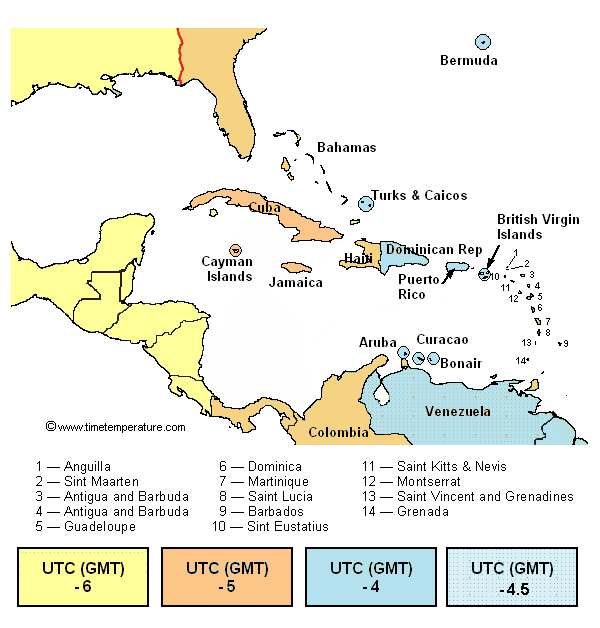
Puerto Rico observes the Atlantic Standard Time (AST) zone. This zone is UTC-4, meaning it is four hours behind Coordinated Universal Time (UTC). For most of the year, this aligns perfectly with Eastern Daylight Time (EDT) in the continental United States. However, when the continental U.S. shifts to Eastern Standard Time (EST) in the fall, Puerto Rico remains on AST, creating a one-hour difference where it becomes two hours behind EST. This consistent, non-observance of daylight saving time is a defining characteristic of the island’s temporal landscape.
The Significance of AST
The adoption of AST provides a stable temporal reference for Puerto Rico. This stability is particularly beneficial for businesses operating between the island and the mainland, as well as for coordinating travel plans. Unlike many regions that adjust their clocks twice a year, Puerto Rico remains constant. This means that if you are calling from New York City during the summer months, when NYC is on EDT, the time in Puerto Rico (also on AST) will be the same. However, during the winter months, when New York City switches to EST, Puerto Rico will be one hour behind.
Navigating Daylight Saving Time Differences
The absence of daylight saving time in Puerto Rico can sometimes lead to confusion for those accustomed to the biannual clock changes. When planning a trip, it’s crucial to remember this distinction. For example, if you are in Chicago, which observes Central Daylight Time (CDT) and then Central Standard Time (CST), you will need to account for the difference. During daylight saving time in Chicago, the island will be two hours ahead. Once Chicago reverts to standard time, Puerto Rico will be one hour ahead. This constant one-hour difference between AST and EST is a key factor to remember.
Practical Implications for Travelers
The time zone of Puerto Rico has direct implications for various aspects of travel, from booking flights and accommodations to scheduling activities and staying in touch with home. Understanding these practicalities can ensure a smoother and more enjoyable experience on the island.
Booking Flights and Accommodations
When booking flights into and out of airports like Luis Muñoz Marín International Airport (SJU) in San Juan, it’s imperative to verify that flight times are listed in local Puerto Rico time. Most booking systems will automatically adjust for the destination’s time zone, but it is always wise to double-check. Similarly, when reserving a room at a hotel such as the Caribe Hilton or a rental villa, ensure that check-in and check-out times are understood in relation to your own local time and Puerto Rico’s AST. This prevents last-minute rushes or unnecessary waiting periods.
Scheduling Tours and Activities
Puerto Rico offers a wealth of activities, from exploring the historic streets of Old San Juan to embarking on adventures in the El Yunque National Forest. Tour operators and activity providers will operate on AST. When booking a rainforest tour, a catamaran excursion to Culebra, or a bioluminescent bay tour in Vieques, confirm the start times meticulously. If your tour departs at 9:00 AM AST, and you are coming from a time zone that is two hours behind, you will need to be ready by 7:00 AM in your local time.
Staying Connected
Maintaining contact with family and friends back home requires an awareness of the time difference. Scheduling phone calls or video conferences will be significantly smoother if you know the current time in both your location and Puerto Rico. For instance, if you wish to call a friend in Los Angeles (Pacific Standard Time) at 7:00 PM their time, you would be calling them at 10:00 PM in Puerto Rico, as Los Angeles is three hours behind AST. This careful coordination ensures you are not calling at an inconvenient hour for either party.

Embracing the Island’s Rhythm
Beyond the technicalities of time zones, understanding the local rhythm of Puerto Rico can profoundly enhance a traveler’s experience. The island operates on a pace that often encourages a more relaxed approach, sometimes referred to as “island time.” While this is not an official time zone, it reflects a cultural inclination towards flexibility and enjoying the present moment.
Island Time and Cultural Adaptations
While clocks and schedules are essential for logistics, travelers are often encouraged to embrace the laid-back attitude prevalent on the island. This might mean that a meal reservation could be slightly delayed, or a planned meeting might not start precisely on the dot. This is not necessarily due to poor timekeeping but rather a reflection of a culture that prioritizes human connection and enjoying life’s moments. Learning to go with the flow and adapt to these subtle differences can lead to a more authentic and less stressful vacation. It’s about appreciating the unhurried pace that allows for genuine interactions and a deeper connection with the local environment and people.
Sunrise and Sunset Considerations
The predictable timing of sunrise and sunset in Puerto Rico is crucial for planning outdoor activities. As a tropical destination, the days are relatively consistent in length throughout the year, with sunsets occurring earlier in the winter months and later in the summer. Knowing the exact times for these natural phenomena can help you schedule beach visits, photography sessions, or romantic dinners with a view. For example, catching the sunset from a viewpoint in Ponce or along the coast of Rincón requires an awareness of the AST clock.
Adapting Your Schedule
When traveling to Puerto Rico from a significantly different time zone, especially those observing daylight saving time, it’s beneficial to gradually adjust your internal clock before arrival. This proactive approach can mitigate the effects of jet lag. By shifting your sleep and wake times incrementally in the days leading up to your departure, you can arrive feeling more refreshed and ready to explore. This includes aligning your mealtimes and activity schedules with the anticipated local AST.
Planning Your Puerto Rico Itinerary
A well-planned itinerary is the backbone of a successful trip, and understanding the time in Puerto Rico is a critical component of this planning process. By integrating the knowledge of AST and its consistent observance, travelers can create a realistic and enjoyable schedule that maximizes their time on this vibrant island.
Leveraging Local Resources
Numerous online resources and travel apps can provide real-time information on the current time in Puerto Rico. These tools are invaluable for last-minute checks and for ensuring accuracy. Additionally, most reputable travel agencies and tour operators will be well-versed in the island’s time zone and can assist in scheduling activities appropriately. It’s always advisable to cross-reference information from multiple sources to confirm accuracy.
Example Itinerary Integration
Consider an example of a day in San Juan. If you plan to start your day with a visit to Castillo San Felipe del Morro at 9:00 AM AST, and you are coming from a time zone that is two hours ahead (e.g., EST during winter), you would need to be awake and ready for breakfast by 7:00 AM local time. Following your historical exploration, a leisurely lunch in Old San Juan might commence around 1:00 PM AST. Later in the afternoon, perhaps a beach visit to Condado before a 7:00 PM AST reservation at a restaurant in the trendy Santurce district. Each activity is precisely placed within the framework of Atlantic Standard Time, ensuring a seamless flow of the day.

Final Checks Before Departure
In the days and hours leading up to your departure for Puerto Rico, conduct a final review of your itinerary and all scheduled bookings. Confirm all times are indeed in local Puerto Rico time (AST). This final check can prevent any potential misunderstandings and ensure your journey begins on the right temporal footing, allowing you to fully immerse yourself in the beauty and culture of this captivating island.
LifeOutOfTheBox is a participant in the Amazon Services LLC Associates Program, an affiliate advertising program designed to provide a means for sites to earn advertising fees by advertising and linking to Amazon.com. Amazon, the Amazon logo, AmazonSupply, and the AmazonSupply logo are trademarks of Amazon.com, Inc. or its affiliates. As an Amazon Associate we earn affiliate commissions from qualifying purchases.