
Embarking on a journey to the heartland of America, particularly to a state as diverse and captivating as South Dakota, often involves meticulous planning. From mapping out iconic landmarks to securing the perfect accommodation and delving into local culture, every detail contributes to a memorable travel experience. However, one fundamental aspect that many travelers might overlook until they are en route is the intricate dance of time zones. In South Dakota, understanding local time isn’t just a matter of adjusting your watch; it’s a critical element that shapes your itinerary, impacts your ability to connect with local tourism services, and ultimately, dictates how seamlessly your adventure unfolds.
Unlike many states that uniformly adhere to a single time zone, South Dakota straddles two distinct time zones: the Central Time Zone (CT) and the Mountain Time Zone (MT). This geographical quirk, driven by historical and logistical considerations, adds an extra layer of complexity and charm to exploring the state. For travelers, this means that depending on where you are within South Dakota, the time could vary by a full hour. From the bustling streets of Sioux Falls in the east to the majestic Black Hills in the west, your perception of “what time it is” is constantly shifting. This guide aims to demystify South Dakota’s time zones, offering essential insights for planning your trip, optimizing your schedule, and ensuring that every moment of your stay is spent exploring rather than calculating.
Navigating South Dakota’s Dual Time Zones
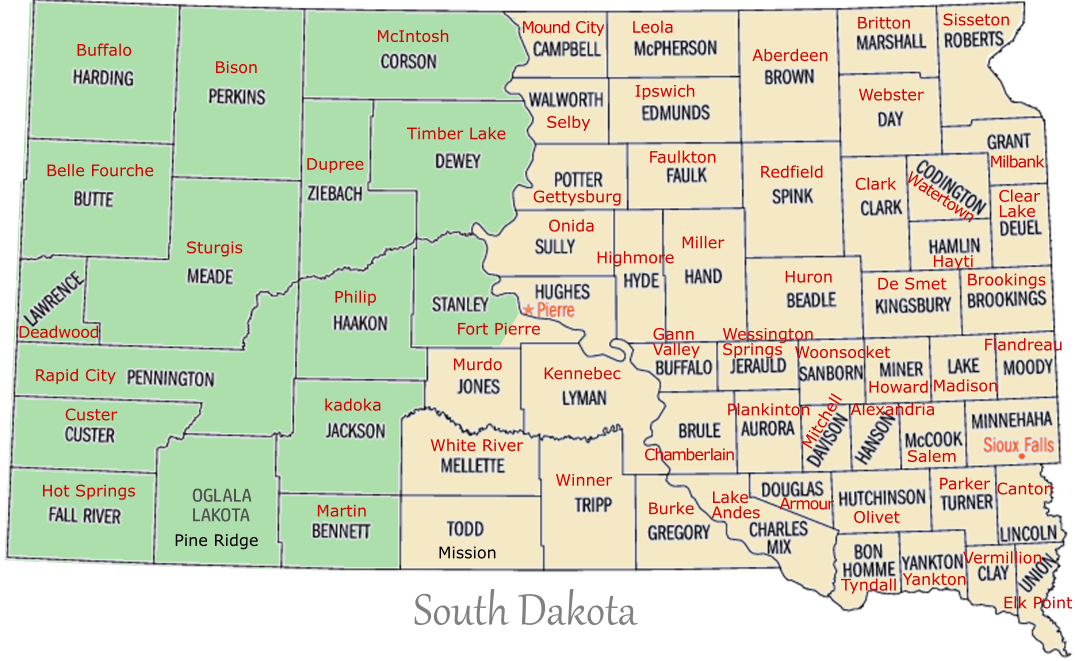
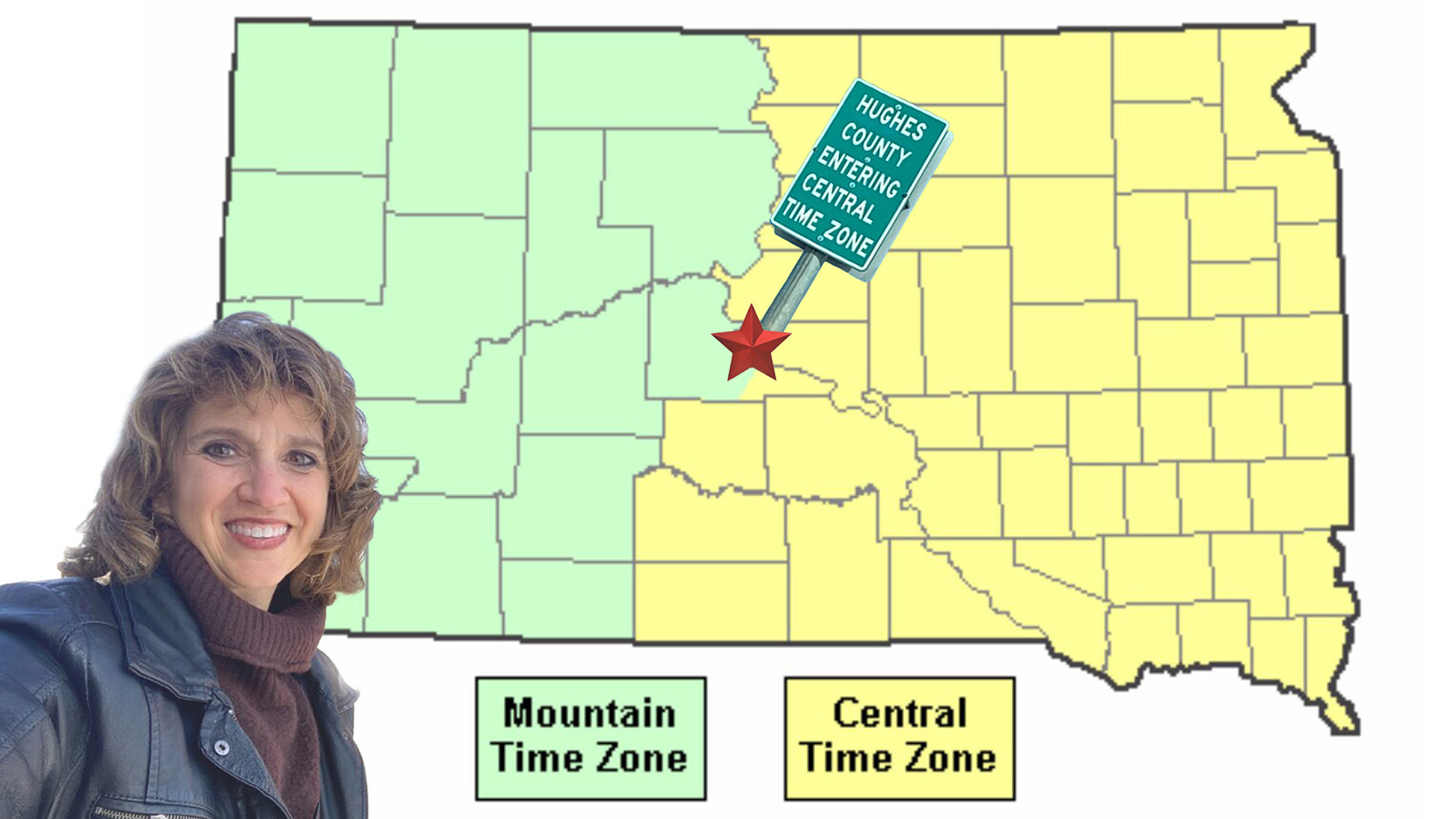
Understanding the geographical split of South Dakota into two time zones is the first step toward a smooth travel experience. Roughly, the eastern half of the state observes Central Time Zone (CT), which is UTC-6 during standard time and UTC-5 during Daylight Saving Time. This encompasses major cities like Sioux Falls, Aberdeen, and the state capital, Pierre. These areas largely align with the timekeeping of neighboring states to the east, making travel connections straightforward when coming from the Midwest.
Conversely, the western half of South Dakota, predominantly west of the Missouri River, operates on Mountain Time Zone (MT), which is UTC-7 during standard time and UTC-6 during Daylight Saving Time. This region includes iconic destinations such as Rapid City, the entirety of the Black Hills, and its world-renowned landmarks like Mount Rushmore and the Badlands National Park. The time difference here means that when it’s 10:00 AM in Sioux Falls, it’s 9:00 AM in Rapid City. This hour’s difference might seem minor, but it has significant implications for itineraries, especially when crossing the invisible time zone line.
All of South Dakota observes Daylight Saving Time, which means clocks spring forward an hour in March and fall back an hour in November. This synchronized adjustment ensures that the one-hour difference between Central Time Zone and Mountain Time Zone remains constant throughout the year. However, it’s crucial for travelers to be aware of these shifts, particularly if their visit spans the transition dates, as it can affect scheduled flights, hotel check-in times, and tour departures. Always confirm the local time of your destination when planning, and use reliable time zone converters to avoid any confusion. Being mindful of these nuances will ensure your travel plans remain on track, allowing you to immerse yourself fully in the wonders of the United States’ Dakota state without a hitch.
Time-Sensitive Travel Planning: Maximizing Your South Dakota Adventure
Navigating South Dakota’s dual time zones requires a strategic approach to planning, especially if your itinerary involves traversing the state from east to west or vice-versa. A clear understanding of how time differences impact your schedule can turn potential logistical headaches into seamless transitions, ensuring you maximize every precious moment of your trip.
Strategic Itinerary Building
The key to a successful South Dakota adventure lies in a meticulously crafted itinerary that accounts for the time zone split. If you’re flying into Sioux Falls (CT) and plan to immediately drive to the Black Hills region (MT), remember that you will effectively gain an hour upon arrival in the western part of the state. This can be a blessing, providing an extra hour of daylight for exploration on your arrival day, or a potential pitfall if you haven’t adjusted your expectations for appointment times. For instance, a 3 PM tour booked in Rapid City will feel like 4 PM if you are transitioning from Central Time Zone, making a prompt arrival more challenging.
When planning activities, consider grouping destinations within the same time zone. Dedicate specific days to exploring the Central Time Zone attractions around Sioux Falls and Pierre, such as the South Dakota State Capitol or exploring the shores of Lake Oahe. Then, shift your focus to the Mountain Time Zone for a concentrated exploration of Mount Rushmore, Badlands National Park, Custer State Park, and the historic town of Deadwood. This approach minimizes the mental gymnastics of time adjustments and allows for more efficient travel between attractions. Always factor in travel time between locations, keeping in mind that the vast expanses of South Dakota can make drives longer than anticipated, and an unexpected time zone change can further complicate arrival estimates.
Booking Accommodation Across Time Zones
The careful selection and booking of hotels, resorts, suites, or villas are paramount, and time zones play a crucial role here. Most booking platforms will display times in the local time of the property, but it’s always wise to double-check. A hotel in Rapid City will quote check-in and check-out times in Mountain Time Zone, while a Sioux Falls establishment will use Central Time Zone.
Confusion can arise if you’re traveling from one time zone to another within the state on the same day. Imagine you’ve checked out of your Sioux Falls hotel at 11:00 AM CT and have a booking for a Rapid City hotel with a 3:00 PM MT check-in. Factoring in the drive, which can be around 5-6 hours, you’d arrive in Rapid City around 4:00 PM MT. This means you’d miss your desired check-in time or feel rushed. Always confirm with your chosen accommodation provider the exact local time for all arrival and departure procedures. This proactive step helps prevent unexpected delays or forfeiting early check-in or late check-out privileges due to time zone miscalculations. When comparing options, especially for long-term stays or specific amenities, clarity on local time ensures your booking aligns perfectly with your travel rhythm.
Culinary Delights and Local Events: Timing is Everything
Exploring the local culture through food and events is a cornerstone of any great trip, and South Dakota offers a unique blend of experiences. However, the timing of these activities is inextricably linked to the local time zone. Restaurant opening and closing hours, particularly in smaller towns, strictly adhere to their local time. Arriving for a dinner reservation in Deadwood at what you think is 7:00 PM, only to find it’s 8:00 PM local time because you haven’t adjusted from Central Time Zone, could mean missing your table or the kitchen closing.
Similarly, attending local festivals, rodeos, or historical reenactments, such as those that might occur during the famous Sturgis Motorcycle Rally or smaller community gatherings, demands accurate time awareness. Event schedules are always published in local time. Missing the start of a parade, a concert, or a specific activity simply because of an hour’s discrepancy can be disappointing. When planning to immerse yourself in South Dakota’s vibrant local scene, from exploring quaint shops to enjoying farm-to-table cuisine, always verify the hours of operation and event timings in the local time zone of your specific destination. This attention to detail ensures you capture every authentic moment and flavor the state has to offer.
Experiencing South Dakota’s Landmarks and Lifestyle, On Time
South Dakota is a treasure trove of natural beauty, historical significance, and a distinct lifestyle. From monumental carvings to vast prairies, its attractions beckon travelers seeking adventure and enlightenment. To truly appreciate these experiences, punctuality and awareness of local operating hours, which are intrinsically tied to the respective time zones, are paramount.
Iconic Landmarks and Their Operating Hours
The state’s most celebrated landmarks are predominantly located in the western, Mountain Time Zone portion of South Dakota. This includes the majestic Mount Rushmore National Memorial, the awe-inspiring Crazy Horse Memorial, the rugged landscapes of Badlands National Park, and the scenic drives through Custer State Park and Black Hills. Each of these destinations has specific operating hours that can vary by season, and it is crucial to consult their official websites for the most up-to-date information, always noting the local time.
For example, arriving at Mount Rushmore for the evening lighting ceremony requires precise timing, as delays from a time zone miscalculation could lead to missing part of the event. Similarly, exploring the depths of Wind Cave National Park or Jewel Cave National Monument means adhering to tour schedules, which are strictly managed by local time. Even seemingly casual stops like the famous Wall Drug Store in Wall, South Dakota, a beloved roadside attraction, have set hours. For tourism operators and park rangers, “open at 8 AM” means 8 AM Mountain Time Zone in the west and 8 AM Central Time Zone in the east. Failure to recognize this can lead to missed opportunities, especially during peak seasons when entry lines are longer and tours are fully booked. Planning your visits to these attractions with precise time zone awareness ensures you make the most of your explorations without feeling rushed or being locked out.
Lifestyle and Leisure: Synchronizing with Local Rhythms
Beyond the major landmarks, South Dakota’s unique lifestyle and leisure activities also require a keen sense of time. Whether you’re indulging in luxury travel with spa appointments in Rapid City or embarking on a budget travel adventure involving hiking in Spearfish Canyon, local time dictates the rhythm. For family trips, managing children’s schedules and ensuring they get adequate rest, especially when crossing time zones, can be challenging but essential for a harmonious journey. Early morning wildlife drives in Custer State Park or fishing excursions on the Missouri River will always depart on local time, and missing the golden hour for photography or the best biting times for fish can detract from the experience.
For business stays in Sioux Falls or Rapid City, understanding the local time is non-negotiable for meetings, conferences, and networking events. You wouldn’t want to be an hour late for an important client meeting because of a time zone oversight. Even simple interactions, like visiting local shops, museums, or attending a local rodeo, are governed by the specific time zone of that community. Embracing these local rhythms by adjusting your internal clock and external schedules is key to a truly immersive and stress-free South Dakota experience.
Practical Tips for a Seamless South Dakota Journey
To ensure your exploration of South Dakota is as smooth as possible, here are some practical tips to keep in mind regarding its dual time zones:
- Set Your Devices Automatically: Most modern smartphones and digital devices automatically adjust to the local time zone when they detect a change in location. Ensure this feature is enabled on your phone, tablet, and smartwatches. However, always do a quick manual check, especially after crossing the Missouri River if you’re driving, to confirm your device has updated correctly.
- Double-Check All Bookings: Before your trip, and especially for activities scheduled on days you’ll be crossing time zones, reconfirm all flight times, hotel check-in/check-out, tour departures, and restaurant reservations, explicitly asking for the local time of the service provider. This eliminates any ambiguity.
- Carry a Physical Watch: While digital devices are convenient, a traditional analog watch can serve as a reliable backup, or even better, set it to one of South Dakota’s time zones as a constant reference. Some travelers even wear two watches: one for Central Time Zone and one for Mountain Time Zone when traversing the state frequently.
- Allow Buffer Time: When driving between the eastern and western halves of the state, always build in extra buffer time. Not only does this account for the hour’s difference, but it also provides leeway for unexpected stops, scenic detours, or traffic.
- Inform Your Contacts: If you have family or friends who need to reach you, make sure they are aware of South Dakota’s dual time zones. Providing them with your specific itinerary, including which time zone you’ll be in at various points, can prevent missed calls or confusion.
- Embrace the Change: Think of the time zone transition as part of the adventure. It’s a unique characteristic of South Dakota that adds a quirky layer to its identity. By being prepared, you can turn a potential challenge into a fascinating aspect of your travel story.

In conclusion, understanding “What time is it in South Dakota?” is more than just a trivial question; it’s a foundational piece of information for any well-planned trip to this magnificent state. Whether you’re exploring the historic streets of Deadwood, marveling at Mount Rushmore, or enjoying the vibrant culture of Sioux Falls, an awareness of its dual time zones will significantly enhance your travel efficiency, enjoyment, and overall experience. So, set your watches, plan wisely, and prepare to embark on an unforgettable journey through the diverse landscapes and rich history of South Dakota, making sure every moment counts.
LifeOutOfTheBox is a participant in the Amazon Services LLC Associates Program, an affiliate advertising program designed to provide a means for sites to earn advertising fees by advertising and linking to Amazon.com. Amazon, the Amazon logo, AmazonSupply, and the AmazonSupply logo are trademarks of Amazon.com, Inc. or its affiliates. As an Amazon Associate we earn affiliate commissions from qualifying purchases.