
For any traveler planning a visit to the vibrant city of San Francisco, California, knowing the current time is far more than a simple fact – it’s a fundamental piece of information that dictates everything from flight schedules and hotel check-ins to sightseeing plans and dining reservations. As a premier destination for travel, tourism, and exceptional accommodation, San Francisco operates on a specific time rhythm that shapes the daily life of its residents and the experiences of its visitors.
Currently, San Francisco observes the Pacific Time Zone (PT). This means that for a significant portion of the year, typically from mid-March to early November, the city is on Pacific Daylight Time (PDT). During this period, it is UTC-7. For the remainder of the year, from early November to mid-March, San Francisco switches to Pacific Standard Time (PST), which is UTC-8. This time difference is crucial for anyone arriving from outside the Western United States, particularly international travelers, as it directly impacts jet lag and the immediate start of their San Francisco adventure. Understanding this temporal baseline is the first step in unlocking a seamless and unforgettable journey through the Golden City.
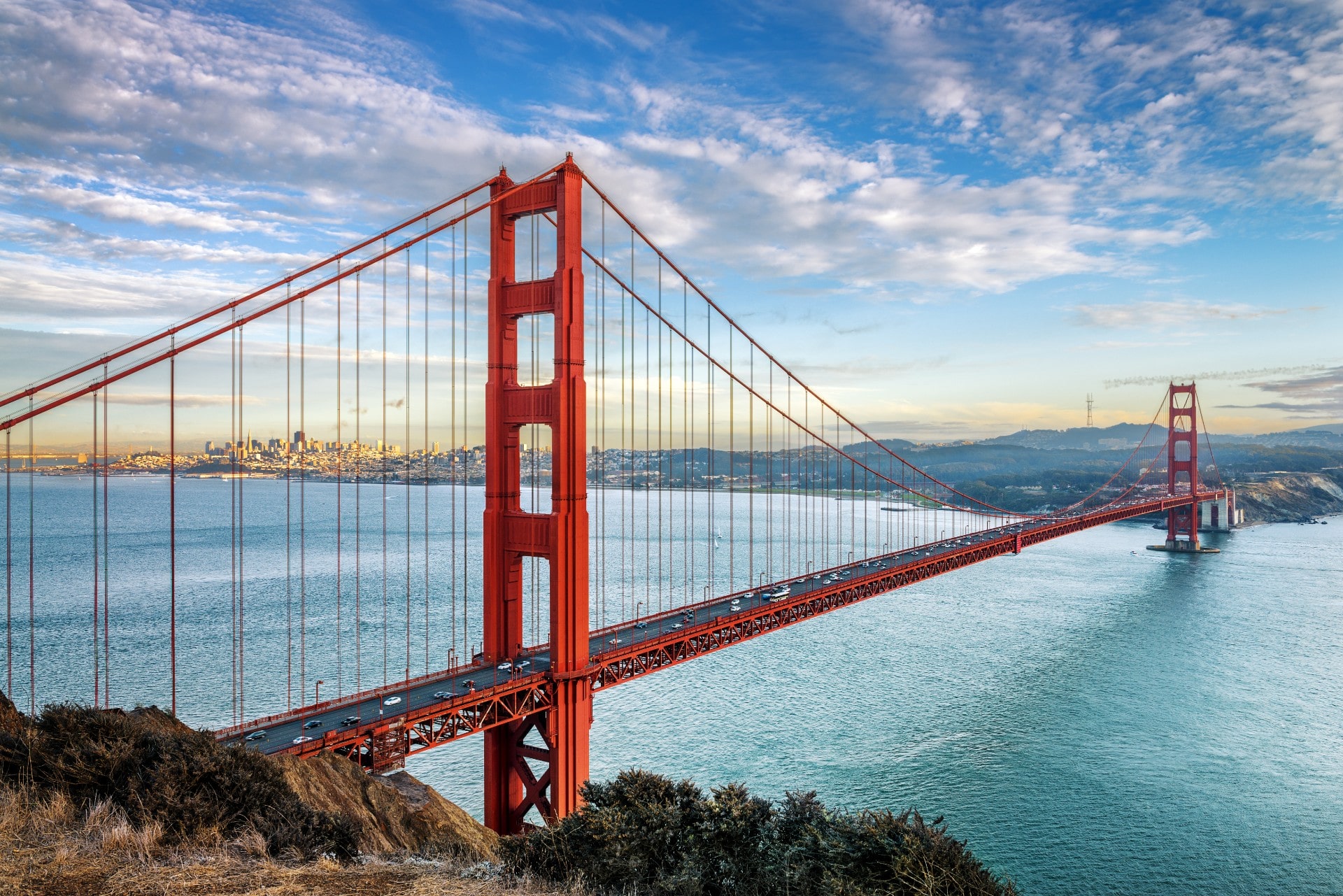
Navigating Time Zones: A Traveler’s Essential Guide to San Francisco
The world runs on a complex network of time zones, and understanding how they relate to San Francisco is paramount for any well-prepared traveler. Whether you’re flying in from New York, London, or Tokyo, the time difference will influence your initial hours and days in the city.
Understanding Pacific Time (PT) and Daylight Saving Time (DST)
San Francisco consistently adheres to the Pacific Time Zone, which is shared by other western states in the United States like Washington and Oregon. The distinction between Pacific Standard Time (PST) and Pacific Daylight Time (PDT) is key. PST is observed during the winter months, placing San Francisco eight hours behind Coordinated Universal Time (UTC-8). As spring arrives, specifically on the second Sunday in March, San Francisco “springs forward” an hour to PDT, aligning itself seven hours behind UTC (UTC-7). This change typically occurs at 2:00 AM local time. Conversely, on the first Sunday in November, the clocks “fall back” an hour, returning to PST.
This shift, while seemingly minor, significantly impacts daylight hours. During PDT, evenings extend longer, allowing for more outdoor activities and extended sightseeing opportunities under natural light. This can be particularly appealing for visitors exploring landmarks like the Golden Gate Bridge or enjoying an al fresco dining experience. Conversely, PST brings earlier sunsets, which might encourage travelers to plan indoor activities or evening events earlier in the day. Awareness of these shifts is a hallmark of intelligent travel planning.
The Impact on Your Travel Plans
The time difference can profoundly affect various aspects of your journey and overall experience in San Francisco:
- Jet Lag: For those crossing multiple time zones, particularly from the east coast of the United States or international destinations, jet lag is a significant factor. Arriving in San Francisco from a place like New York (Eastern Time, ET) means losing three hours. From London (Greenwich Mean Time, GMT), it could be eight hours, and from Tokyo, a staggering sixteen hours. Planning for initial rest or light activities upon arrival can help mitigate the effects of jet lag, ensuring you’re refreshed to explore.
- Flight Bookings and Connections: Always double-check flight times in relation to the local time at your departure, layover, and arrival airports. A miscalculation can lead to missed connections or unexpected delays. Many online booking platforms automatically adjust times, but a manual confirmation is always a good practice.
- Hotel Check-in/Check-out: Standard check-in times for most hotels and accommodations in San Francisco are typically between 3:00 PM and 4:00 PM, with check-out around 11:00 AM or 12:00 PM local time. If you arrive early after a long flight, inquire about early check-in availability or luggage storage options. Many high-end establishments, like The St. Regis San Francisco or the Palace Hotel, offer amenities to make your transition smoother.
- Communication: Coordinating with family, friends, or business contacts back home requires careful consideration of time differences. Scheduling calls or virtual meetings involves balancing your San Francisco activities with their local availability.
San Francisco’s Rhythms: What to Do and When
San Francisco is a city that buzzes with activity from dawn until long after dusk. Understanding the city’s temporal rhythms allows you to optimize your itinerary, ensuring you experience the best it has to offer at the most opportune moments. This knowledge forms a core part of effective tourism planning.
Morning Adventures and Brunch Delights
San Francisco awakens with a gentle fog and the promise of a vibrant day. Early mornings, usually between 7:00 AM and 10:00 AM, are ideal for activities that benefit from fewer crowds and cooler temperatures. Consider a sunrise walk or bike ride across the iconic Golden Gate Bridge, where the views of the city skyline and Alcatraz Island are often breathtaking. For those seeking active lifestyle experiences, a jog through Golden Gate Park offers serene beauty.
Following your morning explorations, San Francisco’s brunch scene, typically from 10:00 AM to 2:00 PM, is legendary. Popular spots across neighborhoods like the Mission District or North Beach fill up quickly, so making reservations, especially on weekends, is highly recommended. Enjoying a leisurely brunch with views of the bay or amidst charming Victorian architecture sets a delightful tone for the day.
Afternoon Explorations and Cultural Immersion
The afternoon in San Francisco, from around 1:00 PM to 5:00 PM, is perfect for diving into the city’s rich cultural tapestry and exploring its diverse attractions. This is the prime time to visit world-class museums such as the California Academy of Sciences or the de Young Museum in Golden Gate Park, or the Asian Art Museum near City Hall.
For more iconic sightseeing, consider a visit to Fisherman’s Wharf and Pier 39, where sea lions lounge and street performers entertain. Tickets for tours to Alcatraz Island are often booked months in advance, so securing them early is crucial, and afternoon slots are very popular. Other afternoon activities could include navigating the curves of Lombard Street, exploring the vibrant shops around Union Square, or admiring the architectural beauty of the Palace of Fine Arts. Many of these landmarks have specific opening and closing hours, usually winding down by 5:00 PM or 6:00 PM, so planning your visits accordingly prevents disappointment.
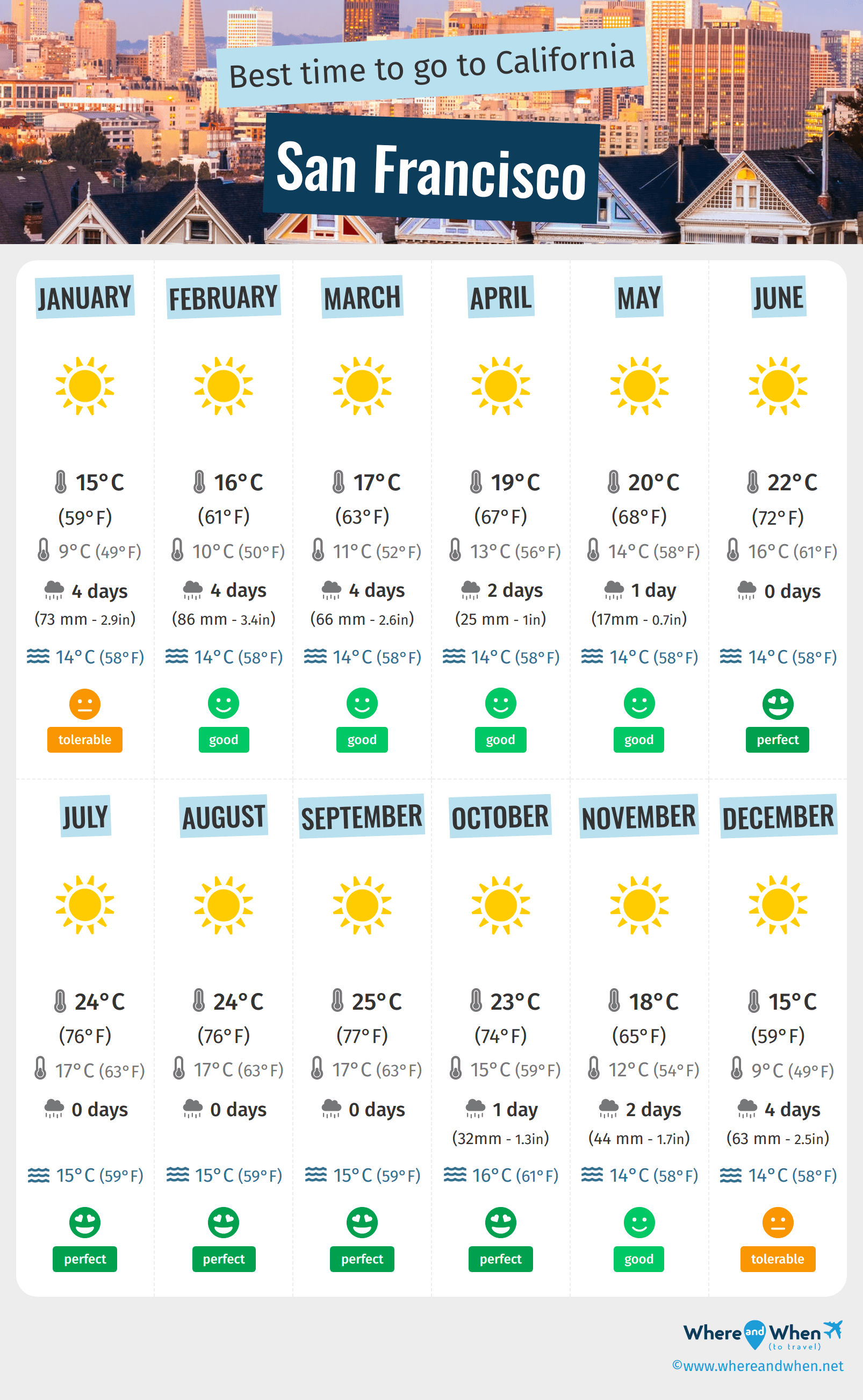
Evening Experiences and Nightlife
As the sun begins to set over the Pacific, San Francisco transforms, offering a plethora of evening experiences. Dinner reservations typically start from 6:00 PM onwards, and given San Francisco’s renowned culinary scene, booking ahead for popular restaurants, especially those offering stunning bay views or Michelin-starred experiences, is highly advisable.
After dinner, the city’s cultural venues come alive. Catch a Broadway show in the Civic Center area, enjoy live music in a intimate club, or explore the bustling bars and lounges in the Marina or SOMA districts. For a truly memorable experience, take a sunset cruise on San Francisco Bay, offering unparalleled views of the Golden Gate Bridge and the city lights. Coit Tower also offers fantastic evening panoramas, though its internal viewing hours may be limited.
Accommodations and Logistics: Timing Your Stay in the Golden City
Effective planning for accommodation and logistics is a cornerstone of a stress-free trip. Understanding the timing nuances of hotels, transportation, and popular spots in San Francisco is essential for both luxury travel and budget travel experiences.
Check-in, Check-out, and Maximizing Your Hotel Experience
The timing of your arrival and departure plays a crucial role in your hotel experience. As mentioned, standard check-in times are usually in the mid-afternoon, allowing housekeeping to prepare rooms. If your flight lands early in the morning, arriving at your hotel around 9:00 AM means you’ll likely face a wait for your room. Many properties, from boutique Hotel Zeppelin San Francisco to grand establishments like the Fairmont San Francisco, offer luggage storage, enabling you to drop off your bags and start exploring immediately. This can be a fantastic way to maximize your first day without being tethered to your luggage.
Similarly, check-out times are typically by noon. If you have a late afternoon or evening flight, requesting a late check-out might be an option, though it often comes with an additional fee or depends on the hotel’s occupancy. Alternatively, you can store your luggage and enjoy a few more hours of sightseeing or dining before heading to San Francisco International Airport. When comparing resorts or apartments, always factor in their flexibility regarding these timings, as it can greatly impact your comfort and convenience.
Planning Around Peak Hours and Local Events
San Francisco is a bustling metropolis, and certain times of day bring increased crowds and traffic. Avoiding peak hours, usually 7:00 AM to 9:00 AM and 4:00 PM to 6:00 PM on weekdays, can significantly reduce your commute times and enhance your travel experience. Using the city’s excellent public transportation system, including the iconic Cable Car (which has its own Cable Car Museum), can be a fun and efficient way to navigate, but even these can be crowded during rush hour.
Beyond daily rhythms, being aware of local events, festivals, or conferences can make a substantial difference. Large events can lead to sold-out hotels, inflated prices, and congested areas around popular attractions. For example, a major tech conference in the SOMA district might make it harder to find a room at the Grand Hyatt San Francisco or increase wait times at nearby restaurants. Conversely, timing your visit to coincide with a specific festival, like the Cherry Blossom Festival or Fleet Week, can enrich your local culture experience, provided you plan well in advance. This foresight is crucial for any successful business stays or family trips.
Lifestyle and Leisure: Embracing San Francisco’s Pace
The true essence of San Francisco often lies in how visitors embrace its unique lifestyle and pace. From the tech-driven pulse of its financial district, home to towering structures like the Salesforce Tower and the Transamerica Pyramid, to the laid-back artistic vibe of its neighborhoods, time is experienced differently across the city.
Budgeting Your Time and Money
Time is an invaluable commodity, especially when traveling. Efficiently managing your time in San Francisco can directly impact your budget. For instance, visiting museums during their less crowded hours might allow you to explore more thoroughly and avoid long queues, thus making the most of your admission fee. Taking advantage of happy hour deals at local eateries or planning meals around specific restaurant promotions can offer significant savings. Many attractions, like the Exploratorium or the California Academy of Sciences, offer specific free days or discounted evenings, which can be a boon for budget travel if you plan your visit accordingly. Even knowing when the Ghirardelli Square shops are least busy can enhance your souvenir shopping experience.
Conversely, for those on a luxury travel itinerary, saving time often means investing in premium services. Fast-pass options for attractions, private tours, or staying at a hotel with dedicated concierge services like The Ritz-Carlton, San Francisco or Hotel Vitale can shave off waiting times and optimize your itinerary for maximum enjoyment and relaxation.
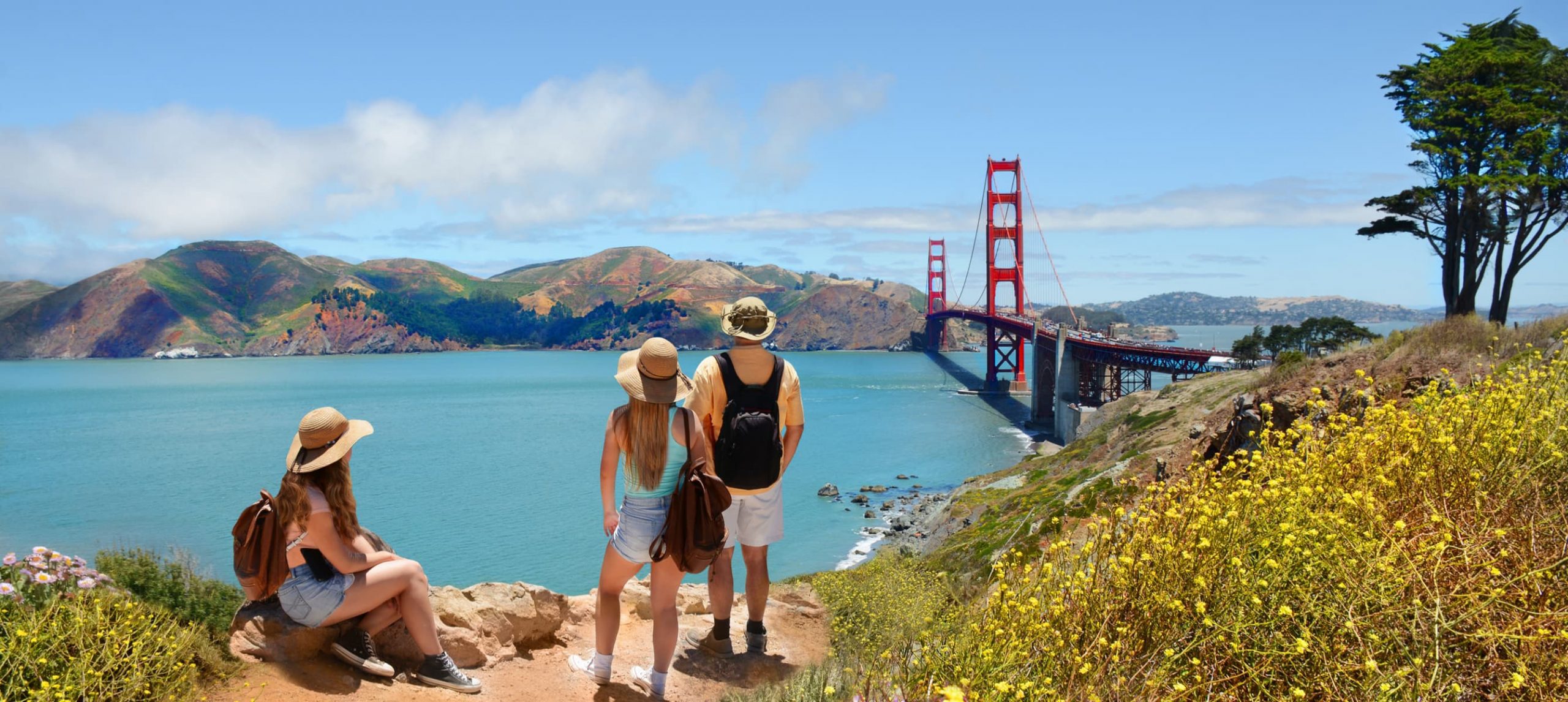
From Luxury Retreats to Family-Friendly Fun
The choice of accommodation often dictates how you spend your time. A stay at a centrally located boutique hotel like the Argonaut Hotel near Fisherman’s Wharf places you steps away from major attractions, reducing travel time and allowing for spontaneous exploration. Resorts offering extensive amenities might encourage more time spent on-site, enjoying pools, spas, or fine dining without needing to venture far.
For family trips, timing is crucial for maintaining children’s routines. Planning activities that align with nap times or early bedtimes, and ensuring easy access to kid-friendly dining options, makes for a smoother experience. Opting for suites or apartments provides more space and the flexibility to prepare meals, which can be invaluable for families or those on a long-term stay. Hotels like Hotel Nikko San Francisco cater well to diverse traveler needs. Understanding the city’s rhythms empowers you to craft an itinerary that aligns perfectly with your preferred travel style, whether it’s a whirlwind of sightseeing or a leisurely exploration of its hidden gems.
In conclusion, knowing “What Time Is It In San Francisco, California Now?” is the starting point for a well-orchestrated and deeply rewarding travel experience. From understanding time zones to strategically planning your days and nights, every temporal consideration contributes to maximizing your enjoyment of this incredible city. San Francisco’s magic unfolds at every hour, and with careful attention to its clock, you’re perfectly positioned to capture every moment.
LifeOutOfTheBox is a participant in the Amazon Services LLC Associates Program, an affiliate advertising program designed to provide a means for sites to earn advertising fees by advertising and linking to Amazon.com. Amazon, the Amazon logo, AmazonSupply, and the AmazonSupply logo are trademarks of Amazon.com, Inc. or its affiliates. As an Amazon Associate we earn affiliate commissions from qualifying purchases.