
Understanding the current time in San Francisco, California, is more than just a matter of curiosity; it’s a fundamental aspect of planning, communication, and experiencing one of the United States’ most iconic cities. For travelers, business professionals, and those with connections to the Bay Area, knowing the exact time in San Francisco is crucial for everything from booking flights and coordinating meetings to simply calling loved ones without disrupting their sleep. This article delves into San Francisco’s time zone, its implications for your travel plans, and how to effectively manage your schedule to make the most of your visit to this vibrant metropolis.
San Francisco operates on Pacific Time, which observes Pacific Standard Time (PST) during the winter months and Pacific Daylight Time (PDT) during the summer. PST is 8 hours behind Coordinated Universal Time (UTC-8), while PDT is 7 hours behind Coordinated Universal Time (UTC-7). This shift for Daylight Saving Time occurs annually, typically beginning on the second Sunday in March when clocks spring forward an hour, and ending on the first Sunday in November when they fall back an hour. This seasonal adjustment has significant implications for visitors arriving from different time zones, as well as for those planning virtual meetings or phone calls across continents. Being aware of these time distinctions is your first step towards a seamless and enjoyable experience, whether you’re embarking on a luxurious getaway, a budget-friendly adventure, or a crucial business trip.
Understanding San Francisco’s Time Zone: PST vs. PDT
The rhythm of San Francisco’s day is dictated by the Pacific Time Zone, a geographical region that encompasses the westernmost contiguous states of the United States and parts of Canada and Mexico. The distinction between Pacific Standard Time (PST) and Pacific Daylight Time (PDT) is paramount for anyone interacting with the city. For roughly five months of the year, from early November to mid-March, San Francisco observes PST, which is precisely eight hours behind Coordinated Universal Time (UTC). This means if it’s noon UTC, it’s 4 AM in San Francisco under PST.
However, for the majority of the year – from mid-March to early November – San Francisco switches to PDT. During this period, the clocks “spring forward” one hour, effectively making San Francisco seven hours behind UTC. So, if it’s noon UTC during PDT, it would be 5 AM in San Francisco. This annual dance with Daylight Saving Time is designed to make better use of daylight, extending evenings and potentially boosting tourism and outdoor activities. For visitors, especially those from the East Coast of the United States or Europe, this time difference can be substantial, ranging from three hours ahead (from New York) to nine hours ahead (from London). Accurately identifying whether the city is currently observing PST or PDT is the first step in synchronizing your internal clock with the city’s vibrant pace.
Why Time Zones Matter for Travelers and Global Connections
The significance of San Francisco’s time zone extends far beyond knowing what time to set your watch. For travelers, it directly impacts the logistical elements of their journey. Flight arrival and departure times, hotel check-in and check-out windows, and the scheduling of tours or attractions are all dependent on local time. Missing a pre-booked Alcatraz Island tour or a reservation at a popular Mission District restaurant due to a time zone miscalculation can be a frustrating setback for any trip. Moreover, managing jet lag is intrinsically linked to understanding and adjusting to the new time zone. Crossing multiple time zones can disrupt your circadian rhythm, leading to fatigue, irritability, and difficulty sleeping. Proactive strategies like gradually adjusting your sleep schedule before departure, staying hydrated, and exposing yourself to natural light upon arrival can help mitigate these effects.
Beyond personal travel logistics, the time in San Francisco holds immense importance for global communication and business. As a major hub for technology and innovation, with Silicon Valley just a short drive away, San Francisco is constantly engaged in international collaboration. Business travelers need to meticulously plan meetings with colleagues or clients in different parts of the world, ensuring optimal overlap in working hours. Virtual conferences, phone calls, and email exchanges all require careful consideration of the time difference to maintain productivity and foster effective communication. For those working remotely or trying to stay in touch with family and friends abroad, a simple time zone converter app can become an indispensable tool, preventing untimely calls or missed connections. Understanding San Francisco’s time zone isn’t just about punctuality; it’s about optimizing your travel experience, fostering global connections, and ensuring a smooth integration into the city’s dynamic rhythm.

Making the Most of Your Time in San Francisco: A Traveler’s Guide
With an understanding of San Francisco’s time zone firmly in hand, you’re ready to dive into the myriad experiences this captivating city offers. From iconic landmarks to world-class cuisine and diverse cultural pockets, San Francisco promises an unforgettable journey. Effective time management is key to unlocking the full potential of your trip, allowing you to explore its destinations and attractions, immerse yourself in local culture, and enjoy top-tier accommodations. This section will guide you through maximizing your precious hours in the City by the Bay, aligning your schedule with the best the city has to offer across various aspects of tourism and lifestyle.
Must-Visit Landmarks and Attractions
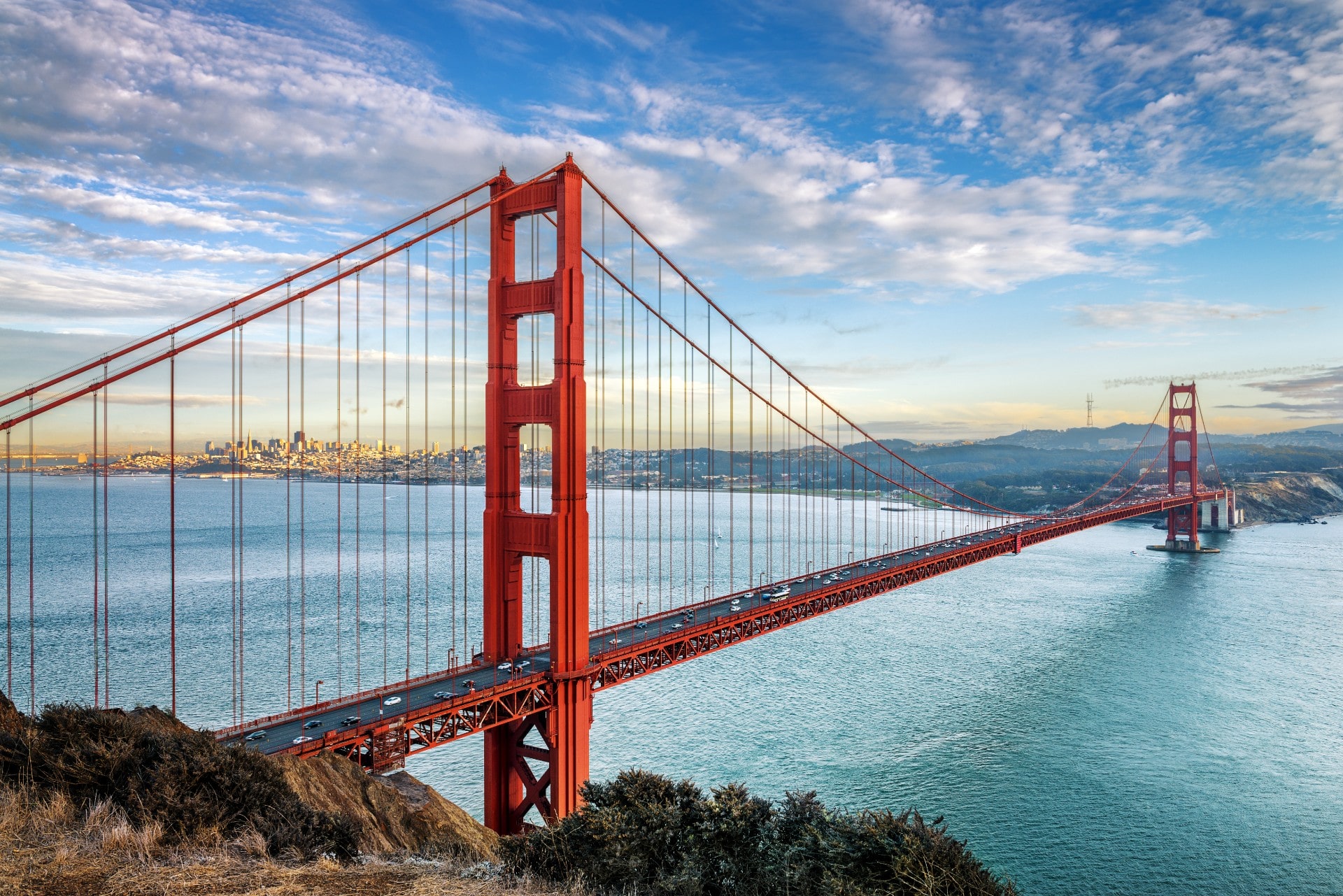
San Francisco is replete with landmarks that are instantly recognizable worldwide, and timing your visits can greatly enhance the experience, particularly in managing crowds. Start your day early with a sunrise view of the Golden Gate Bridge from Presidio National Park or Battery Spencer across the bay in Sausalito. This early start not only provides stunning photo opportunities but also allows you to beat the rush to popular spots. A ferry trip to Alcatraz Island should be booked weeks or even months in advance, with morning tours often providing a more serene experience. Afterwards, immerse yourself in the bustling atmosphere of Fisherman’s Wharf and Pier 39, where sea lions bask and fresh seafood abounds. Mid-afternoon is often a good time to navigate the crooked turns of Lombard Street or take a cable car ride, avoiding the peak morning and evening commute times.
Don’t miss the architectural grandeur of the Palace of Fine Arts or the expansive greenery of Golden Gate Park, which houses the California Academy of Sciences and the de Young Museum. Allocating a full day or at least a significant portion of it to Golden Gate Park is advisable, given its sheer size and diverse offerings. For panoramic city views, consider visiting Twin Peaks or Coit Tower around sunset, just as the city lights begin to twinkle, offering a truly magical end to your day. Shopping enthusiasts will find their haven in Union Square, home to luxury boutiques and department stores, best explored during weekdays to avoid weekend crowds. Each of these destinations offers a unique slice of San Francisco’s charm, and careful scheduling will allow you to savor each one without feeling rushed.
Culinary Delights and Local Culture
San Francisco’s culinary scene is as diverse as its population, a melting pot of flavors influenced by its rich history and vibrant immigrant communities. To truly experience the city’s food culture, embrace its varied neighborhoods. In the Mission District, dedicated an afternoon to sampling authentic burritos and exploring vibrant street art. Chinatown, the oldest Chinatown in North America, offers an endless array of dim sum, tea houses, and bustling markets, best visited in the late morning for fresh pastries and lunch. For seafood lovers, the clam chowder in a sourdough bread bowl at Fisherman’s Wharf is a classic, while the Ferry Building Marketplace offers gourmet artisanal foods and farm-to-table restaurants perfect for a leisurely lunch overlooking San Francisco Bay.
Beyond food, San Francisco’s local culture thrives in its unique districts. Spend an afternoon in North Beach, the city’s Little Italy and former beatnik hangout, exploring its bookstores, cafes, and nightlife. The colorful Victorian houses of Haight-Ashbury transport you back to the Summer of Love, a perfect spot for vintage shopping and people-watching. The Castro District, a beacon of LGBTQ+ rights, offers a rich history and a lively atmosphere. Many neighborhoods host farmers’ markets, street fairs, and cultural festivals throughout the year; checking local event listings beforehand can lead to serendipitous discoveries. Dining in San Francisco often involves popular restaurants, so making reservations, especially for dinner, is highly recommended to avoid long waits, particularly for establishments celebrated in travel guides and food blogs.
Accommodation and Lifestyle Considerations
Choosing the right accommodation is paramount to your San Francisco experience, influencing both your comfort and your access to key attractions. The city boasts a vast array of options, from luxurious hotels like the Four Seasons San Francisco and the Ritz-Carlton San Francisco in Union Square to charming boutique hotels in districts like Nob Hill and more budget-friendly apartments and hostels. When booking, always confirm check-in and check-out times, as these are based on San Francisco local time and can impact your arrival and departure day plans. Many hotels offer luggage storage if your flight schedule doesn’t align perfectly with these times, allowing you to maximize your exploration time.
Your choice of accommodation often reflects your preferred travel lifestyle. For those seeking luxury travel, a five-star hotel with amenities like a spa, concierge service, and exquisite dining can elevate your trip. Business stays might benefit from hotels in the Financial District or near the Moscone Center, offering easy access to corporate offices and convention facilities, often equipped with business centers and high-speed internet. Family trips might lean towards resorts or apartments with extra space, kitchenettes, and family-friendly amenities, potentially in quieter neighborhoods or close to Golden Gate Park. Budget travelers can find comfortable yet affordable options in areas like Tenderloin (with caution), or consider vacation rentals for a longer-term stay. Regardless of your budget or style, comparing reviews, checking locations, and booking well in advance — especially during peak seasons like summer or major convention dates — will secure the best options and ensure a pleasant stay in San Francisco.
Practical Tips for a Seamless San Francisco Trip
Beyond knowing the exact time, a truly seamless San Francisco experience hinges on practical considerations that integrate with your understanding of the local clock. From navigating the city’s unique topography to choosing the optimal time for your visit, these tips will help you make every moment count.
Transportation: Master the City’s Pulse
San Francisco’s public transportation system is extensive and efficient, a key component for any visitor. The Bay Area Rapid Transit (BART) connects the city to the airports and across the Bay Area, essential for timely arrivals and departures. Within the city, Muni (San Francisco Municipal Railway) operates buses, streetcars, and the iconic cable cars. Understanding peak travel times – typically morning and evening rush hours (7-9 AM and 4-6 PM local time) – can help you avoid crowded vehicles and potentially lengthy delays. Plan your rides on cable cars for mid-morning or late afternoon to minimize wait times, especially at popular stops like Powell Street in Union Square. Ride-sharing services are also readily available, offering convenience, particularly late at night or for direct routes to and from your accommodation. Consider purchasing a Clipper Card for easy access to all Muni and BART services.
Best Time to Visit: Timing Your Experience
The “best” time to visit San Francisco often depends on your priorities. Late spring (April-May) and early autumn (September-October) are generally considered ideal. During these periods, the city experiences its warmest, sunniest weather, often with fewer crowds than the peak summer months. The infamous San Francisco fog, a common summer phenomenon, tends to be less prevalent. If you’re planning specific activities, align your visit with local events: Pride Parade in June, the Fleet Week Air Show in October, or various food and wine festivals throughout the year. For budget-conscious travelers, visiting in the off-season (November-March, excluding holidays) can yield lower hotel rates and fewer tourists, though you should be prepared for cooler, potentially rainier weather.
Technology and Connectivity: Stay Synchronized
In today’s interconnected world, technology is your best travel companion. A reliable time zone converter app on your smartphone is indispensable, particularly if you’re frequently communicating with different parts of the globe. Ensure your phone automatically updates to San Francisco local time upon arrival to avoid confusion. Many hotels, cafes, and public spaces offer free Wi-Fi, which can be crucial for accessing maps, public transport schedules, and making online reservations. Consider purchasing a local SIM card or an e-SIM plan for seamless data access throughout your trip, ensuring you’re always connected and can make real-time decisions about your itinerary.
Safety and Awareness: Mind Your Surroundings
Like any major city, San Francisco requires visitors to be aware of their surroundings. Keep valuables out of sight, especially in crowded tourist areas and on public transportation. Research neighborhoods if you plan to venture beyond typical tourist zones, especially after dark. Always use reputable ride-sharing services or licensed taxis, and trust your instincts. Being mindful of your personal safety ensures that your time in San Francisco remains focused on enjoyment and discovery, rather than unforeseen complications.
By incorporating these practical tips, coupled with a solid understanding of San Francisco’s time zone, you’re well-equipped to navigate the city efficiently and safely, making the most of every precious moment.
Conclusion
Understanding “What time is it in San Francisco right now?” is far more than a simple query; it’s the gateway to unlocking a truly exceptional travel experience. From coordinating seamless arrivals and managing the effects of jet lag to strategically planning your visits to world-renowned landmarks like the Golden Gate Bridge and Alcatraz Island, time awareness is your ultimate travel guide. San Francisco’s vibrant culture, diverse culinary scene, and array of accommodation options, from luxury resorts to charming boutique hotels, are best enjoyed when approached with a mindful schedule.
By familiarizing yourself with Pacific Standard Time and Pacific Daylight Time, utilizing efficient public transportation, and timing your visits to avoid crowds, you can transform a good trip into an unforgettable journey. Whether you’re indulging in the gourmet delights of the Ferry Building Marketplace, exploring the historic streets of Chinatown, or simply soaking in the panoramic views from Twin Peaks, every moment in San Francisco is an opportunity for discovery. So, set your watch, plan your adventure, and prepare to be captivated by the timeless charm and dynamic energy of this incredible city.
LifeOutOfTheBox is a participant in the Amazon Services LLC Associates Program, an affiliate advertising program designed to provide a means for sites to earn advertising fees by advertising and linking to Amazon.com. Amazon, the Amazon logo, AmazonSupply, and the AmazonSupply logo are trademarks of Amazon.com, Inc. or its affiliates. As an Amazon Associate we earn affiliate commissions from qualifying purchases.