Understanding the precise time in any destination is more than just a trivial detail; it’s a fundamental aspect of planning, experiencing, and truly immersing oneself in a new place. For travelers heading to the enchanting city of Santa Fe, New Mexico, knowing “what time is it?” goes beyond simply setting your watch. It’s about aligning with the rhythm of the city, optimizing your itinerary, and ensuring you don’t miss out on the rich tapestry of culture, cuisine, and natural beauty that defines this unique Southwest gem. This guide will delve into the intricacies of time in Santa Fe, from its time zone specifics to how the clock dictates everything from a vibrant morning at The Plaza to a serene sunset over the Sangre de Cristo Mountains.
Understanding Santa Fe’s Time Zone
At its core, knowing the time in Santa Fe begins with understanding its geographical placement within the United States time zone system. The city operates on a specific schedule that can impact everything from flight arrivals to dining reservations.
Mountain Standard Time Explained
Santa Fe, like the rest of New Mexico, observes Mountain Standard Time (MST) during the fall and winter months. MST is seven hours behind Coordinated Universal Time (UTC-7). This places it one hour ahead of Pacific Standard Time (PST), one hour behind Central Standard Time (CST), and two hours behind Eastern Standard Time (EST). For travelers arriving from time zones further east, this means “gaining” hours, potentially leading to an earlier start to their day or a smoother adjustment period. Conversely, those coming from the west will “lose” hours, making a well-planned itinerary even more crucial to avoid feeling rushed or missing crucial opening hours. This time zone is particularly notable for its distinct light, with bright mornings and often spectacular sunsets that paint the western sky.
Daylight Saving Time Considerations
A significant factor in determining the current time in Santa Fe is the observance of Daylight Saving Time (DST). From early March until early November, New Mexico shifts to Mountain Daylight Time (MDT), which is UTC-6. During this period, the clocks “spring forward” by one hour. This means that if it’s 10:00 AM MST in February, it would be 11:00 AM MDT in July. This adjustment allows for longer daylight hours in the evenings, a boon for tourism and outdoor activities. Visitors planning their trip during these months should account for this shift, as it influences everything from the timing of outdoor excursions in the Sangre de Cristo Mountains to the sunset dining experiences that Santa Fe is famous for. Always double-check the current date against the DST schedule to ensure your internal clock and external plans are in sync.
Maximizing Your Santa Fe Experience Through Time
Understanding the clock isn’t just about punctuality; it’s about optimizing your travel experience. Santa Fe’s unique charm is best savored by attuning yourself to its daily rhythms, from the first rays of dawn to the quiet of the night.
Morning Adventures and Cultural Immersion
The early hours in Santa Fe offer a tranquility often lost later in the day. The sunrise over the high desert landscape is a spectacle in itself, providing a breathtaking start to any day. For those looking to delve into local culture and history, mornings are ideal. Most museums, like the renowned Georgia O’Keeffe Museum or the historic Palace of the Governors on The Plaza, typically open between 9:00 AM and 10:00 AM. Arriving shortly after opening can mean fewer crowds and a more intimate experience with the art and artifacts. Early risers can also enjoy peaceful strolls along Canyon Road, home to hundreds of art galleries, before the midday bustle. Many local coffee shops and breakfast spots, serving delicious New Mexican cuisine with a side of local charm, open their doors around 7:00 AM or 8:00 AM, perfect for fueling up before a day of exploration.
Afternoon Exploration and Relaxation
As the sun climbs higher, the afternoon hours in Santa Fe invite further exploration, often with a mix of activity and leisure. This is an excellent time for shopping at the artisan markets around The Plaza, exploring the architectural marvels of St. Francis Cathedral Basilica or the iconic spiral staircase of Loretto Chapel. For a more whimsical experience, a visit to Meow Wolf Santa Fe in the mid-afternoon can be a great choice, allowing ample time to get lost in its immersive worlds. The high desert sun can be intense, especially in summer, so planning indoor activities or seeking shade during the hottest parts of the day (typically 1:00 PM to 4:00 PM) is advisable. Many local restaurants begin serving lunch around 11:00 AM or 12:00 PM, offering a chance to sample the city’s renowned culinary scene. A siesta or a dip in a hotel pool can also be a delightful way to recharge before the evening’s festivities.
Evening Delights and Culinary Journeys
As twilight descends, Santa Fe transforms, offering a different kind of magic. The changing light casts long shadows and bathes the adobe buildings in warm hues, setting the stage for memorable evenings. Sunset is a revered time here, often celebrated with a drink on a rooftop bar or a gentle hike to a scenic overlook. Dinner services typically begin around 5:00 PM or 6:00 PM, making reservations crucial for popular establishments, especially during peak travel seasons. From sophisticated fine dining to cozy, authentic New Mexican cuisine, the city’s food scene thrives. Afterward, visitors can catch a performance at the world-renowned Santa Fe Opera (seasonal), enjoy live music at local venues, or simply wander The Plaza as the city lights twinkle. For a truly relaxing end to the day, a visit to a spa like Ten Thousand Waves offers rejuvenation under the starlit sky.
Practical Time Management for Travelers
Effective time management is paramount for any traveler, but in a city as rich in experiences as Santa Fe, it becomes an art form. From initial planning to daily execution, understanding how time works in the Land of Enchantment will elevate your trip.
Planning Your Itinerary
When crafting your Santa Fe itinerary, always factor in the time zone differences and the seasonal Daylight Saving Time adjustments. If you’re flying in, remember that arrival times will be local time, and your body clock might need a few hours to catch up. Allow ample buffer time for travel between attractions, especially if you’re venturing beyond the downtown core to places like Meow Wolf Santa Fe or Ten Thousand Waves. Consider the pace of the city; Santa Fe encourages a slower, more contemplative approach to exploration. Don’t overschedule. Build in downtime to simply absorb the atmosphere, perhaps with a coffee on The Plaza or a quiet moment in a gallery.
Business Hours and Booking
The timing of your visit profoundly impacts the availability and operating hours of various establishments. Most shops and galleries along Canyon Road and around The Plaza typically open mid-morning and close in the early evening, often with shorter hours on Sundays. Restaurants, while offering lunch and dinner services, might have specific hours for happy hour or late-night bites. Always check websites or call ahead for the most current operating hours, especially for popular attractions like the Georgia O’Keeffe Museum or any tours you plan to join. Booking accommodations, especially at prime locations like La Fonda on the Plaza or Rosewood Inn of the Anasazi, well in advance is always recommended, as popular periods like the Santa Fe International Folk Art Market or Indian Market can see hotels booked out months ahead.
Adjusting to the Pace of Santa Fe
Beyond the literal clock, Santa Fe has its own unique cadence. Life here, while vibrant, often unfolds at a slightly more relaxed pace than in larger metropolitan areas. Embrace it. Don’t be surprised if service in a restaurant feels a little slower or if conversations linger longer. This isn’t inefficiency; it’s part of the charm and the emphasis on savoring the moment. Allow yourself to slow down, to engage with locals, and to simply be present. The high altitude can also affect your energy levels, especially on the first day, so hydrate well and don’t push yourself too hard. Adjusting to the time isn’t just about changing your watch; it’s about shifting your mindset to align with the unhurried, artful spirit of Santa Fe.
Seasonal Rhythms and the Passage of Time in Santa Fe
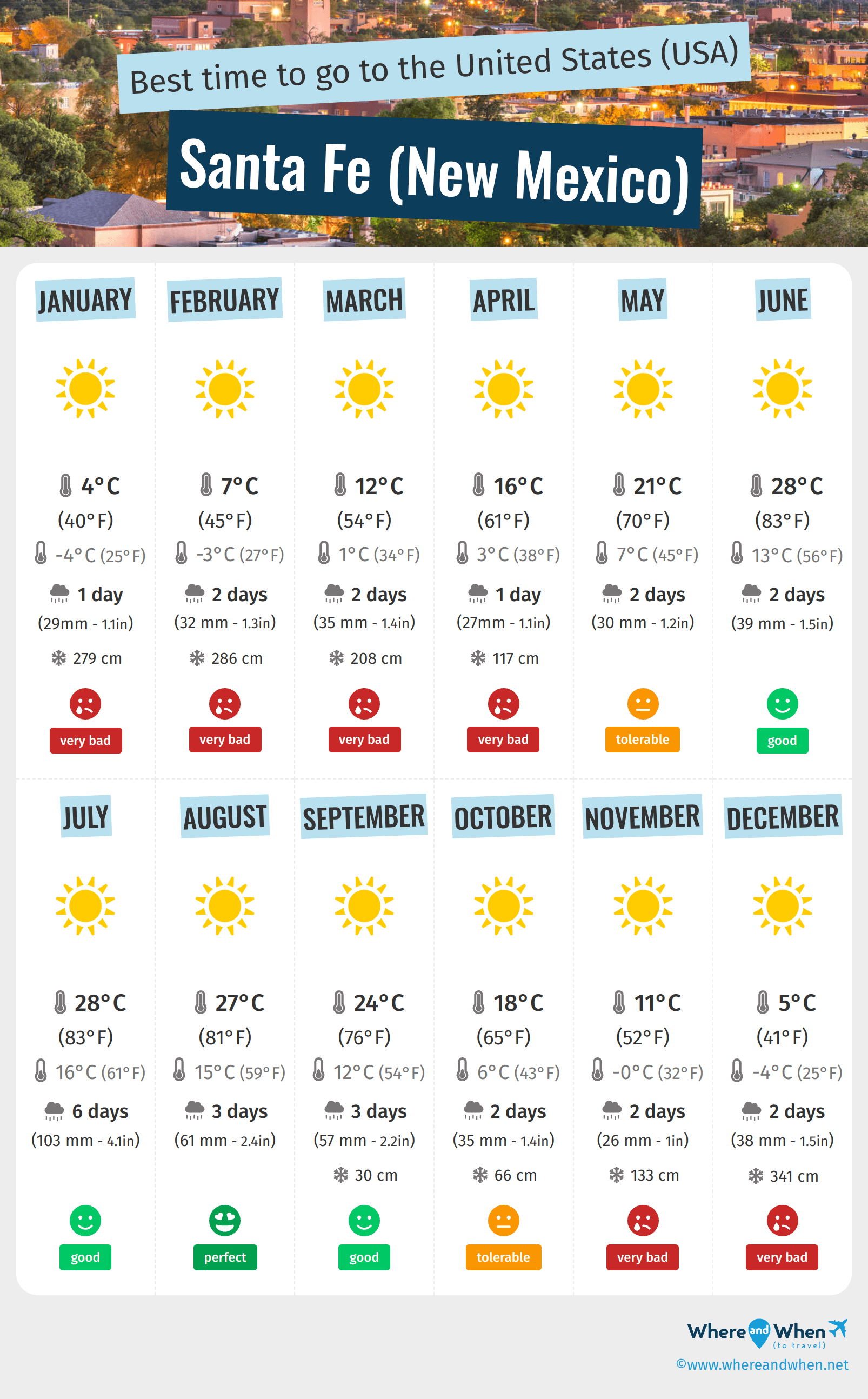
The time of year you visit Santa Fe dramatically influences the length of daylight, the weather, and consequently, the types of activities and experiences available. Each season brings a distinct temporal character to the city.
Spring’s Awakening and Longer Days
In spring, as Daylight Saving Time begins, days visibly lengthen. March and April see pleasant temperatures, perfect for outdoor exploration like hiking in the foothills of the Sangre de Cristo Mountains or exploring the historic district on foot. The extended daylight means you have more hours for sightseeing before dinner, and the evenings are crisp but comfortable. This is an ideal time for travelers who want to experience Santa Fe’s cultural sites and natural beauty without the intense summer heat or winter chill.
Summer’s Peak and Extended Evenings
Summer in Santa Fe (June, July, August) brings the longest days and warmest temperatures. With Mountain Daylight Time fully in effect, sunsets can stretch well past 8:00 PM, offering glorious golden hours for photography and evening al fresco dining. This is prime festival season, with events like the Santa Fe Opera in full swing, taking advantage of the extended light. While afternoons can be hot, the evenings are typically cool and inviting, making them perfect for outdoor concerts or a leisurely stroll. Travelers during this time will find ample opportunity to pack their days with activities, from morning market visits to late-evening art walks.
Autumn’s Glow and Shorter Days
As autumn arrives, the clocks “fall back” from Daylight Saving Time in early November, signaling the return to Mountain Standard Time. Before this change, the fall months of September and October offer some of the most beautiful weather, with crisp air and aspens turning golden in the mountains. Days, though starting to shorten, are still long enough for extensive exploration, and the lower sun angles create stunning light for photography. The change back to MST means evenings arrive earlier, encouraging cozy dining experiences and perhaps an earlier turn-in, or a focus on evening cultural events.
Winter’s Charm and Cozy Nights
Winter in Santa Fe (December, January, February) brings the shortest days, fully under Mountain Standard Time. While daylight hours are fewer, they are often filled with brilliant sunshine and opportunities for winter sports in nearby ski areas. The early sunsets enhance the festive atmosphere of the holidays, with The Plaza adorned with lights. Evenings are perfect for enjoying the warmth of a kiva fireplace at your accommodation, sampling hearty New Mexican cuisine, or visiting a local brewery. The quietude of winter offers a serene, introspective side of Santa Fe, where time seems to slow down even further, inviting relaxation and reflection.
Accommodation and Lifestyle: Time-Sensitive Choices
Your choice of accommodation and how you manage your lifestyle in Santa Fe are intrinsically linked to the concept of time. Whether you seek luxury, budget-friendly options, or a long-term stay, the clock will play a role.
High-end resorts and hotels like the Four Seasons Resort Rancho Encantado Santa Fe or Rosewood Inn of the Anasazi often offer amenities and experiences tailored to different times of day, from early morning yoga sessions to late-night room service. Many offer concierge services that can help you plan your day, ensuring optimal timing for activities and reservations. Mid-range options like La Fonda on the Plaza or Hyatt Centric Santa Fe provide comfortable bases from which to explore, with breakfast hours and evening lounge access catering to a typical tourist schedule.
For budget travelers or those opting for longer stays in apartments or villas, understanding local supermarket hours, public transport schedules, and laundry facilities becomes more time-sensitive. Early morning visits to local farmers markets (seasonal) can yield fresh produce, while evenings might involve cooking at your accommodation. The “lifestyle” aspect in Santa Fe is often about embracing the present moment, whether it’s a sunrise meditation, a leisurely afternoon spent browsing galleries, or a relaxed dinner under the stars. The city encourages a pace that allows for deeper engagement, making time not just a measure, but a medium for a richer travel experience.
In conclusion, knowing “what time is it in Santa Fe, New Mexico?” is far more than a simple inquiry about the hour. It’s an invitation to understand and synchronize with the rhythms of a city that cherishes its past, celebrates its present, and offers timeless experiences to all who visit. From its specific time zone to the ebb and flow of its seasonal offerings, every tick of the clock in Santa Fe guides you toward an unforgettable journey.